


A Music Drama About Friendship, Identity, And Chasing Indie-Rock Dreams
A group of small-town friends forms a band, moves to Toronto, and discovers that success, love, and personal identity can be just as complicated as making music.
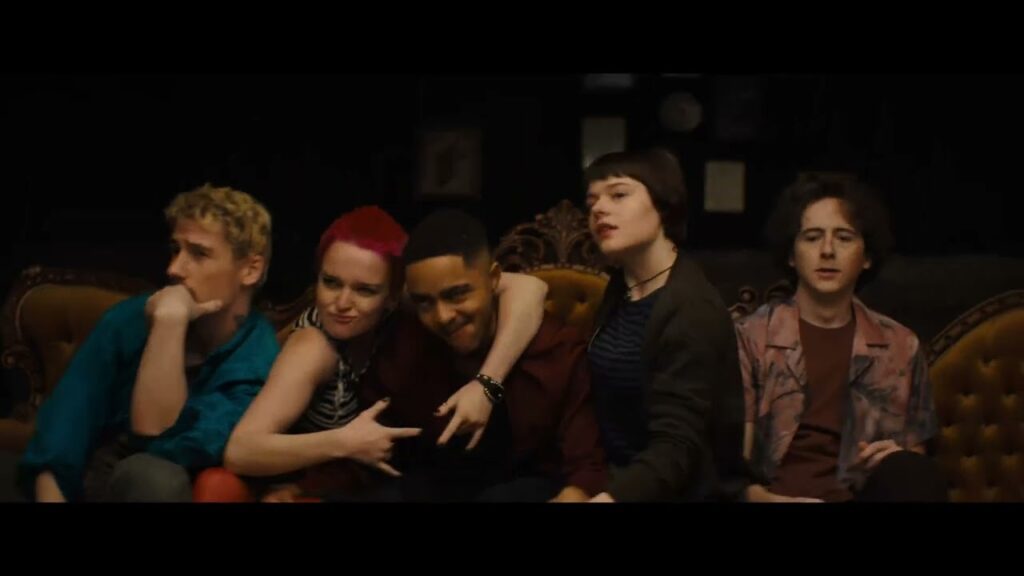
We Forgot to Break Up follows The New Normals, a diverse group of young musicians who leave their hometown behind in pursuit of indie-rock success in Toronto during the early 2000s. Living together, playing small gigs, working odd jobs, and navigating evolving relationships, the band slowly builds momentum within the city’s music scene. As fame begins to arrive, romantic complications, shifting identities, and personal ambitions threaten the group’s unity. Directed by Karen Knox and based on themes inspired by Canadian indie music culture, the film blends music drama, coming-of-age storytelling, and LGBTQ+ representation. The result is a heartfelt portrait of friendship, creativity, and self-discovery during a transformative period of life.
➡️ Implication: The film reflects growing audience interest in music-driven stories centered on identity, community, and personal growth.
Why It Is Trending: Music Dramas Are Increasingly Celebrating Community And Authenticity
We Forgot to Break Up attracted attention for its nostalgic portrayal of the early-2000s Canadian indie music scene and its focus on LGBTQ+ relationships and identities. Rather than presenting musicians as untouchable stars, the film explores the realities of struggling artists trying to survive while pursuing creative dreams. Audiences have responded positively to its authenticity, inclusivity, and celebration of chosen-family dynamics. The film also benefits from its strong music component, featuring original songs and influences from Canada’s indie-rock culture. Together, these elements create a story that feels both personal and culturally specific.
➡️ Implication: Audiences increasingly embrace music stories that focus on human connection rather than celebrity mythology.
Elements Driving the Trend: Music, Friendship, And Self-Expression
The film explores friendship, artistic ambition, identity, love, belonging, gender expression, sexuality, and creative collaboration. The members of The New Normals use music as both a form of self-expression and a way to build community. As their success grows, personal relationships become more complicated, forcing them to reevaluate both their friendships and their futures. The band’s journey reflects the challenges of balancing personal growth with collective dreams. This emotional complexity drives much of the story.
➡️ Implication: Contemporary music dramas increasingly focus on relationships and identity alongside artistic success.
Virality of Movie: Indie Music Nostalgia And LGBTQ+ Representation Drive Interest
The film generated discussion among audiences who appreciate indie music culture and LGBTQ+ storytelling. Viewers responded to its portrayal of early-2000s alternative music scenes, communal living, and creative struggle. The diverse representation within the band also helped broaden its appeal. Many discussions focused on how the film captures the feeling of youth, artistic ambition, and finding one’s place within a community. These themes contributed to positive word-of-mouth attention.
➡️ Implication: Nostalgia and authentic representation remain powerful drivers of audience engagement.
Critics Reception: A Warm And Authentic Portrait Of Music And Friendship
Critical response highlighted the film’s sincerity, ensemble chemistry, and commitment to portraying the realities of independent musicians. Reviewers praised its affectionate depiction of indie-rock culture and the relationships at the heart of the story. Many critics noted that the film succeeds because it focuses more on the people behind the music than on fame itself. The ensemble cast’s natural chemistry helps create a believable sense of friendship and community. This emotional authenticity became one of the film’s strongest assets.
➡️ Implication: Character-driven storytelling continues elevating music-centered dramas beyond traditional genre formulas.
Awards and Recognitions: Canadian Industry Recognition Celebrated Its Craft And Music
We Forgot to Break Up earned 2 wins and 6 nominations. Director Karen Knox won Outstanding Directorial Achievement – Feature Film at the Directors Guild of Canada Awards. The film also won a Canadian Screen Awards award for Achievement in Music, Original Song for “Revolutionary Heart” by Torquil Campbell. Additional nominations included the Writers Guild of Canada Awards, ACTRA Awards, Directors Guild of Canada Craft Awards, and Canadian Screen Awards.
➡️ Implication: Industry recognition highlighted both the film’s creative direction and musical contributions.
Director and Cast: A Strong Ensemble Creates A Believable Band Dynamic
The film is led by Lane Webber as Evan, alongside Daniel Gravelle as Lugh, June Laporte as Isis, Jordan Dawson as Angus, and Hallea Jones as Coco. Director Karen Knox reportedly encouraged the cast to spend time living together before filming, helping create the believable chemistry that defines the band’s relationships throughout the film.
➡️ Implication: Ensemble chemistry remains essential for stories built around friendship and creative collaboration.
Conclusion: Music Dramas Continue Finding Power In Human Connection
We Forgot to Break Up reflects the continuing popularity of music-centered dramas that prioritize friendship, identity, and community over traditional success narratives. Through the journey of The New Normals, the film explores what happens when creative dreams collide with personal growth and evolving relationships. Its authentic portrayal of indie music culture and chosen-family dynamics gives the story emotional depth and cultural relevance. Modern audiences increasingly appreciate stories that celebrate connection and self-expression. The film succeeds because it understands that the most important part of a band is often the people within it. Ultimately, We Forgot to Break Up represents the growing rise of music dramas centered on belonging, authenticity, and finding your voice.
➡️ Implication: The future of music-centered storytelling will increasingly focus on identity, community, and emotional authenticity.
Final Verdict: A heartfelt music drama that celebrates friendship, identity, and the messy reality of creative dreams
We Forgot to Break Up succeeds as an emotionally rich ensemble drama that uses music as a backdrop for exploring friendship, love, identity, and belonging. Rather than focusing on the glamour of success, the film examines the everyday struggles of young artists trying to build lives and relationships while pursuing creative ambitions. Director Karen Knox approaches the story with warmth and authenticity, allowing the characters’ emotional journeys to take center stage. The result is a film that feels both nostalgic and contemporary. Its greatest strength lies in the chemistry between the band members and the sense of community they create together. Ultimately, We Forgot to Break Up is less about becoming famous and more about finding the people who help define who you are.
➡️ Implication: Modern music dramas increasingly prioritize emotional authenticity over traditional success stories.
Audience Relevance: Creative Dreams Remain Universally Relatable
Many viewers understand the experience of pursuing ambitions while navigating friendships, relationships, and personal uncertainty. The members of The New Normals struggle with balancing artistic goals and everyday realities. Their journey reflects the challenges faced by many young adults attempting to build meaningful lives. Even audiences with no connection to music can identify with these emotional experiences. This relatability gives the film broad appeal.
➡️ Implication: Stories about ambition and self-discovery continue resonating across generations.
What Is The Message Of Movie: Growth Often Changes Relationships
One of the film’s central messages is that personal growth can strengthen some relationships while transforming others. As the members of the band evolve individually, their connections become more complex. Love, friendship, identity, and ambition all influence the group’s dynamic. The film suggests that change is inevitable but does not necessarily diminish the value of shared experiences. Growth becomes part of the journey rather than an obstacle to it.
➡️ Implication: Meaningful relationships often evolve alongside personal transformation.
Relevance To Audience: Identity And Self-Expression Remain Important Themes
The film feels particularly relevant because it explores questions of identity, sexuality, gender expression, and belonging through an inclusive and natural lens. These themes are integrated into the characters’ lives rather than treated as separate issues. Music becomes a way for the band members to express themselves and connect with others. This authenticity helps make the story feel contemporary. Audiences increasingly appreciate narratives that embrace complexity and individuality.
➡️ Implication: Authentic representation continues strengthening emotional audience engagement.
Social Relevance: Chosen Families Continue Shaping Modern Stories
A major theme throughout the film is the idea of chosen family. The members of The New Normals support one another through uncertainty, failure, success, and personal change. Their relationships become just as important as their musical ambitions. This reflects broader social conversations about community, acceptance, and belonging. The film portrays friendship as a powerful source of resilience and identity.
➡️ Implication: Stories about chosen families continue reflecting evolving definitions of community and support.
Performance: Ensemble Chemistry Drives The Film
Lane Webber, Daniel Gravelle, June Laporte, Jordan Dawson, and Hallea Jones create a believable and engaging band dynamic. Their performances give the film its emotional authenticity and help audiences invest in the relationships at the story’s center. The chemistry feels natural because the cast functions as a true ensemble rather than a collection of individual protagonists. This strengthens both the dramatic and musical elements of the film.
➡️ Implication: Ensemble-driven storytelling remains one of the strongest foundations for character-focused dramas.
Legacy: A Modern Addition To Music And Coming-Of-Age Cinema
We Forgot to Break Up contributes to a growing collection of music-centered films that focus on identity, friendship, and community rather than celebrity culture. Its inclusive perspective and emphasis on emotional realism distinguish it from more conventional rise-to-fame narratives. The film captures a specific moment in Canadian indie music culture while exploring universal experiences. This balance gives it both cultural specificity and broader relevance. It stands as a meaningful contribution to contemporary music drama.
➡️ Implication: Music films increasingly find lasting impact through emotional honesty rather than spectacle.
Success: Industry Recognition Highlighted Its Direction And Music
The film earned 2 wins and 6 nominations, receiving recognition from several major Canadian industry organizations. Director Karen Knox won Outstanding Directorial Achievement – Feature Film at the Directors Guild of Canada Awards. The film also won a Canadian Screen Awards award for Achievement in Music, Original Song for “Revolutionary Heart.” Additional nominations recognized editing, writing, music synchronization, and acting achievements.
➡️ Implication: Recognition across multiple creative categories reflects the film’s strong collaborative execution.
Insights: We Forgot to Break Up uses music as a vehicle for exploring friendship, identity, love, and personal growth. Industry Insight: Music dramas increasingly focus on community and authenticity rather than celebrity success. Audience Insight: Viewers continue connecting with stories about belonging, self-expression, and creative ambition. Social Insight: Chosen-family narratives remain highly relevant in contemporary culture. Cultural Insight: Inclusive storytelling and authentic representation continue shaping modern coming-of-age cinema.
Conclusion: A sincere celebration of music, friendship, and becoming yourself
We Forgot to Break Up is a warm and emotionally engaging drama about a group of young musicians trying to find their place in the world. Through the rise of The New Normals, the film explores the joys and complications of friendship, artistic ambition, identity, and love. Its authentic portrayal of indie music culture and chosen-family relationships gives the story both emotional depth and cultural relevance. Modern audiences increasingly value stories that emphasize connection and self-discovery over conventional success narratives. Supported by strong ensemble performances and industry recognition, the film stands out within contemporary music-centered cinema. Ultimately, We Forgot to Break Up represents the growing rise of inclusive music dramas built around community, authenticity, and finding your voice.
➡️ Implication: The future of music storytelling will increasingly celebrate identity, belonging, and meaningful human connection.
Summary of the Movie: A music-fueled coming-of-age drama about friendship, identity, and chasing creative dreams
• Movie themes: Friendship, music, identity, artistic ambition, LGBTQ+ representation, self-expression, belonging, love, and chosen family drive the narrative.➡️ Implication: The film reflects growing interest in stories that celebrate community and authenticity through creativity.
• Movie director: Karen Knox directs the film, bringing warmth and emotional realism to a story inspired by the Canadian indie music scene of the early 2000s.➡️ Implication: Contemporary music dramas increasingly emphasize emotional honesty and character relationships.
• Top casting: Lane Webber stars as Evan alongside Daniel Gravelle as Lugh, June Laporte as Isis, Jordan Dawson as Angus, and Hallea Jones as Coco. Together they create the band The New Normals and form the emotional core of the story.➡️ Implication: Strong ensemble performances help make the band’s relationships feel authentic and believable.
• Awards and recognition: We Forgot to Break Up earned 2 wins and 6 nominations. Director Karen Knox won Outstanding Directorial Achievement – Feature Film at the Directors Guild of Canada Awards. The film also won a Canadian Screen Awards award for Achievement in Music, Original Song for “Revolutionary Heart” by Torquil Campbell. Additional nominations came from the Writers Guild of Canada, ACTRA Awards, Canadian Screen Awards, and Canadian Sync Awards.➡️ Implication: Industry recognition highlighted both the film’s storytelling and musical achievements.
• Why to watch movie: The film offers indie-rock nostalgia, strong LGBTQ+ representation, authentic friendships, memorable music, ensemble chemistry, and a heartfelt exploration of growing up and finding your place in the world.➡️ Implication: The movie is ideal for viewers who enjoy music dramas centered on relationships and personal growth.
• Key success factors: Authentic portrayal of indie music culture, inclusive storytelling, strong ensemble cast, emotional realism, award-winning music, and relatable themes of friendship and self-discovery helped distinguish the film.➡️ Implication: Audiences continue embracing stories that prioritize authenticity over spectacle.
• Where to watch: We Forgot to Break Up was released in the United States on June 28, 2024. Availability varies across theatrical, festival, digital, and streaming platforms depending on region.➡️ Implication: Independent music dramas increasingly find audiences through festivals and digital distribution.
Conclusion: A heartfelt portrait of friendship and finding your voice
We Forgot to Break Up succeeds as a sincere and emotionally engaging music drama that captures the excitement and uncertainty of youth, creativity, and self-discovery. Through the journey of The New Normals, the film explores how friendship, love, and identity evolve alongside artistic ambition. Its authentic depiction of indie music culture and chosen-family relationships gives the story emotional depth and lasting charm. Supported by strong performances, award-winning music, and an inclusive perspective, the film stands out within contemporary music-centered storytelling. Rather than focusing on fame, it celebrates connection, community, and personal growth. We Forgot to Break Up ultimately represents the growing popularity of music dramas built around authenticity, belonging, and the courage to become yourself.
➡️ Implication: The future of music-driven cinema will increasingly focus on identity, community, and meaningful human relationships.