


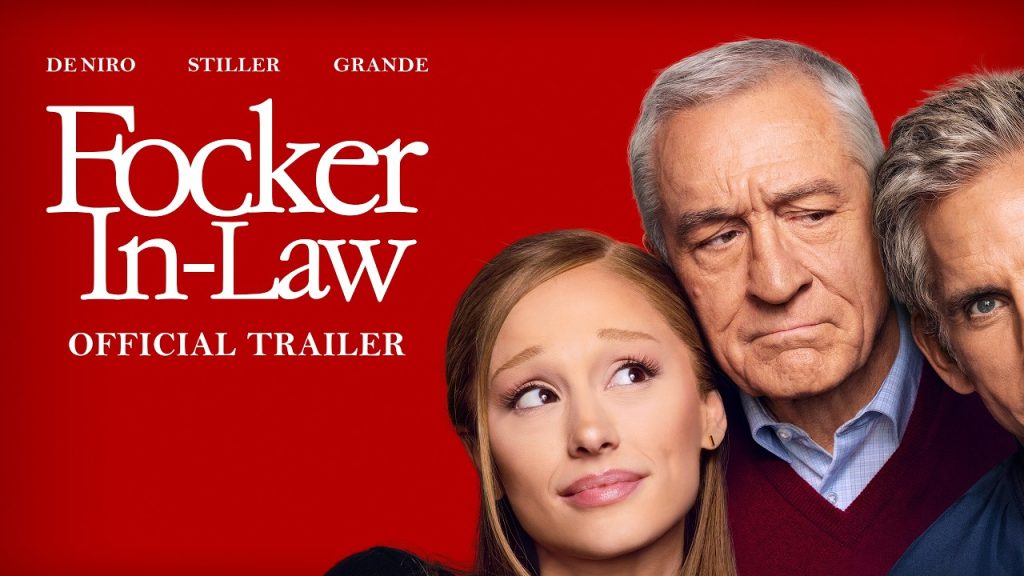
Broad Trend: Famous & Familiar | Industry Trend: Franchise Reinvention
Focker In-Law (2026), directed by John Hamburg, illustrates how established comedy franchises can renew their commercial appeal by combining nostalgia, familiar characters, contemporary celebrity influence, and generational reinvention. The return of Robert De Niro, Ben Stiller, and Owen Wilson reconnects audiences with the established Meet the Parents franchise, while Ariana Grande and Skyler Gisondo introduce new character dynamics and potential younger audiences. Despite mixed critical reception, the film’s initial box-office performance demonstrates early commercial interest in familiar comedy properties.
➡️ Trend Insight: Famous & Familiar → Franchise Reinvention → Cross-Generational Entertainment. Consumers can reconnect with familiar entertainment experiences while discovering contemporary stars and new storytelling perspectives. The opportunity is to transform established franchise recognition into renewed commercial and cultural relevance.
Why Everyone Is Talking About It: Familiar Comedy Meets Contemporary Star Power
The return of the Focker family demonstrates how established entertainment properties can leverage accumulated audience recognition, emotional attachment, and cultural familiarity. By introducing a new generation of characters alongside the original cast, the franchise creates additional reasons for both returning fans and new audiences to engage.
|
Broad Trend: Famous & Familiar |
Consumers seek recognizable entertainment franchises, characters, celebrities, and storytelling formulas. |
|
↓ Industry Trend: Franchise Reinvention |
Established movie franchises renew their relevance through contemporary stars, new characters, and generational storytelling. |
|
↓ Consumer Outcome: Cross-Generational Entertainment |
Audiences enjoy familiar entertainment experiences combined with contemporary cultural relevance. |
The combination of established franchise assets and contemporary entertainment elements creates complementary sources of consumer and commercial value.
|
Reduces barriers to entertainment discovery and audience recruitment. |
|
|
Reactivates emotional attachment to established entertainment properties. |
|
|
Provides accessible humour, familiar characters, and lighthearted experiences. |
|
|
Introduces potential new audiences through contemporary celebrities. |
|
|
Extends franchise appeal across different age groups and entertainment preferences. |
➡️ Key Insight: Familiar comedy franchises can renew their commercial relevance by preserving recognizable entertainment assets while introducing contemporary reasons for audience engagement.
Five Factors: Why Focker In-Law Has Commercial Potential
The early commercial appeal of Focker In-Law can be interpreted through five complementary factors: established franchise recognition, returning stars, contemporary celebrity influence, generational reinvention, and accessible comedy.
|
Established Franchise Recognition |
Provides familiarity, emotional continuity, and recognizable comedic expectations. |
The film continues the established Meet the Parents franchise. |
|
Reconnects audiences with familiar characters and established comedic chemistry. |
Robert De Niro, Ben Stiller, Owen Wilson, Teri Polo, and Blythe Danner return. |
|
|
Introduces contemporary celebrity appeal and potential crossover between music and movie audiences. |
Selected audience reviews praise Grande’s comedic timing and contribution to the franchise. |
|
|
Refreshes the established premise through new family relationships and reversed character roles. |
Greg Focker becomes the protective parent questioning his son’s choice of fiancée. |
|
|
Accessible Holiday Entertainment |
Offers lighthearted comedy and relatable family conflicts during a culturally relevant consumption occasion. |
The film was released in the US on November 25, 2026, immediately before Thanksgiving. |
➡️ Key Insight: The commercial potential of Focker In-Law comes from combining the reassurance of familiar entertainment with contemporary stars, generational relevance, and accessible comedy.
Why This Trend Matters Right Now: The Commercial Power of Familiar Entertainment
In an increasingly fragmented entertainment environment, established franchises offer recognizable identities that can help movies compete for consumer attention. Focker In-Law illustrates how familiar comedy properties can generate initial commercial interest even when critical reception is mixed.
96.9% of reported worldwide gross
Approximately 1,700 votes
Mixed to unfavourable critical reception
Early performance figures from the supplied IMDb listing, following the November 25, 2026 release.
|
Initial Commercial Interest |
$5.47 million in reported worldwide box-office revenue. |
Established comedy franchises can still generate initial theatrical demand. |
|
$5.3 million generated in the US and Canada. |
Familiar American comedy properties retain potential within their established markets. |
|
|
Approximately 1,700 IMDb ratings and 49 user reviews. |
The returning franchise generates early audience participation and discussion. |
|
|
Selected reviews praise the reunion of familiar characters and original cast members. |
Emotional attachment remains a potentially valuable franchise asset. |
|
|
Contemporary Celebrity Appeal |
Ariana Grande’s performance receives positive comments across several supplied reviews. |
Contemporary celebrities can refresh established entertainment properties. |
|
Generational Storytelling |
The original family conflict is reinvented through Greg Focker’s role as a protective parent. |
Established characters can evolve alongside their original audiences. |
|
Commercial Interest Despite Mixed Reviews |
Early box-office revenue alongside a Metascore of 40. |
Franchise recognition and celebrity appeal may provide initial commercial advantages independently of critical enthusiasm. |
|
Thanksgiving theatrical release. |
Comedy franchises can benefit from positioning around relevant social and family occasions. |
The Commercial Formula: Established Assets Meet New Growth Drivers
|
Established Franchise Assets |
Potential Commercial Benefit |
|
|
Robert De Niro and Ben Stiller |
Ariana Grande and Skyler Gisondo |
Cross-generational audience recruitment |
|
Established franchise recognition |
Contemporary celebrity influence |
Broader entertainment awareness |
|
Nostalgic emotional attachment |
New character relationships |
Returning and first-time audiences |
|
Generational role reversal |
Renewed storytelling relevance |
|
|
Music and movie audience crossover |
Expanded discovery opportunities |
|
|
Recognizable family conflicts |
Contemporary relationship dynamics |
Broader consumer identification |
|
Previous franchise instalments |
Potential catalogue rediscovery |
|
|
Familiar comedy entertainment |
Shared entertainment occasions |
➡️ Key Insight: The commercial strength of familiar comedy franchises may lie in their ability to combine accumulated brand recognition with new cultural assets, reducing discovery barriers while creating additional reasons to watch.
Viral Potential: Nostalgia Meets Contemporary Celebrity Culture
Focker In-Law combines several potential engagement drivers, including recognizable characters, iconic comedic relationships, contemporary celebrity fandom, and relatable family conflicts. Ariana Grande’s participation creates an additional opportunity to connect established movie audiences with contemporary music and entertainment communities.
|
Potential Consumer Response |
|
|
Discovering the movie through music fandom and contemporary celebrity culture. |
|
|
Sharing reactions to the return of familiar actors and characters. |
|
|
Revisiting earlier Meet the Parents movies and memorable comedic moments. |
|
|
Comparing Greg Focker’s original experiences with his new role as a protective parent. |
|
|
Sharing relatable jokes about parents, relationships, and family gatherings. |
|
|
Discussing differences between established and younger characters. |
|
|
Exploring the comedic interaction between Ariana Grande, Ben Stiller, and Robert De Niro. |
|
|
Thanksgiving Entertainment |
Recommending lighthearted comedy for holiday viewing occasions. |
|
Debating the quality of the new movie compared with previous instalments. |
|
|
Behind-the-Scenes Content |
Discovering cast interviews, comedic performances, and production featurettes. |
➡️ Key Insight: Familiar comedy franchises can generate renewed cultural engagement when nostalgic entertainment assets intersect with contemporary celebrity fandom and relatable social experiences.
Who Is Driving This Trend: Established Fans and New Generations of Entertainment Consumers
The potential audience combines returning franchise fans with younger entertainment consumers attracted by contemporary celebrities, accessible comedy, and relatable relationship dynamics. This cross-generational positioning creates opportunities to extend the commercial lifespan of established entertainment properties.
|
Established franchise fans, comedy enthusiasts, nostalgic movie consumers, and Ariana Grande fans. |
|
|
Potential appeal among Gen X and Millennials familiar with the original movies, alongside adult Gen Z and younger audiences attracted by contemporary stars. |
|
|
Potential cross-gender appeal; no verified audience distribution is available. |
|
|
Broad potential appeal through mainstream theatrical and eventual home entertainment formats. |
|
|
No established educational profile. |
|
|
Entertainment-oriented, socially engaged, culturally curious, and interested in accessible comedy. |
|
|
Revisiting familiar franchises, following celebrities, attending cinemas, and discovering entertainment through social recommendations. |
|
|
Family comedy, romantic comedy, nostalgic franchises, celebrity-led movies, and lighthearted entertainment. |
|
|
Combining familiar entertainment preferences with curiosity about contemporary stars and new franchise instalments. |
|
|
Seeking amusement, nostalgia, familiarity, escapism, and social connection. |
➡️ Key Insight: Franchise Reinvention can expand the potential audience of familiar comedy properties by connecting established fans with new generations through contemporary stars and accessible storytelling.
Core Motivations: Entertainment Through Familiarity and Novelty
The primary proposed consumer motivation is Entertainment. Familiar comedy franchises offer recognizable humour, established character relationships, and accessible storytelling, while new stars and generational perspectives introduce additional sources of amusement and discovery.
|
Enjoying familiar humour, accessible comedy, recognizable characters, and contemporary celebrity performances. |
|
|
Reconnecting with favourite movies, characters, and positive entertainment memories. |
|
|
Experiencing familiar and emotionally reassuring entertainment. |
|
|
Taking a break from everyday pressures through lighthearted comedy. |
|
|
Discovering entertainment through favourite celebrities, cultural personalities, and fandoms. |
|
|
Relating to family relationships, romantic conflicts, and generational experiences. |
➡️ Key Insight: Familiar comedy franchises create entertainment value by combining the emotional reassurance of recognition with the amusement and curiosity generated by new characters and situations.
Consumer Drive: Stimulation Through Familiar Comedy
The underlying proposed psychological drive is Stimulation. Consumers seek humour, amusement, novelty, and emotionally rewarding entertainment. Established comedy franchises can address this drive by combining recognizable comedic formulas with refreshed character dynamics and contemporary cultural references.
|
Psychological Interpretation |
|
|
Seeking humour, amusement, novelty, and enjoyable entertainment experiences. |
|
|
Seeking lighthearted and emotionally reassuring entertainment. |
|
|
Connecting with shared cultural references, entertainment fandoms, and family experiences. |
|
|
Finding reassurance in familiar characters and recognizable storytelling formulas. |
|
|
Escaping everyday pressures through accessible and enjoyable comedy. |
➡️ Key Insight: Familiar comedy can satisfy the desire for stimulation when established entertainment formulas are refreshed with sufficient novelty, humour, and contemporary relevance.
Why Consumers Are Changing: From Franchise Nostalgia to Renewed Familiarity
Consumers do not necessarily want established entertainment properties to remain unchanged. While familiar characters and recognizable storytelling formulas can provide emotional reassurance, new stars, contemporary cultural references, and evolving relationships create additional reasons to return. Franchise Reinvention addresses the tension between preserving what audiences originally enjoyed and introducing enough novelty to justify a new entertainment experience.
Consumer Tension: “I want to reconnect with the characters and comedy I remember, but I also want something new that makes returning to the franchise worthwhile.”
➡️ Consumer Shift: Passive Franchise Nostalgia → Renewed Familiarity → Cross-Generational Entertainment.
➡️ Key Insight: The opportunity is to make familiarity a foundation for innovation rather than a substitute for originality.
What Makes It Distinctive: From Traditional Comedy Sequels to Cross-Generational Franchise Reinvention
Focker In-Law illustrates a franchise revival model that combines established entertainment assets with contemporary celebrity influence and generational storytelling. Rather than relying exclusively on nostalgia, this approach introduces potential new sources of cultural and commercial relevance.
|
Traditional Comedy Sequel |
Cross-Generational Franchise Reinvention |
|
|
Continue a familiar comedy story |
Renew an established entertainment property |
|
|
Existing fans and potential new generations |
||
|
Retain established lead actors |
Combine returning stars with contemporary celebrities |
|
|
Primary reason to revisit the franchise |
Foundation for renewed entertainment relevance |
|
|
Continue established character relationships |
Introduce new generations and evolving family roles |
|
|
Repeat successful comedic situations |
Reinterpret familiar situations through new perspectives |
|
|
Established movie star recognition |
Cross-industry celebrity and fandom crossover |
|
|
Franchise awareness and previous audience attachment |
Franchise recognition combined with contemporary cultural influence |
|
|
Promote the return of familiar characters |
Combine nostalgic promotion with contemporary celebrity-led campaigns |
|
|
Established entertainment references |
Established references combined with contemporary lifestyles and relationships |
|
|
Monetize existing franchise demand |
Extend franchise relevance and potential audience reach |
|
|
Movie promotion and theatrical distribution |
Movie, music, celebrity, social media, and streaming engagement |
|
|
Reconnecting with familiar entertainment |
Rediscovering familiar entertainment through new experiences |
|
|
Established franchise recognition |
Familiarity combined with contemporary relevance |
|
|
Generate revenue from another instalment |
Extend the commercial lifespan of the entertainment property |
➡️ Key Insight: Cross-generational Franchise Reinvention creates additional commercial potential by combining the recognition of established entertainment properties with contemporary sources of audience recruitment and engagement.
Business Opportunities: Reviving Familiar Entertainment Properties
The commercial potential of Focker In-Law illustrates opportunities for entertainment businesses to reassess established comedy franchises, dormant intellectual properties, familiar characters, and nostalgic entertainment assets. The strongest opportunities may emerge when these properties are refreshed through genuine creative development and contemporary cultural relevance.
|
Reintroduce established comedy franchises with returning cast members and refreshed narratives. |
|
|
Generational Franchise Expansion |
Develop stories featuring the children, relatives, or successors of established characters. |
|
Introduce contemporary music stars and cultural personalities into established movie franchises. |
|
|
Nostalgia-Led Entertainment |
Develop entertainment experiences that reconnect audiences with familiar characters and cultural memories. |
|
Franchise Catalogue Rediscovery |
Promote previous instalments through streaming collections, theatrical retrospectives, and franchise marathons. |
|
Cross-Generational Casting |
Combine established actors with contemporary stars to broaden potential audience appeal. |
|
Role-Reversal Storytelling |
Reinterpret familiar narratives by changing character responsibilities, perspectives, and relationships. |
|
Position accessible comedy around Thanksgiving, Christmas, and other relevant social occasions. |
|
|
Theatrical Comedy Revival |
Develop recognizable comedy properties that provide additional reasons for shared cinema attendance. |
|
Music and Movie Partnerships |
Connect contemporary music fandom with movie promotion, celebrity content, and entertainment discovery. |
|
Streaming Franchise Extensions |
Explore complementary series, spin-offs, and character-led entertainment formats. |
|
Social Media Entertainment |
Develop nostalgic clips, cast reunions, character comparisons, and celebrity-led promotional content. |
|
Cross-Generational Experiences |
Create entertainment events and campaigns that encourage different generations to rediscover familiar franchises together. |
|
Intellectual Property Portfolio Development |
Identify established entertainment properties with enduring recognition and credible opportunities for creative reinvention. |
➡️ Key Insight: Established comedy franchises can become long-term entertainment assets when businesses combine existing brand equity with contemporary talent, creative reinvention, and new audience development.
Marketing Strategy: Reinvention — Preserve Franchise Familiarity While Introducing Contemporary Star Power and Generational Relevance
The marketing opportunity is to position familiar comedy franchises around nostalgia, contemporary celebrity influence, accessible entertainment, and generational renewal, rather than relying exclusively on recognition of previous instalments. Focker In-Law illustrates how returning characters and contemporary stars can create complementary reasons for entertainment discovery, theatrical attendance, and renewed franchise engagement.
|
Develop comedy franchises featuring returning characters, contemporary stars, new generations, refreshed relationships, and genuinely original comedic situations. |
|
|
Encourage theatrical trial through accessible ticket pricing, group offers, holiday promotions, and franchise-related entertainment packages. |
|
|
Combine mainstream theatrical distribution, seasonal release windows, streaming platforms, franchise catalogue collections, and music-related digital entertainment channels. |
|
|
Balance nostalgic references and original cast recognition with contemporary celebrity appeal, new character dynamics, and distinctive comedic moments. |
|
|
Develop cast reunion interviews, celebrity collaborations, franchise marathons, nostalgic social media content, holiday promotions, and music fandom partnerships. |
|
|
Differentiate through established franchise recognition, cross-generational appeal, recognizable comedic chemistry, and contemporary cultural relevance rather than relying exclusively on nostalgia. |
|
|
Explore generational storytelling, role reversals, new character perspectives, cross-industry celebrity collaborations, spin-offs, and complementary entertainment formats. |
Marketing Priorities
|
Original cast recognition, contemporary celebrity appeal, nostalgia, and recognizable franchise assets. |
Generate awareness across established and potential new audiences. |
|
|
Cast chemistry, relatable family conflicts, generational storytelling, and celebrity-led entertainment content. |
Build emotional engagement and renewed franchise interest. |
|
|
Accessible comedy positioning, theatrical availability, holiday relevance, and positive audience recommendations. |
Transform franchise recognition into ticket purchases. |
|
|
Consistent entertainment quality, evolving characters, catalogue rediscovery, and complementary franchise content. |
Strengthen long-term audience attachment. |
|
|
Celebrity fandoms, nostalgic movie communities, social media humour, cast collaborations, and consumer recommendations. |
Expand cultural relevance and cross-generational awareness. |
➡️ Key Insight: Reinvention becomes a commercially effective strategy when familiar entertainment assets are supported by genuine creative renewal, contemporary cultural relevance, and additional reasons for consumers to return.
Trend Snapshot: Familiar Comedy Franchises as Renewable Entertainment Assets
Focker In-Law illustrates how established entertainment properties can leverage accumulated audience recognition while introducing contemporary celebrities and generational storytelling. The broader opportunity is to transform familiar comedy franchises into renewable entertainment assets with potential relevance across multiple generations.
|
Famous & Familiar – Consumers seek recognizable entertainment franchises, beloved characters, familiar celebrities, and established storytelling formulas that provide accessible and emotionally rewarding experiences. |
|
|
Franchise Reinvention – Established movie franchises renew their cultural and commercial relevance through returning stars, contemporary celebrities, younger characters, generational storytelling, and refreshed comedic formulas. |
|
|
Entertainment – Enjoying familiar humour, accessible comedy, recognizable characters, contemporary celebrity performances, nostalgic experiences, and lighthearted escapism. |
|
|
Stimulation – Seeking amusement, humour, novelty, emotional engagement, and enjoyable entertainment experiences through a combination of familiarity and creative reinvention. |
|
|
Cross-Generational Franchise Growth – Revive established entertainment properties by combining original cast members, contemporary celebrities, new characters, music and movie audience crossover, and generationally relevant storytelling. Extend commercial opportunities through theatrical releases, streaming, catalogue rediscovery, and complementary entertainment formats. |
|
|
Reinvention – Preserve the emotional and cultural assets that made established franchises recognizable while introducing contemporary star power, new character dynamics, refreshed narrative perspectives, and additional reasons for audience engagement. |
|
|
Focker In-Law, directed by John Hamburg and featuring Robert De Niro, Ben Stiller, Owen Wilson, Ariana Grande, and Skyler Gisondo, generated an early worldwide box-office gross of $5.47 million, including $5.3 million in the US and Canada. The supplied IMDb listing reports a 6.1/10 audience rating from approximately 1,700 votes, 49 user reviews, 64 critic reviews, and a Metascore of 40. Selected audience reviews praise the original cast reunion, nostalgic appeal, Ariana Grande’s comedic performance, and generational role reversal. The Thanksgiving release provides a relevant seasonal context for family-oriented comedy. |
|
|
Excessive reliance on nostalgia, predictable humour, recycled storytelling, and underutilized supporting characters may limit long-term franchise appeal. Mixed critical reception demonstrates the importance of balancing familiarity with genuine creative reinvention. Celebrity recognition can generate awareness but cannot compensate indefinitely for weak storytelling. Early box-office revenue indicates initial commercial interest but does not establish profitability, sustained theatrical demand, audience demographics, or the individual commercial contribution of Ariana Grande. |
➡️ Key Insight: Familiar comedy franchises represent a potential commercial growth territory when established brand recognition is combined with contemporary star power, creative reinvention, and cross-generational audience development.
Final Insight: Familiarity Is a Commercial Asset, but Reinvention Creates Its Future
Focker In-Law demonstrates how established comedy franchises can generate renewed attention by combining familiar characters, nostalgic emotional attachment, contemporary celebrities, and generational storytelling. Its initial commercial performance despite mixed critical reception suggests that franchise recognition can remain a valuable asset in a competitive entertainment environment.
The broader opportunity is not simply to revive successful entertainment properties but to make them relevant to audiences whose cultural preferences and entertainment expectations have evolved. The winning formula for familiar comedy franchises is not nostalgia alone, but nostalgia combined with contemporary relevance and genuine creative reinvention.
➡️ Final Insight: Famous & Familiar → Franchise Reinvention → Cross-Generational Entertainment. Consumers can rediscover familiar entertainment experiences through contemporary stars, refreshed characters, and new storytelling perspectives. Entertainment businesses can unlock renewed commercial opportunities by transforming established franchises into evolving cultural assets rather than simply repeating their previous successes.
➡️ Where to Watch: Focker In-Law was released in US cinemas on November 25, 2026. Streaming availability has not been confirmed in the supplied source.