


Broad Trend: Experiences | Industry Trend: Music-Led Cinema
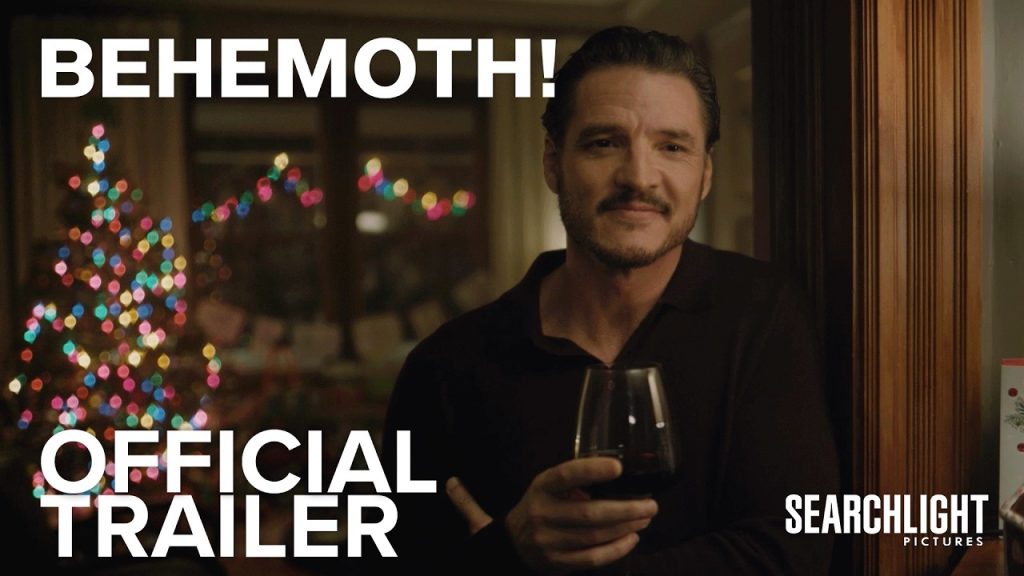
Behemoth! (2026), directed by Tony Gilroy and starring Pedro Pascal, illustrates an emerging opportunity at the intersection of music and cinema. By making orchestral performance, musical creation, and immersive sound central to its narrative, the film explores how music can become a source of cinematic spectacle rather than simply a supporting storytelling element. This convergence creates opportunities for cinemas to differentiate themselves from home streaming, while enabling musicians, composers, and the wider music industry to reach audiences through emotionally engaging cinematic experiences.
➡️ Trend Insight: Experiences → Music-Led Cinema → Immersive Entertainment Experiences. Consumers can discover richer forms of entertainment through the combination of music, cinematic storytelling, and immersive sound. The opportunity is to make music and cinema complementary entertainment experiences that create additional reasons to visit theatres, discover artists, and engage with soundtracks.
Why Everyone Is Talking About It: Music Becomes the Cinematic Experience
Traditional cinematic spectacle is frequently associated with visual effects, action sequences, large-scale productions, and blockbuster franchises. Behemoth! explores an alternative proposition in which orchestral music, acoustic intensity, and emotional storytelling can make a character-driven drama feel like a cinematic event.
|
Consumers seek immersive, emotionally rewarding, and memorable entertainment experiences. |
|
|
↓ Industry Trend: Music-Led Cinema |
Music becomes a central narrative, emotional, and experiential component of cinematic entertainment. |
|
↓ Consumer Outcome: Immersive Entertainment Experiences |
Audiences experience the combined emotional and sensory rewards of music and visual storytelling. |
The convergence of music and cinema creates complementary opportunities for both entertainment industries.
|
Creates additional reasons to engage with movies and music. |
|
|
Differentiates theatrical experiences from conventional home viewing. |
|
|
Strengthens the emotional impact of cinematic storytelling. |
|
|
Introduces audiences to composers, musicians, soundtracks, and musical genres. |
|
|
Creates opportunities for premium screenings, musical events, and cross-industry collaborations. |
➡️ Key Insight: Music-Led Cinema can transform a movie into a broader entertainment experience by combining the emotional power of music with the immersive capabilities of cinema.
Five Factors: Why the Combination of Music and Cinema Could Become a Major Entertainment Trend
The convergence of music and cinema creates a distinctive entertainment proposition built around immersive sound, emotional storytelling, artistic craftsmanship, and cross-industry discovery. Behemoth! illustrates how these elements can work together to create compelling reasons for theatrical attendance beyond traditional blockbuster spectacle.
|
Music as Cinematic Spectacle |
Delivers powerful entertainment experiences without relying exclusively on visual effects or action sequences. |
The orchestral arrangements in Behemoth! are identified as a central reason to experience the film theatrically. |
|
Music-Driven Storytelling |
Deepens emotional engagement by connecting musical compositions with characters, relationships, and personal journeys. |
The protagonist’s experiences as a cellist are intertwined with orchestral recording sessions and musical compositions. |
|
Immersive Theatrical Experiences |
Provides additional reasons to visit cinemas rather than waiting for streaming availability. |
SlashFilm highlights the emotional and acoustic impact of experiencing the film in a theatre. |
|
Cross-Industry Artistic Collaboration |
Introduces audiences to musicians, composers, performers, and different forms of artistic expression. |
The film features contributions from Alan Silvestri, Michael Giacchino, Lukas Frank, James Newton Howard, and other composers. |
|
Entertainment Beyond the Movie |
Creates opportunities for continued engagement through soundtrack listening, musical discovery, and live performances. |
The original composition Your God Is Sleeping received a Hollywood Music in Media Awards nomination. |
➡️ Key Insight: The combination of music and cinema can create a multidimensional entertainment proposition in which storytelling, sound, artistic discovery, and immersive experiences reinforce each other.
Why This Trend Matters Right Now: Creating New Reasons to Leave the House
Streaming has made home entertainment increasingly convenient, creating a challenge for cinemas to offer experiences that justify the time, effort, and cost of theatrical attendance. Music-Led Cinema introduces an alternative competitive territory in which powerful sound, orchestral arrangements, and emotional storytelling can create distinctive experiential value even for smaller, character-driven movies.
|
Theatrical Differentiation |
SlashFilm identifies Behemoth! as a film whose musical experience benefits substantially from theatrical viewing. |
Cinemas can communicate acoustic and emotional experiences alongside visual spectacle. |
|
Alternative Cinematic Spectacle |
A character-driven drama uses orchestral music as a central attraction. |
Smaller productions can explore experiential differentiation without blockbuster-scale visual effects. |
|
Recognition of Musical Craftsmanship |
The film won Best Music Themed Film, Biopic or Musical at the Hollywood Music in Media Awards. |
Music-led storytelling can become a distinctive creative and promotional territory. |
|
David Acord received the Excellence in Sound Design Award at the Denver Film Festival. |
Sound design can become a more prominent component of entertainment positioning. |
|
|
Multiple established composers contributed to the film’s music. |
Cross-industry creative collaborations can broaden artistic appeal and audience discovery. |
|
|
Your God Is Sleeping, written by Lukas Frank, received an HMMA nomination. |
Original compositions can create additional engagement opportunities beyond the film itself. |
|
|
The film celebrates the musicians and creative professionals behind cinematic music. |
Entertainment producers can explore stories about artistic craftsmanship and creative processes. |
|
|
Early Audience Engagement |
The supplied IMDb listing reports a 7.2 rating from 615 votes and 32 critic reviews. |
Early reception provides an initial indication of interest, although commercial performance remains unknown. |
How Music and Cinema Can Reinforce Each Other
|
Movie Industry Opportunity |
Music Industry Opportunity |
|
|
Attract music enthusiasts to cinemas. |
Introduce film audiences to musicians and composers. |
|
|
Strengthen character development and narrative impact. |
Connect compositions with meaningful human stories. |
|
|
Differentiate theatrical viewing from home streaming. |
Showcase musical performances through high-quality acoustic environments. |
|
|
Introduce movies through soundtrack releases and musical collaborations. |
Generate artist and musical genre discovery through cinema. |
|
|
Develop premium screenings and special cinematic events. |
Create orchestral performances and soundtrack-led live experiences. |
|
|
Maintain audience interest beyond theatrical release. |
Encourage soundtrack listening and potential concert attendance. |
|
|
Develop distinctive cinematic identities through musical partnerships. |
Expand creative opportunities for composers, performers, and recording artists. |
|
|
Connect cinema with contemporary music culture. |
Integrate music into broader entertainment conversations. |
|
|
Explore additional revenue through events and entertainment partnerships. |
Explore soundtrack licensing, music sales, streaming, and live performances. |
➡️ Key Insight: Music and cinema can become complementary growth platforms by expanding each other’s audiences, strengthening experiential value, and creating engagement opportunities beyond their traditional formats.
Viral Potential: When Movies Become Musical Discovery Platforms
Music-Led Cinema creates opportunities for engagement beyond conventional movie trailers and promotional campaigns. Original compositions, orchestral performances, recording sessions, composer collaborations, and emotionally powerful cinematic moments can generate additional content territories across movie and music platforms.
|
Potential Consumer Response |
|
|
Discovering, listening to, and sharing compositions featured in movies. |
|
|
Engaging with powerful musical sequences and live performance content. |
|
|
Discovering how composers, musicians, and recording professionals create film scores. |
|
|
Sharing cinematic moments enhanced by distinctive musical arrangements. |
|
|
Exploring the work of established and emerging film composers. |
|
|
Discovering musicians through soundtrack contributions and cinematic exposure. |
|
|
Immersive Sound Experiences |
Recommending theatrical screenings based on their acoustic and emotional impact. |
|
Discovering music-led films through actors such as Pedro Pascal. |
|
|
Music and Movie Communities |
Connecting film enthusiasts, soundtrack collectors, musicians, and music fans. |
|
Live Entertainment Extensions |
Exploring potential orchestral screenings, concerts, and soundtrack-related events. |
➡️ Key Insight: Music-Led Cinema can extend the cultural life of a movie by transforming its soundtrack, performances, and musical craftsmanship into independent sources of discovery and engagement.
Who Is Driving This Trend: Entertainment Consumers Seeking Richer Experiences
The potential audience for Music-Led Cinema extends beyond traditional movie enthusiasts and classical music audiences. By combining cinematic storytelling with immersive sound and musical discovery, this entertainment proposition can attract consumers seeking distinctive, emotionally rewarding, and culturally engaging experiences.
|
Movie enthusiasts, music fans, soundtrack listeners, musicians, and experience-oriented entertainment consumers. |
|
|
Potential cross-generational appeal, including younger audiences discovering music through audiovisual content and established cinema and music enthusiasts. |
|
|
Potential cross-gender appeal; no verified audience distribution is available. |
|
|
Potential appeal across income groups, with premium screenings and live events targeting consumers willing to pay for differentiated experiences. |
|
|
No established educational profile; potential appeal among audiences interested in music, cinema, and artistic craftsmanship. |
|
|
Culturally curious, entertainment-oriented, creatively engaged, and interested in immersive experiences. |
|
|
Attending cinemas, listening to music, discovering soundtracks, following artists, and participating in cultural events. |
|
|
Music-themed movies, character-driven dramas, original soundtracks, concert films, and immersive audiovisual entertainment. |
|
|
Exploring new artistic experiences through the combination of different entertainment forms. |
|
|
Seeking entertainment, stimulation, emotional intensity, inspiration, discovery, and immersion. |
➡️ Key Insight: Music-Led Cinema can broaden entertainment audiences by connecting movie enthusiasts and music consumers through shared interests in storytelling, artistic discovery, and immersive experiences.
Core Motivations: Entertainment Through the Combination of Music and Cinema
The primary proposed consumer motivation is Entertainment. Audiences can seek more rewarding entertainment experiences by combining the emotional engagement of cinematic storytelling with the sensory pleasure, intensity, and discovery associated with music. The combination creates multiple reasons to engage with a movie beyond its plot or star cast.
|
Enjoying richer audiovisual experiences that combine cinematic storytelling, musical performance, and immersive sound. |
|
|
Experiencing powerful orchestral arrangements, acoustic intensity, and distinctive audiovisual environments. |
|
|
Experiencing heightened emotions through the interaction between music, characters, and storytelling. |
|
|
Discovering new musicians, composers, original compositions, and musical genres through cinema. |
|
|
Becoming immersed in emotionally and acoustically rich entertainment environments. |
|
|
Connecting with stories of artistic passion, musical dedication, creativity, and human achievement. |
➡️ Key Insight: The combination of music and cinema creates additional entertainment value by delivering multiple emotional, sensory, and artistic rewards within a single experience.
Consumer Drive: Stimulation Through Immersive Entertainment
The underlying proposed psychological drive is Stimulation. Music-Led Cinema combines visual narratives, orchestral arrangements, emotional conflicts, and powerful acoustic experiences to create multiple forms of sensory and emotional engagement.
|
Psychological Interpretation |
|
|
Seeking powerful sensory experiences, emotional intensity, novelty, and artistic discovery. |
|
|
Experiencing emotional resonance through the integration of music, storytelling, and personal reflection. |
|
|
Participating in shared cinematic, musical, and cultural experiences. |
|
|
Developing cultural knowledge and appreciation of artistic craftsmanship. |
|
|
Exploring distinctive entertainment experiences beyond mainstream blockbuster conventions. |
➡️ Key Insight: Music-Led Cinema can satisfy the desire for stimulation by combining the emotional power of music with the visual, narrative, and immersive capabilities of cinema.
Why Consumers Are Changing: From Watching Movies to Experiencing Entertainment
The convenience of streaming allows consumers to access movies and music independently from almost anywhere. Music-Led Cinema suggests an additional entertainment direction in which these forms of content are combined to create experiences that can be more emotionally rewarding and acoustically immersive than conventional home consumption. The opportunity is to make theatrical attendance desirable through experiential differentiation rather than availability alone.
Consumer Tension: “I can watch movies and listen to music at home, but I also want entertainment experiences that feel more powerful, immersive, and worth leaving the house for.”
➡️ Consumer Shift: Conventional Content Consumption → Music-Cinema Convergence → Immersive Entertainment Experiences.
➡️ Key Insight: Cinemas can create additional reasons for attendance by offering experiences that audiences want not only to watch but also to hear, feel, and remember.
What Makes It Distinctive: From Visual Spectacle to Musical Spectacle
Behemoth! illustrates an alternative approach to cinematic spectacle in which music, sound design, orchestral performance, and artistic craftsmanship become central to the entertainment proposition. This does not replace traditional visual spectacle but creates an additional territory for theatrical differentiation.
|
Conventional Visual-Led Cinema |
||
|
Visual storytelling and cinematic spectacle |
Musical, emotional, and audiovisual immersion |
|
|
Story, characters, action, and visual effects |
Story, characters, music, and immersive sound |
|
|
Supporting and enhancing the narrative |
Central narrative and experiential component |
|
|
Visual scale, action, and production design |
Orchestral intensity, acoustic power, and emotional resonance |
|
|
Character development and dramatic storytelling |
Character development amplified through musical expression |
|
|
Production Differentiation |
Visual effects, cinematography, and production scale |
Musical composition, orchestration, performance, and sound design |
|
Directors, actors, writers, and visual artists |
Filmmakers, musicians, composers, orchestras, and sound designers |
|
|
Large screens and visual immersion |
High-quality acoustics and immersive audiovisual environments |
|
|
Movie trailers, reviews, and star appeal |
Movie promotion combined with musical and soundtrack discovery |
|
|
Primarily a cinematic narrative |
A combined cinematic and musical experience |
|
|
Sequels, streaming, and related content |
Soundtracks, playlists, concerts, and musical performances |
|
|
Large-format and premium visual screenings |
Premium acoustic screenings and orchestral events |
|
|
Film distribution and related entertainment products |
Film, music, streaming, licensing, and live entertainment |
|
|
Visual and narrative entertainment |
Multisensory and emotionally immersive entertainment |
|
|
Cinematic scale and storytelling |
Distinctive integration of music, storytelling, and sound |
➡️ Key Insight: Music-Led Cinema expands the definition of cinematic spectacle by demonstrating that sound and musical craftsmanship can become compelling entertainment attractions alongside visual storytelling.
Business Opportunities: Building a Shared Entertainment Ecosystem Between Music and Cinema
The convergence of music and cinema creates potential opportunities across film production, theatrical exhibition, music distribution, streaming, live entertainment, and cultural experiences. The strongest opportunities may emerge when both industries develop complementary products and experiences rather than treating music exclusively as a supporting element of movies.
|
Develop films in which musical creation, performance, and sound are central to storytelling. |
|
|
Position high-quality sound environments as distinctive reasons for theatrical attendance. |
|
|
Use original compositions and musical performances to generate awareness before movie releases. |
|
|
Introduce emerging musicians and composers through cinematic collaborations. |
|
|
Original Soundtrack Releases |
Develop soundtrack albums, digital releases, playlists, and collectible physical editions. |
|
Live Orchestral Screenings |
Combine movie screenings with live orchestral performances and musical accompaniment. |
|
Music-Themed Film Festivals |
Develop cultural events celebrating the relationship between music, cinema, and artistic craftsmanship. |
|
Premium Acoustic Experiences |
Create special screenings emphasizing sound quality, musical arrangements, and immersive listening. |
|
Music Documentaries and Biopics |
Explore the lives, creative processes, and personal journeys of musicians and composers. |
|
Cinema and Music Streaming Partnerships |
Connect film discovery with soundtrack listening, artist profiles, and curated playlists. |
|
Cross-Industry Artist Collaborations |
Develop partnerships between filmmakers, composers, recording artists, orchestras, and record labels. |
|
Combine musical performance with cinematic production and theatrical distribution. |
|
|
Music Education Experiences |
Develop workshops, composer discussions, and behind-the-scenes content about film scoring. |
|
Collectible Entertainment Products |
Introduce vinyl soundtracks, limited-edition albums, and music-related film merchandise. |
|
Develop music and cinema events connected with recording studios, concert venues, and film festivals. |
➡️ Key Insight: Music-Cinema Convergence creates a potential shared entertainment ecosystem in which films generate musical discovery and music generates additional reasons to experience cinema.
Marketing Strategy: Immersion — Transform Music and Cinema Into a Combined Entertainment Experience
The marketing opportunity is to position Music-Led Cinema around immersive sound, emotional storytelling, musical discovery, and distinctive theatrical experiences, rather than relying exclusively on traditional movie promotion. By connecting cinematic narratives with original compositions, artistic craftsmanship, and complementary music experiences, entertainment businesses can create additional reasons for discovery, attendance, and continued engagement.
|
Develop music-led movies, original soundtracks, immersive screenings, concert films, live orchestral events, and complementary music-related content. |
|
|
Maintain accessible standard cinema experiences while introducing premium acoustic screenings, live orchestral events, collectible soundtrack editions, and combined entertainment packages. |
|
|
Connect cinemas, film festivals, concert venues, music streaming platforms, movie streaming services, record stores, and digital entertainment channels. |
|
|
Communicate the emotional and acoustic impact of music-led movies through soundtrack-driven trailers, orchestral performances, composer interviews, and immersive audiovisual promotional content. |
|
|
Encourage discovery through soundtrack previews, curated playlists, special screenings, artist collaborations, music community partnerships, and behind-the-scenes recording content. |
|
|
Differentiate theatrical entertainment through musical craftsmanship, immersive sound, emotional intensity, and cross-industry artistic collaborations rather than relying exclusively on blockbuster scale. |
|
|
Develop new entertainment formats combining cinematic storytelling, original music, immersive audio technology, live performance, interactive experiences, and cross-platform music discovery. |
Marketing Priorities
|
Powerful soundtrack-led trailers, recognizable artists, immersive sound demonstrations, and distinctive creative positioning. |
Generate curiosity and awareness across music and movie audiences. |
|
|
Composer interviews, orchestral performances, soundtrack previews, recording sessions, and artistic storytelling. |
Build emotional engagement and appreciation of musical craftsmanship. |
|
|
Accessible theatrical screenings, premium acoustic experiences, music community recommendations, and special events. |
Transform entertainment interest into cinema attendance and soundtrack discovery. |
|
|
Soundtrack releases, curated playlists, artist discovery, live performances, and complementary entertainment content. |
Extend engagement beyond the initial cinematic experience. |
|
|
Music and movie collaborations, fan recommendations, performance clips, cultural events, and soundtrack-related social content. |
Expand awareness across complementary entertainment communities. |
➡️ Key Insight: Immersion becomes an effective entertainment strategy when music is integrated across the entire consumer journey, from initial movie discovery to theatrical attendance, soundtrack listening, and potential live entertainment experiences.
Trend Snapshot: The Rise of Music-Led Cinema
Behemoth! illustrates how music and cinema can converge to create entertainment experiences that combine emotional storytelling, musical craftsmanship, immersive sound, and artistic discovery. The broader opportunity is to develop complementary entertainment propositions that generate value for both industries.
|
Experiences – Consumers seek immersive, emotionally rewarding, and memorable entertainment experiences that provide additional value beyond conventional content consumption. |
|
|
Music-Led Cinema – Music, orchestral performance, original compositions, and immersive sound become central components of cinematic storytelling, entertainment value, emotional engagement, and theatrical differentiation. |
|
|
Entertainment – Enjoying richer and more distinctive entertainment experiences through the combination of music, cinematic storytelling, immersive sound, artistic discovery, and emotional engagement. |
|
|
Stimulation – Seeking heightened sensory experiences, emotional intensity, novelty, artistic discovery, and memorable entertainment occasions. |
|
|
Music-Cinema Convergence – Develop music-led movies, immersive theatrical screenings, soundtrack releases, composer collaborations, live orchestral screenings, premium acoustic experiences, and cross-industry entertainment partnerships. |
|
|
Immersion – Combine musical craftsmanship, cinematic storytelling, immersive sound environments, and emotional narratives to create distinctive entertainment experiences that provide additional reasons to visit cinemas, discover music, and participate in cultural events. |
|
|
Behemoth!, directed by Tony Gilroy and starring Pedro Pascal, follows a gifted cellist and celebrates the musicians behind cinematic music. The film features contributions from Alan Silvestri, Michael Giacchino, Henry Jackman, Lukas Frank, Nami Melumad, Brandon Roberts, Emily Bear, Michael Abels, and James Newton Howard. It won Best Music Themed Film, Biopic or Musical at the Hollywood Music in Media Awards and Excellence in Sound Design at the Denver Film Festival. It also received HMMA nominations for Best Original Score and Best Original Song for Your God Is Sleeping. SlashFilm identifies its orchestral arrangements and immersive sound as central reasons for theatrical attendance. The supplied IMDb listing reports a 7.2 rating from 615 votes. |
|
|
Musical sophistication must complement accessible storytelling, compelling characters, and narrative engagement. Selected early IMDb reviews praise the orchestral performances and sound design but criticize aspects of pacing, characterization, and narrative structure. Premium acoustic experiences may increase consumer costs, while soundtrack discovery does not necessarily translate into commercial success. Wider industry growth, theatrical performance, and soundtrack demand remain unverified. |
➡️ Key Insight: Music-Led Cinema represents a potential entertainment growth territory in which music and movies reinforce each other’s emotional appeal, discovery potential, experiential value, and commercial opportunities.
Final Insight: The Future of Cinematic Spectacle Could Be as Much About Sound as Sight
Behemoth! illustrates how music can become more than a supporting element of cinematic storytelling. By making musical composition, orchestral performance, and immersive sound central to the entertainment experience, films can create alternative forms of spectacle that do not depend exclusively on visual effects, blockbuster budgets, or established franchises.
The broader opportunity is to connect the movie and music industries through shared entertainment experiences, complementary audiences, soundtrack discovery, and live cultural events. The future of entertainment may increasingly depend on combining different artistic forms to create experiences that are more immersive, emotionally rewarding, and memorable than either format alone.
➡️ Final Insight: Experiences → Music-Led Cinema → Immersive Entertainment Experiences. Consumers can discover richer entertainment through the convergence of music, cinematic storytelling, and immersive sound. Businesses can unlock new opportunities by making movies a platform for musical discovery and music a compelling reason to experience cinema.
➡️ Where to Watch: US theatrical release on December 4, 2026, through Searchlight Pictures.