


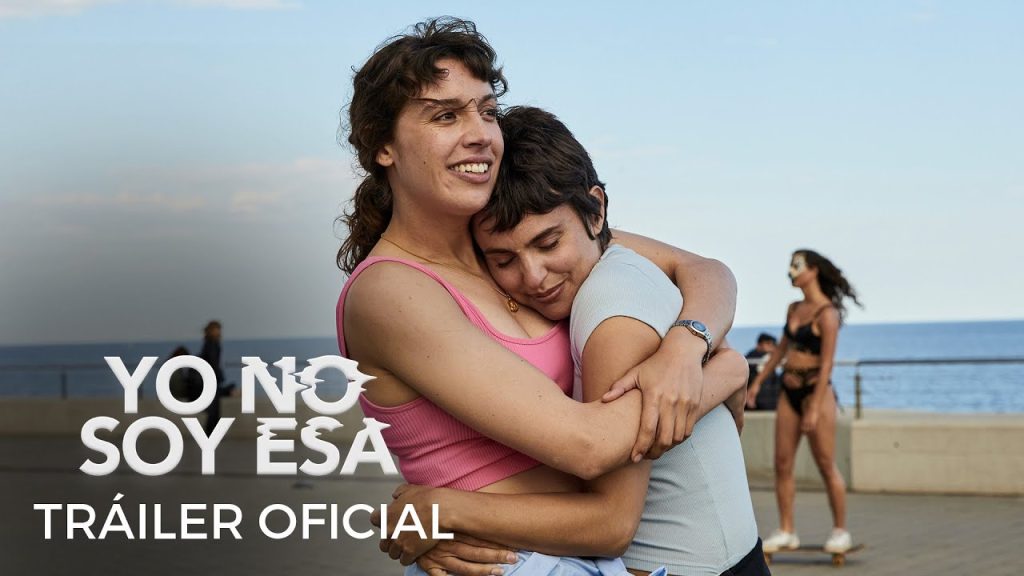
ES | 2024 | 95 min | Comedy / Romance
A Woman Wakes Up After 25 Years in a Coma and Discovers She Is Still a Teenager Inside
In Yo no soy esa (2024), Susana (Verónica Echegui) falls into a coma in 1999 and wakes up in 2024, discovering that 25 years have passed while her emotional development has remained frozen in adolescence. Although she now inhabits an adult body, she still thinks and feels like a teenager, struggling to reconnect with a society that has transformed during her absence. Directed by Maria Ripoll, the Spanish comedy explores the collision between teenage identity and adult expectations, using Susana’s unusual circumstances to examine growing up, adapting to change and rediscovering one’s place in the world.
➡️ Storyline: Teenage Life in 1999 → 25-Year Coma → Awakening in 2024 → Cultural Disorientation → Delayed Adulthood → Search for Identity.
Why to Watch Yo no soy esa: A Teenager from 1999 Confronts Adulthood in 2024
Yo no soy esa combines an unusual coming-of-age premise with generational comedy, following a woman whose physical age no longer matches her emotional maturity.
|
1. An Unusual Coming-of-Age Story |
Susana wakes after 25 years in a coma as an adult who still thinks and feels like a teenager. |
|
2. Verónica Echegui’s Leading Performance |
Echegui plays Susana, a woman confronting adulthood without the experiences that normally prepare someone for it. |
|
3. A Collision Between 1999 and 2024 |
The film contrasts the world Susana remembers with a society that has changed dramatically during her absence. |
|
4. A Different Perspective on Growing Up |
The story explores the gap between biological age, emotional development and the expectations associated with adulthood. |
|
5. A Spanish Comedy About Reinvention |
Maria Ripoll directs a 95-minute film combining generational differences, personal identity and romantic-comedy elements. |
➡️ Reason to Watch: A Spanish comedy about a woman who loses 25 years of her life and must learn to navigate adulthood in a world she no longer recognizes.
Why Yo no soy esa Stands Out: Adulthood Arrives Before Emotional Maturity
Yo no soy esa distinguishes itself through the contrast between Susana’s adult body and teenage mindset. Unlike conventional coming-of-age films, where emotional development accompanies the transition from adolescence to adulthood, Susana must confront both stages simultaneously. Her awakening in 2024 creates opportunities for humor through unfamiliar social expectations, changing cultural attitudes and the challenges of reconnecting with other people. The film’s distinctive premise turns a 25-year absence into a story about delayed personal development, questioning whether adulthood is defined by age or by the experiences that shape identity.
➡️ Why It Stands Out: A coming-of-age comedy that reverses the traditional growing-up process, placing a teenage mindset inside an adult life.
Movie Trend: Delayed Coming-of-Age Comedies — Growing Up Does Not Always Follow a Timeline
Delayed Coming-of-Age Comedies explore characters who confront emotional maturity and adult responsibilities later than expected. Yo no soy esa reflects this storytelling direction through Susana, whose psychological development has been interrupted for 25 years. Her return to consciousness places her in a situation where adult expectations collide with teenage emotions and limited life experience. The comedy emerges from this mismatch, while the broader story examines how identity develops through relationships, decisions and adaptation. By separating physical age from emotional growth, the film offers an unconventional perspective on adulthood as a process of learning rather than simply getting older.
➡️ Movie Trend Insight: Delayed coming-of-age comedies challenge conventional expectations about maturity, exploring how individuals discover adulthood through unexpected experiences.
Broad Trend: Self-Discovery / Identity — Finding Yourself in a World That Has Changed
Self-Discovery / Identity reflects the human desire to understand personal values, establish independence and develop a meaningful sense of self. In Yo no soy esa, Susana must confront the difference between the person she remembers being and the adult she is now expected to become. Her unfamiliarity with contemporary society creates challenges beyond cultural adaptation, requiring her to reconsider relationships, expectations and her own identity. The film connects this universal motivation with an extraordinary situation, illustrating how personal identity is shaped by lived experiences rather than biological age alone.
➡️ Broad Trend Insight: Self-discovery becomes particularly important when familiar identities no longer match present circumstances, encouraging adaptation, personal growth and reinvention.
Viewer Profile: Audiences Interested in Comedy, Nostalgia and Personal Reinvention
Yo no soy esa is likely to appeal to viewers interested in Spanish comedies, unconventional coming-of-age stories and generational culture clashes. Its 1999-to-2024 premise creates potential relevance for audiences nostalgic for the late 1990s, while its exploration of emotional maturity offers a recognizable theme beneath the comedy. These profiles are editorial audience hypotheses rather than measured demographic findings.
|
Comedy enthusiasts, Spanish cinema viewers and fans of female-led coming-of-age stories |
|
|
Potentially Millennials and Gen X, alongside younger adults interested in identity and personal development |
|
|
Interested in popular culture, relationships, nostalgia, comedy and contemporary social change |
|
|
Romantic comedies, fish-out-of-water stories, generational comedies and personal reinvention narratives |
|
|
Discovering how a teenager from 1999 adapts to adulthood in 2024 |
|
|
Spanish-language entertainment, unusual comedy premises and relatable stories about growing up |
|
|
Self-discovery, curiosity, independence, belonging and personal growth |
Key Profiles: Three Audiences, Three Reasons to Watch
1. Fans of Coming-of-Age and Personal Reinvention Comedies
Audience Description: Viewers interested in stories about emotional development, unexpected life changes and finding one’s identity. Susana’s unusual circumstances offer a humorous perspective on the challenges of becoming an adult.
2. Nostalgic Millennials and Gen X Viewers
Audience Description: Audiences familiar with the cultural differences between the late 1990s and contemporary society. The film’s 25-year time gap provides opportunities to recognize changes in attitudes, relationships and everyday life.
3. Spanish Comedy and Romantic-Comedy Audiences
Audience Description: Viewers interested in Spanish-language entertainment, female-led comedies and character-driven stories about adapting to unfamiliar circumstances. Verónica Echegui’s central role and Maria Ripoll’s direction provide recognizable points of interest.
➡️ Audience Insight: Yo no soy esa connects with audiences through the universal challenge of discovering who we are, using nostalgia, generational differences and comedy to explore personal reinvention.
What This Movie Means for the Industry: High-Concept Comedy Makes Personal Growth Accessible
Yo no soy esa illustrates how a simple but unusual premise can transform familiar coming-of-age themes into accessible comedy. By placing a teenager’s emotional perspective inside an adult woman’s life, the film creates a distinctive narrative framework for exploring identity, generational change and social expectations. Its contrast between 1999 and 2024 also introduces nostalgic appeal, potentially connecting with audiences who recognize the cultural changes of the past 25 years. For filmmakers, the creative opportunity lies in combining relatable emotional experiences with imaginative situations that make established genres feel different.
➡️ Industry Insight: High-concept comedies can refresh familiar themes by combining personal reinvention, cultural contrast and unconventional character situations.
Final Verdict: An Unusual Coming-of-Age Comedy with Mixed Audience Reception
Yo no soy esa (2024) offers an inventive premise about a woman confronting adulthood after losing 25 years of her life. Verónica Echegui leads a Spanish comedy that combines generational differences, emotional immaturity and the challenges of reconnecting with contemporary society. With an IMDb rating of 4.9/10 from approximately 400 users, the film has received mixed-to-negative audience responses, suggesting that its concept may be more appealing than its execution for some viewers. Nevertheless, its unusual approach to growing up and its contrast between 1999 and 2024 may interest audiences seeking lighthearted stories about identity and personal reinvention.
➡️ Final Verdict Insight: A high-concept Spanish comedy with a distinctive premise, offering a humorous perspective on delayed adulthood, cultural change and self-discovery despite mixed audience ratings.
Final Insights: Growing Older and Growing Up Are Not the Same
The Self-Discovery / Identity trend reflects the human need to understand ourselves and adapt when familiar circumstances change. Yo no soy esa explores this motivation through Susana, whose physical adulthood contrasts with her teenage emotional development. Her return to a transformed society highlights how identity depends on personal experiences, relationships and the ability to adapt to new circumstances.
The Delayed Coming-of-Age Comedies trend transforms this personal challenge into a humorous narrative about maturity and reinvention. By separating biological age from emotional development, the film questions conventional assumptions about when adulthood begins and how individuals learn to navigate it. Its broader creative opportunity is to explore universal experiences of growing up through imaginative premises that combine humor, nostalgia and personal transformation.
➡️ Final Insight: Self-Discovery / Identity → Delayed Coming-of-Age Comedies → Redefining Adulthood Through Personal Reinvention. Yo no soy esa explores how growing older does not automatically mean growing up. The film highlights the potential of unconventional comedies to make identity, emotional development and adaptation accessible through entertaining storytelling.