


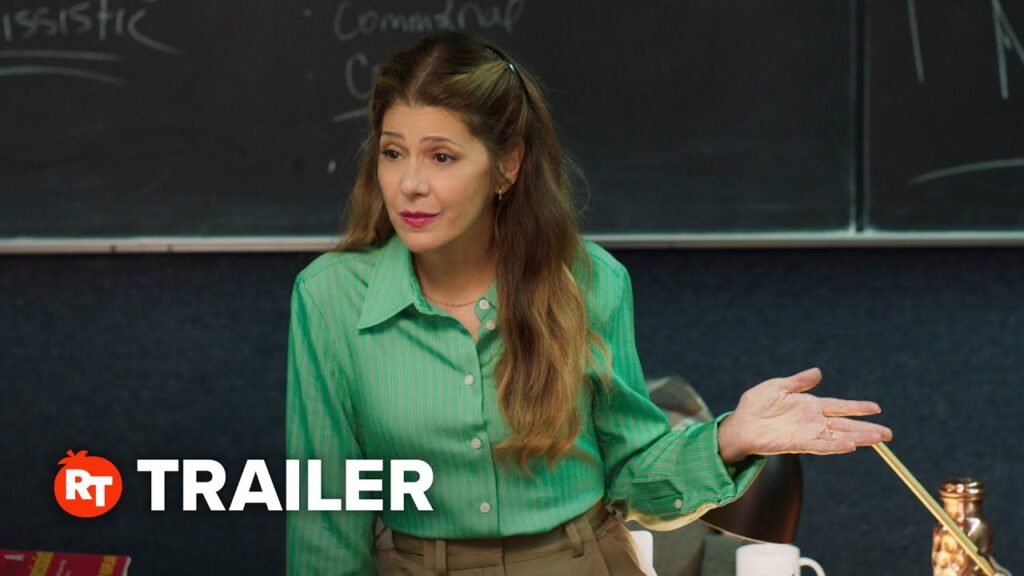
A comedic yet critical take on modern relationships shaped by psychological awareness and emotional paranoia
Love, control, and chaos collide before wedding vows
• Core premise: An outspoken psychologist travels to Los Angeles to stop her daughter’s wedding, convinced the groom is a narcissist
• Stakes + tone: The story blends romantic comedy with psychological tension, where humor is driven by suspicion, emotional interference, and escalating family conflict
The film builds its emotional setup around a mother-daughter relationship strained by control, fear, and conflicting perceptions of love. At its core lies a narrative tension between intuition and projection—raising the question of whether the threat is real or constructed. As the story unfolds, interpersonal dynamics become battlegrounds for validation, identity, and emotional authority. Symbolically, the wedding functions not just as a romantic milestone but as a test of autonomy, trust, and generational influence.
Why It Is Trending: Relationship psychology meets mainstream comedy in a culturally self-aware era
The film aligns with a cultural moment where psychological terminology—especially around narcissism—has entered everyday conversation. Audiences are increasingly aware of emotional red flags, toxic dynamics, and relationship patterns, making the premise immediately relatable. Its timing reflects a broader shift toward self-diagnosis culture fueled by social media and therapy discourse. From a market perspective, it taps into the growing popularity of “anti-rom-coms” that question traditional love narratives. The film also benefits from recognizable talent and a familiar comedic framework, making it accessible despite its thematic edge.
Elements Driving the Trend: The fusion of therapy culture and romantic comedy storytelling
The core appeal lies in its ability to merge humor with psychological insight, creating a narrative that feels both entertaining and reflective. The central hook—questioning whether a partner is a narcissist—creates immediate intrigue and relatability. Cast strength, particularly with Marisa Tomei and Sherry Cola, adds credibility and comedic energy. The film’s format remains accessible, using a traditional rom-com structure while subverting expectations through conflict-driven storytelling. This balance allows it to engage both mainstream audiences and those interested in deeper relational themes.
Virality of Movie (Social Media Coverage): High shareability driven by relatable relationship discourse
The concept of identifying narcissistic behavior has strong traction on social media platforms, making the film inherently shareable. Online discussions are likely centered around debating character behavior, red flags, and personal experiences
Its emotional trigger lies in familiarity—viewers projecting their own relationship experiences onto the narrative, driving engagement and conversation
Critics Reception: Mixed response balancing concept strength with execution challenges
Critical reception leans mixed, with some acknowledging the film’s understanding of narcissistic behavior while criticizing its repetitive execution. Publications like IndieWire and similar outlets highlight its conceptual relevance but note tonal inconsistencies
The film is seen as an interesting idea that struggles to fully translate into a consistently engaging cinematic experience
Awards and Recognitions: Limited recognition reflecting niche critical impact
There are no major IMDb-listed awards or festival wins highlighted, positioning the film more as a commercially oriented project rather than an awards contender
Its significance lies more in cultural conversation than formal recognition
Director and Cast: Performance-driven storytelling anchored by strong comedic presence
Ann Marie Allison approaches the film with a focus on dialogue-driven storytelling and character interaction. Her intent appears rooted in blending psychological themes with accessible humor. Marisa Tomei leads with a high-energy, polarizing performance that drives the film’s tone. Sherry Cola provides balance with a more grounded and comedic counterpoint. Supporting performances contribute to the ensemble dynamic, though the emotional tone varies across characters.
The film trends because: Insight-led summary of trend drivers
• Psychology-driven relationships are dominating cultural conversations, making the premise immediately relevant
• Industry opportunity lies in merging therapy culture with mainstream entertainment formats
• Audience alignment is strong due to shared experiences with modern dating dynamics
The industry is increasingly exploring relationship narratives through a psychological lens, blending entertainment with self-awareness
Conclusion: A culturally aligned film navigating the intersection of humor, psychology, and modern relationships
The film’s narrative strength lies in its relatable premise and timely thematic focus. Emotionally, it taps into widespread anxieties around trust, identity, and relationship validation. Culturally, it reflects a shift toward analyzing love through the lens of psychology. From an industry standpoint, it signals continued interest in redefining romantic storytelling for a more self-aware audience.
What Movie Trend Is Followed: The emergence of psychology-driven anti-rom-coms that deconstruct modern relationships
You’re Dating a Narcissist! follows the rising trend of psychology-driven anti-romantic comedies, where traditional love stories are questioned rather than idealized. Instead of celebrating romance, these films dissect emotional patterns, power dynamics, and behavioral red flags within relationships. The emotional framing shifts from fantasy to skepticism, reflecting a more cautious and self-aware approach to love. The format remains accessible through humor and familiar rom-com structures, making complex psychological themes digestible. This trend resonates because it mirrors how modern audiences analyze relationships through therapy-informed language and personal experience.
Trend Drivers: The rise of therapy culture and emotional literacy in mainstream storytelling
This trend is driven by the normalization of psychological awareness in everyday life. Audiences are more informed about concepts like narcissism, boundaries, and emotional manipulation. The industry is responding by integrating these ideas into mainstream genres like comedy and romance. There is a shift from escapist storytelling to reflective narratives that encourage self-analysis. This creates a hybrid genre where entertainment and introspection coexist.
What Is Influencing Trend: Social media psychology and relationship discourse
Platforms like TikTok and Instagram have amplified discussions around toxic relationships and mental health. A generational shift prioritizes emotional intelligence and self-protection in relationships. These factors influence storytelling by emphasizing awareness, skepticism, and behavioral analysis.
Macro Trends Influencing: Redefinition of romance and emotional independence
The film industry is moving away from idealized love stories toward more realistic and critical portrayals. Culturally, there is an emphasis on independence, self-worth, and emotional boundaries. Lifestyle changes, including delayed marriage and evolving relationship norms, support this shift.
Consumer Trends Influencing: Preference for relatable, experience-based storytelling
Audiences prefer stories that reflect real-life complexities rather than idealized narratives. Content consumption is driven by relatability and emotional truth. Engagement styles favor discussion, debate, and personal reflection around character behavior.
Audience Analysis: Emotionally aware, socially engaged viewers navigating modern relationships
The target audience typically falls within the 18–40 age range, particularly those active on social media and engaged in conversations about mental health and relationships. Their lifestyle includes consuming content that blends entertainment with insight. Behavior is shaped by a desire to understand and avoid toxic dynamics. Viewing habits include romantic comedies, relationship dramas, and psychology-driven content. They prefer narratives that validate their experiences while offering perspective.
Conclusion: A sustainable trend reshaping romantic storytelling through psychological realism
This trend works because it aligns with how audiences currently experience and interpret relationships. It is scalable across genres, blending comedy, drama, and psychological insight. Its sustainability is strong due to ongoing cultural emphasis on mental health and self-awareness. The industry is expected to continue evolving romantic narratives to reflect these shifts.
Final Verdict: A timely but uneven anti-rom-com reflecting the anxieties of psychology-driven dating culture
You’re Dating a Narcissist! positions itself within a culturally relevant space where relationships are no longer romanticized but analyzed, diagnosed, and often distrusted. It signals an industry shift toward narratives that challenge traditional romantic ideals through a psychological lens. The film holds strong identity relevance, particularly for audiences navigating modern dating complexities and emotional boundaries. However, its execution struggles to fully balance satire, comedy, and psychological commentary, limiting its overall impact. Long-term, it contributes more as a cultural reflection than as a defining cinematic milestone.
Audience Relevance: Emotional recognition shaped by shared relationship anxieties
The film connects with audiences who have experienced or fear toxic relationship dynamics, making its premise instantly relatable. Its focus on identifying narcissistic traits mirrors real-world conversations happening across digital platforms
It also resonates with viewers who approach relationships with skepticism and self-awareness. This expands its appeal among younger audiences navigating modern dating landscapes
What Is the Message of Movie: Awareness without clarity can become control
The film suggests that psychological awareness, while empowering, can also distort perception when driven by fear or projection. It explores how labeling behavior can sometimes overshadow genuine emotional connection
At its core, the message questions who defines truth in relationships. It highlights the tension between intuition and overanalysis in modern love
Relevance to Audience: Reflecting the shift from romance to emotional self-protection
Modern audiences increasingly prioritize emotional safety over romantic idealism. The film reflects this shift by presenting love as something to be analyzed rather than blindly trusted
This relevance is heightened by the normalization of therapy language in everyday conversations. It makes the film feel culturally immediate and recognizable
Social Relevance: Commentary on labeling culture and emotional diagnosis
The film engages with a society that frequently categorizes behavior using psychological terms. It reflects how labels like “narcissist” are used both as tools of understanding and weapons of judgment
By highlighting this dynamic, it raises questions about accountability, perception, and misuse of psychological language. This adds a layer of social critique beneath the comedic surface
Performance: Moderate reception with mixed critical and audience response
With an IMDb rating of approximately 5.6, the film reflects a divided audience response. While some viewers appreciate its premise and performances, others critique its repetitive structure and tonal inconsistency
There is no significant box office impact reported, positioning the film as a mid-tier release. Its reception leans toward mixed rather than strongly positive or negative
Legacy: A reflection of its era rather than a defining genre piece
The film’s legacy will likely be tied to its representation of therapy culture in early 2020s cinema. It captures a moment where psychological language became central to relationship narratives
However, its limited execution impact may prevent it from becoming a benchmark within the genre. Instead, it functions as part of a broader trend
Success: Measured through cultural relevance rather than critical acclaim
The film’s success lies in its ability to tap into a widely discussed cultural topic. It generates conversation around relationships, behavior, and emotional awareness
Despite limited awards or critical recognition, it succeeds in reflecting contemporary audience concerns. This positions it as culturally relevant even if not critically dominant
Insights: The film exposes how modern relationships are increasingly filtered through psychological frameworksIndustry Insight: The industry is actively integrating therapy culture into mainstream storytelling to reflect audience behavior. This creates hybrid genres that combine entertainment with introspection. It signals a shift toward emotionally analytical narrativesAudience Insight: Audiences are more self-aware and cautious in their approach to relationships. They seek content that validates their experiences and helps interpret behavior. This drives engagement with psychology-based narrativesSocial Insight: Society is increasingly reliant on labels to understand complex emotional dynamics. The film reflects both the utility and limitations of this approach. It highlights how language shapes perceptionCultural Insight: Culturally, the film aligns with a broader movement toward self-protection and emotional independence. It reflects a generation redefining love through boundaries and awareness. This positions it within evolving relationship narratives
Conclusion: A culturally relevant but imperfect reflection of modern relationship psychology
The film holds long-term relevance as a reflection of how relationships are interpreted in a psychology-driven era. From a system perspective, it contributes to the blending of mental health discourse with mainstream genres. Its market implication lies in the continued demand for self-aware, analysis-driven storytelling. Ultimately, it signals an industry direction where romance is no longer idealized but examined.
Summary of the Movie: A sharp, chaotic anti-rom-com exploring love, control, and the psychology of modern relationships
• Movie themes: Love vs control, narcissism, emotional perception — the film explores how modern relationships are shaped by psychological awareness, suspicion, and the need for validation
• Movie director: Ann Marie Allison approaches the film with a dialogue-driven, character-focused style that blends comedy with psychological tension. Her intent is to reinterpret the romantic comedy through a critical lens, questioning traditional ideas of love and compatibility
• Top casting: Marisa Tomei delivers a bold, high-energy performance that drives the film’s tone, while Sherry Cola provides comedic balance and grounding. Ciara Bravo adds emotional contrast, representing the younger generation navigating love with uncertainty
• Awards and recognition: No major IMDb-listed awards — the film’s positioning is more aligned with cultural conversation than festival or awards recognition
• Why to watch movie: It offers a relatable and timely take on modern dating anxieties, blending humor with psychological insight in a way that sparks reflection and discussion
• Key Success Factors: Positioned as an anti-rom-com, it stands out by integrating therapy culture and relationship psychology into a familiar, accessible format
• Where to watch: Released October 25, 2025 (United States); available through limited release channels with potential streaming distribution
Conclusion: A culturally reflective film that challenges romantic ideals through the lens of modern psychology
You’re Dating a Narcissist! is defined by its attempt to merge comedy with psychological realism, creating a narrative that feels both familiar and confrontational. The emotional takeaway lies in its exploration of trust, perception, and the complexity of defining healthy relationships. As a viewing experience, it offers moments of insight alongside uneven execution, reflecting the challenges of balancing satire and sincerity. Its lasting impression comes from its relevance to contemporary relationship discourse. Ultimately, it impacts audiences by encouraging them to question how they interpret and navigate love in a self-aware era.