
The Miami Backyard Mumblecore That Uses Who’s Afraid of Virginia Woolf as Its Blueprint — One Night, Five Friends, One Dead Mutual, and Every Secret That Was Keeping Them Together
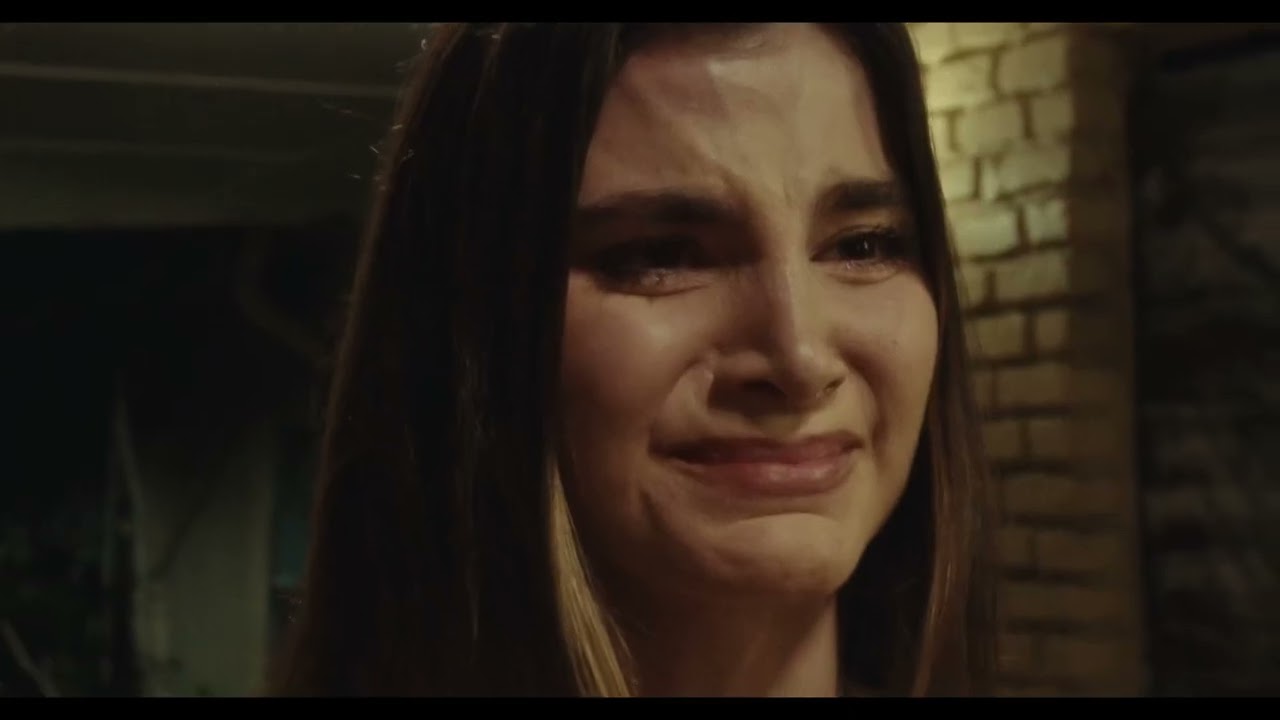
David died of an accidental overdose. Ivan, Bea, and Mari are back at Ivan’s place with $80 of a $400 headstone commitment and nowhere to get the rest. The only option is Eric — the group outlier who vanished eight years ago without a word — who has just arrived with his fiancée. What begins as a practical transaction becomes a night of escalating revelations, old wounds reopened, and the discovery of exactly why Eric left. Shot in a single exterior location — a Miami backyard — during the COVID lockdown. Mayo named Who’s Afraid of Virginia Woolf as his primary cinematic influence, and Larry Clark-Harmony Korine’s Kids as the film’s character origin. Long single takes, COVID-bubble rehearsals, and a cast that lived together during production give the dialogue its most formally specific quality. Written and directed by Gabriel Mayo — Peruvian-American, University of Miami film graduate, Berklee College of Music music production alumnus. World premiere Miami Film Festival 2025. Miami Film Festival Knight Made in MIA Feature Film Award nominee. US release April 6, 2025.
Why It Is Trending: Miami Film Festival World Premiere — Joe Swanberg Comparison — Film Fugitives Called It a 5-Star Debut — The Who’s Afraid of Virginia Woolf Blueprint Made Micro-Budget
Cinemacy positioned it squarely: “Mayo embodies the spirit of a Joe Swanberg picture in his debut feature.” Film Fugitives gave it 5 stars and called it the best film they’d seen in 2025 at time of writing — a micro-budget single-location drama that “maintains nerve-wracking energy for a whole hour, with three main revelations that make you question your morals and ethics.” Film Focus Online called it “cathartic and chaotic.” GhMovieFreak noted the film’s most formally distinctive quality: David — the dead friend who never appears on screen — “leaves such a lasting impression through the other characters that you almost feel like you knew him whilst alive.”
Elements Driving the Trend: The COVID-Bubble Rehearsal Method, the Long Single Takes, and the Character Who Never Appears
-
The COVID lockdown bubble gave the cast an unusual rehearsal period — living and rehearsing together before shooting — giving the group dynamic the lived-in familiarity that the single-night format requires to be credible.
-
The long single takes — some scenes shot as extended unbroken sequences — give the dialogue its most formally specific documentary authenticity: arguments that don’t cut away from the discomfort.
-
The fly-on-the-wall documentary style alternating with traditional filming gives the viewer the specific discomfort of “feeling privy to conversations I shouldn’t and felt like the awkward person in the room.”
-
David — dead before the film begins, never seen — is built entirely through other characters’ contradictory recollections, giving the film a structurally absent protagonist whose presence is more formally consequential than any character who appears.
Virality: The Miami Film Festival Knight Made in MIA Nomination and the Micro-Budget One-Location Calling Card Circuit
-
The Miami Film Festival’s Knight Made in MIA award specifically honours Miami-made films — positioning the film within the local film community’s most institutionally specific recognition framework.
-
Film Fugitives’ 5-star review and Film Threat’s extended interview coverage give the film a critical advocacy beyond the festival circuit’s immediate audience.
Critics Reception: Strongly Positive — the Dialogue and the Cast the Unanimous Strengths
-
Film Fugitives (5 stars): “nerve-wracking that after the 30-minute mark I was constantly wondering if the meeting was going to end with those 5 characters brutally murdering each other; Mayo goes for the jugular; the editing is practically invisible, which is the highest compliment.”
-
Film Focus Online: “cathartic and chaotic — beneath its indie grit lies a surprisingly tender meditation on memory, missteps, and the fragile scaffolding of friendship; there’s an easy chemistry between the whole cast that sells the history of the group.”
-
GhMovieFreak: “doesn’t just tell a story — it forcibly opens old wounds many of us have quietly been carrying in our friendship circles; the writing is so well done that through the other characters, you almost feel like you knew who David was whilst alive.”
-
Film Threat: “part Breakfast Club, part Big Chill — a raw, intimate reckoning with the ghosts of friendships past; all you need is one location, a few friends, and the guts to tell the truth.”
-
Cinemacy: “a tense and eccentric story as deeply held secrets reveal themselves — never a dull moment.”
Awards and Recognitions: Miami Film Festival 2025 Knight Made in MIA Feature Film Award Nominee
Director and Cast: A Peruvian-American Miami Filmmaker Making His Feature Debut With Who’s Afraid of Virginia Woolf as Blueprint and a COVID Lockdown as Production Infrastructure
-
Gabriel Mayo — born Lima, Peru; University of Miami Film and Creative Writing; Berklee College of Music — brings a music-trained ear for rhythm and timing to a dialogue-driven debut whose formal influences span Mike Nichols, Joe Swanberg, and Larry Clark.
-
Mia Challis (Bea) — the film’s unanimous performance consensus alongside Rae; Film Fugitives identified her and Rae specifically for the complexity of emotion they access in the film’s most demanding sequences.
-
Eric Hawrylciw (Ivan) — the reluctant host whose resentment and vulnerability give the group’s centre its most emotionally contradictory register.
-
David Hamzik (Eric) — the returned prodigal whose eight-year absence is the film’s structural engine; GhMovieFreak noted his specific capacity to convey “the discomfort of someone trying to escape their past.”
-
Brittney Rae (Mari) — confirmed alongside Challis as the film’s most formally demanding performance.
-
Savanah Joeckel (Ally) — Eric’s fiancée; the outsider whose presence amplifies the group’s internal dynamics.
-
Kevin Berriz (cinematographer) — whose “really simple but extremely effective” work, particularly in the film’s final moments, is the film’s most praised technical contribution.
Conclusion: A Micro-Budget Miami Feature Debut That Earns Its Who’s Afraid of Virginia Woolf Lineage — and Confirms Mayo as a Formally Rigorous Dialogue-Driven Filmmaker Worth Following
The COVID-bubble production method gave the film an ensemble chemistry that money cannot manufacture. The long single takes and the fly-on-the-wall style give the arguments their most formally uncomfortable authenticity. The Miami Film Festival nomination confirms local institutional recognition. The Film Fugitives 5-star review confirms the critical community’s most enthusiastic individual assessment.
What Movie Trend Is Followed: The American Mumblecore One-Location Post-Funeral Chamber Drama — Who’s Afraid of Virginia Woolf Through a Joe Swanberg Lens in a Miami Backyard
A Weird Kind of Beautiful belongs to the American mumblecore and micro-budget chamber drama tradition — Joe Swanberg’s naturalistic ensemble conflict, the John Cassavetes improvisation-adjacent dialogue method, the Linklater single-night time compression — but grounds its character origin in Larry Clark’s Miami-adjacent world of directionless twenty-somethings whose stunted growth is rendered without judgment. The most commercially legible comparison coordinates are Breakfast Club and The Big Chill — the post-funeral gathering as the mechanism that forces adult reckonings with adolescent wounds.
Trend Drivers: The Single Exterior Location, the Three-Revelation Structure, and the Dead Friend as the Film’s Structural Protagonist
-
The single exterior location — a Miami backyard — is both a COVID logistical solution and the film’s most formally precise spatial argument: the characters cannot leave because the night’s unfinished business is more confining than any locked room.
-
The three-revelation structure — building across the night without losing the audience’s trust in the authenticity of the confrontations — is Film Fugitives’ most specifically identified formal achievement: “the key to making a single-location drama that hinges on three main revelations is the characters’ reactions to those revelations.”
-
David’s absence as the film’s structural centre gives it a formally distinctive quality within the post-funeral gathering tradition — the deceased is more present in the dialogue than any living character, and more morally complicated.
What Is Influencing Trend: Miami’s Independent Film Community and the COVID-Era One-Location Feature
-
The Miami Film Festival’s Knight Made in MIA award is the most institutionally specific available recognition for Miami-made independent cinema — confirming A Weird Kind of Beautiful’s position as one of the Miami independent film community’s most formally accomplished 2025 entries.
-
The COVID-era one-location feature has established itself as a commercially viable and formally distinctive micro-budget genre — the production constraint producing formal qualities (long takes, ensemble chemistry, dialogue authenticity) that larger-budget productions cannot replicate.
-
Mayo’s Players’ Tribune and web series background gives the film a pre-established digital media audience that provides a discovery pathway beyond the festival circuit.
Macro Trends Influencing: The Post-COVID Friendship Reckoning and the Mumblecore Revival
-
The post-COVID generation’s reckoning with the friendships that survived, evolved, or collapsed during the pandemic years gives the film’s themes an immediate personal resonance for its core audience.
-
The mumblecore revival — driven by the streaming era’s appetite for low-budget, character-driven ensemble drama — gives A Weird Kind of Beautiful a genre community that treats the Joe Swanberg comparison as a quality signal.
-
The accidental overdose as the friend group’s inciting event gives the film a specific social urgency — connecting the personal grief drama to a public health context that gives the story its most immediately recognisable contemporary framing.
Consumer Trends Influencing: The Festival Circuit Discovery Community and the Indie Drama Streaming Audience
-
The Miami Film Festival nomination gives the film its most direct access to the South Florida film community’s most engaged discovery audience.
-
The Film Threat, Film Fugitives, and Film Focus Online coverage gives the film a critical advocacy network that functions as the most reliable discovery mechanism for micro-budget American independent drama.
-
The single-night structure and 80-minute runtime make the film an ideal streaming discovery choice — accessible in a single sitting with no commitment beyond the initial engagement.
Audience Analysis: American Mumblecore Audiences, Festival Circuit Drama Followers, and the Miami Independent Film Community
The core audience is 22–40 — American mumblecore and micro-budget drama audiences who follow the Joe Swanberg lineage, festival circuit drama followers who encounter the film through Miami Film Festival coverage, and the Miami independent film community for whom the Knight Made in MIA nomination carries specific local cultural significance.
Conclusion: A Micro-Budget American Chamber Drama That Earned Its Critical Advocacy Through Dialogue Authenticity and Ensemble Chemistry — Confirming Mayo as a Formally Rigorous Debut Voice
The COVID-bubble production method, the long single takes, and the three-revelation structure give A Weird Kind of Beautiful the formal qualities that distinguish the best low-budget one-location dramas from the merely economical. The ensemble’s chemistry is the film’s most commercially durable quality.
Final Verdict: A Formally Confident American Feature Debut That Earns Its Who’s Afraid of Virginia Woolf Lineage — Built on Ensemble Chemistry, Authentic Dialogue, and the Specific Courage to Let the Revelations Land Without Softening Them
Mayo delivers a debut of genuine formal discipline — the single exterior location, the long takes, the COVID-bubble chemistry, and the three-revelation structure are all precisely calibrated to produce the specific discomfort of being present at a confrontation you cannot leave. The invisible editing, the documentary-style cinematography, and the dialogue’s authenticity give the film the formal qualities that its most enthusiastic reviewers struggled to name individually because they work collectively rather than separately. The Miami backyard is the film’s most formally specific production asset — a space that is neither interior nor exterior, neither private nor public, and therefore the most formally honest available setting for conversations that should have happened years ago.
Audience Relevance: For American Mumblecore Audiences and Independent Drama Followers Who Respond to Dialogue-Driven Ensemble Confrontation
Works best for viewers who respond to the Joe Swanberg naturalistic ensemble register — who can sit with the discomfort of extended confrontations and trust that the revelations will be worth the accumulation. The 80-minute runtime is the film’s most viewer-friendly single formal quality.
What Is the Message of Movie: The Friendships That Shape You Are Also the Ones Most Capable of Destroying You — and the People Who Know Exactly How to Hurt You Are the Ones Who Loved You Most
GhMovieFreak’s most precise formulation: the film “forcibly opens old wounds that many of us have quietly been carrying in our friendship circles — rekindling the need to fix some situations and burn some bridges if need be.”
Relevance to Audience: A Film That Gives the Post-Funeral Gathering Drama Its Most Formally Specific and Most Emotionally Honest Miami Setting
The backyard’s specific Miami geography — the humidity, the specific light, the outdoor setting that makes the containment feel chosen rather than imposed — gives the film a cultural specificity that the mumblecore tradition rarely achieves through its setting alone.
Social Relevance: The Accidental Overdose as the Friend Group’s Inciting Event — and the Specific Grief of a Death That Could Have Been Prevented
David’s accidental overdose gives the film its most socially specific and most contemporarily urgent framing — the friend group’s $320 headstone fundraising is the most precise available measure of how little the system protects the people these characters were.
Performance: Challis and Rae Are the Film’s Most Formally Complex Performances — Hawrylciw and Hamzik Its Most Structurally Essential
Film Fugitives’ assessment is the most precise: the cast range is not visible in the first 30 minutes, but “as soon as all bets are off and they have to slip and slide through some of the most complex human emotions, none of them hold back.”
Legacy: A Feature Debut That Announced Gabriel Mayo as a Dialogue-Driven Filmmaker of Formal Rigor — and Confirmed That the COVID One-Location Feature Produced Some of American Independent Cinema’s Most Formally Specific Work
A Weird Kind of Beautiful will be remembered as the Miami debut that made the most of the constraints it was given — and as the film that confirmed Mayo’s formal identity as a filmmaker whose most productive creative resource is a locked-in ensemble with nowhere to go and everything to say.
Success: Miami Film Festival Knight Made in MIA Nominee — US Release April 6, 2025
A Weird Kind of Beautiful proves that the most formally honest post-funeral dramas are the ones that refuse to let grief be the reason everyone is really there — and that Mayo understood this well enough to build a film where David’s absence is more present than anyone who showed up.
Insights: A micro-budget Miami feature debut of genuine formal discipline — the COVID-bubble rehearsal method, the long single takes, and the three-revelation structure give the film the ensemble authenticity that larger productions cannot manufacture. Industry Insight: The Miami Film Festival’s Knight Made in MIA nomination confirms the film’s position within the local independent cinema community’s most institutionally specific recognition framework — and positions Mayo within a Miami independent film scene whose formal identity is increasingly distinct from both New York and Los Angeles mumblecore traditions. Audience Insight: The Joe Swanberg comparison is the film’s most commercially efficient discovery shorthand — activating the mumblecore genre community that treats naturalistic ensemble confrontation drama as a specific and valued cinematic category rather than an aesthetic limitation. Social Insight: A film whose inciting event is an accidental overdose and whose characters can only scrape together $80 of a $400 headstone is making the most formally specific available observation about how American twenty-somethings process the deaths that the system had no mechanism to prevent. Cultural Insight: A Weird Kind of Beautiful positions Mayo as the Peruvian-American Miami filmmaker most formally equipped to bring the Who’s Afraid of Virginia Woolf one-location confrontation tradition into the mumblecore register — confirming that the COVID production constraint produced not a limitation but the film’s most formally distinctive quality.
Conclusion: A Feature Debut of Formal Confidence That Earned Its Critical Advocacy Through the Authenticity of Its Ensemble and the Precision of Its Dialogue — Confirming Mayo as a Voice Whose Next Film Will Be Among American Independent Drama’s Most Closely Watched
A Weird Kind of Beautiful earns its place in the American micro-budget chamber drama tradition through the qualities that distinguish the most rigorous one-location features from the merely economical — ensemble chemistry that money cannot manufacture, dialogue that refuses to simplify its characters’ worst impulses, and a filmmaker who understood that the constraints of COVID production were not obstacles but the formal conditions his debut required. Mayo’s second film, arriving with this debut’s critical advocacy confirmed, will be the definitive test of whether the formal rigor extends beyond the one-location format.
Summary: One Backyard, One Dead Friend, One Missing $320, and the Eight Years of Secrets That Explain Why Eric Left
-
Movie themes: The post-funeral gathering as the mechanism that forces adult reckonings with adolescent wounds, the absent friend as the most structurally present character in the film, the specific grief of a preventable death, adult friendship as the relationship most capable of both sustaining and destroying the people it formed, and the argument that the people who know exactly how to hurt you are the ones who loved you most.
-
Movie director: Gabriel Mayo — born Lima, Peru; University of Miami; Berklee College of Music — makes a feature debut of genuine formal discipline: the Who’s Afraid of Virginia Woolf blueprint, the Joe Swanberg naturalistic ensemble method, and the COVID-bubble production infrastructure give the film its most formally specific qualities simultaneously.
-
Top casting: Challis and Rae are the film’s most formally demanding performances — the range only visible after the 30-minute mark, but fully committed once the revelations begin. Hawrylciw’s Ivan is the structural centre. Hamzik’s Eric is the engine. Berriz’s cinematography is the film’s most praised technical contribution.
-
Awards and recognition: Miami Film Festival 2025 Knight Made in MIA Feature Film Award nominee. World premiere Miami Film Festival 2025. US release April 6, 2025.
-
Why to watch: The micro-budget Miami feature debut that earns its Who’s Afraid of Virginia Woolf lineage through a COVID-bubble ensemble, long single takes, and three revelations that Film Fugitives called the most nerve-wracking 80 minutes of 2025 — built around a dead friend who never appears on screen but whose absence is the film’s most present formal element.
-
Key success factors: COVID-bubble rehearsal chemistry plus long single-take documentary authenticity plus the three-revelation structure plus Mayo’s dialogue precision plus Berriz’s invisible cinematography plus the Miami Film Festival institutional validation plus Film Fugitives’ 5-star advocacy.
-
Where to watch: Festival circuit. Check the official website at marissagoldman.com for screening information. Check JustWatch for streaming availability.
Conclusion: A Formally Rigorous Miami Debut That Confirms Mayo’s Voice and Confirms That the COVID One-Location Feature Produced Some of American Independent Cinema’s Most Disciplined and Most Emotionally Honest Work
The backyard contains the argument. The long takes sustain the discomfort. The absent David is more present than anyone who showed up. Mayo’s debut earns its critical advocacy through the qualities that distinguish formal rigor from budgetary limitation — and positions him as a dialogue-driven filmmaker whose second film, arriving with this formal identity confirmed, will be among American independent drama’s most anticipated.





Leave a Reply