
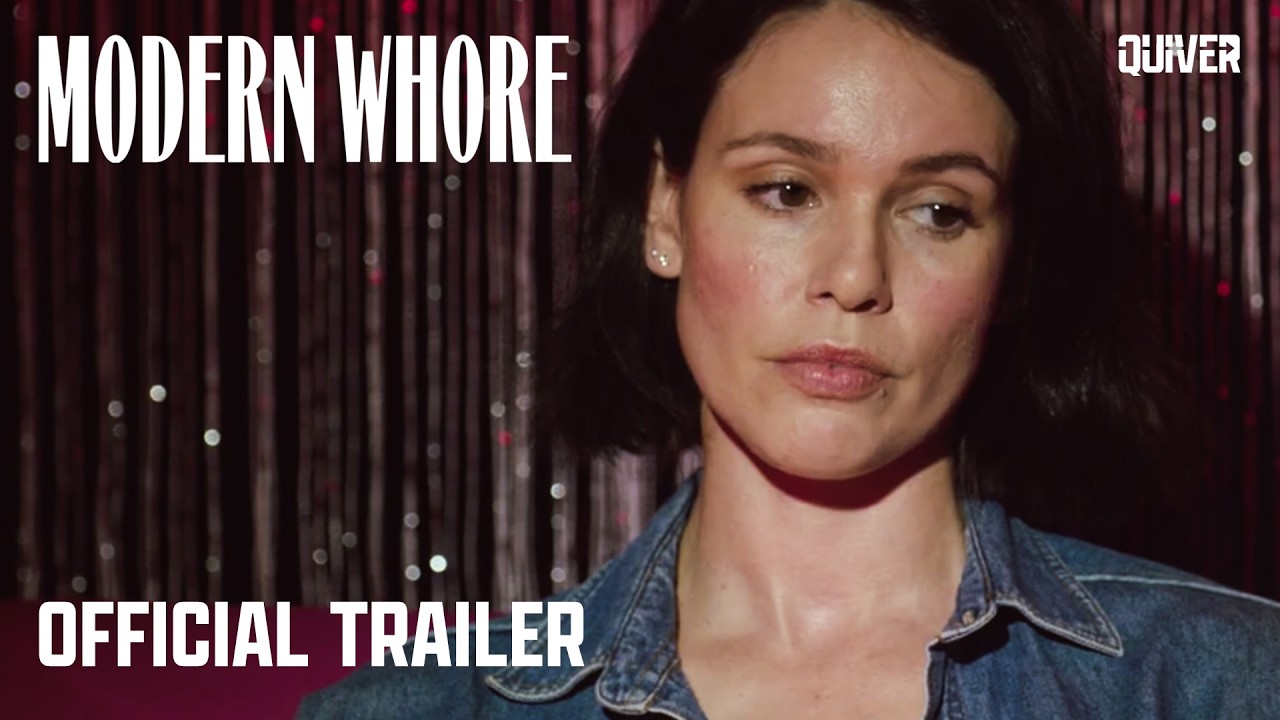
A bold, self-performed documentary redefining sex work through identity, agency, and lived experience
A woman performs every version of herself
• A performer reenacts her own journey through escorting, stripping, and digital sex work, presenting multiple identities shaped by labor, survival, and self-perception
• What unfolds is not just a personal story but a layered exploration of power, stigma, and control, where the subject reclaims authorship over her narrative
• The emotional setup is rooted in self-examination, where vulnerability and control coexist
• Narrative tension emerges from the contrast between societal perception and personal truth
• The shifting personas create a fragmented yet cohesive identity, reflecting the complexity of lived experience
• Symbolically, performance becomes both a shield and a mirror, revealing and protecting at the same time
The film expands beyond a traditional documentary format by blurring the line between performance and reality, allowing the subject to actively shape how her story is told. Instead of presenting sex work through an external lens, it places control firmly in the hands of the individual, challenging long-standing narratives of victimhood or exploitation. The use of reenactment and multiple identities creates a layered structure where truth is not singular but constructed through experience, memory, and self-representation. By embracing both the emotional and transactional dimensions of sex work, the film exposes the contradictions within societal attitudes toward labor, gender, and autonomy. This approach transforms the narrative into both a personal confession and a broader cultural critique, positioning the subject not as an object of observation but as an active narrator redefining her own identity.
Why It Is Trending: Sex work narratives shift toward agency, ownership, and first-person storytelling
The film gains relevance in a cultural moment where conversations around sex work are evolving from stigma to agency and labor rights. Audiences are increasingly interested in stories told directly by individuals within these industries rather than external interpretations. The rise of platforms like OnlyFans has normalized discussions around digital intimacy and monetized identity, making the film’s themes highly contemporary. Its hybrid documentary style aligns with current trends in experimental nonfiction storytelling. Festival platforms such as TIFF further amplify its visibility within socially conscious cinema. This positioning strengthens both its cultural significance and market relevance.
Elements Driving the Trend: First-person narrative and identity-driven storytelling as core appeal
The film’s core appeal lies in its self-performed structure, where the subject actively shapes her own narrative. Its narrative hook is built around the idea of identity as something fluid and performative. The involvement of the real-life subject adds authenticity and emotional depth. The hybrid format blends documentary with performative reenactment, increasing its artistic appeal. Its accessible runtime and provocative theme make it engaging for both niche and broader audiences. This combination of authenticity and experimentation drives its relevance.
Virality of Movie (Social Media Coverage): Provocative subject matter and discourse-driven engagement
The film’s theme naturally sparks debate around sex work, gender, and societal perception, making it highly shareable. Its unapologetic tone and personal storytelling generate strong emotional and intellectual reactions across social platforms.
Critics Reception: Positioned as a bold, conversation-starting documentary within festival circuits
Early critical response highlights the film’s willingness to challenge traditional narratives around sex work. Publications such as Screen Daily and IndieWire have increasingly spotlighted similar documentaries that center first-person perspectives, suggesting strong alignment with current critical interests.
Awards and Recognitions: Festival recognition reinforcing its cultural and thematic impact
According to IMDb, the film has received 2 wins and 2 nominations, reflecting early recognition within festival circuits. This positioning highlights its relevance as a socially driven documentary and strengthens its credibility within the indie film landscape.
Director and Cast: Self-authored storytelling supported by controlled direction and layered performance
Nicole Bazuin directs with a focus on blending realism and performance, allowing the narrative to feel both intimate and constructed. Andrea Werhun anchors the film with a multifaceted performance, embodying different versions of herself across time and identity. Her portrayal moves between vulnerability, control, and reflection, creating emotional depth. Supporting cast members contribute to the environment rather than dominate the narrative, reinforcing its personal focus. The overall tone remains introspective, provocative, and grounded in lived experience.
The film trends because: Cultural narratives shifting toward agency-driven storytelling
• Sex work narratives evolving into self-authored, identity-driven perspectives
• Strong alignment with documentary experimentation and festival storytelling trends
• Clear audience engagement through provocative, discussion-driven themes
The industry is increasingly supporting narratives that allow subjects to reclaim and redefine their own stories.
Conclusion: A provocative and introspective film redefining identity, labor, and narrative ownership
The film’s narrative strength lies in its ability to merge personal storytelling with broader cultural commentary. Its emotional positioning balances vulnerability with control and agency. Culturally, it reflects shifting attitudes toward sex work and identity. From an industry perspective, it represents the growing importance of first-person, experience-driven documentary filmmaking.
What Movie Trend Is Followed: The rise of self-authored identity documentaries where subjects reclaim narrative control
Modern Whore follows the emerging trend of self-authored identity documentaries, where the subject is not observed but becomes the storyteller, performer, and interpreter of their own experience. This trend moves away from traditional documentary objectivity and toward subjective truth, where identity is presented as fluid and constructed. Emotionally, these films are framed around ownership, vulnerability, and self-definition rather than victimhood. The format is highly accessible because it blends performance, storytelling, and real-life experience. It resonates because audiences are increasingly drawn to authenticity and firsthand perspectives that challenge dominant narratives.
Trend Drivers: Shift from observation to participation in documentary storytelling
This trend exists because audiences no longer trust purely external perspectives on complex social topics. The industry has shifted toward giving subjects agency in how their stories are told. There is growing demand for narratives that feel lived-in rather than interpreted. Filmmakers are experimenting with hybrid formats that merge documentary with performance and reenactment. This allows for deeper emotional engagement and narrative control.
What Is Influencing Trend: Digital identity and performative self-expression
Social media and digital platforms have normalized the idea of curating and performing identity. A generational shift embraces fluidity, where identity is constantly shaped and reshaped. Emotionally, this creates a desire to explore authenticity versus performance, which these films directly address.
Macro Trends Influencing: Democratization of storytelling and creator-led narratives
The film industry is increasingly influenced by creator-led content, where individuals control their own narratives. There is a broader cultural shift toward amplifying marginalized voices and lived experiences. Lifestyle changes, including digital self-representation, reinforce this movement.
Consumer Trends Influencing: Demand for authenticity and personal storytelling
Audiences prefer content that feels real, unfiltered, and emotionally honest. Expectations now include transparency, vulnerability, and perspective. Engagement styles favor stories that challenge assumptions and provoke discussion.
Audience Analysis: Socially progressive, culturally engaged viewers seeking perspective-driven content
The primary audience falls within the 20–45 age range, particularly individuals interested in social issues, identity, and cultural discourse. Their lifestyle often includes engagement with digital platforms, independent cinema, and progressive narratives. Behavior leans toward critical thinking and openness to alternative perspectives. Viewing habits include documentaries, festival films, and hybrid storytelling formats. They prefer narratives that explore identity, labor, and personal agency.
Conclusion: A scalable and culturally relevant trend rooted in authenticity and narrative ownership
This trend works because it gives subjects control over their own stories. It is scalable across global markets due to its universal focus on identity and experience. Its sustainability is strong, driven by ongoing cultural shifts toward authenticity. The industry is expected to continue investing in self-authored, perspective-driven storytelling.
Final Verdict: A provocative, self-authored documentary that reframes sex work through agency, performance, and narrative control
Modern Whore positions itself as a bold intervention in how sex work is represented on screen, shifting the lens from external judgment to internal authorship. It signals an industry move toward documentaries that are not just observational but participatory and self-defined. The film holds strong identity relevance, particularly in conversations around gender, labor, and autonomy. Its hybrid structure enhances its cultural positioning, allowing performance to become a tool of truth rather than distortion. Long-term, it contributes to a growing body of work redefining who gets to tell stories and how those stories are framed.
Audience Relevance: Emotional connection through honesty, contradiction, and self-expression
The film resonates with audiences who are interested in identity, autonomy, and non-traditional life paths. Its openness and refusal to simplify experience create a sense of authenticity that feels both personal and universal
It also connects with viewers engaged in conversations around gender politics and labor rights. This expands its relevance beyond niche documentary audiences into broader cultural discourse
What Is the Message of Movie: Identity is not fixed, it is performed, negotiated, and reclaimed
The film suggests that identity is constructed through experience, choice, and external perception rather than being inherently fixed. It challenges the idea that sex work must be framed through trauma or victimhood
At its core, the message is about reclaiming narrative power. It emphasizes the importance of self-definition in spaces where identity is often imposed by others
Relevance to Audience: Why it resonates in a culture of visibility and self-definition
Modern audiences are increasingly navigating identity in public and digital spaces where performance and authenticity intersect. The film reflects this dynamic through its exploration of self-presentation
It resonates because it aligns with contemporary conversations around ownership of narrative and personal agency. This makes the film feel timely and culturally embedded
Social Relevance: Breaking stigma and redefining labor narratives
The film challenges societal assumptions about sex work by presenting it as labor rather than moral identity. It exposes how stigma is constructed and maintained through cultural narratives
By centering the voice of the worker, it shifts the conversation toward autonomy and lived experience. This creates a more nuanced and humanized perspective
Performance: Niche success driven by festival recognition and critical engagement
With an IMDb rating of approximately 6.7, the film reflects moderate audience reception within its niche. Its performance is driven more by festival circuits and critical discussion than mainstream box office reach
Its success is tied to cultural conversation and visibility rather than commercial scale. The reception leans toward engagement within documentary and indie film communities
Legacy: A contribution to self-authored documentary and identity-driven cinema
The film contributes to a broader movement redefining documentary storytelling through subject participation. It reflects a shift toward narratives that prioritize voice, perspective, and lived experience
Over time, it may be recognized as part of a cultural shift in how sex work and identity are represented. Its legacy lies in its willingness to challenge and reframe
Success: Defined by cultural impact, discourse, and narrative innovation
The success of the film is measured by its ability to provoke discussion and challenge existing narratives. Its festival recognition and critical engagement reinforce its cultural relevance
Rather than relying on scale, it succeeds through its authenticity and thematic depth. This aligns with expectations for independent documentary filmmaking
Insights: The film highlights how identity becomes a space of negotiation rather than definitionIndustry Insight: The industry is increasingly supporting documentaries that blur the line between subject and storyteller. These projects allow for deeper authenticity and narrative control. This reflects a broader shift toward participatory storytellingAudience Insight: Audiences are seeking stories that feel honest, complex, and unfiltered. They respond to narratives that challenge assumptions and offer new perspectives. This creates stronger emotional and intellectual engagementSocial Insight: The normalization of discussions around sex work reflects changing societal attitudes. The film captures this shift by presenting labor without moral framing. This highlights evolving social narrativesCultural Insight: Culturally, the film aligns with movements focused on autonomy, representation, and voice. It reflects a generation redefining identity on its own terms. This positions it within a larger conversation about self-definition
Conclusion: A culturally relevant film redefining narrative ownership and identity representation
The film holds long-term relevance through its focus on authenticity and self-representation. From a system perspective, it challenges traditional documentary structures and power dynamics. Its market implication lies in the growing demand for perspective-driven storytelling. Ultimately, it signals an industry direction where voice and agency define narrative impact.
Summary of the Movie: A fearless, self-authored journey redefining identity, labor, and truth in the modern gaze
• Movie themes: Identity, labor, autonomy, and stigma — the film explores how sex work intersects with self-perception, societal judgment, and the reclaiming of personal narrative
• Movie director: Nicole Bazuin approaches the subject with a hybrid documentary style that blends performance and reality, allowing the protagonist to actively shape her own story. Her intent is to dismantle traditional narratives around sex work while creating a visually and emotionally immersive experience
• Top casting: Andrea Werhun anchors the film with a layered, self-reflective performance, portraying multiple versions of herself across different roles. Supporting appearances add texture, but the film’s emotional weight rests on her ability to navigate vulnerability and control
• Awards and recognition: 2 wins & 2 nominations — the film has gained recognition on the festival circuit, reinforcing its credibility as a culturally relevant and discussion-driven documentary
• Why to watch movie: It offers a rare, unfiltered perspective on sex work told directly by someone within the industry, making it both provocative and deeply human
• Key Success Factors: Positioned alongside identity-driven documentaries, it stands out through its self-authored narrative and performative storytelling approach
• Where to watch: Released January 3, 2026 (United States); currently positioned within festival and limited distribution circuits with potential for streaming rollout
Conclusion: A bold exploration of identity, performance, and societal perception through a deeply personal lens
Modern Whore is defined by its refusal to conform to traditional documentary frameworks, instead offering a self-constructed narrative that feels both intimate and confrontational. The emotional takeaway lies in its exploration of autonomy and the complexity of identity beyond societal labels. As a viewing experience, it challenges assumptions while inviting empathy and reflection. Its lasting impression comes from its honesty and willingness to disrupt established narratives. Ultimately, it impacts audiences by reframing how stories about labor, identity, and selfhood are told and understood.






Leave a Reply