
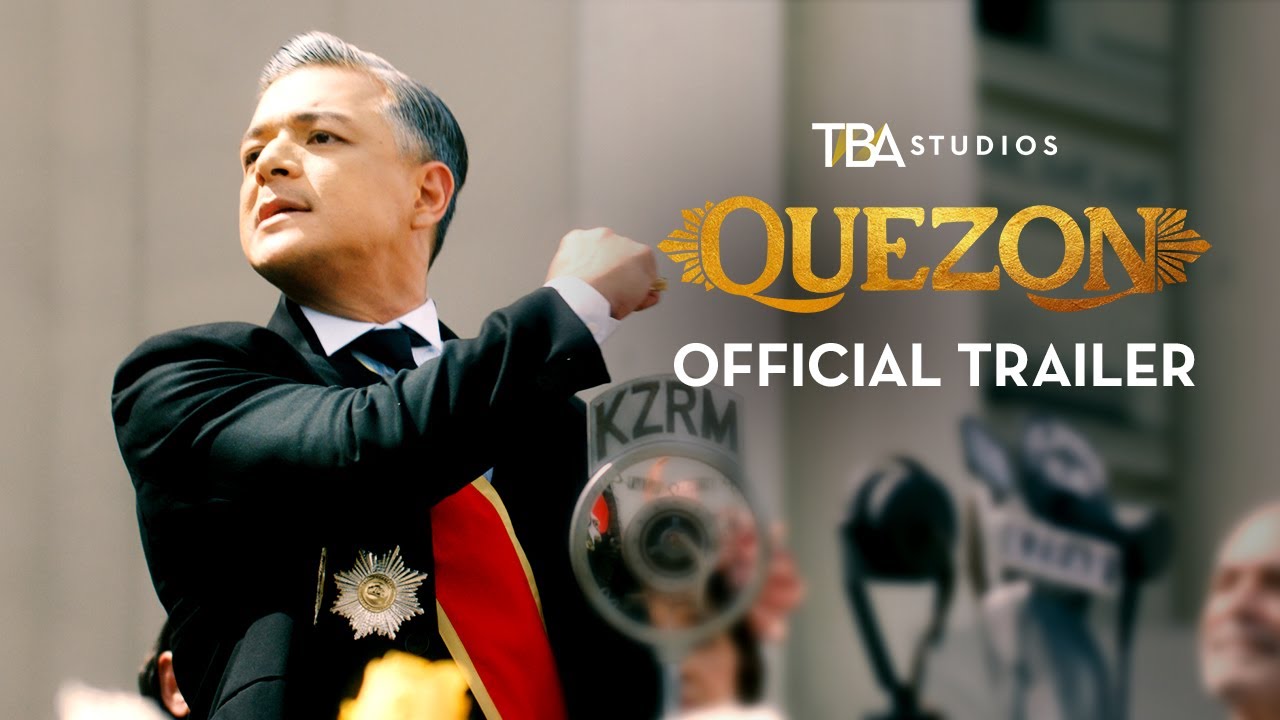
A politically charged historical epic about ambition, nationalism, and the corruption of power
Nation-building slowly becomes a dangerous game of political survival.
Quezon explores the rise of Manuel L. Quezon during the turbulent political formation of the Philippine Commonwealth, examining the sacrifices, compromises, and manipulations behind the country’s path toward independence. The film follows Quezon as he navigates rivalries, colonial pressure, political alliances, and moral contradictions while pursuing leadership and national influence. Jerrold Tarog blends political drama, historical biography, and psychological realism into a visually ambitious historical epic. The story explores nationalism, political ambition, power obsession, colonial tension, and moral compromise through emotionally layered political conflict. Its dynamic editing and large ensemble structure create a tense and politically immersive atmosphere throughout. Ultimately, the movie becomes both a historical biopic and a reflection on how political idealism and personal ambition often collide within nation-building.➡️ Implication: Politically complex historical epics continue evolving through morally ambiguous and psychologically layered storytelling.
Why It Is Trending: Renewed audience interest in politically reflective historical cinema
Audiences increasingly engage with historical dramas examining political leadership and national identity critically.
The film gained major attention through its portrayal of Manuel Quezon as both visionary leader and morally complicated political strategist. Viewers strongly connected with the movie’s relevance to modern political systems, campaign culture, and power dynamics. Discussions surrounding Philippine nationalism, democracy, and historical revisionism also strengthened the film’s cultural significance considerably. Its connection to the “BayaniVerse” franchise further expanded audience anticipation and visibility.➡️ Implication: Historically reflective political dramas continue attracting audiences through contemporary political relevance.
Elements Driving the Trend: Political intrigue, moral ambiguity, and historical realism
The film builds tension through political manipulation and ideological conflict.
Quezon’s relentless pursuit of influence creates constant emotional and political instability throughout the narrative. Themes of nationalism and moral compromise strengthen the story’s psychological complexity beyond traditional historical biography. The ensemble cast amplifies political tension and competing visions for Philippine independence effectively. Dynamic editing and layered timelines reinforce the chaotic atmosphere of nation-building and political transformation. Together, these elements create a politically immersive and emotionally layered historical drama.➡️ Implication: Modern historical epics increasingly prioritize political complexity and moral ambiguity.
Virality of Movie (Social Media Coverage): Strong online discussion driven by political relevance and historical interpretation
The film generated major discussion among Filipino audiences, cinephiles, and political-history communities online.
Audiences frequently debated the film’s portrayal of Manuel Quezon and its interpretation of Philippine political history. Online reactions strongly focused on themes of corruption, political dynasties, nationalism, and leadership ethics. Viewers also praised the movie’s cinematography, soundtrack, and historical atmosphere across social media platforms. The film’s morally ambiguous political framing strengthened online debate and interpretive discussion considerably.➡️ Implication: Politically reflective historical dramas increasingly drive online cultural and historical discourse.
Critics Reception: Strong praise for performances, editing, and political ambition
Critical responses praised the film’s craftsmanship and politically layered storytelling.
Reviewers highlighted Jericho Rosales for delivering a commanding and emotionally layered performance as Manuel Quezon. Critics also praised Jerrold Tarog for balancing political spectacle with psychological introspection and historical complexity. Many reviews emphasized the film’s cinematography, editing, and production design for recreating the political atmosphere of early 20th-century Philippines effectively. Some critics debated the historical interpretation and creative liberties used throughout the narrative, which further strengthened public discussion surrounding the film.➡️ Implication: Politically ambitious historical epics increasingly succeed through craftsmanship and interpretive complexity.
Awards and Recognitions: Strong recognition for editing, ensemble work, and historical craftsmanship
Quezon received significant recognition at the Pinoy Rebyu Awards, earning 1 win and 7 nominations overall. Jerrold Tarog won Best Editing for the film’s dynamic handling of multiple timelines and political storytelling complexity. Jericho Rosales earned a nomination for Best Lead Performance, while the ensemble cast received a nomination for Best Ensemble Performance. The film also secured nominations for Best Screenplay, Best Cinematography, Best Production Design, Best Film Score, and Best Sound. Critics particularly praised the movie’s technical execution and its immersive recreation of a politically unstable historical period.➡️ Implication: Historical political epics increasingly gain prestige through technical sophistication and ensemble storytelling.
Director and Cast: A politically charged ensemble shaped by ambition, nationalism, and moral compromise
Directed by Jerrold Tarog, the film emphasizes political tension, psychological complexity, and historical realism over simplistic patriotic heroism.
Jericho Rosales delivers a commanding and emotionally layered performance as Manuel Quezon, balancing charisma, intelligence, political ambition, and moral contradiction throughout the narrative. Mon Confiado strengthens the film’s political conflict as Emilio Aguinaldo, while Romnick Sarmenta adds tension and ideological contrast as Sergio Osmeña. Supporting performances from JC Santos, Karylle, Jake Macapagal, and Iain Glen reinforce the movie’s expansive political atmosphere and historical realism. Tarog’s direction prioritizes ideological conflict, emotional ambiguity, and political strategy over traditional heroic mythology. The ensemble’s chemistry strengthens the film’s layered exploration of leadership and nation-building considerably.➡️ Implication: Contemporary historical epics increasingly rely on morally complex performances and political realism.
Conclusion: A politically layered historical epic about power, nationalism, and leadership
Quezon transforms Philippine political history into a psychologically immersive and morally complex exploration of leadership, ambition, and national identity. Its emotionally layered political conflicts and dynamic historical storytelling create an intellectually engaging and culturally resonant viewing experience. Jerrold Tarog approaches history through political realism and psychological ambiguity rather than simplistic nationalism. Jericho Rosales anchors the film through a charismatic and emotionally conflicted performance that captures Quezon’s visionary ambition and moral contradictions effectively. Its themes of corruption, patriotism, power, and governance remain deeply relevant within contemporary political culture. Ultimately, the movie becomes both a historical biopic and a reflection on how political idealism and personal ambition shape the future of nations.➡️ Implication: Politically reflective historical epics will continue shaping contemporary international historical cinema.
What Movie Trend Is Followed: Politically reflective historical epics exploring nationalism, corruption, and leadership psychology
Quezon follows the growing trend of morally complex historical dramas examining political leadership, nationalism, and the psychological cost of power through contemporary political lenses.
Rather than portraying historical figures as simplistic heroes, the film presents Manuel Quezon as an ambitious and emotionally conflicted political strategist navigating colonial influence and national transformation. Similar modern historical epics increasingly explore governance, propaganda, corruption, and ideological conflict through morally ambiguous storytelling. The movie also reflects renewed audience interest in politically reflective cinema questioning leadership, democracy, and national identity critically. Its layered political structure and ensemble storytelling strengthen the film’s realism and interpretive complexity throughout. This creates a psychologically immersive and politically charged historical experience.➡️ Implication: Morally layered political epics continue reshaping contemporary historical cinema.
Trend Drivers: Audience fascination with political power and historical revisionism
Audiences increasingly connect with historical dramas examining political systems critically rather than heroically.
Stories centered on ambition, corruption, and governance create deeper emotional and intellectual engagement than traditional patriotic biographies alone. Viewers strongly engage with politically layered narratives reflecting modern anxieties surrounding leadership and democracy. The blending of historical realism and contemporary political relevance also strengthens cultural discussion considerably. These politically reflective stories often generate stronger debate and interpretive analysis online.➡️ Implication: Political realism increasingly drives modern historical-drama storytelling trends.
What Is Influencing Trend: Expansion of psychologically layered historical storytelling
Modern historical epics increasingly prioritize moral ambiguity and political complexity.
Contemporary filmmakers now focus heavily on flawed leadership, ideological conflict, and power structures rather than idealized nationalism alone. Historical dramas exploring political manipulation and institutional systems continue influencing global prestige cinema strongly. Directors increasingly embrace nuanced political storytelling and morally conflicted protagonists instead of straightforward hero narratives. This storytelling style aligns closely with modern political and historical discourse.➡️ Implication: Historical cinema increasingly explores leadership through psychological and political realism.
Macro Trends Influencing: Rise of politically conscious historical cinema
Global audiences increasingly support historical films reflecting current political anxieties and institutional distrust.
Contemporary historical dramas frequently examine nationalism, democracy, populism, and governance through morally complex narratives. These films also increasingly question how power shapes history and public perception. Stories about nation-building and political compromise resonate strongly during periods of political polarization and social uncertainty. The trend strongly supports intellectually ambitious historical storytelling globally.➡️ Implication: Politically conscious historical epics continue expanding within international prestige cinema.
Consumer Trends Influencing: Preference for intellectually engaging and socially relevant history dramas
Modern audiences increasingly seek historical films that feel emotionally relevant to contemporary society.
Viewers strongly engage with narratives exploring corruption, leadership ethics, and political manipulation realistically. Online communities also amplify historical dramas encouraging discussion about nationalism, democracy, and historical interpretation. Younger audiences especially support stories reframing history through critical and politically aware perspectives. These trends strongly support psychologically layered political cinema.➡️ Implication: Socially reflective historical storytelling increasingly strengthens audience engagement.
Audience Analysis: Mature audiences drawn to political history and morally complex leadership stories
The film mainly appeals to viewers aged 25–65 interested in political dramas, historical epics, Philippine history, and psychologically layered leadership narratives.
These audiences value historical realism, political tension, and morally ambiguous character studies. Fans of prestige historical cinema and political biographies will strongly connect with the movie’s nuanced portrayal of leadership and governance. Filipino audiences especially engage with its exploration of national identity and historical legacy. The film’s political complexity strengthens its intellectual and cultural resonance considerably.➡️ Implication: Politically reflective historical dramas continue attracting intellectually engaged adult audiences.
Conclusion: A historical trend where nation-building becomes psychological and political conflict
The trend reflected in Quezon shows how contemporary historical cinema increasingly transforms leadership, nationalism, and political ambition into psychologically layered and morally complex storytelling experiences. These narratives resonate because they prioritize realism, political ambiguity, and institutional critique over patriotic simplification. Flawed historical protagonists create deeper emotional and intellectual engagement within modern prestige cinema. The rise of politically reflective historical dramas also reflects broader audience interest in governance, democracy, corruption, and national identity. These projects succeed through political tension, historical relevance, and psychological depth. Ultimately, the trend represents a broader movement toward intellectually ambitious and morally complex historical filmmaking.➡️ Implication: Politically conscious historical epics will continue shaping contemporary global prestige cinema.
Final Verdict: A politically charged historical epic about ambition, nationalism, and the moral cost of leadership
Quezon succeeds because it transforms Philippine political history into a psychologically layered exploration of power, nationalism, and institutional ambition. Instead of portraying leadership through simplistic patriotism, the film examines how political strategy, compromise, and personal ego shape the creation of nations and democratic systems. Jerrold Tarog creates a morally complex historical drama driven by ideological conflict, colonial tension, and emotional realism. The film’s dynamic editing, ensemble performances, and layered political storytelling strengthen its immersive historical atmosphere throughout. Its themes of governance, corruption, nationalism, and personal ambition create an intellectually engaging and culturally resonant experience. Ultimately, the movie becomes both a historical biopic and a reflection on how political idealism and power often exist in dangerous tension.➡️ Implication: Politically reflective historical epics continue redefining contemporary prestige historical cinema.
Audience Relevance: Appeals to viewers seeking politically intelligent and historically immersive storytelling
The film strongly connects with audiences drawn to political dramas and morally complex historical narratives.
Its themes of nationalism, leadership, and political compromise create strong emotional and intellectual engagement. Viewers interested in historical biographies and political strategy stories will connect with the movie’s layered portrayal of Manuel Quezon and Philippine independence politics. The emotionally grounded realism strengthens audience immersion and cultural relevance considerably. This creates strong prestige-cinema and adult audience appeal.➡️ Implication: Politically layered historical dramas continue attracting intellectually engaged audiences.
What Is the Message of Movie: Leadership and nation-building require moral compromise
The film explores how political ambition and patriotism often become emotionally and ethically entangled.
Quezon’s journey reflects the tension between national idealism and personal political survival. The narrative suggests leadership frequently demands strategic compromise, manipulation, and difficult ethical decisions. Emotional conviction and political ambition slowly merge throughout the pursuit of power and national influence. The story ultimately portrays nation-building as emotionally exhausting, morally unstable, and historically complicated.➡️ Implication: Modern political dramas increasingly frame leadership through moral ambiguity and institutional realism.
Relevance to Audience: Reflects modern anxieties surrounding governance and political power
The film resonates because its political conflicts feel highly relevant within contemporary democratic systems.
Audiences strongly connect with stories exploring corruption, leadership ethics, and institutional instability realistically. The narrative also reflects broader anxieties surrounding populism, nationalism, political dynasties, and public trust within modern societies. Its morally layered approach deepens audience interpretation beyond traditional historical storytelling. This relevance strengthens the film’s cultural impact considerably.➡️ Implication: Politically reflective storytelling continues strengthening modern historical-drama engagement.
Social Relevance: A reflection on nationalism, democracy, and institutional corruption
The film examines how power and politics shape national identity and public morality.
Its portrayal of political strategy reflects broader conversations surrounding governance, elite influence, and historical accountability. The story also explores how ambition and nationalism can coexist with manipulation and institutional compromise. Rather than romanticizing politics, the movie portrays leadership as emotionally burdensome and ethically complicated. This gives the historical epic deeper social resonance beneath its biographical structure.➡️ Implication: Contemporary historical dramas increasingly explore governance through critical political realism.
Performance: Jericho Rosales anchors the film through charisma and political complexity
The performances strengthen the movie’s political realism and emotional intensity.
Jericho Rosales delivers a commanding and emotionally layered performance balancing charisma, nationalism, intelligence, and moral conflict as Manuel Quezon. Mon Confiado and Romnick Sarmenta reinforce the political tension and ideological conflict throughout the narrative. Supporting performances from JC Santos, Karylle, and Jake Macapagal strengthen the film’s expansive historical atmosphere effectively.➡️ Implication: Ensemble-driven performances increasingly define successful political historical epics.
Legacy: Part of the rise of politically reflective Southeast Asian historical cinema
The film aligns with the growing expansion of morally complex political dramas across international cinema.
Its focus on nationalism, governance, and institutional power reflects contemporary audience demand for historically critical storytelling. The project also contributes to the growing global visibility of Philippine historical cinema and politically conscious filmmaking. Over time, the movie may gain stronger recognition within Asian prestige-historical and political-drama spaces.➡️ Implication: Politically conscious Southeast Asian cinema continues shaping contemporary international historical storytelling.
Success: Defined by political relevance, technical craftsmanship, and historical ambition
The film’s success comes primarily through intellectual engagement and historical immersion.
Audience engagement is driven by the film’s political realism, emotional complexity, and cultural relevance rather than spectacle alone. Critics and audiences strongly responded to the ensemble performances, dynamic editing, and morally layered storytelling. The movie succeeds through historical sophistication, emotional realism, and political tension. Its awards recognition further strengthened its prestige-cinema reputation considerably.➡️ Implication: Politically ambitious historical dramas increasingly define prestige within global cinema.
Insights: The film transforms Philippine political history into a psychologically layered exploration of nationalism, ambition, and institutional power.Industry Insight: Contemporary historical epics increasingly prioritize political realism and moral ambiguity over patriotic mythology.Audience Insight: Mature audiences strongly connect with historically reflective stories exploring leadership and governance critically.Social Insight: The story reflects anxieties surrounding corruption, democracy, nationalism, and political accountability.Cultural Insight: Politically conscious Southeast Asian historical cinema continues expanding through intellectually ambitious storytelling.
Conclusion: A morally complex historical epic about nationalism, power, and political ambition
Quezon works because it approaches history through political realism and psychological complexity rather than simplistic nationalism. Its layered performances and immersive historical atmosphere create an intellectually engaging and emotionally resonant viewing experience. Jerrold Tarog explores leadership, corruption, and governance through morally ambiguous storytelling and dynamic political tension. Jericho Rosales strengthens the film through a charismatic and emotionally conflicted performance that captures the burdens of leadership effectively. Its themes of democracy, ambition, and institutional compromise feel culturally relevant and politically timeless. Ultimately, the movie becomes both a historical biopic and a reflection on how nations are shaped through power, sacrifice, and morally difficult decisions.➡️ Implication: Politically reflective historical epics will continue shaping contemporary global prestige cinema.
Summary of the Movie: A politically charged historical epic about nationalism, leadership, and the corruption of power
• Movie themes: Nationalism, political ambition, governance, corruption, colonialism, democracy, and moral compromise — the film explores how leadership and nation-building reshape morality and identity.➡️ Implication: Politically reflective historical epics continue evolving through morally layered storytelling.
• Movie director: Jerrold Tarog delivers a psychologically immersive historical drama focused on political realism and ideological conflict.➡️ Implication: Contemporary historical cinema increasingly prioritizes political complexity and emotional realism.
• Top casting: Jericho Rosales leads alongside Mon Confiado, Romnick Sarmenta, JC Santos, Karylle, Jake Macapagal, and Iain Glen.➡️ Implication: Ensemble-driven political performances increasingly define prestige historical dramas.
• Awards and recognition: Winner of Best Editing at the Pinoy Rebyu Awards, alongside multiple nominations for Best Screenplay, Best Lead Performance, Best Ensemble Performance, Best Cinematography, Best Production Design, Best Film Score, and Best Sound.➡️ Implication: Politically ambitious historical films increasingly gain recognition through technical sophistication and ensemble storytelling.
• Why to watch movie: A compelling choice for viewers interested in political history, morally complex leadership stories, and intellectually engaging historical cinema.➡️ Implication: Politically reflective storytelling continues attracting mature prestige-cinema audiences.
• Key success factors: Political realism, ensemble performances, dynamic editing, historical atmosphere, moral ambiguity, nationalism themes, and psychologically layered storytelling.➡️ Implication: Emotional and political complexity increasingly strengthens contemporary historical cinema.
• Where to watch: Released through Philippine theatrical and festival distribution in 2025.➡️ Implication: Southeast Asian prestige historical cinema continues expanding internationally.
Conclusion: A politically immersive historical drama about nationalism, ambition, and moral compromise
Quezon transforms Philippine political history into a psychologically layered exploration of leadership, nationalism, and institutional power. Its emotionally charged political conflicts and dynamic historical storytelling create an intellectually immersive and culturally resonant viewing experience. Jerrold Tarog approaches history through political realism and moral ambiguity rather than patriotic simplification. Jericho Rosales anchors the film through a charismatic and emotionally conflicted performance that captures the burden of political leadership effectively. Its themes of corruption, democracy, governance, and national identity remain socially relevant and politically timeless. Ultimately, the movie becomes both a historical biopic and a reflection on how nations are shaped through ambition, compromise, and the dangerous pursuit of power.➡️ Implication: Politically reflective historical epics will continue shaping contemporary global prestige cinema.






Leave a Reply