
The Black List Debut That Became a Streaming Sleeper Hit — Hedlund’s Career-Best, a Corrupt Senator’s Secret, and the Question of What a Father Does When the System Won’t Answer
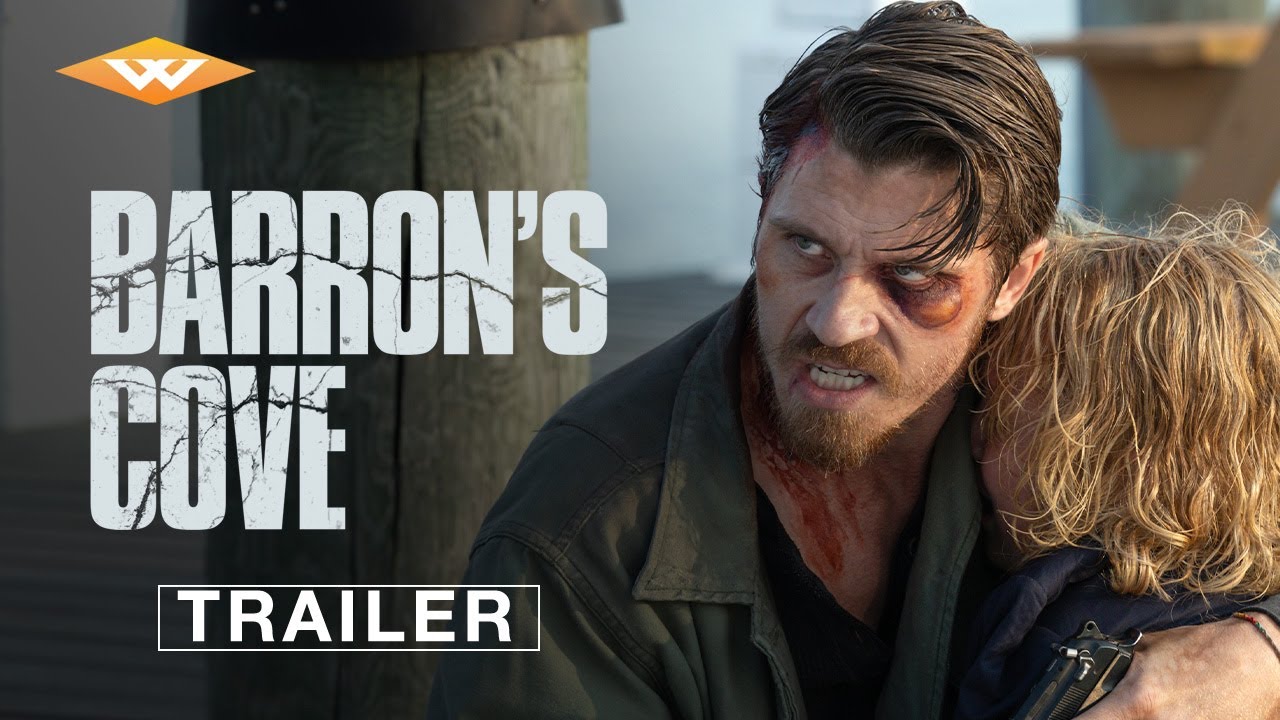
Caleb Faulkner is a working-class construction enforcer for his shady uncle Benji — a man who wears his past pain and trauma like a tarnished heirloom. When his young son Barron is killed on railroad tracks by a classmate, Caleb kidnaps the boy responsible. The kidnapped child is Ethan — son of Lyle, a state Senate hopeful with a history he will do anything to protect. What begins as a grief-driven act of vengeance unfolds into a conspiracy about power, corruption, and the specific violence fathers pass down to sons. Written and directed by Evan Ari Kelman — feature debut; screenplay a 2021 Black List semifinalist and Nicholl Fellowship entrant. Stars Garrett Hedlund, Christian Convery, Hamish Linklater, Brittany Snow, Stephen Lang, Tramell Tillman. Produced by Mandalay Pictures and SSS Entertainment. Distributed by Well Go USA. US theatrical June 6, 2025. ➡️ Kelman began developing the script during COVID as a personal exploration of grief and fatherhood — the autobiographical grounding gives the most emotionally specific moments in the film their most credible available weight.
Why It Is Trending: Black List Screenplay — Roger Ebert’s “Career-Best Hedlund” — Streaming Sleeper Hit — the Prisoners-Adjacent Grief Thriller That Keeps Generating Conversation
Roger Ebert’s site: “Garrett Hedlund delivers a career-best performance.” ➡️ The career-best designation is the film’s most commercially specific available critical signal — the actor most associated with unfulfilled potential finding the role that finally matches his most precise available register. Film Threat: “stripped-down brilliance — it’s rare that something as formulaic as an action thriller could be so moving; a picture as much about fathers and sons as it is about the gravity of the lessons fathers pass down.” ➡️ The fathers-and-sons framing is the film’s most commercially durable available emotional argument — the thriller mechanics are the vehicle, the generational damage is the subject. The screenplay’s Black List and Nicholl Fellowship credentials give the debut its most institutionally credible available production origin story. ➡️
Elements Driving the Trend: Caleb and Ethan’s Unlikely Kinship, Linklater’s Senator, and the Generational Violence Theme
-
Caleb kidnaps Ethan expecting a hostage — what develops between the grieving violent father and the child responsible for his son’s death is the film’s most commercially specific available emotional surprise. ➡️ The Caleb-Ethan kinship is the thriller’s most unexpected available gear change — the vengeance narrative becoming something more uncomfortable and more honest.
-
Hamish Linklater’s Lyle — the senator who sees his kidnapped son not as a beloved child but as a keeper of damaging secrets — is the film’s most politically specific available villain. ➡️ The politician who weaponises his missing child for electoral advantage is the thriller’s most commercially legible available contemporary social observation.
-
IMDb reviewer: “everyone in this story is violent — some physically, some psychologically; at its core it’s about abusive father characters and how their damage gets repeated by their offspring.” ➡️ The generational damage theme gives the revenge thriller its most emotionally specific available depth — the violence is not exceptional but inherited.
-
Film Threat: “somewhere between Martin Campbell’s Edge of Darkness and Phillip Noyce’s Blind Fury — raw-edged intensity coupled with heart and meaning.” ➡️ The 1990s action thriller lineage is the film’s most commercially legible available genre positioning — the stripped-down no-frills craft that prioritises emotional consequence over spectacle.
Virality: The Streaming Sleeper and the “Surprise Hit” Discovery Narrative
Barron’s Cove became a streaming sleeper hit — the most commercially productive available second life for a limited-release debut thriller whose word-of-mouth outperforms its theatrical reach. ➡️ Collider and CBR both covered the film’s unexpected streaming performance — confirming the most commercially specific available pattern for a Black List debut with an ensemble that outperforms its marketing spend. The film features a deleted scene that “changes the whole film” — the most commercially productive available secondary discovery argument for the audience that has already seen it. The film is for the audience that wants a grief thriller that takes the emotional stakes seriously rather than using them as decoration.
Critics Reception: Broadly Positive — Hedlund and Linklater Unanimous, Tone the Range of Responses
-
Roger Ebert’s site: “career-best Hedlund performance.” ➡️
-
Film Threat: “raw-edged intensity coupled with heart and meaning — a stripped-down action thriller that is so moving.” ➡️
-
Arts Fuse: “a thriller steeped in grief — Hedlund wears his past pain like a tarnished heirloom.” ➡️
-
Heaven of Horror: “brilliant casting — Christian Convery eerily nuanced; every member of the ensemble is memorable in their portrayal.” ➡️
-
Metascore 61. IMDb 6.0 from 2,100 voters.
Awards and Recognitions: No Awards — 2021 Black List Semifinalist — Nicholl Fellowship Entrant — US Release June 6, 2025
Director and Cast: A COVID-Developed Black List Debut — Six Years From Idea to Screen
-
Evan Ari Kelman — feature debut, six years in development — delivers the most emotionally committed available stripped-down crime thriller from a first-time director since the genre’s 1990s peak. ➡️ The Black List and Nicholl Fellowship credentials are the most commercially institutionally validated available origin story for a debut — the screenplay that the industry recognised before a frame was shot.
-
Garrett Hedlund (Caleb) — career-best per Roger Ebert’s site — carries the film’s most emotionally demanding available role: a violent man whose grief is the most sympathetic available version of everything that makes him dangerous. ➡️ The role that finally gives Hedlund’s specific quality — the brooding man who wears his pain visibly — its most commercially precise available expression.
-
Christian Convery (Ethan) — Sweet Tooth, The Monkey — delivers what Heaven of Horror called “beyond great” in the most formally demanding available child performance in the film. ➡️ The eerily nuanced quality Convery brings is what makes the Caleb-Ethan kinship the film’s most emotionally credible available development.
-
Hamish Linklater (Lyle) — Midnight Mass, Nickel Boys — as the senator who weaponises his missing son. ➡️ The most commercially specific available villain in the film — the politician whose corruption is most visible in the moment he prioritises his career over his child’s safety.
-
Stephen Lang (Benji), Brittany Snow (Jackie), Tramell Tillman (Felix) — give the conspiracy its most commercially recognisable available ensemble infrastructure. ➡️
Conclusion: A Black List Debut That Earned Its Streaming Sleeper Status Through Hedlund’s Career Performance and the Generational Damage Theme That Gives the Revenge Thriller Its Most Emotionally Specific Available Subject
The Mandalay Pictures production credibility and the Well Go USA theatrical release give the film its most commercially motivated available distribution infrastructure for a debut thriller of this scale. ➡️ The streaming sleeper trajectory is the most commercially productive available second life for a Black List screenplay debut — the audience that finds it through discovery is the most commercially motivated available advocacy community. Kelman has confirmed himself as a debut filmmaker to watch in the crime-thriller space.
What Movie Trend Is Followed: Grief-Driven Working-Class Crime Thriller — Fathers, Sons, and the Specific Violence Inherited Between Them
Barron’s Cove belongs to the grief-driven working-class crime thriller tradition — Mystic River, Prisoners, A History of Violence — in which a father’s act of vengeance becomes an excavation of everything that made him capable of it. ➡️ Kelman’s specific contribution is the generational damage framing — the violence is not exceptional but inherited, which is the most emotionally honest available departure from the conventional revenge thriller’s moral simplicity. The Caleb-Ethan kinship is the film’s most formally courageous available structural decision — the kidnapper and the child finding something in each other that neither expected. ➡️
Trend Drivers: The Grief as Motivation, the Conspiracy as the Thriller’s Second Layer, and the Stripped-Down 1990s Craft
-
The grief motivation gives the revenge premise its most emotionally accessible available entry point — a father who does something unforgivable for a reason the audience understands before it judges. ➡️ The moral complexity is the film’s most commercially durable available quality — the thriller that makes you uncomfortable about your own sympathy.
-
The senator’s conspiracy — Lyle using his missing son’s case to manage his electoral exposure — gives the grief thriller its most politically specific available second layer. ➡️ The politician who turns a kidnapping into a media management problem is the most commercially legible available contemporary villain.
-
The stripped-down 1990s craft — no CGI spectacle, atmospheric location work in Springfield Massachusetts, committed ensemble performances — gives the debut its most commercially specific available formal identity. ➡️ Kelman builds tension through emotional consequence rather than action mechanics — the most commercially durable available choice for a debut that needs the audience to stay with an uncomfortable protagonist.
What Is Influencing Trend: Mandalay Pictures’ Production and the Black List Discovery Community
-
Mandalay Pictures’ production credibility gives the debut its most institutionally recognised available production infrastructure. ➡️ The studio’s involvement converts the Black List recognition into the most commercially motivated available production launch.
-
The Black List and Nicholl Fellowship community is the most commercially motivated available industry discovery circuit for a debut screenplay — the scripts the industry most wants to see made. ➡️
Macro Trends Influencing: The Working-Class Crime Drama’s Streaming Moment and the Grief Thriller’s Sustained Audience
-
The working-class crime drama — Prisoners, Mystic River, Blue Ruin — has established a streaming infrastructure that treats atmospheric low-budget grief thrillers as one of the most commercially consistent available genre categories. ➡️ Barron’s Cove arrives in a streaming environment already prepared to discover exactly this kind of film.
-
The grief thriller’s sustained audience — viewers who respond to the emotional weight beneath the crime mechanics — is the most commercially motivated available streaming community for a film that generates conversation rather than spectacle. ➡️
Consumer Trends Influencing: Hedlund’s Career Resurgence and the Convery Discovery Community
-
Hedlund’s career-best designation is the film’s most commercially efficient available discovery signal — the audience that has followed his unfulfilled potential finds the role that finally delivers on it. ➡️
-
Convery’s Sweet Tooth and The Monkey profile gives the film a secondary discovery community that treats his casting as a quality signal for the child performer’s most demanding available dramatic register. ➡️
Audience Analysis: Grief Thriller Audiences, Working-Class Crime Drama Communities, Hedlund and Convery Fanbases
The core audience is 25–55 — grief thriller audiences who follow the Prisoners-Mystic River tradition, working-class crime drama communities activated by the Mandalay Pictures institutional profile, and the Hedlund-Convery fanbases whose combined recognition gives the film its most commercially legible available casting signal. ➡️ The streaming sleeper trajectory confirms that the film’s most commercially motivated available audience finds it through recommendation rather than marketing — the most reliable available word-of-mouth mechanism for a debut thriller that prioritises emotional consequence over spectacle.
Conclusion: A Stripped-Down Working-Class Grief Thriller That Earns Its Streaming Discovery Through the Most Emotionally Committed Available Cast and the Most Honest Available Departure From the Revenge Genre’s Conventional Moral Simplicity
The generational damage theme, the Caleb-Ethan kinship, and the senator’s conspiracy give the debut its most commercially specific available emotional and political architecture. ➡️ The streaming sleeper trajectory is the most commercially productive available outcome for a Black List debut with an ensemble that outperforms its marketing spend. Kelman has established the most commercially specific available debut identity in the 2025 crime-thriller space.
Final Verdict: A Grief-Driven Working-Class Crime Thriller That Earns Its Streaming Reputation Through Hedlund’s Career Performance and the Generational Damage Theme That Makes the Revenge Premise More Honest Than the Genre Usually Allows
The film delivers more emotional consequence than its genre positioning suggests — a revenge thriller that keeps asking what the violence is actually for and who it actually damages. ➡️ Film Threat’s most commercially precise formulation: “it’s rare that something as formulaic as an action thriller could be so moving” — the most honest available description of the gap between the film’s surface mechanics and its emotional depth.
Audience Relevance: Grief Thriller Audiences, Working-Class Crime Drama Followers, Anyone Who Wants a Revenge Story That Takes the Moral Stakes Seriously
This film is for the audience that wants its revenge thriller to be honest about what revenge actually costs. Works best for viewers who respond to the Prisoners-Mystic River tradition — the grief thriller that uses crime mechanics to excavate something more uncomfortable about the men inside the story. ➡️ If you want a thriller that makes you uncomfortable about your own sympathy for an unforgivable act, Barron’s Cove is the most commercially specific available choice on the 2025 streaming calendar.
What Is the Message: The Violence a Father Does to His Son Is the Violence His Son Will Eventually Do to Someone Else
Every act of violence in the film has a father somewhere in its origin story. The generational damage theme is the film’s most formally specific available departure from the revenge thriller’s conventional moral architecture — Caleb’s grief is real, his act unforgivable, and both things are true simultaneously. ➡️ The film’s most commercially honest available thesis: the damage fathers pass down is the most durable available violence in any family story.
Relevance to Audience: The Working-Class Father as Thriller Protagonist — Grief as the Most Emotionally Accessible Available Entry Point Into the Genre’s Most Uncomfortable Available Subject
The film uses genre mechanics to deliver its most emotionally specific available portrait of inherited violence. Every character in the film carries their father’s damage — the most commercially durable available social observation in the 2025 crime-thriller calendar. ➡️ The grief motivation makes Caleb’s act of abduction the most sympathetically framed available moral violation in the genre — which is precisely what makes the film’s subsequent complications so uncomfortable and so honest.
Social Relevance: Political Corruption as the Conspiracy Layer — the Senator Who Turns His Missing Son Into an Electoral Asset
Lyle’s willingness to manage his kidnapped son’s case as a media problem rather than a parental emergency is the film’s most politically specific available observation. The politician who protects his career over his child is the most commercially legible available contemporary villain — the specific corruption that the thriller’s conspiracy layer is built to expose. ➡️ The film’s most socially honest available observation: the same power structures that damage working-class families like Caleb’s are the ones that protect politicians like Lyle from the consequences of the damage they cause.
Performance: Hedlund’s Career Turn, Convery’s Nuanced Child Work, Linklater’s Villain
Hedlund delivers what Roger Ebert’s site called the career-best performance — the role that finally gives his most specific quality its most commercially precise available expression. His Caleb carries grief, violence, and the specific shame of a man who knows exactly what he is capable of — the performance that makes every morally complicated decision feel inevitable rather than dramatic. ➡️ Convery’s Ethan brings the eerily nuanced quality that Sweet Tooth audiences recognise — the child performance that makes the Caleb-Ethan kinship the film’s most emotionally credible available development. Linklater’s Lyle is the most commercially specific available villain in the film — the senator who plays it in his sleep but nails the specific corruption of a man who prioritises his career over his child’s safety. ➡️
Legacy: A Black List Debut That Confirmed Kelman as a Filmmaker to Watch — and Hedlund’s Career-Best as the Film’s Most Commercially Durable Available Legacy
Barron’s Cove will be remembered as the streaming sleeper that gave Garrett Hedlund his most precisely calibrated available role and confirmed Evan Ari Kelman as the most formally committed available debut voice in the 2025 American crime-thriller space. The six-year development arc — from COVID-era grief exploration to Black List recognition to Mandalay Pictures production to streaming sleeper — is the most commercially instructive available origin story for a debut that the industry recognised before it reached audiences. ➡️ Kelman’s second film arrives with this emotional authority confirmed and this ensemble instinct established — the most commercially specific available signal that the grief thriller’s most honest available voice has only just begun.
Success: No Awards — 2021 Black List Semifinalist — US Release June 6, 2025 — Streaming Sleeper Hit
-
No awards. 2021 Black List semifinalist. Nicholl Fellowship entrant. US theatrical June 6, 2025 via Well Go USA. Available on Apple TV and streaming platforms. Worldwide gross $36,018 theatrical.
Barron’s Cove proves that the most emotionally honest revenge thrillers are the ones that keep asking what the violence is actually for — and that Kelman understood grief well enough to make a film about fathers and sons that is more uncomfortable than any kidnapping story has a right to be.
Insights: A Black List debut streaming sleeper — Hedlund’s career-best, Convery’s nuanced child performance, and the generational damage theme give the grief thriller its most emotionally specific available departure from the revenge genre’s conventional moral simplicity. Industry Insight: The Black List and Nicholl Fellowship credentials confirm the most institutionally validated available origin story for a debut — the screenplay the industry recognised before a frame was shot, produced by Mandalay Pictures and distributed by Well Go USA into the streaming environment most prepared to discover it. Audience Insight: The streaming sleeper trajectory is the most commercially productive available outcome for this film — the audience that finds it through recommendation is the most motivated available advocacy community, generating the sustained conversation that the theatrical marketing spend could not produce. Social Insight: A politician who turns his kidnapped son’s case into a media management problem is the most commercially legible available contemporary villain — and the film’s most politically specific observation about how the same power structures that damage working-class families protect the people responsible for that damage. Cultural Insight: Barron’s Cove positions Kelman as the debut crime-thriller filmmaker most formally committed to the generational damage subject — and Hedlund’s career-best as the most commercially durable available legacy of a film that took six years to reach the audience it was always made for.
Conclusion: A Black List Debut That Earned Its Streaming Reputation Through Emotional Honesty — Kelman’s Most Uncomfortable Available Revenge Thriller Confirms the Most Commercially Specific Available Debut Voice in 2025 American Crime Cinema
The most important thing Barron’s Cove confirms is that the most emotionally honest revenge thrillers are the ones that refuse to make the protagonist’s grief a permission slip for his violence. Barron’s Cove earns its streaming reputation through the qualities the most honest crime-thriller debuts always demonstrate — the emotionally committed ensemble that gives genre mechanics their moral weight, the screenplay that uses vengeance as a vehicle for something more uncomfortable, and the casting decision that gives a career’s worth of unfulfilled potential its most precisely calibrated available expression. ➡️ Kelman’s second film arrives with this emotional authority confirmed and this institutional recognition established — the most commercially specific available signal that the grief thriller’s most formally honest debut voice has only just begun making the films he has always been capable of making.
Summary: One Dead Child, One Kidnapped Boy, One Senator With Secrets, and the Specific Violence That Every Father in the Story Passed Down to His Son
-
Movie themes: The grief that makes an unforgivable act feel inevitable, the generational violence that fathers pass to sons as their most durable available inheritance, the conspiracy that reveals a politician’s corruption through the specific moment he chooses his career over his child’s safety, and the unexpected kinship between a grieving kidnapper and the boy he holds responsible. ➡️ The most emotionally honest available departure from the revenge thriller’s conventional moral architecture — making Caleb’s grief real and his act unforgivable simultaneously, which is the most commercially specific available definition of the genre’s most durable available subject.
-
Movie director: Evan Ari Kelman — feature debut, six years in development from COVID-era grief exploration to Black List recognition to streaming sleeper — delivers the most emotionally committed available stripped-down crime thriller from a first-time director since the genre’s 1990s peak. ➡️ The Black List and Nicholl Fellowship credentials are the most institutionally validated available production origin story for a debut — confirming Kelman as the most commercially specific available new voice in 2025 American crime cinema.
-
Top casting: Hedlund’s Caleb — career-best per Roger Ebert’s site, the performance that finally gives his most specific quality its most commercially precise available expression. Convery’s Ethan — eerily nuanced, the child performance that makes the Caleb-Ethan kinship the film’s most emotionally credible available development. Linklater’s Lyle — the senator villain played to his most commercially specific available specification. ➡️ Three performances that give the generational damage theme its most emotionally layered available human architecture — the ensemble that makes the conspiracy feel personal rather than procedural.
-
Awards and recognition: No awards. 2021 Black List semifinalist. Nicholl Fellowship entrant. US theatrical June 6, 2025. Streaming via Apple TV. Worldwide theatrical gross $36,018. Metascore 61. ➡️ The streaming sleeper trajectory is the most commercially productive available second life for a Black List debut — the audience that finds it through discovery is the most motivated available advocacy community.
-
Why to watch: The Black List debut that became a streaming sleeper — Hedlund carrying grief and violence in the same register, Convery eerily nuanced as the child at the centre of everything, Linklater playing the politician who weaponises his missing son’s case, and Kelman making a revenge thriller that keeps asking what the violence is actually for rather than simply staging it. ➡️ For the audience that wants its grief thriller to be honest about what a father’s damage actually costs the people around him.
-
Key success factors: Black List screenplay credentials plus Nicholl Fellowship recognition plus Hedlund’s career-best performance plus Convery’s nuanced child work plus Linklater’s politically specific villain plus the generational damage theme plus Mandalay Pictures’ institutional backing plus the streaming sleeper discovery trajectory. ➡️ The Hedlund career-best designation is the single most commercially productive available factor — converting every discovery viewer into the most motivated available advocate for a debut that deserved a wider theatrical audience than it received.
-
Where to watch: Available on Apple TV and streaming platforms. US theatrical from June 6, 2025 via Well Go USA. ➡️ The streaming platform is the most commercially productive available discovery window — the film’s most motivated audience finds it through recommendation rather than marketing, which is the most reliable available mechanism for a grief thriller that generates conversation rather than spectacle.
Conclusion: A Black List Debut That Earns Its Streaming Reputation Through the Most Emotionally Honest Available Revenge Premise — Hedlund’s Career Turn and Kelman’s Generational Damage Theme Confirm the Most Commercially Specific Available New Voice in 2025 American Crime Cinema
The most important thing Barron’s Cove confirms is that the most emotionally durable revenge thrillers are the ones that refuse to make grief a permission slip for violence — and that six years of development produced the most precisely calibrated available version of a subject that the genre almost always handles less honestly. Barron’s Cove earns its streaming reputation through the qualities the most honest crime-thriller debuts always demonstrate — the emotionally committed ensemble, the screenplay that uses vengeance as a vehicle for something more uncomfortable, and the casting decision that gives a career’s unfulfilled potential its most precisely calibrated available expression. ➡️ Kelman’s second film arrives with this emotional authority confirmed — the most commercially specific available signal that the grief thriller’s most formally honest debut voice has only just begun making the films he has always been capable of making.






Leave a Reply