
US | 2026 | 127 min | Drama / Biography
A Courageous Activist Leads a Historic 28-Day Protest to Secure Civil Rights for Disabled Americans
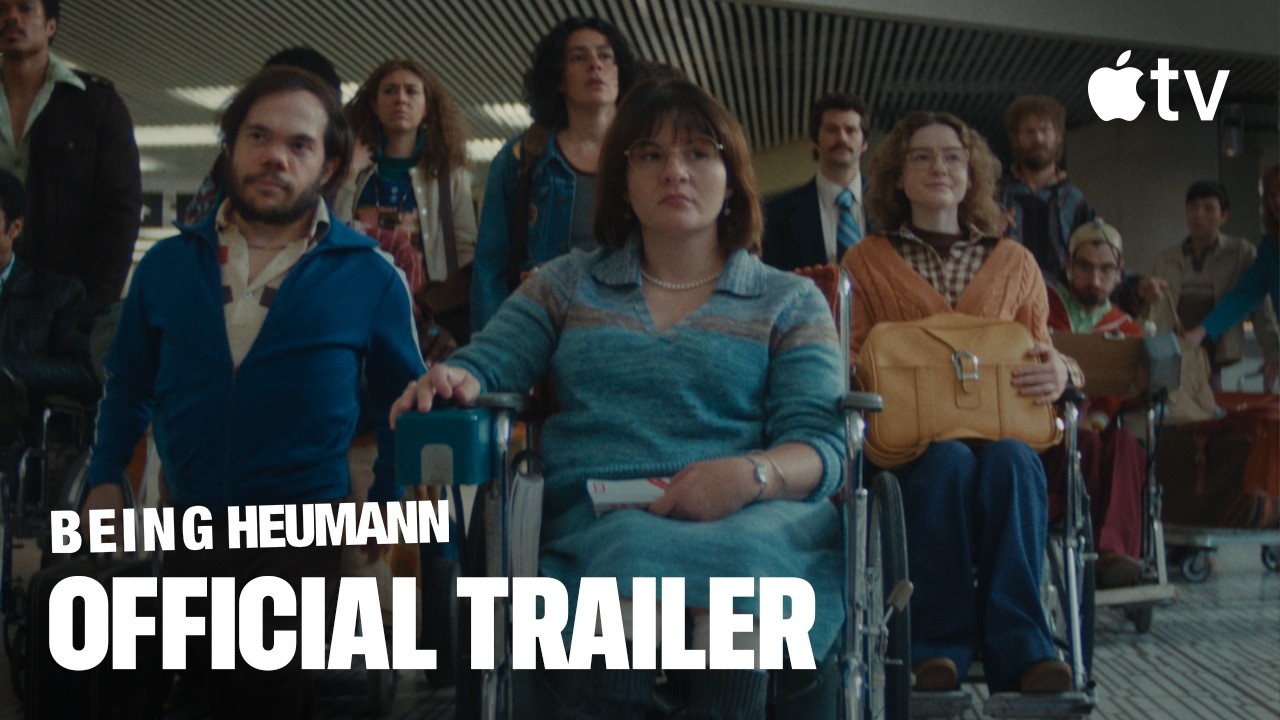
When federal officials stall on enforcing critical disability rights protections, activist Judy Heumann (Ruth Madeley) unites a diverse coalition of protesters to occupy San Francisco’s Federal Building. Refusing to back down despite intense political pressure, physical barriers, and government inertia, the group holds their ground for 28 historic days. As the sit-in draws national attention, Judy and her fellow organizers force a landmark reckoning over accessibility, human dignity, and equal protection under the law. Directed by Oscar winner Siân Heder, the narrative charts how a grassroots community movement permanently reshaped American civil rights history.
➡️ Storyline: A determined activist leads a historic 28-day federal sit-in, transforming a local protest into a defining victory for civil rights.
Why to Watch Being Heumann: Unfiltered Passion Meets Ensemble Strength
Being Heumann delivers an emotionally resonant cinematic experience that brings one of the most significant civil rights victories in American history into vivid focus. Ruth Madeley commands the screen as Judy Heumann, striking a compelling balance between fierce, uncompromising leadership and grounded human vulnerability. Supported by an outstanding ensemble cast including Mark Ruffalo, Dylan O’Brien, Rob Delaney, and Ray Fisher, the film derives its dramatic energy from collective solidarity, sharp wit, and genuine grassroots camaraderie rather than formulaic political melodrama. Director Siân Heder brings a textured visual style that captures both the claustrophobic intensity of the occupation and the warmth of the community within it.
The film carries significant prestige pedigree behind the camera, marking Siân Heder’s major directorial follow-up to her Academy Award-winning CODA. Adapted from Judy Heumann’s acclaimed memoir alongside co-writer Kristen Joiner, the project benefits from authentic casting, inclusive production design, and a deeply humanistic approach to historical drama. Premiering to strong festival response—including a People’s Choice Award nomination at the Toronto International Film Festival—Being Heumann offers adult audiences an inspiring, humor-infused portrait of triumph that honors the power of collective action.
➡️ Reason to Watch: Magnetic performances and empathetic direction turn a landmark civil rights protest into a deeply moving, ensemble-driven victory.
Why Being Heumann Stands Out: Collective Power Over Individual Heroics
Unlike conventional Hollywood biopics that reduce historical movements to the isolated triumph of a single heroic figure, Being Heumann separates itself by explicitly framing civil rights as a collective, community-led achievement. While Judy Heumann serves as the narrative anchor, the film gives equal weight to the diverse coalition of activists—spanning wheelchair users, Deaf advocates, Black Panthers, and local allies—whose shared logistics and unwavering solidarity sustained the 28-day occupation.
Furthermore, the production avoids sentimentalizing disability, choosing instead to highlight the practical grit, tactical ingenuity, and sharp humor of its movement leaders. By grounding its political stakes in everyday accessibility hurdles and institutional resistance, the film maintains a level of lived-in realism that feels rare in contemporary mainstream cinema. It respects the audience’s intelligence by presenting activism as demanding, messy, and inherently collaborative work.
➡️ Why it stands out: The film prioritizes collective community activism and unvarnished realism over formulaic single-hero biopic tropes.
Movie Trend: Community-Led History: Grassroots Movements Reframing the Biopic
Being Heumann exemplifies an important shift in contemporary biographical cinema, where historical narratives pivot away from top-down political figures to highlight grassroots coalitions and community-driven change. Rather than filtering history through legislative chambers or isolated leaders, the film centers on the everyday organizers whose collective persistence forced institutional reform. This narrative approach demonstrates that the most compelling dramatic stakes in historical cinema emerge from shared solidarity and democratic action.
This pattern marks a strategic evolution in film culture toward inclusive historical storytelling that mirrors modern social realities. Audiences are increasingly drawn to historical dramas where systemic change is presented as a group effort rather than a solo crusade. By centering lived experience and diverse community coalitions, filmmakers are revitalizing the biopic genre, offering grounded histories where collective empowerment takes center stage.
➡️ Movie Trend Insight: Contemporary historical cinema is shifting toward grassroots, community-focused narratives that celebrate collective action over solo heroics.
Broad Trend: The Search for Truth & Understanding: Uncovering Hidden Realities in an Era of Misinformation
The desire to uncover forgotten or suppressed history reflects a fundamental cultural drive for truth, systemic transparency, and deeper understanding. In an era saturated with conflicting information and curated narratives, individuals increasingly turn to historical accounts that challenge official records and expose how rights were actually contested and won. People seek authentic stories that break through institutional complacency, providing clear answers about how power operates and how ordinary citizens can challenge it.
Beyond cinema, this cultural shift is visible across modern investigative journalism, historical revisionism in literature, educational reform, and digital archivism. From crowdsourced historical preservation to widespread demands for institutional transparency, contemporary society reflects a growing commitment to confronting hidden realities. The search for truth and understanding represents a broad behavioral movement toward dismantling artificial narratives and building genuine historical awareness.
➡️ Broad Trend Insight: The ongoing search for truth requires uncovering hidden histories to build genuine understanding and demand institutional accountability.
Viewer Profile: Culturally Minded Film Consumers Seeking Substantive Narrative Cinema
This strategic target audience consists of thoughtful, mature film consumers who prioritize narrative substance, authentic human relationships, and reflective storytelling over empty spectacle. They view cinema as a primary medium for emotional connection, cultural literacy, and personal resonance.
|
Devoted drama viewers, history enthusiasts, festival followers, and fans of character-driven prestige cinema. |
|
|
Millennials, Gen X, and Boomers, approximately 25–65, who value narrative depth, historical context, and strong ensemble storytelling. |
|
|
Culturally engaged professionals and active media consumers who prefer curated streaming sessions, independent cinema visits, and thoughtful discussions. |
|
|
Prestige character dramas, festival-backed biopics, and ensemble-driven true stories with strong emotional clarity and authentic settings. |
|
|
Seeking compelling character arcs, authentic dialogue, historical discovery, and meaningful emotional takeaways. |
|
|
Guided by trusted critic reviews, festival accolades, word-of-mouth recommendations, and prestige streaming slates. |
|
|
A desire for emotional validation, intellectual engagement, and the satisfaction of seeing truth and justice prevail. |
Key Profiles: Three Distinct Pathways to Intimate Drama
1. The Historical Discovery Viewer
Audience Description: Viewers drawn to authentic historical dramas that uncover overlooked chapters of social progress. They choose Being Heumann specifically to experience the landmark 1977 504 Sit-in brought to life with historical accuracy and narrative rigor.
2. The Ensemble Drama Loyalist
Audience Description: Audiences seeking rich character interactions, witty dialogue, and strong ensemble performances. They enter the film looking for an engaging true story powered by the dynamic chemistry between Ruth Madeley, Mark Ruffalo, and Dylan O’Brien.
3. The Prestige Indie & Festival Follower
Audience Description: Film lovers who track award-season contenders and celebrated directors. They are attracted by Siân Heder’s directorial follow-up to CODA and the film’s strong festival momentum, expecting elevated visual storytelling and high emotional resonance.
➡️ Audience Insight: Different audience segments access the film through distinct entry points, whether performance, historical curiosity, or directorial pedigree.
What This Movie Means for the Industry: Authentic Representation as a Standard for Prestige Drama
From a storytelling and creative standpoint, Being Heumann delivers a structural evolution for historical biographical drama by integrating frontline authentic casting directly into mainstream studio production. Instead of relying on non-disabled actors to simulate disability, the film proves that authentic representation elevates the narrative truth, emotional weight, and artistic credibility of prestige cinema. It demonstrates to the wider industry that disability-centered stories carry immense narrative power, re-establishing the historical biopic as an inclusive space for complex, community-driven storytelling.
➡️ Industry Insight: Normalizing authentic casting and inclusive crew structures inside major studio productions redefines the standards for prestige historical storytelling.
Final Verdict: A Triumphant Tribute to Collective Courage
Being Heumann succeeds as a captivating narrative because it treats its real-life historical figures with care, intelligence, and dignity. Anchored by Ruth Madeley’s standout lead performance and Siân Heder’s grounded direction, the film turns a policy sit-in into an inspiring celebration of human resilience.
The narrative smoothly bridges its historical story with wider cultural patterns, demonstrating how Community-Led History provides a vital mirror for The Search for Truth & Understanding. It reminds viewers that true institutional progress requires challenging accepted narratives to demand authentic transparency and equality.
➡️ Final Verdict Insight: A powerfully executed historical drama that proves collective determination remains the ultimate force for social change.
Final Insights: The Evolving Path Toward Authentic Understanding
The cultural appetite for authentic, community-led history reflects a collective desire to break through institutional distortion and uncover historical truth. In an era where history is frequently sanitized, stories that champion grassroots activism serve as an essential reminder that rights are rarely granted freely—they are won through persistent, organized effort.
As storytelling continues to evolve, historical narratives will increasingly move away from top-down icon worship and focus on the power of collective movement. The future of biographical cinema lies in celebrating communities whose shared courage challenges authority and expands our understanding of history.
➡️ Final Insight: INSTITUTIONAL OPAQUENESS → SYSTEMIC CHALLENGE → UNCOVERING REALITY → HISTORIC RECKONING → THE SEARCH FOR TRUTH & UNDERSTANDING. This progression shows how hidden struggles dissolve when confronted by organized truth-seeking. Historical cinema will increasingly be framed not as a celebration of single icons, but as the ultimate catalyst for systemic understanding.




Leave a Reply