
Broad Trend: Famous & Familiar | Industry Trend: Star-Driven Cinema
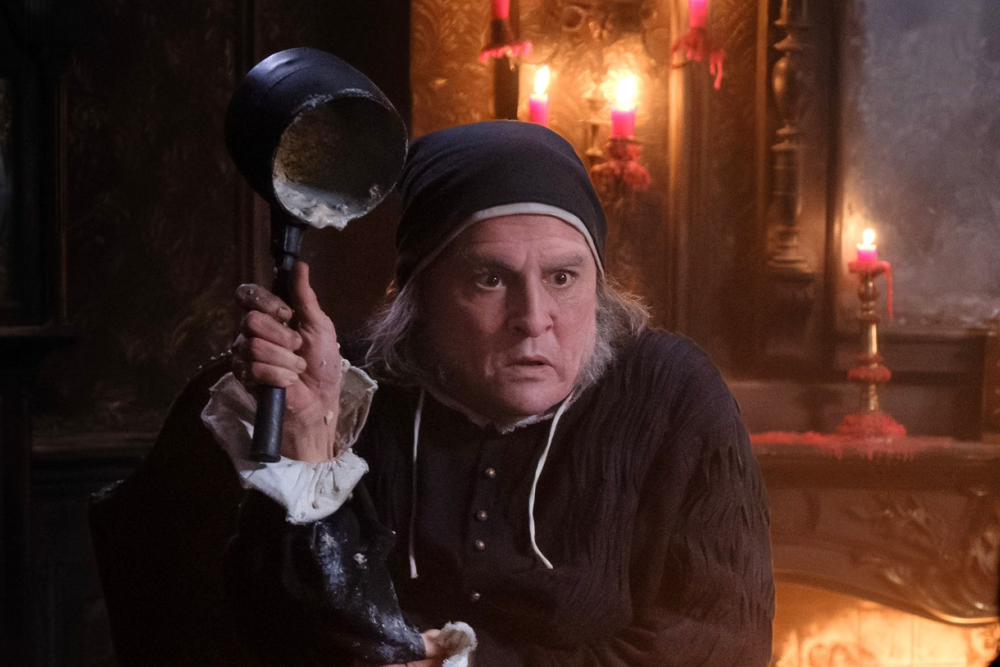
Johnny Depp has returned to the top of the North American box office with Ebenezer, which opened at No. 1 with $19 million domestically and $42 million worldwide. Directed by Ti West, the new adaptation of Charles Dickens’ A Christmas Carol marks Depp’s first major studio film role in eight years. Approximately 50% of moviegoers cited Depp as a reason for attending, making his celebrity appeal the strongest reported attendance driver. The result illustrates the Famous & Familiar trend, where recognizable stars and established stories help audiences choose theatrical entertainment.
➡️ Trend Insight: Famous & Familiar → Star-Driven Cinema → Celebrity-Led Moviegoing. Johnny Depp’s return demonstrates how a recognizable star can attract audiences to a familiar story. Studios can use established talent and recognizable entertainment properties to strengthen theatrical appeal.
Why Everyone Is Talking About It: Johnny Depp’s Return Puts Star Power Back in Focus
Ebenezer has attracted attention because Johnny Depp’s return to major studio filmmaking coincides with a No. 1 box-office opening. The film combines his celebrity recognition with a familiar Christmas classic, creating an accessible entertainment proposition despite mixed critical reviews.
|
Broad Trend: Famous & Familiar |
Consumers gravitate toward recognizable personalities, established stories and familiar cultural experiences. |
|
↓ Industry Trend: Star-Driven Cinema |
Film studios use recognizable actors to attract attention and encourage theatrical attendance. |
|
↓ Consumer Outcome: Celebrity-Led Moviegoing |
Audiences choose films partly because they want to see a familiar or admired star on screen. |
The film’s opening illustrates how celebrity recognition can influence moviegoing decisions, particularly when paired with an established story.
|
Celebrity Appeal – Watching a familiar actor in a major new role. |
Audience Attraction – Using star recognition to encourage attendance. |
|
Familiarity – Recognizing the story, characters and leading performer. |
Lower Discovery Barriers – Making the film immediately recognizable. |
|
Emotional Connection – Reconnecting with an actor audiences have followed over time. |
Stronger Engagement – Building on established audience relationships. |
|
Entertainment Confidence – Choosing a film with recognizable elements. |
Clearer Positioning – Communicating the movie’s appeal through familiar talent and material. |
|
Seasonal Enjoyment – Experiencing a classic Christmas story in cinemas. |
Holiday Relevance – Connecting theatrical releases with seasonal interests. |
The strongest benefit is celebrity appeal. Depp’s recognition provides a direct reason to attend, while the familiar Christmas story reinforces the film’s accessibility.
Why Star-Driven Cinema Is Attracting Attention: Five Factors Behind Ebenezer’s Success
Ebenezer combines celebrity recognition, familiar storytelling and seasonal timing. Its opening-weekend performance demonstrates how these elements can support theatrical attendance, although their individual commercial contributions are not all measurable.
|
1. Johnny Depp’s Star Power |
Seeing a recognizable actor return to a major studio production. |
Approximately 50% of moviegoers cited Depp as an attendance reason. |
|
2. Familiar Christmas Story |
Revisiting a well-known literary classic. |
A new adaptation of A Christmas Carol. |
|
Enjoying festive entertainment ahead of the holidays. |
November release before Thanksgiving and Christmas. |
|
|
Feeling reassured by positive reactions from other moviegoers. |
A− CinemaScore despite a 53% Rotten Tomatoes critics’ score. |
|
|
5. Wide Theatrical Access |
Finding the film available at convenient cinemas. |
Opening across 3,535 North American theaters. |
Johnny Depp’s star power is the clearest measured factor. The combination of recognizable talent and a familiar Christmas narrative strengthens the film’s theatrical proposition.
Why This Trend Matters Right Now: Star Recognition Still Influences Box-Office Performance
The film’s opening provides direct evidence that celebrity appeal remains commercially relevant. Its performance also shows how studios can use recognizable actors and established stories to attract audiences while managing production costs.
|
$19 million across 3,535 North American theaters. |
Star-led films can compete effectively for theatrical attention. |
|
|
$23 million from 63 overseas markets; $42 million worldwide. |
Recognizable stars can contribute to international audience interest. |
|
|
Celebrity Attendance Driver |
Approximately 50% cited Depp as a reason for attending. |
Star recognition can directly influence film selection. |
|
Positive Audience Response |
Audience satisfaction may support continued attendance. |
|
|
53% Rotten Tomatoes critics’ score. |
Star appeal and audience reception can differ from critical evaluation. |
|
|
Controlled Production Investment |
Reported $38 million production budget. |
Recognizable talent can be paired with more disciplined production spending. |
The strongest signal is the reported celebrity attendance driver. However, a No. 1 ranking does not automatically indicate an exceptional opening; the film’s $19 million debut was characterized as solid rather than overwhelming.
Viral Potential: A Celebrity Comeback Creates a Cultural Conversation
Johnny Depp’s return gives Ebenezer a recognizable personality and a widely discussed career narrative. These elements can encourage attention beyond the film’s story, particularly when combined with box-office results and audience reactions.
|
Potential Consumer Response |
|
|
Discussing Depp’s return to major studio filmmaking. |
|
|
Sharing news about his successful opening weekend. |
|
|
Familiar Christmas Classic |
Comparing the adaptation with earlier versions of A Christmas Carol. |
|
Debating differences between critics’ opinions and audience satisfaction. |
|
|
Exploring Depp’s interpretation of Ebenezer Scrooge. |
|
|
Future Franchise Speculation |
Discussing whether the opening strengthens prospects for other major roles. |
The strongest conversation driver is Depp’s comeback. His return creates a story beyond the film itself, although the source does not provide verified social-media engagement figures.
Who Is Driving This Trend: Established Audiences Responding to Johnny Depp’s Return
The opening-weekend audience was predominantly aged 30 or older, with a slight female majority. The reported demographics suggest that Depp’s existing recognition may be particularly relevant to the film’s early appeal, although the data does not establish the preferences of every audience segment.
|
Moviegoers interested in Johnny Depp, familiar Christmas stories and mainstream theatrical entertainment. |
|
|
59% of attendees were aged 30 or older. |
|
|
No verified income distribution. |
|
|
No verified educational profile. |
|
|
Potential interest in established film stars, familiar stories and seasonal entertainment. |
|
|
Approximately 50% cited Depp as a reason for attending. |
|
|
Recognizable actors, classic adaptations and Christmas-themed storytelling. |
|
|
Responding to familiar talent and recognizable entertainment properties. |
|
|
Esteem – Finding satisfaction in admiring and reconnecting with a favorite celebrity. |
The defining characteristic is celebrity-driven attendance. Depp’s reported influence provides stronger evidence than assumptions about the audience’s wider lifestyle or psychological profile.
Core Motivations: Why Familiarity Encourages Theatrical Attendance
Audiences choosing Ebenezer may be attracted by Johnny Depp’s established screen identity and the recognition of a familiar Christmas story. These elements offer an accessible reason to attend while creating opportunities for emotional reconnection.
|
Watching a recognizable actor in a well-known story. |
|
|
Enjoying a new performance from an established favorite. |
|
|
Reconnecting with familiar characters and past entertainment experiences. |
|
|
Discovering how Depp interprets Ebenezer Scrooge. |
|
|
Enjoying a Christmas story during the holiday period. |
|
|
Choosing a film with recognizable talent and subject matter. |
Familiarity is the primary motivation. Depp’s established popularity and the recognizable Christmas narrative make the film accessible, while curiosity about his return adds interest.
Consumer Drive: Esteem Explains the Emotional Appeal of Star Power
The recommended psychological drive is Esteem, reflecting the satisfaction audiences may experience from admiring and reconnecting with a favorite celebrity. Depp’s role as the film’s leading reported attendance driver supports the importance of celebrity appeal, although the specific psychological motivations were not directly measured.
|
Psychological Interpretation |
|
|
Enjoying admiration, recognition and emotional attachment associated with a favorite star. |
|
|
Seeking reassurance through familiar actors and recognizable stories. |
|
|
Experiencing excitement surrounding a major celebrity comeback. |
|
|
Participating in a shared cultural conversation around a famous actor’s return. |
|
|
Seeking emotional warmth and reconciliation through familiar Christmas storytelling. |
Esteem is the primary interpretive drive, while Security provides an important secondary explanation for the appeal of recognizable entertainment.
Why Consumers Are Changing: From Familiar Movies to Star-Led Entertainment Choices
Ebenezer illustrates how recognizable actors can remain influential in theatrical decision-making, even when critical reception is mixed. Depp’s return offers an additional reason to revisit a familiar story, turning a classic adaptation into a celebrity-driven entertainment event. This case does not establish a market-wide change in consumer behavior, but it demonstrates the continuing relevance of star recognition.
Consumer Tension: “I know this Christmas story already, but seeing Johnny Depp return in a major role gives me a new reason to experience it in cinemas.”
➡️ Consumer Shift: Familiar Story Recognition → Celebrity-Led Interest → Theatrical Attendance.
The opportunity is to connect established stories with performers who give audiences a meaningful new reason to watch.
What Makes Star-Driven Cinema Distinctive: Familiar Faces Become a Reason to Watch
Star-driven cinema uses celebrity recognition as a central part of a film’s appeal, rather than relying exclusively on genre, story or franchise recognition. Ebenezer demonstrates how an established performer can differentiate a familiar adaptation.
|
Established characters and connected story worlds. |
Continuity and recognizable entertainment. |
|
|
Classic Story Adaptations |
New interpretations of familiar literary or cultural material. |
Familiarity and nostalgia. |
|
Films connected to holidays and annual traditions. |
Timely emotional relevance. |
|
|
Films promoted through a director’s creative identity. |
Distinctive storytelling and artistic recognition. |
|
|
Major productions marking a recognizable actor’s return. |
Curiosity and emotional reconnection. |
|
|
Films whose leading performers are significant reasons for attendance. |
Celebrity admiration and recognizable screen personalities. |
The distinctive advantage is a direct connection between the actor and the audience’s decision to watch. In Ebenezer, Depp’s reported influence provides unusually clear evidence of this relationship.
Business Opportunities: Using Star Power to Strengthen Theatrical Appeal
Studios can explore recognizable talent, familiar entertainment properties and carefully managed production investments to attract theatrical audiences. Ebenezer demonstrates the potential of this approach, while its moderate opening also highlights the need for realistic commercial expectations.
|
Star-Led Familiar Entertainment |
Cast recognizable performers in stories with established audience awareness. |
|
Celebrity Comeback Productions |
Develop projects where a returning actor creates a distinctive entertainment proposition. |
|
Classic Story Reinvention |
Refresh recognizable narratives through new performances and creative interpretations. |
|
Seasonal Release Positioning |
Align relevant films with holiday entertainment interests. |
|
International Star Appeal |
Evaluate recognizable talent’s potential across multiple theatrical markets. |
|
Cost-Conscious Star Productions |
Balance celebrity value with realistic budgets and performance expectations. |
The strongest opportunity is star-led familiar entertainment. Studios can use recognizable performers to attract attention, but long-term success still depends on audience satisfaction, costs and sustained ticket sales.
Trend Snapshot: Famous & Familiar Entertainment Supports Star-Driven Cinema
Ebenezer demonstrates how celebrity recognition can influence theatrical attendance when combined with a familiar story and relevant seasonal positioning. Its No. 1 opening reinforces the commercial relevance of established performers without proving that celebrity appeal alone guarantees success.
|
Famous & Familiar – Consumers gravitate toward recognizable personalities, established stories and familiar cultural experiences. |
|
|
Star-Driven Cinema – Recognizable performers influence movie selection and theatrical attendance. |
|
|
Familiarity – Seeking recognizable actors, established characters and accessible entertainment experiences. |
|
|
Esteem – Experiencing satisfaction through admiration and emotional attachment to a favorite celebrity. |
|
|
Star-Led Familiar Entertainment – Combining recognizable talent with established stories to attract theatrical audiences. |
|
|
Star-Led Storytelling – Use recognizable performers, compelling character interpretations and commercially disciplined production decisions. |
|
|
No. 1 with $19 million domestically; $42 million worldwide; approximately 50% cited Depp as an attendance reason; A− CinemaScore; 3,535 North American theaters. |
|
|
Mixed critical reception, celebrity dependence, uncertain long-term attendance, talent costs and the difference between opening-weekend rankings and sustained profitability. |
Famous & Familiar defines the broader consumer trend, while Star-Driven Cinema represents its entertainment-industry expression. Familiarity explains the primary consumer motivation, with Esteem as the recommended psychological drive.
Final Insight: Johnny Depp’s No. 1 Opening Shows Why Star Power Still Matters
Ebenezer demonstrates that recognizable stars can remain powerful theatrical attractions, particularly when paired with familiar stories. Johnny Depp’s influence on approximately half of the film’s opening-weekend audience provides direct evidence of celebrity appeal, while the $19 million domestic debut shows a solid rather than extraordinary commercial start.
For studios, the opportunity is to combine star recognition with established entertainment properties and disciplined investment. Celebrity appeal can encourage audiences to buy tickets, but sustained performance depends on the overall film experience and financial execution. The future of star-driven cinema lies in turning familiar faces into compelling reasons to return to theaters.
➡️ Final Insight: Famous & Familiar → Star-Driven Cinema → Celebrity-Led Moviegoing. Johnny Depp’s return helped turn a familiar Christmas adaptation into the No. 1 film at the North American box office. Studios can strengthen theatrical appeal by connecting recognizable stars with stories audiences already know and value.







Leave a Reply