
Greece / Bulgaria / Germany / Cyprus / Romania | 2026 | 111 min | Drama
A Man Travels to Claim His Father’s Inheritance and Discovers a Past He Never Knew
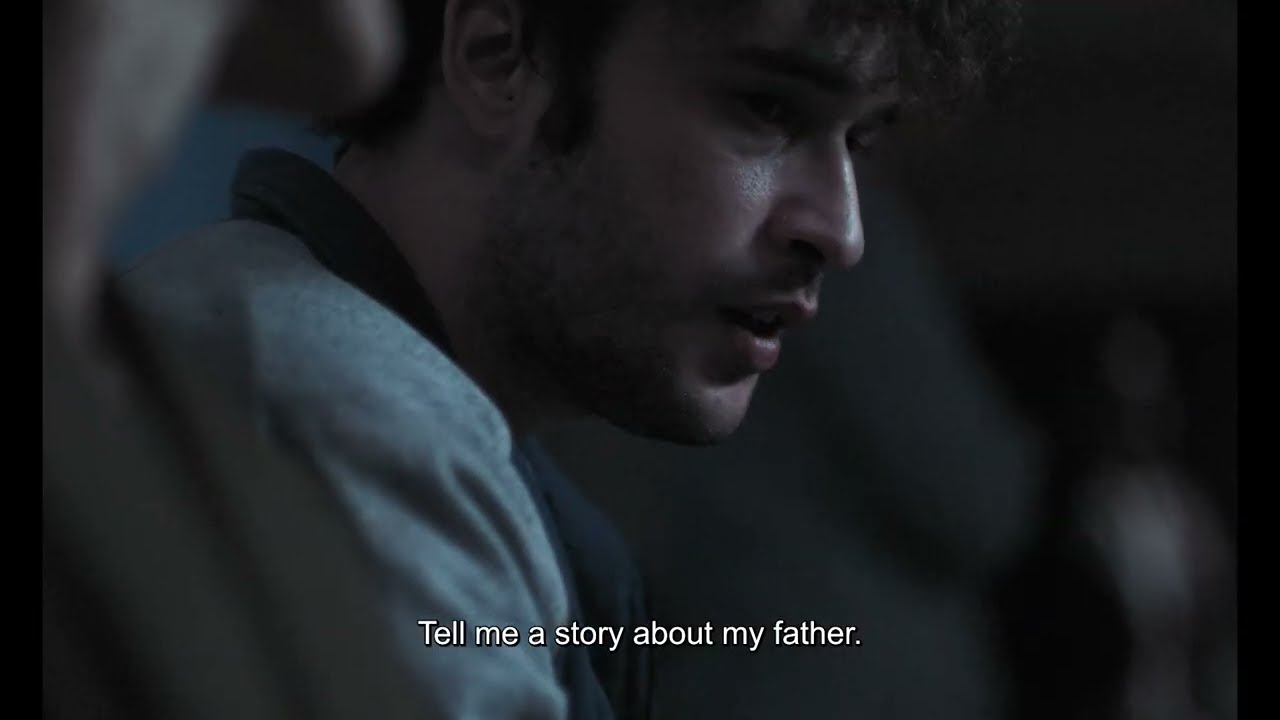
In A Whole Person Almost (2026), Ilias (Anastasis Georgoulas) arrives on a remote island to claim the inheritance left by his deceased father. What begins as a practical journey becomes an unexpected confrontation with family history when he encounters a portrait of his father that differs from the man he remembers. These conflicting perspectives challenge Ilias’s understanding of their relationship, raising questions about memory, personal identity and how well people truly know those closest to them. Directed by Efthimis Kosemund Sanidis, the Greek-language drama transforms an inheritance into an exploration of emotional legacy, revealing how discovering another person’s past can change the way individuals understand their own lives.
➡️ Storyline: Father’s Death → Remote Island → Inheritance → Unexpected Discoveries → Conflicting Memories → Reassessment of Family Identity.
Why to Watch A Whole Person Almost: A Family Drama About Memory, Identity and Inheritance
A Whole Person Almost explores how discovering an unfamiliar side of a deceased parent can challenge personal memories and reshape an individual’s understanding of family relationships and identity.
|
1. Award-Winning Direction |
Efthimis Kosemund Sanidis won Best Director in the Proxima Competition at Karlovy Vary 2026. |
|
2. Anastasis Georgoulas and Ensemble |
Georgoulas portrays Ilias, supported by Flomaria Papadaki, Konstadinos Avarikiotis, Elena Topalidou and Lena Giaka. |
|
3. Family Memory and Identity |
The film examines how discovering different perspectives on a deceased parent can challenge personal memories and emotional understanding. |
|
The isolated location provides a distinctive backdrop for a journey into family history, inheritance and personal reflection. |
|
|
5. European Arthouse Storytelling |
The narrative connects an intimate family mystery with broader questions about grief, truth and the complexity of human identity. |
➡️ Reason to Watch: A Greek-language family drama that transforms an inheritance journey into an exploration of memory, identity and the discovery that even those closest to us may remain partly unknown.
Why A Whole Person Almost Stands Out: Family History Challenges Personal Identity
A Whole Person Almost distinguishes itself by transforming a conventional inheritance story into an exploration of memory and personal identity. Ilias arrives on a remote island expecting to claim his father’s possessions but instead encounters a version of his father that contradicts his own experiences. This conflict between personal memory and unfamiliar perspectives creates the film’s central emotional tension, suggesting that family relationships are often shaped by incomplete knowledge and subjective interpretations. Rather than presenting inheritance simply as a material transaction, the film uses it as an opportunity to reconsider the past and question how identity is influenced by family history. Its reflective premise and European arthouse approach are supported by the director’s recognition at Karlovy Vary.
➡️ Why It Stands Out: A family drama that transforms inheritance into a journey of self-discovery, revealing how the past can challenge even our most deeply held memories.
Movie Trend: Family Legacy Dramas — Discovering the Past Reshapes the Present
Family Legacy Dramas explore how inherited histories, unresolved relationships and discoveries about previous generations influence personal identity. A Whole Person Almost reflects this trend through Ilias’s journey to claim his father’s inheritance, which becomes an unexpected confrontation with conflicting memories. The film examines how family legacies extend beyond material possessions to include emotional experiences, unfamiliar perspectives and incomplete understandings of the people who shaped our lives. By discovering a different portrait of his father, Ilias must reconsider the relationship between what he remembers and what others know. His journey suggests that understanding the past can change how individuals interpret their own identities and relationships.
➡️ Movie Trend Insight: Family Legacy Dramas reveal how discovering unfamiliar aspects of family history can challenge personal memories and transform the way individuals understand themselves.
Broad Trend: Identity / Self-Discovery — Understanding Others Helps Us Understand Ourselves
Identity / Self-Discovery reflects the psychological need to understand personal origins, relationships and the experiences that shape an individual’s sense of self. In A Whole Person Almost, Ilias’s encounter with unfamiliar perspectives on his deceased father forces him to reconsider a relationship he believed he understood. The film suggests that identity is shaped not only by individual experiences but also by family narratives, inherited memories and the influence of previous generations. As Ilias confronts the differences between his recollections and other people’s understanding of his father, his journey becomes an opportunity for personal reflection and a more complex understanding of his family history.
➡️ Broad Trend Insight: Self-discovery often begins when familiar narratives are challenged, revealing how personal identity is shaped by incomplete memories, family relationships and new perspectives.
Viewer Profile: Audiences Interested in Family Relationships, Memory and Personal Discovery
A Whole Person Almost is likely to appeal to audiences interested in reflective family dramas, European arthouse cinema and stories exploring the relationship between memory and identity. Its intimate premise and focus on conflicting perspectives offer particular appeal to viewers who appreciate emotionally complex narratives about family history and personal transformation.
|
European arthouse enthusiasts, family drama viewers and audiences interested in psychological and emotional storytelling |
|
|
Adult audiences interested in family relationships, personal identity and intergenerational experiences |
|
|
Interested in cultural cinema, personal reflection, family histories, psychology and emotionally complex relationships |
|
|
Intimate family dramas, European independent cinema, reflective storytelling and character-driven films |
|
|
Following Ilias as he discovers unfamiliar aspects of his father’s life and reconsiders his memories |
|
|
International film festivals, award-winning directors, European arthouse productions and unconventional family narratives |
|
|
Grief, curiosity, uncertainty, empathy and the desire to understand personal origins |
Key Profiles: Three Audiences, Three Reasons to Watch
1. Family Drama and Emotional Storytelling Audiences
Viewers attracted to narratives exploring complicated parental relationships, grief and the influence of family history. Ilias’s discoveries create an emotional conflict between the father he remembers and the person others describe.
2. Identity and Self-Discovery Cinema Enthusiasts
Audiences interested in stories about personal reflection, changing perspectives and the search for self-understanding. The film explores how discovering another person’s history can challenge an individual’s sense of identity.
3. European Arthouse and Festival Cinema Viewers
Viewers who appreciate intimate, character-driven European films and discover new directors through international festivals. The film’s Karlovy Vary Best Director award provides a notable point of interest for audiences following contemporary arthouse cinema.
➡️ Audience Insight: A Whole Person Almost connects family history with personal identity, appealing to viewers interested in reflective storytelling, emotional complexity and the discovery that memories do not always reveal the complete truth.
What This Movie Means for the Industry: Family Stories Find New Meaning Through Identity and Memory
A Whole Person Almost illustrates how European arthouse cinema can reinterpret familiar family narratives through questions of memory, identity and personal discovery. By transforming an inheritance journey into a confrontation with conflicting perspectives, Efthimis Kosemund Sanidis emphasizes the emotional significance of family history rather than material legacy. The film’s multinational European production background, Karlovy Vary Best Director award and Thessaloniki nomination demonstrate its presence within the international festival circuit, although they do not establish broader commercial demand. Its creative relevance lies in showing how intimate family stories can explore universal psychological questions without relying on large-scale dramatic events.
➡️ Industry Insight: Family-centered arthouse dramas can explore universal questions of identity by revealing how inherited histories and conflicting memories influence personal understanding.
Final Verdict: A Reflective Family Drama About Memory, Inheritance and Personal Identity
A Whole Person Almost (2026) is a Greek-language family drama that explores how discovering an unfamiliar side of a deceased parent can transform an individual’s understanding of the past. Efthimis Kosemund Sanidis uses Ilias’s journey to a remote island to examine the emotional complexity of inheritance, memory and family identity. The film’s strongest documented distinction is its Best Director award at Karlovy Vary 2026, while its IMDb rating of 4.5/10 from only 29 votes provides limited evidence of broader audience reception. Its reflective premise makes it particularly relevant to viewers who appreciate intimate European dramas and stories about personal discovery.
➡️ Final Verdict: A Whole Person Almost transforms a father’s inheritance into a personal journey through memory, identity and unfamiliar family history. Its central emotional conflict emerges from the discovery that the people closest to us may have lives we never fully understood. The film is particularly suited to audiences interested in reflective European arthouse cinema, complicated family relationships and the search for personal identity.
Final Insights: Understanding Family History Can Transform Personal Identity
The Identity / Self-Discovery trend reflects how individuals develop a deeper understanding of themselves by questioning familiar narratives and exploring their personal origins. A Whole Person Almost examines this process through Ilias’s discovery of a father whose life differs from the memories he carries.
The Family Legacy Dramas trend transforms inherited histories into opportunities for emotional reflection and personal growth. By challenging the reliability of memory, the film suggests that understanding family relationships requires accepting perspectives beyond our own. Sometimes discovering who we are begins with recognizing how little we truly know about those who shaped us.
➡️ Final Insight: Identity / Self-Discovery → Family Legacy Dramas → Personal Understanding Through Reconsidered Family Memories. A Whole Person Almost explores how discovering unfamiliar aspects of a parent’s life can challenge personal identity and reshape the meaning of family history. The creative opportunity lies in developing emotionally complex family dramas that connect inherited memories with universal questions of identity and self-understanding.






Leave a Reply