
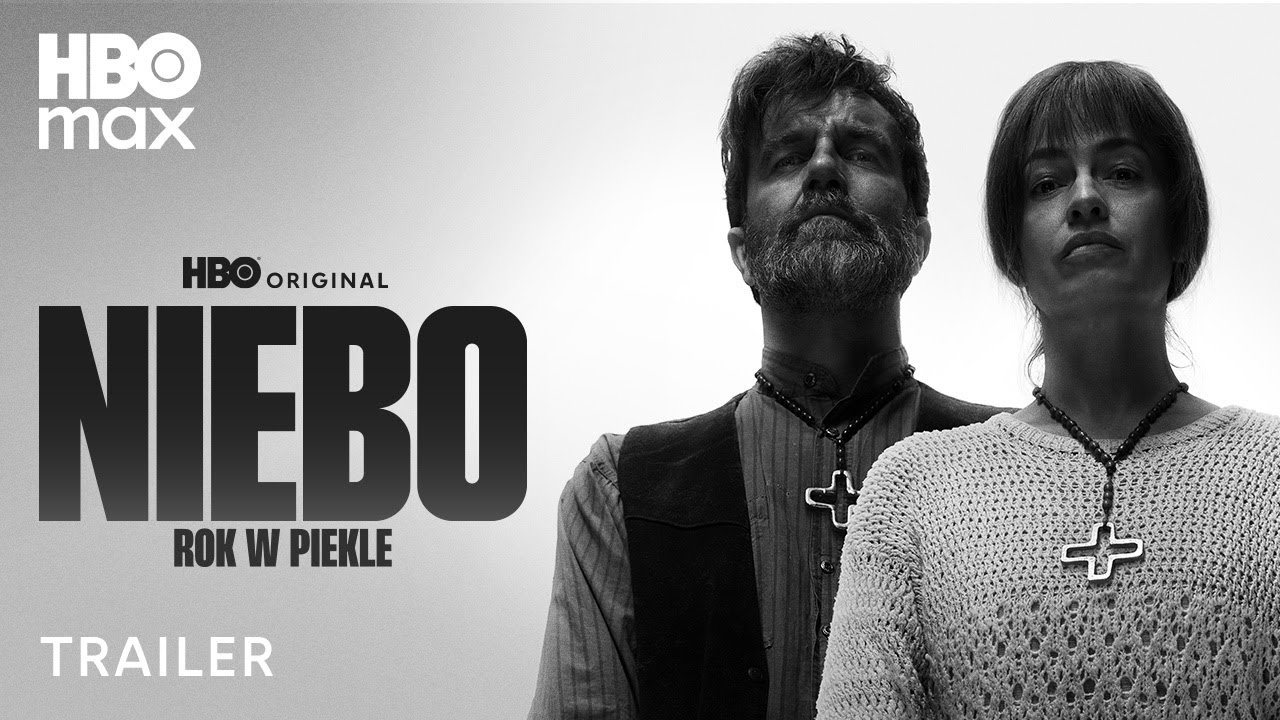
A Psychological Drama About Cult Manipulation, Faith, and the Destruction of Personal Identity
Set in Poland during the early 1990s and inspired by true events, Heaven: A Year in Hell follows Sebastian, an idealistic young man who abandons his university studies after becoming involved with a religious sect. What initially appears to offer purpose, belonging, and spiritual fulfillment gradually evolves into an increasingly disturbing psychological prison, forcing him to confront manipulation, fear, and the loss of his own identity.
Rather than relying on sensational violence or conventional thriller tropes, the six-part HBO Max miniseries explores the subtle mechanisms of coercion and emotional control that define destructive cults. Through intimate character-driven storytelling, the series examines how charismatic leaders exploit vulnerability, making Heaven: A Year in Hell as much a psychological study as it is a suspenseful drama inspired by real-life events.
Quick Facts: A Chilling Psychological Thriller Inspired by True Events
|
Psychological Drama, Thriller |
|
|
Religious Cults, Psychological Manipulation, Faith, Identity, Power |
|
|
Stanisław Linowski, Tomasz Kot, Zofia Jastrzębska, Magdalena Różczka |
|
|
December 26, 2025 (United States) |
|
|
Streaming on HBO Max (Max). |
➡️ Key Takeaway: Heaven: A Year in Hell offers a deeply unsettling psychological examination of cult manipulation rather than a conventional crime thriller. Its true-story inspiration and emotionally driven storytelling make it one of Poland’s most compelling recent television dramas.
Should You Watch It?: One of the Most Thought-Provoking Psychological Miniseries of the Year
If you enjoy psychological dramas that prioritize character development over action, Heaven: A Year in Hell is an absorbing and emotionally challenging experience. Instead of focusing on physical violence, the series examines how manipulation gradually reshapes a person’s beliefs, emotions, and sense of self, making its slow-burning narrative increasingly disturbing with each episode.
The performances, particularly by Stanisław Linowski and Tomasz Kot, anchor the story in emotional realism, while the restrained pacing allows viewers to understand the psychological mechanisms behind coercion rather than simply witnessing their consequences. Fans of intelligent dramas based on true events will likely appreciate its nuanced approach to a difficult subject.
➡️ Key Takeaway: Heaven: A Year in Hell is best suited to viewers looking for thoughtful psychological storytelling rather than fast-paced suspense. Its greatest strength lies in its emotional authenticity and unsettling realism.
Why Everyone Is Talking About It?: A Rarely Explored Look Inside the Psychology of Cults
Unlike many films and television series that portray cults through violence or sensationalism, Heaven: A Year in Hell focuses almost entirely on psychological manipulation. The series carefully illustrates how isolation, emotional dependency, fear, and gradual indoctrination can transform ordinary people into devoted followers, making its portrayal particularly unsettling because it feels believable.
The production has also received praise for treating its subject with sensitivity and restraint. Inspired by true events, it encourages audiences to understand how cults operate rather than simply presenting them as mysterious or extreme organizations, creating a series that continues to provoke discussion long after each episode ends.
➡️ Key Takeaway: The series stands out because it explores how manipulation works from the inside rather than simply depicting its consequences. Its psychological focus gives it lasting emotional and social relevance.
Movie Trend: Psychological True Stories Are Replacing Traditional Crime Dramas
Recent television dramas have increasingly shifted away from sensational true-crime storytelling toward psychological explorations of real events. Rather than asking what happened, these productions examine why people become vulnerable to manipulation, radicalization, and emotional control.
Heaven: A Year in Hell reflects this growing trend by placing psychology above spectacle. Its exploration of faith, identity, and emotional dependency demonstrates how modern prestige television is increasingly interested in the inner lives of its characters instead of relying solely on dramatic plot twists.
➡️ Key Takeaway: Audiences are increasingly drawn to psychological dramas that explain human behavior rather than simply dramatizing shocking events. Heaven: A Year in Hell is a powerful example of this evolution in contemporary television storytelling.
Who Should Watch It?: Essential Viewing for Fans of Psychological Drama
The series is particularly suited to viewers interested in stories that examine human psychology, faith, and manipulation. Its measured pacing rewards audiences who enjoy character-driven narratives and emotionally complex storytelling over conventional thriller action.
Audience Profile: The Psychological Drama Enthusiast
The Psychological Drama Enthusiast enjoys series that examine human behavior, moral ambiguity, and emotional transformation. They are drawn to stories inspired by true events and appreciate productions that challenge audiences intellectually as well as emotionally.
-
Core Audience: Fans of psychological dramas and true-story adaptations
-
Secondary Audience: Viewers interested in religion, cult psychology, and European television
-
Age: 18–60
-
Gender: Broad appeal
-
Income: Broad audience
-
Lifestyle: Curious, reflective, and interested in complex human stories
-
Shopping Behaviour: Regular streaming subscribers who actively seek critically acclaimed international series
➡️ Key Takeaway: Heaven: A Year in Hell is ideal for audiences who appreciate intelligent, emotionally rich storytelling that explores the complexities of human belief, identity, and manipulation.
What This Series Means for the Industry: Prestige Television Continues to Explore the Psychology Behind True Crime
Heaven: A Year in Hell reflects a growing shift in international television away from sensationalized true-crime storytelling and toward psychologically driven dramas inspired by real events. Rather than focusing on shocking crimes or graphic violence, the series examines the emotional mechanisms that allow manipulation, coercion, and abuse of power to flourish. This approach aligns with the increasing demand for prestige dramas that encourage audiences to understand complex human behavior instead of simply witnessing tragedy.
The series also highlights the growing international profile of Polish television production. With streaming platforms investing heavily in local-language originals, productions like Heaven: A Year in Hell demonstrate that culturally specific stories can resonate with global audiences when they address universal themes such as identity, faith, vulnerability, and the search for belonging. It reinforces Poland’s reputation as a producer of sophisticated psychological dramas capable of competing on the international stage.
➡️ Key Takeaway: Heaven: A Year in Hell represents the evolution of prestige television toward psychologically authentic storytelling rooted in real-world experiences. Its success further demonstrates how international productions can combine local perspectives with globally relevant themes to reach audiences far beyond their country of origin.
Creative Analysis: A Psychological Portrait of Faith, Manipulation, and Lost Identity
Storytelling: A Slow-Burning Descent into Psychological Control
Rather than presenting cult life as immediate horror, Heaven: A Year in Hell carefully follows the gradual transformation of its protagonist, Sebastian, from an optimistic university student into a psychologically dependent member of a religious sect. This measured approach allows viewers to experience the subtle progression of manipulation, illustrating how belonging, purpose, and emotional support can slowly become tools of control.
Inspired by true events, the narrative avoids sensationalism in favor of emotional realism. Every episode reveals another layer of the cult’s influence, demonstrating that psychological domination is rarely achieved through force alone. Instead, it develops through trust, fear, isolation, and the gradual erosion of personal identity, making the series both unsettling and deeply believable.
➡️ Key Takeaway: Heaven: A Year in Hell succeeds by portraying manipulation as a gradual psychological process rather than a sudden act of violence. Its patient storytelling creates an emotionally authentic portrait of how ordinary people can become trapped in destructive belief systems.
Direction: Building Suspense Through Emotional Realism
The directing approach favors restraint over spectacle, allowing tension to emerge naturally through silence, uncertainty, and increasingly uncomfortable interpersonal dynamics. Instead of relying on dramatic confrontations, the series creates suspense by observing how emotional dependency develops inside a seemingly supportive religious community.
This understated style reinforces the story’s realism. Everyday conversations, shared rituals, and moments of apparent kindness gradually reveal darker intentions, encouraging viewers to question both the motivations of the cult leaders and the vulnerability of those who choose to follow them. The result is a psychological thriller where emotional discomfort becomes more powerful than conventional action.
➡️ Key Takeaway: The direction transforms ordinary interactions into moments of psychological suspense, proving that emotional manipulation can be more disturbing than physical violence.
Performances: Emotionally Honest Characters at the Center of the Story
Stanisław Linowski delivers a deeply vulnerable performance as Sebastian, capturing the character’s emotional evolution from hopeful idealism to growing confusion, fear, and dependency. His portrayal avoids exaggeration, instead emphasizing the subtle emotional shifts that make his transformation believable throughout the series.
Tomasz Kot provides an equally compelling presence as Piotr, embodying the quiet authority and charisma often associated with manipulative leaders. Supporting performances from Zofia Jastrzębska, Magdalena Różczka, and the wider ensemble further strengthen the emotional authenticity of the story, ensuring that every character contributes meaningfully to the psychological tension.
➡️ Key Takeaway: The performances ground the series in emotional realism, allowing viewers to understand the psychological complexity of both manipulation and vulnerability.
Cinematography & Visual Style: Creating Anxiety Through Intimate Realism
The visual language of Heaven: A Year in Hell favors naturalistic cinematography that keeps audiences emotionally close to its characters. Rather than using stylized horror imagery, the series creates discomfort through confined interiors, subdued color palettes, and intimate framing that reflects Sebastian’s increasingly limited sense of freedom.
As the story progresses, the visual atmosphere subtly shifts alongside the protagonist’s psychological state. Familiar environments begin to feel oppressive, reinforcing the emotional isolation experienced by the characters. This restrained aesthetic complements the narrative’s emphasis on internal conflict rather than external spectacle.
➡️ Key Takeaway: The series uses understated cinematography to mirror psychological imprisonment, creating a visual style that quietly intensifies the emotional impact of the story.
Themes & Messages: Faith, Power, and the Fragility of Human Identity
At its heart, Heaven: A Year in Hell explores how the universal search for meaning, belonging, and spiritual purpose can be exploited by individuals seeking power over others. The series examines the emotional mechanisms behind coercion, revealing how fear, loyalty, shame, and dependence gradually replace independent thought.
The story also encourages broader reflection on authority and belief. Rather than criticizing religion itself, it distinguishes genuine faith from manipulation, inviting audiences to consider how charismatic leaders can distort trust and compassion into instruments of psychological control. This nuanced perspective gives the series lasting emotional and social relevance.
➡️ Key Takeaway: The series is ultimately about the abuse of power rather than religion itself. It explores how manipulation can corrupt the most fundamental human desires for community, purpose, and hope.
What Makes This Series Different?: A Psychological Thriller That Prioritizes Understanding Over Sensation
Many dramas about cults emphasize shocking violence or criminal investigations, but Heaven: A Year in Hell takes a far more intimate approach. Instead of focusing on spectacular events, it examines the emotional and psychological journey that leads ordinary people into destructive communities, making the story feel both authentic and profoundly unsettling.
Its inspiration from true events further strengthens this perspective, reminding viewers that the most disturbing aspects of the story are rooted in real human experiences. By choosing empathy over sensationalism, the series becomes not only an engaging psychological thriller but also an important exploration of manipulation, trauma, and resilience.
➡️ Key Takeaway: Heaven: A Year in Hell distinguishes itself by examining the psychology of cults from the inside. Its thoughtful, character-driven approach makes it one of the most emotionally powerful European psychological dramas of recent years.
If You Liked Heaven: A Year in Hell: More Psychological Dramas About Cults, Faith, and Manipulation
The Clearing (2023) by Jeffrey Walker & Gracie Otto
Inspired by real events surrounding the Australian cult known as The Family, The Clearing explores the long-lasting psychological trauma experienced by survivors of coercive religious communities. Like Heaven: A Year in Hell, it focuses less on physical violence and more on emotional manipulation, identity loss, and the lasting impact of charismatic leadership. Both series reveal how vulnerable individuals can gradually become trapped in systems of control that appear caring on the surface.
The Path (2016–2018) by Jessica Goldberg
This critically acclaimed drama follows members of a controversial spiritual movement as they struggle with faith, loyalty, and personal freedom. Rather than portraying cults as simple villains, The Path examines the emotional complexities of belief, making it an excellent companion to Heaven: A Year in Hell. Both series ask difficult questions about why people join religious movements and what it takes to break free.
Wild Wild Country (2018) by Chapman Way & Maclain Way
This Emmy Award-winning documentary chronicles the rise and fall of the Rajneesh movement in the United States, exploring the intersection of spirituality, power, politics, and mass manipulation. Although presented as a documentary rather than a scripted drama, it provides fascinating real-world context for many of the psychological themes explored in Heaven: A Year in Hell.
➡️ Key Takeaway: Each of these series explores how belief, belonging, and charismatic leadership can shape—and sometimes destroy—individual identity. Like Heaven: A Year in Hell, they prioritize psychological realism over sensationalism, offering thoughtful examinations of manipulation, faith, and human vulnerability.
Viewing Recommendation: Essential Viewing for Fans of Intelligent Psychological Television
Best Suited For: Viewers Interested in Human Psychology and True Stories
Heaven: A Year in Hell is ideal for audiences who appreciate psychologically complex dramas inspired by real events. Its careful exploration of manipulation, emotional dependency, and personal transformation rewards viewers looking for thoughtful storytelling rather than conventional thriller action.
Highly Recommended For: Fans of Prestige European Drama and Character-Driven Thrillers
Viewers who enjoyed The Clearing, The Path, Wild Wild Country, Under the Banner of Heaven, or The Leftovers will likely appreciate Heaven: A Year in Hell‘s nuanced examination of faith, power, and identity. It is also highly recommended for audiences seeking high-quality European productions that combine compelling performances with meaningful social commentary.
You May Want to Skip It If: You Prefer Fast-Paced Action or Conventional Crime Thrillers
The series unfolds deliberately, placing its emphasis on emotional development and psychological tension rather than plot twists or physical violence. Those looking for action-heavy suspense or traditional crime investigations may find its measured pace challenging.
➡️ Viewing Recommendation: Heaven: A Year in Hell stands among the strongest recent psychological dramas about cults and coercive control. Its emotional authenticity, outstanding performances, and thoughtful storytelling make it one of Poland’s most compelling television productions.
Final Verdict: A Powerful Examination of the Psychology Behind Belief and Manipulation
Heaven: A Year in Hell distinguishes itself through its sensitive, psychologically authentic portrayal of cult manipulation and the devastating effects of emotional coercion. Rather than relying on sensationalism, it patiently examines how ordinary people can lose themselves in systems built on fear, dependence, and unquestioning loyalty.
As prestige television continues to embrace true stories rooted in psychology rather than spectacle, the series represents another important milestone for Polish drama on the international stage. Through exceptional performances and thoughtful storytelling, it offers a deeply human exploration of faith, identity, and resilience that lingers long after the final episode.
➡️ Final Verdict: Heaven: A Year in Hell is an emotionally powerful and intellectually engaging psychological drama that transforms a true story into a compelling exploration of manipulation, belief, and the enduring strength of the human spirit.





Leave a Reply