
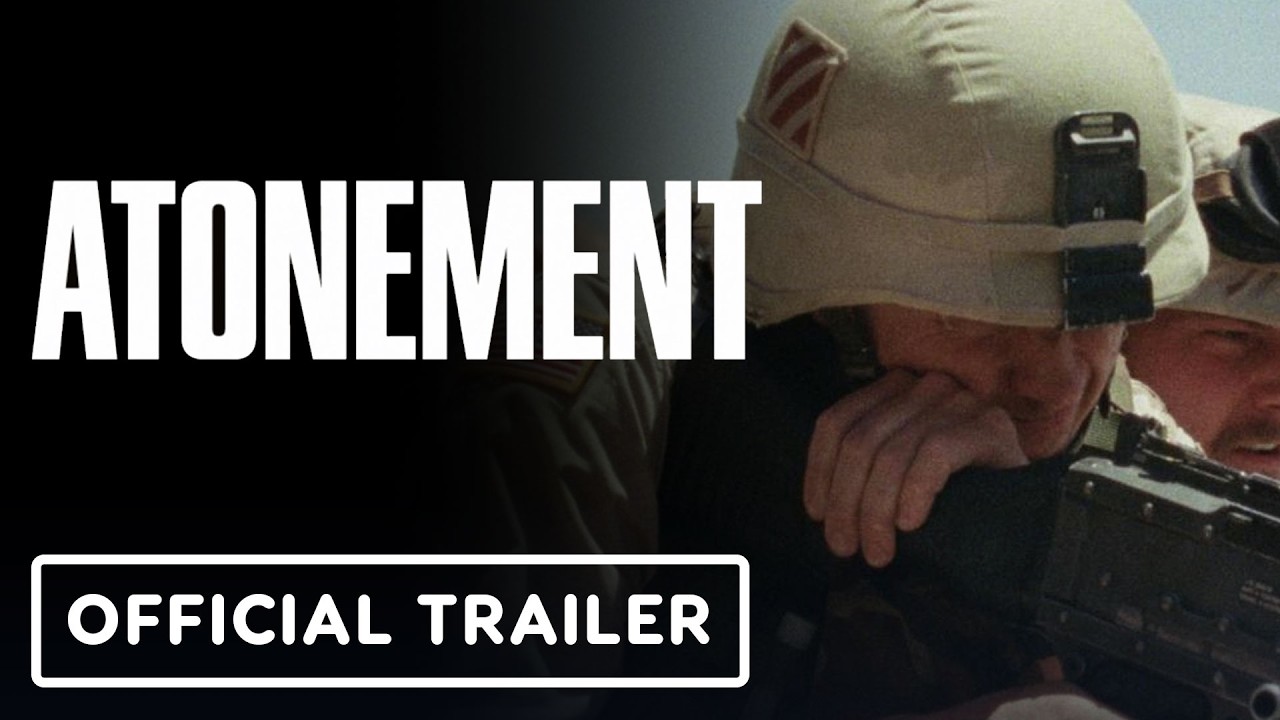
US | 2026 | 118 min | Drama / War
A Former Marine Seeks Forgiveness From an Iraqi Family After a Tragic Wartime Shooting
In Atonement (2026), Lou D’Alessandro (Boyd Holbrook), a troubled American Marine, attempts to reconcile with the survivors of an Iraqi family that he and his military unit fired upon in 2003. Haunted by the consequences of the incident, he seeks to confront the suffering connected to his past actions and establish a human connection with those affected by the violence. His journey brings together people whose lives have been shaped by loss, trauma and profoundly different experiences of the Iraq War. Directed by Reed Van Dyk, the film explores whether understanding, empathy and shared vulnerability can create possibilities for reconciliation after irreversible harm.
➡️ Storyline: Iraq War in 2003 → Tragic Military Shooting → Survivors’ Loss → Marine’s Guilt → Search for Reconciliation → Confrontation With the Past → Possibility of Understanding and Healing.
Why to Watch Atonement: A War Drama About Guilt, Empathy and Human Connection
Atonement combines the psychological aftermath of war, moral responsibility and the search for understanding in a character-driven drama about the human consequences of military violence.
|
1. A Powerful Moral Conflict |
A troubled Marine seeks reconciliation with the survivors of an Iraqi family harmed during a military shooting in 2003. |
|
2. A Strong International Cast |
Boyd Holbrook, Kenneth Branagh, Hiam Abbass and Gheed portray characters affected by loss, trauma and the search for healing. |
|
3. A Human Perspective on War |
Rather than focusing exclusively on combat, the film explores the emotional consequences of violence for soldiers and civilians. |
|
4. Cannes Film Festival Recognition |
Reed Van Dyk received nominations for the Directors’ Fortnight Audience Award and Golden Camera at Cannes in 2026. |
|
5. Positive Critical Reception |
A Metascore of 76/100 indicates generally favorable critical reviews, while the supplied audience reviews praise the performances and emotional storytelling. |
➡️ Reason to Watch: A war drama exploring how empathy, moral responsibility and the search for human connection can challenge the emotional divisions created by violence.
Why Atonement Stands Out: Reconciliation Becomes a Search for Human Understanding
Atonement stands out by shifting the focus of war cinema from military conflict to the difficult emotional relationships between people connected by wartime violence. Rather than presenting the Iraq War primarily through combat or political strategy, the film follows a former Marine attempting to confront the survivors of a tragic incident involving his unit. This encounter creates a morally complex situation in which guilt, grief and responsibility coexist with the possibility of understanding. Through the perspectives of those affected, the film examines whether meaningful human connection can emerge across profound differences in experience, culture and suffering without diminishing the consequences of past actions.
➡️ Why It Stands Out: A character-driven war drama that explores reconciliation through empathy, moral accountability and the possibility of human understanding after traumatic violence.
Movie Trend: War Reconciliation Dramas — Exploring the Human Consequences of Conflict
War Reconciliation Dramas explore how armed conflict continues to shape relationships, personal identity and emotional well-being long after the violence has ended. Atonement reflects this cinematic direction through a former Marine who seeks reconciliation with Iraqi survivors affected by his unit’s actions in 2003. His journey transforms a military incident into a personal confrontation with guilt, responsibility and the suffering of others. Rather than suggesting that forgiveness can erase the past, the film examines the difficulty of establishing communication between people whose experiences of the same conflict are profoundly unequal. Through this moral tension, the story explores how reconciliation may begin with acknowledging harm, listening to others and confronting painful truths.
➡️ Movie Trend Insight: War reconciliation dramas move beyond the battlefield to examine how guilt, grief and moral responsibility shape the difficult process of rebuilding human understanding after conflict.
Broad Trend: Understanding / Connection — Rebuilding Human Relationships Across Painful Divisions
Understanding / Connection reflects the human desire to recognize others’ experiences, overcome emotional distance and establish meaningful relationships through empathy. In Atonement, this motivation emerges through a former Marine’s attempt to connect with Iraqi survivors whose lives were transformed by a military shooting. Their experiences of the Iraq War are shaped by different forms of suffering, creating emotional and cultural barriers that cannot be resolved through simple expressions of regret. The possibility of reconciliation depends on acknowledging these differences and confronting the human consequences of violence. Through this encounter, the film explores how empathy and understanding can create opportunities for connection while preserving the importance of accountability and recognizing that forgiveness cannot be demanded.
➡️ Broad Trend Insight: The desire for understanding becomes especially meaningful when conflict creates profound emotional divisions, encouraging individuals to recognize others’ suffering and seek connection without denying past harm.
Viewer Profile: Audiences Interested in War, Human Connection and Moral Reconciliation
Atonement may appeal to war drama enthusiasts, independent cinema viewers and audiences interested in moral responsibility, cross-cultural understanding and emotional reconciliation. Its emphasis on the experiences of Iraqi civilians alongside those of an American Marine suggests particular relevance for viewers who appreciate human-centered stories about conflict. These profiles are editorial hypotheses rather than measured audience demographics.
|
War drama enthusiasts, psychological drama viewers, independent cinema followers and audiences interested in reconciliation |
|
|
Potentially adult audiences interested in history, political conflict, moral complexity and emotional storytelling |
|
|
Interested in international affairs, human rights, cultural understanding, psychology and socially relevant cinema |
|
|
Psychological war dramas, historical dramas, character-driven independent films and humanist cinema |
|
|
Discovering how a former Marine confronts the survivors of a tragic wartime incident and attempts to establish reconciliation |
|
|
Cannes-recognized films, critically acclaimed performances, true-event-inspired stories and morally complex narratives |
|
|
Understanding, connection, empathy, compassion, responsibility and the desire for reconciliation |
Key Profiles: Three Audiences, Three Reasons to Watch
1. Psychological War Drama Enthusiasts
Audience Description: Viewers interested in films examining the emotional consequences of military conflict rather than focusing exclusively on combat. The Marine’s attempt to confront his past provides a story about guilt, trauma and moral responsibility.
2. Humanist and Socially Conscious Cinema Viewers
Audience Description: Audiences drawn to stories exploring empathy, cultural differences and the human consequences of political violence. The film’s attention to Iraqi survivors offers a perspective on war that emphasizes civilian suffering and the possibility of understanding across profound divisions.
3. Independent and Festival Cinema Audiences
Audience Description: Viewers interested in character-driven films, international festival selections and emotionally complex performances. The Cannes nominations, Reed Van Dyk’s feature debut and performances by Boyd Holbrook, Hiam Abbass and Kenneth Branagh provide reasons to discover the film.
➡️ Audience Insight: Atonement connects with potential viewers through the universal desire for understanding and human connection, exploring how people affected by conflict confront guilt, grief and the possibility of reconciliation.
What This Movie Means for the Industry: War Cinema Shifts Toward Empathy and Human Connection
Atonement illustrates how contemporary war dramas can move beyond battlefield narratives to examine the emotional relationships between soldiers, civilians and survivors of armed conflict. By focusing on a former Marine’s attempt to reconcile with an Iraqi family, the film explores moral responsibility while giving attention to those whose lives were devastated by military violence. Inspired by true events and a reported account by Dexter Filkins, the story demonstrates how journalism can provide the foundation for psychologically complex cinematic narratives. For filmmakers, the creative opportunity lies in developing human-centered war stories that balance different perspectives, recognize unequal experiences of suffering and explore reconciliation without simplifying questions of accountability.
➡️ Industry Insight: Human-centered war dramas can broaden the emotional and cultural perspectives represented in conflict cinema, connecting historical events with universal questions about empathy, responsibility and human connection.
Final Verdict: A Moving War Drama About the Difficult Search for Reconciliation
Atonement (2026) presents a psychologically complex war drama about a former American Marine attempting to reconcile with Iraqi survivors affected by his unit’s actions during the 2003 Iraq War. Reed Van Dyk’s feature directorial debut emphasizes the emotional consequences of violence through performances by Boyd Holbrook, Hiam Abbass and Kenneth Branagh. Its Cannes recognition and Metascore of 76/100 indicate favorable critical attention, while the supplied IMDb rating of 6.0/10 from 233 votes suggests a more moderate early audience response. The film’s central strength lies in its exploration of guilt, empathy and the difficult possibility of connection between people whose lives have been shaped by irreversible harm.
➡️ Final Verdict Insight: A human-centered war drama that explores the emotional complexity of reconciliation, emphasizing empathy, moral accountability and the possibility of understanding across painful divisions.
Final Insights: Human Understanding Can Emerge From the Consequences of Conflict
The Understanding / Connection trend reflects the human desire to recognize others’ experiences, overcome emotional divisions and establish meaningful relationships through empathy. Atonement explores this motivation through a former Marine’s attempt to reconnect with Iraqi survivors whose lives were devastated by a wartime shooting. Their encounter reveals how acknowledging suffering and confronting responsibility can create possibilities for understanding without erasing the consequences of violence.
The War Reconciliation Dramas trend transforms these experiences into stories about moral conflict, emotional vulnerability and the difficult process of rebuilding human relationships after war. By emphasizing the perspectives of those affected by violence, the film explores reconciliation as a complex encounter rather than a guaranteed resolution. Its broader creative opportunity is to develop war dramas that foreground civilian experiences, emotional authenticity and cross-cultural empathy, connecting historical conflicts with universal questions about responsibility, understanding and human connection.
➡️ Final Insight: Understanding / Connection → War Reconciliation Dramas → Rebuilding Human Understanding After Conflict. Atonement explores how people divided by wartime violence confront guilt, grief and the possibility of reconciliation. The film highlights the potential of human-centered war cinema to deepen empathy, expand perspectives and explore meaningful connection without overlooking moral accountability.






Leave a Reply