
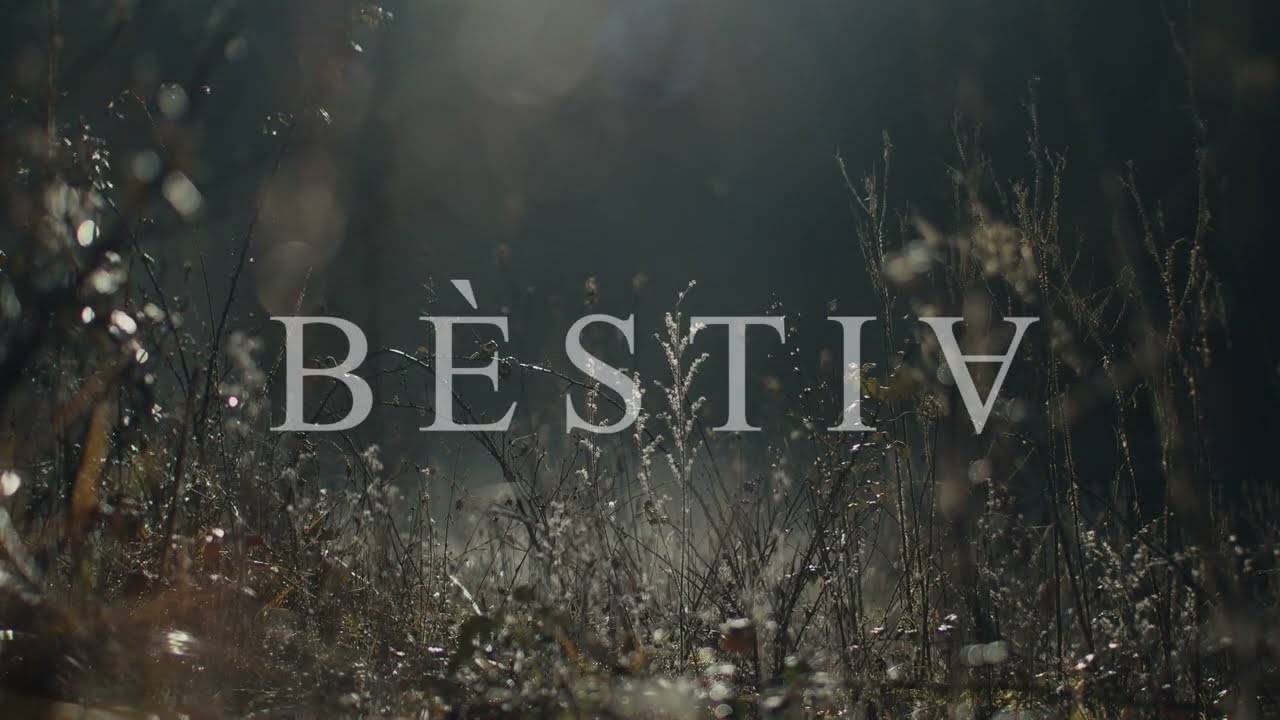
A raw and contemplative documentary exploring human instinct, isolation, and the clash between tradition and modern values
Where nature shelters those who no longer fit
Bèstia follows three hunters living in inland Catalonia, each navigating solitude, identity, and the passage of time in a world increasingly disconnected from their way of life. Through their routines and relationships, the film captures lives lived on the margins of modern society.
The narrative unfolds through an observational lens, avoiding judgment while revealing deep emotional and philosophical tensions. The story builds around contrasts—rural versus urban, instinct versus ideology, tradition versus change. As a young vegan filmmaker documents their lives, the film becomes a dialogue between opposing worldviews. Symbolically, it reflects humanity’s primal connection to nature and the struggle to reconcile it with modern ethics.
Why It Is Trending: A thought-provoking documentary reflecting the growing divide between rural tradition and modern ideology
Bèstia is trending within documentary and festival circuits due to its exploration of conflicting value systems—nature versus modern morality. The film taps into contemporary debates around sustainability, ethics, and identity.
Its World Premiere at DocsBarcelona (2026) positions it within a respected documentary platform. The perspective of a vegan filmmaker observing hunters creates a compelling narrative tension that resonates with modern audiences. The film appeals to viewers interested in environmental, ethical, and philosophical questions. Its quiet, observational style aligns with the growing demand for reflective documentary storytelling.
Elements Driving the Trend: Authentic characters, ethical tension, and observational storytelling
The film’s core appeal lies in its real-life subjects and their unfiltered portrayal. Its narrative hook is the coexistence of opposing ideologies within a shared space.
Characters like Palomero, Bernat, and Nen represent different facets of rural identity and isolation. The filmmaker’s presence introduces an external perspective, creating a subtle but powerful conflict. The film’s minimalist approach allows viewers to interpret rather than be directed, enhancing its depth.
Virality of Movie (Social Media Coverage): Niche engagement driven by ethical debate and festival exposure
Bèstia generates engagement primarily within documentary audiences and festival communities. Discussions center around its ethical themes and contrasting perspectives.
Its subject matter—hunting through the lens of a vegan filmmaker—encourages debate and reflection. While not mainstream viral, it holds strong intellectual and cultural traction.
Critics Reception: Early festival positioning suggests strong critical interest in its thematic depth
As a festival documentary, Bèstia is positioned for critical appreciation rather than mass-market reception. Early attention highlights its nuanced and non-judgmental storytelling approach.
Critics are likely to focus on its philosophical exploration and character-driven narrative. Its strength lies in its ability to provoke thought without imposing conclusions.
Awards and Recognitions: Festival debut signaling emerging documentary voice
The film had its World Premiere at DocsBarcelona (Docs&Cat, May 2026), marking an important entry point into the international documentary circuit.
As a debut feature by Helena Garza, it positions her as an emerging voice in observational documentary filmmaking. Festival exposure serves as its primary recognition.
Director and Cast: Helena Garza’s observational debut capturing real lives with quiet intensity
Helena Garza adopts a restrained, observational approach that emphasizes authenticity and reflection. Her direction avoids imposing judgment, allowing the subjects to define their own narratives.
The film features real individuals rather than actors, grounding it in realism. Their natural presence and lived experiences create emotional depth and credibility.
The film trends because: Ethical conflict meets authentic rural storytelling
-
Rural vs modern values explored through real human experiences
-
Ethical debates around nature and survival resonate globally
-
Observational documentaries gain traction in festival circuits
The industry is increasingly supporting documentaries that explore complex, real-world contradictions.
Conclusion: A quiet yet powerful documentary examining humanity’s place between nature and modernity
Bèstia stands out for its thoughtful and unfiltered exploration of human existence within nature. Its strength lies in its refusal to simplify or judge its subjects.
Culturally, it reflects the growing tension between traditional lifestyles and modern ideologies. From an industry perspective, it highlights the importance of emerging voices in documentary filmmaking. Ultimately, it positions itself as a reflective and challenging exploration of identity, survival, and belief.
What Movie Trend Is Followed: The rise of observational documentaries exploring ethical conflict between tradition and modern values
Bèstia follows the trend of observational ethical documentaries, where filmmakers immerse themselves in real communities to explore moral contradictions without imposing judgment. These films often position opposing belief systems—such as hunting versus veganism—within the same narrative space.
Emotionally, the trend builds tension through contrast rather than conflict, allowing viewers to sit with discomfort and ambiguity. It remains accessible because it focuses on real people and lived experiences. The trend resonates because it reflects the complexity of modern identity, where traditional practices and contemporary values collide.
Trend Drivers: Audience demand for authenticity and nuanced storytelling
Audiences are increasingly drawn to documentaries that avoid clear moral binaries and instead present layered perspectives. This shift reflects a desire for authenticity and deeper understanding.
From an industry perspective, observational documentaries are gaining traction in festivals and curated platforms. They are valued for their artistic integrity and ability to provoke thought. Emerging filmmakers are particularly drawn to this format as a way to explore complex subjects.
What Is Influencing Trend: Growing ethical awareness and environmental consciousness
Modern audiences are more engaged with issues related to sustainability, animal rights, and environmental impact. Films like Bèstia tap into these concerns by presenting real-world practices within a broader ethical context.
Generationally, younger viewers are more open to questioning traditional norms. Emotionally, this creates narratives centered on tension, reflection, and reevaluation of beliefs.
Macro Trends Influencing: The expansion of documentary cinema as a space for philosophical exploration
Documentary filmmaking is evolving beyond information delivery into a medium for philosophical inquiry. Festivals such as DocsBarcelona play a key role in promoting such work.
Culturally, audiences are embracing slower, more contemplative storytelling. Lifestyle shifts, including access to global content, allow these films to reach wider audiences despite niche appeal.
Consumer Trends Influencing: Preference for thought-provoking, discussion-driven content
Viewers are increasingly engaging with content that challenges their perspectives and encourages dialogue. Documentaries like Bèstia create space for interpretation rather than delivering definitive answers.
Audience behavior includes discussing themes, debating viewpoints, and reflecting on personal beliefs. This makes such films highly impactful within intellectual and cultural circles.
Audience Analysis: Culturally aware viewers seeking depth, realism, and ethical reflection
The primary audience falls within the 25–60 age range, including cinephiles, academics, and socially conscious viewers. These audiences are typically interested in global issues and cultural narratives.
Lifestyle-wise, they engage with festival circuits, independent cinema, and curated streaming platforms. Behaviorally, they prefer slow-paced, reflective storytelling. Their viewing habits include documentaries, art-house films, and socially relevant content.
They value authenticity, nuance, and intellectual engagement. Their preferences lean toward films that challenge assumptions and offer multiple perspectives.
Conclusion: A niche but influential trend shaping the future of documentary storytelling
This trend works because it embraces complexity and avoids oversimplification, allowing audiences to engage deeply with the subject matter. Its scalability is limited but growing through digital distribution and festival exposure.
Sustainability is reinforced by increasing interest in ethical and environmental issues. The industry continues to support such films for their cultural and intellectual value. As audiences seek more meaningful content, this trend is expected to remain significant within documentary cinema.
Final Verdict: A contemplative and ethically complex documentary that challenges perception through quiet observation
Bèstia positions itself as a thoughtful and introspective documentary that resists easy conclusions. Culturally, it reflects a growing need to understand opposing worldviews rather than judge them, especially in debates around nature, survival, and ethics.
From an industry perspective, the film aligns with the rise of slow, observational documentaries that prioritize reflection over narrative resolution. It resonates with audiences seeking depth, ambiguity, and authenticity. In the long term, it contributes to a broader shift toward documentaries as spaces for philosophical inquiry.
Audience Relevance: Emotional connection through empathy and curiosity
The film engages audiences by presenting real individuals whose lives are rarely explored with nuance. This creates a sense of empathy, even when viewers may disagree with their choices.
At the same time, the presence of the filmmaker’s contrasting perspective invites viewers to question their own beliefs. This dual engagement deepens the emotional experience.
What Is the Message of Movie: Understanding begins when judgment is suspended
At its core, Bèstia suggests that truth is not absolute but shaped by perspective and experience. The film encourages viewers to move beyond preconceived notions.
It highlights the importance of coexistence and dialogue between differing value systems. The message is less about answers and more about openness to complexity.
Relevance to Audience: Reflecting modern tensions between ethics, identity, and tradition
The film mirrors contemporary debates around sustainability, animal rights, and cultural practices. These issues are increasingly central to modern identity.
Audiences resonate with narratives that explore these tensions without simplifying them. This makes the film both timely and impactful.
Social Relevance: A lens on marginalization and the invisibility of rural lives
Bèstia brings attention to individuals living outside mainstream societal structures. It highlights how rural communities are often misunderstood or overlooked.
Socially, it underscores the importance of acknowledging diverse ways of life. This adds depth to its observational approach.
Performance: Festival-driven impact with intellectual and cultural engagement
As a documentary, Bèstia does not rely on traditional performance metrics like box office or ratings. Its impact is measured through festival presence and audience engagement.
Its World Premiere at DocsBarcelona establishes its credibility within the documentary circuit. Its performance is defined by critical discourse and cultural relevance.
Legacy: A meaningful contribution to ethical and observational documentary cinema
The film has the potential to become a reference point for documentaries exploring ethical contradictions. Its strength lies in its ability to present complexity without resolution.
Its legacy may influence future filmmakers to adopt similar non-judgmental approaches. It contributes to the evolution of documentary storytelling.
Success: Defined by intellectual impact and festival recognition rather than commercial reach
The success of Bèstia is rooted in its ability to provoke thought and discussion. It is not measured by scale but by depth of engagement.
Critically, it is positioned as a film that encourages reflection rather than entertainment. Its success lies in its cultural and philosophical relevance.
Insights: A documentary that transforms observation into ethical reflection
Insights: Bèstia demonstrates how observational cinema can become a powerful tool for exploring moral complexity without imposing conclusions. Industry Insight: The film highlights the increasing importance of documentaries that prioritize authenticity and philosophical depth within festival circuits. It reinforces the value of emerging filmmakers bringing new perspectives. It also signals continued support for ethically driven storytelling. Audience Insight: Viewers are seeking content that challenges their beliefs and encourages deeper reflection rather than offering clear answers. This reflects a shift toward intellectually engaging media consumption. It also shows that audiences value nuance and authenticity. Social Insight: The film mirrors societal divisions between urban and rural identities, as well as differing ethical frameworks. It captures the tension between modern values and traditional practices. This makes it both relevant and thought-provoking. Cultural Insight: Bèstia reflects a broader cultural movement toward embracing complexity and rejecting simplified narratives. It positions cinema as a medium for dialogue and understanding. Ultimately, it reinforces the role of storytelling in bridging ideological divides.
Conclusion: A quiet yet powerful film that invites reflection on humanity, nature, and coexistence
Bèstia stands as a meditative exploration of human existence within conflicting value systems. It represents a shift toward more thoughtful and introspective documentary filmmaking.
From a market perspective, it highlights the role of festivals in elevating niche but important voices. The film underscores the importance of storytelling that fosters empathy and understanding. Ultimately, it positions itself as a meaningful contribution to contemporary documentary cinema.
Summary of the Movie: A quiet, thought-provoking documentary exploring the fragile balance between nature, identity, and modern morality
-
Movie themes: Nature vs modern ethics, isolation, identity, and survival A reflective exploration of how individuals navigate existence outside mainstream society while confronting evolving moral frameworks.
-
Movie director: Helena Garza’ minimalist and observational documentary approach As a debut filmmaker, she employs a non-judgmental lens that prioritizes authenticity, allowing subjects and contradictions to unfold naturally.
-
Top casting: Real-life subjects including Palomero, Bernat, and Nen representing diverse rural perspectives Their lived experiences and raw presence create an emotionally grounded and credible narrative.
-
Awards and recognition: World Premiere at DocsBarcelona (Docs&Cat, May 2026) This festival debut highlights the film’s entry into the international documentary circuit and signals emerging directorial talent.
-
Why to watch movie: A nuanced and introspective documentary that challenges assumptions and invites reflection Ideal for audiences interested in ethical debates, environmental themes, and character-driven storytelling.
-
Key Success Factors: Authentic storytelling combined with philosophical depth and festival positioning The film succeeds through its ability to present complex realities without simplification or judgment.
-
Where to watch: Festival circuit release with potential curated streaming distribution Premiered in 2026 with expected availability on documentary-focused platforms and international festivals.
Conclusion: A contemplative film that lingers through its questions rather than its answers
Bèstia is defined by its ability to transform simple observation into profound reflection. The film leaves audiences questioning their own beliefs and perceptions about nature, ethics, and human existence. Its strength lies in its restraint, allowing complexity to emerge organically. As a viewing experience, it invites patience, empathy, and introspection. Ultimately, it stands as a powerful example of documentary cinema that values questions over conclusions.











Leave a Reply