
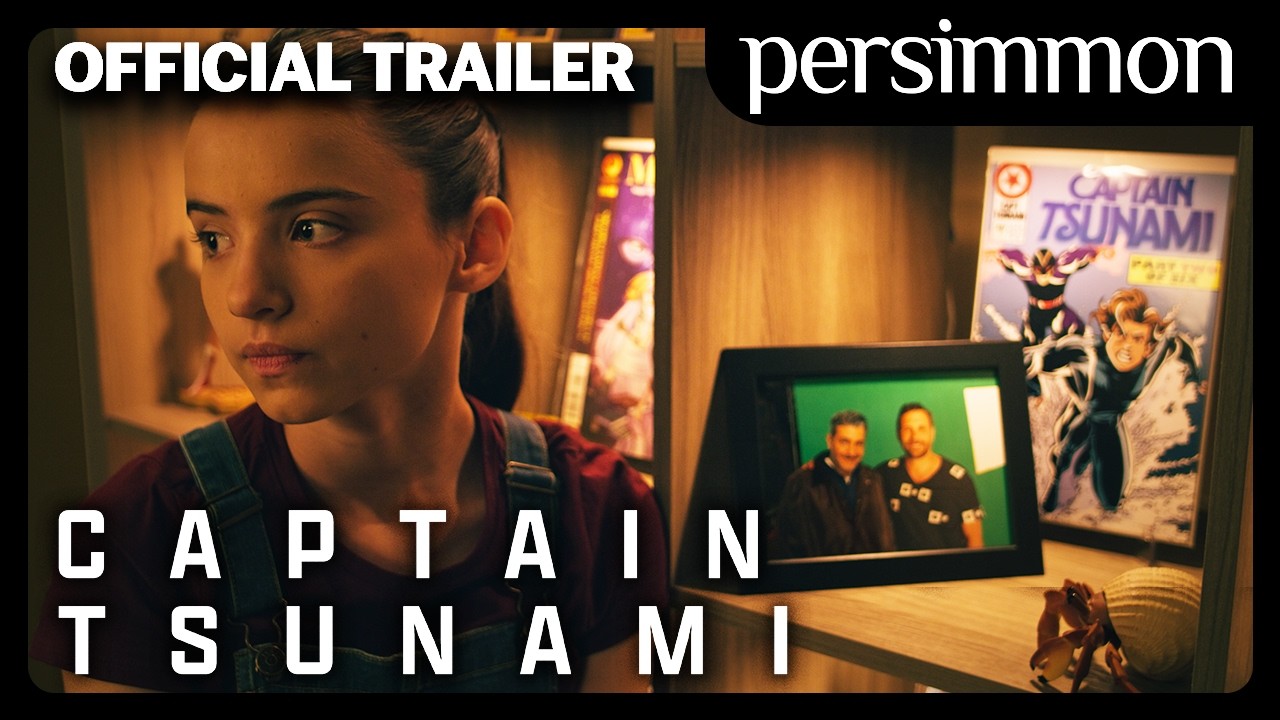
A heartfelt mystery-fantasy blending grief, imagination, and comic-book mythology
A comic book holds the missing truth
After her mother disappears, a young girl tracks down a reclusive comic shop owner, believing he alone can decode the hidden messages inside her mother’s artwork.As reality and fiction begin to blur, the story unfolds into a mystery that challenges what is real, imagined, and emotionally true.
The film builds its emotional core through the bond between a lost child and a man haunted by his past.Narrative tension emerges from the unraveling mystery hidden within the comic book pages.Symbolically, the comic becomes a bridge between memory, identity, and hidden truths—where fantasy reveals what reality conceals.
Why It Is Trending: A rising demand for emotionally driven fantasy stories blending realism with imagination
Captain Tsunami is trending due to its alignment with a growing appetite for grounded fantasy narratives rooted in emotional storytelling.The film taps into themes of grief, childhood imagination, and hidden family truths, which resonate strongly with modern audiences.Its use of comic book storytelling as a narrative device connects with both nostalgic and younger audiences familiar with visual storytelling formats.The rise of hybrid genres—combining drama, mystery, and fantasy—positions the film within a broader industry movement toward cross-genre storytelling.Additionally, its festival exposure and indie positioning help it gain visibility among audiences seeking original, heartfelt narratives.
Elements Driving the Trend: Emotional storytelling enhanced by fantasy and symbolic narrative layers
The film’s core appeal lies in its emotional accessibility, centering on a child’s journey through loss and discovery.
Its narrative hook—the mystery hidden within a comic book—creates intrigue while maintaining emotional depth.
The blending of grounded performances with imaginative elements adds uniqueness without alienating viewers.
The presence of recognizable talent like Madeleine McGraw strengthens audience engagement.
Its concise runtime and character-driven structure make it accessible across a wide audience spectrum.
Virality of Movie (Social Media Coverage): Engagement driven by nostalgia and emotional storytelling
The film generates discussion through its nostalgic connection to comic book culture and childhood imagination.
Audiences share emotional reactions and interpretations, particularly around its mystery and symbolic elements.
Critics Reception: Early positive signals from indie and festival-focused outlets
With limited reviews available, early reception leans positive, emphasizing the film’s emotional tone and originality.
Publications such as FirstShowing.net and festival coverage from Deadline highlight its charm and narrative uniqueness.
Awards and Recognitions: Festival positioning supporting indie visibility
The film was selected as a closing feature at the Dances With Films Festival, reinforcing its indie credibility.
This positioning highlights its recognition within emerging filmmaker platforms and festival circuits.
Director and Cast: A character-driven vision supported by emotionally grounded performances
Aaron Sherry crafts a narrative that balances emotional realism with imaginative storytelling.
His direction focuses on relationships and character psychology, allowing the fantasy elements to emerge organically.
Madeleine McGraw delivers a compelling performance as Emma, capturing vulnerability and determination.
P.J. Marino anchors the story with a nuanced portrayal of a man confronting his past.
Supporting performances from Craig Frank and Jeremy Sisto add depth and texture to the narrative.
The film trends because: Emotional fantasy, nostalgia, and cross-genre storytelling converge
• Cultural + market relevance Growing demand for emotionally rich, imaginative storytelling
• Industry opportunity Expansion of hybrid genre films blending drama and fantasy
• Audience alignment Viewers seeking meaningful, character-driven narratives with imaginative elements
The industry continues to invest in emotionally grounded stories that bridge realism and fantasy.
Conclusion: A heartfelt indie film blending mystery and imagination into an emotionally resonant experience
The film stands out through its ability to merge fantasy with deeply personal storytelling.Its emotional focus makes it accessible while maintaining narrative intrigue.The use of symbolic storytelling enhances audiences seek more meaningful and imaginative narratives, films like Captain Tsunami reflect the evolving direction of modern cinema.
What Movie Trend Is Followed: Emotionally grounded fantasy blending grief, memory, and imaginative storytelling
Captain Tsunami follows a growing trend of emotionally driven fantasy films that use imagination as a tool to process real-world trauma and loss.This trend blends grounded, character-focused drama with symbolic or fantastical elements to explore inner emotional landscapes.Rather than relying on large-scale spectacle, these films prioritize intimacy, personal journeys, and metaphor-driven narratives.The emotional framing allows audiences to connect deeply while still engaging with imaginative storytelling devices.This approach resonates because it transforms fantasy into something personal, relatable, and psychologically meaningful.
Trend Drivers: Audience demand for meaningful escapism rooted in emotional authenticity
The trend is driven by a shift toward storytelling that offers both emotional depth and imaginative escape.
Audiences increasingly seek narratives that help process complex emotions such as grief, identity, and belonging.
Filmmakers respond by using fantasy as a metaphor rather than a spectacle.
There is also a growing appreciation for smaller, character-driven films that focus on emotional journeys.
This creates opportunities for indie films to stand out through originality and sincerity.
What Is Influencing Trend: Blending nostalgia, childhood perspective, and emotional healing
Cultural nostalgia for childhood imagination influences the resurgence of fantasy storytelling rooted in personal experience.
A generational shift toward emotional openness makes audiences more receptive to introspective narratives.
The emotional driver centers on healing, memory, and understanding unresolved past experiences.
Macro Trends Influencing: Rise of hybrid genres and emotionally intelligent storytelling
The film industry is increasingly embracing hybrid genres that combine drama, fantasy, and mystery.
There is a broader cultural movement toward stories that emphasize emotional intelligence and psychological depth.
Lifestyle changes and media consumption patterns favor more personal, reflective content.
Consumer Trends Influencing: Preference for intimate, character-driven storytelling
Audiences are gravitating toward films that feel authentic and emotionally grounded.
There is a growing demand for stories that balance escapism with relatability.
Viewers engage more with narratives that invite interpretation and emotional reflection.
Audience Analysis: Emotionally engaged viewers drawn to introspective and imaginative narratives
The primary audience falls within the 18–45 age range, including viewers who appreciate indie and character-driven films.
They often value storytelling that explores emotional complexity and personal growth.
Behaviorally, they prefer reflective viewing experiences over purely entertainment-driven content.
Their viewing habits include streaming indie films, festival selections, and genre-blending narratives.
They are drawn to originality, emotional authenticity, and symbolic storytelling.
Conclusion: A sustainable trend built on emotional resonance and narrative innovation
This trend works because it combines emotional relatability with imaginative storytelling.It is scalable across genres and demographics due to its universal themes.Its sustainability is strong, as audiences continue to seek meaningful and introspective content.The industry is increasingly supporting these narratives as they align with evolving audience expectations.
inal Verdict: A tender, imagination-driven mystery that transforms grief into a symbolic journey of discovery
Captain Tsunami positions itself as a heartfelt indie film that blends mystery and fantasy with emotional storytelling.It reflects a broader industry movement toward intimate narratives that prioritize emotional truth over spectacle.The film’s identity is rooted in its ability to translate grief, memory, and connection into a visually and narratively symbolic experience.Its long-term impact lies in its appeal to audiences seeking meaningful, character-driven stories.Ultimately, it contributes to the evolving landscape of emotionally intelligent, hybrid-genre filmmaking.
Audience Relevance: Emotional accessibility across both younger and adult viewers
The film connects strongly with younger audiences through its child protagonist and themes of imagination and discovery.Its emotional core also resonates with adult viewers who relate to themes of loss, memory, and unresolved relationships.
This dual-layer appeal allows the film to function as both a coming-of-age story and an emotional drama.It creates a shared viewing experience that bridges generational perspectives.
What Is the Message of Movie: Imagination can reveal truths that reality hides
At its core, the film suggests that emotional truth is not always found through logic, but through interpretation and belief.The comic book becomes a metaphor for how people process memory and trauma.
The narrative highlights the importance of confronting the past rather than avoiding it.Ultimately, it reinforces the idea that understanding comes through emotional connection and perspective.
Relevance to Audience: A reflection of modern emotional storytelling preferences
The film aligns with current audience preferences for introspective and emotionally layered narratives.It mirrors a growing interest in stories that combine realism with symbolic or imaginative elements.
Viewers are drawn to its ability to balance mystery with emotional depth.This relevance enhances its engagement and interpretive value.
Social Relevance: Exploring grief, identity, and the power of storytelling
The film addresses universal themes of loss and identity through a personal lens.It reflects how storytelling can serve as a tool for healing and understanding.
By focusing on relationships and emotional journeys, it highlights shared human experiences.It reinforces the cultural importance of narrative as a means of processing reality.
Performance: Character-driven film supported by emotionally grounded acting
Madeleine McGraw delivers a strong performance that captures both vulnerability and determination.Her portrayal anchors the film’s emotional and narrative progression.
P.J. Marino provides a nuanced counterbalance, adding depth and emotional weight.While IMDb ratings are still emerging, early audience responses suggest positive engagement within niche audiences.
Legacy: A potential indie favorite within emotionally driven fantasy storytelling
The film contributes to a growing category of indie films that blend emotional realism with fantasy elements.Its symbolic storytelling approach positions it as a reference for similar hybrid narratives.
Over time, it may gain recognition within indie and festival circuits.Its impact lies in its emotional resonance rather than commercial scale.
Success: Defined by emotional impact and audience connection over mainstream performance
The film’s success is measured through its ability to connect emotionally with viewers.Its niche appeal allows it to build a dedicated audience over time.
Festival recognition, including its role at Dances With Films Festival, strengthens its credibility.Its long-term value lies in its storytelling rather than box office performance.
Insights: Emotion-driven fantasy is redefining how audiences process real-world experiences
Insights: Modern fantasy storytelling increasingly serves as a vehicle for exploring emotional and psychological realities.Industry Insight: The industry is shifting toward hybrid narratives that combine emotional depth with imaginative elements. Indie films are leading this transformation by prioritizing originality and authenticity. This expands the creative boundaries of genre filmmaking.Audience Insight: Viewers are drawn to stories that allow them to interpret meaning rather than consume it passively. Emotional engagement is becoming a key driver of audience loyalty. This reflects a broader shift toward reflective viewing experiences.Social Insight: The film highlights the role of storytelling in processing grief and identity. It reflects a society that values emotional openness and self-exploration. These themes are becoming central to modern narratives.Cultural Insight: Captain Tsunami represents a cultural movement toward emotionally intelligent storytelling. It blends nostalgia, imagination, and realism to create meaningful experiences. This approach is shaping the future of narrative cinema.
Conclusion: A meaningful indie film reflecting the growing importance of emotional storytelling in modern cinema
The film’s long-term relevance lies in its alignment with evolving audience expectations for emotional depth.It contributes to a broader system where storytelling prioritizes meaning and connection.From a market perspective, it demonstrates the viability of hybrid, character-driven narratives.The industry will continue to explore similar stories as audiences increasingly seek authenticity and emotional resonance.
Summary of the Movie: A mysterious and emotional journey where imagination unlocks hidden truths
• Movie themes: Grief, imagination, memory, identity, hidden truthsThe film explores how storytelling and imagination can help process loss, revealing emotional truths hidden beneath reality.
• Movie director: A character-focused and emotionally grounded vision by Aaron SherrySherry crafts a narrative that blends realism with fantasy, using emotional relationships as the foundation of the story. His approach emphasizes subtle storytelling and symbolic layers over spectacle.
• Top casting: Emotionally driven performances led by Madeleine McGrawMcGraw delivers a compelling performance as Emma, balancing vulnerability with determination. P.J. Marino and Craig Frank provide strong supporting performances that deepen the narrative.
• Awards and recognition: Festival positioning enhancing indie credibilityThe film gained visibility as a closing feature at the Dances With Films Festival, reinforcing its recognition within indie cinema circuits.
• Why to watch movie: A heartfelt mystery blending emotional depth with imaginative storytellingIt offers a unique mix of drama, fantasy, and mystery, appealing to audiences seeking meaningful and character-driven narratives.
• Key Success Factors: Positioned within the trend of emotionally grounded fantasy storytellingThe film stands out through its ability to merge emotional authenticity with symbolic and imaginative elements, creating a distinctive viewing experience.
• Where to watch: Released April 23, 2026 (United States)The film is expected to be available through festival circuits and digital indie distribution platforms.
Conclusion: A visually imaginative and emotionally resonant film that turns mystery into a deeply personal experience
Captain Tsunami defines itself through its ability to blend emotional storytelling with imaginative narrative devices, creating a unique cinematic experience. It transforms a simple mystery into a layered exploration of grief, memory, and identity. While it operates within an indie framework, its themes have broad resonance and accessibility. The film’s strength lies in its emotional authenticity and symbolic depth. Ultimately, it reflects the evolving direction of cinema, where personal storytelling and imaginative frameworks intersect to create meaningful audience experiences.






Leave a Reply