
A Powerful Family Drama About Identity, Forgiveness and Finding the Truth
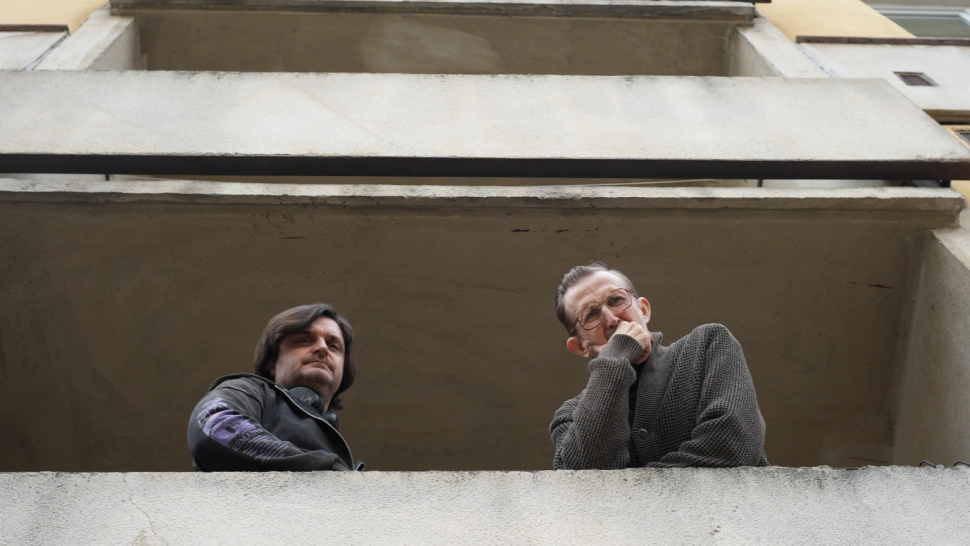
Living in a housing estate in the Czech town of Adamov, Richard Machovský shares a quiet life with the man he has always believed to be his father. Although the elderly retired literature teacher and his factory-worker son have little in common, they have built a relationship based on mutual respect and unconditional love. Everything changes after the death of Richard’s mother when he learns that the man who raised him is not his biological father.
Determined to uncover the truth, Richard follows a trail that leads him to a forgotten punk band from Ostrava and a past hidden for decades. Directed by Zdeněk Tyc, City of Fathers (Czech title: Město otců) combines family drama, mystery and a deeply personal journey into identity, showing that discovering where we come from can ultimately reveal who we truly are.
Quick Facts: A Moving Journey of Family, Truth and Redemption
|
Family, Identity, Father-Son Relationships, Self-Discovery, Forgiveness, Memory, Belonging |
|
|
Zdeněk Tyc (screenwriting credits subject to confirmation) |
|
|
Czech Republic • Slovakia • Poland |
|
➡️ Key Takeaway: City of Fathers is an emotionally rich family drama that combines mystery with a deeply personal search for identity. Its universal themes of family and belonging make it accessible to audiences far beyond Central Europe.
Should You Watch It?: An Emotional Story That Balances Mystery and Heart
If you enjoy thoughtful dramas that focus on relationships rather than action, City of Fathers is a compelling choice. The film slowly reveals its emotional and narrative layers, turning a family mystery into a moving exploration of identity, forgiveness and acceptance.
Beyond its mystery, the story is driven by believable characters whose emotional struggles feel authentic. Instead of offering easy answers, the film invites viewers to reflect on what truly defines a family and whether love can matter more than biology.
➡️ Key Takeaway: This is a rewarding film for audiences who appreciate emotionally intelligent storytelling and realistic family dramas. Its combination of mystery and heartfelt emotion gives the story lasting impact.
Why Everyone Is Talking About It?: A Powerful Look at Family Secrets
One of the film’s greatest strengths is its ability to transform a simple family revelation into an emotionally gripping journey. Richard’s search for his biological father gradually uncovers forgotten memories, broken relationships and the hidden consequences of decisions made decades earlier.
The unusual backdrop of an aging punk band also gives the story a distinctive personality, blending nostalgia with emotional realism. As Richard meets former band members, every encounter reveals another piece of the puzzle while deepening the film’s exploration of identity and reconciliation.
➡️ Key Takeaway: City of Fathers stands out because it combines family drama, mystery and emotional discovery into one compelling story. Its fresh narrative approach makes it one of the more distinctive European dramas of 2026.
Movie Trend: Personal Histories Are Shaping Modern European Cinema
Across Europe, filmmakers are increasingly telling intimate stories about identity, memory and family history. Rather than focusing on large historical events, many contemporary dramas explore how personal discoveries reshape people’s understanding of themselves and those they love.
City of Fathers reflects this growing trend by examining how hidden family truths influence identity across generations. Its emotional realism and focus on ordinary people make it representative of today’s character-driven European cinema.
➡️ Key Takeaway: The film highlights the growing popularity of deeply personal stories that explore family, memory and emotional healing. This trend continues to resonate with audiences looking for authentic, human-centred cinema.
Who Should Watch It?: For Viewers Who Enjoy Thoughtful Family Dramas
City of Fathers will appeal to audiences who appreciate emotionally driven stories about family relationships, personal discovery and second chances. It is an excellent choice for viewers who enjoy films that combine mystery with meaningful character development instead of relying on spectacle or action.
Fans of European cinema, independent dramas and realistic storytelling will find much to appreciate in Richard’s emotional journey. The film rewards patience with honest performances and a conclusion that encourages reflection long after the credits roll.
Audience Profile: Adults Aged 30–65 Who Enjoy Character-Driven European Cinema
-
Age: 30–65
-
Gender: Broad appeal.
-
Income: Middle to upper income; educated professionals, academics and creative audiences.
-
Lifestyle: Interested in literature, history, music, travel and European culture.
-
Cinema Habits: Regular viewers of independent films, European cinema, film festivals and award-winning dramas.
➡️ Key Takeaway: City of Fathers is ideal for viewers who value emotionally rich storytelling and realistic characters. It offers a thoughtful cinematic experience that rewards audiences looking for substance rather than spectacle.
What This Movie Means for the Industry: Another Strong Example of Contemporary Central European Cinema
City of Fathers demonstrates the continued strength of Central European filmmaking, where emotionally authentic stories remain the foundation of internationally respected cinema. By combining family drama with mystery and cultural history, the film reflects a storytelling tradition that values character development over commercial formulas.
The film also highlights the growing international interest in regional stories that explore universal themes through local settings and cultural identities. As audiences increasingly seek authentic voices, productions like City of Fathers reinforce the global appeal of European independent cinema.
➡️ Key Takeaway: City of Fathers shows how regional stories can achieve universal emotional resonance through strong writing and authentic characters. It reinforces Central Europe’s reputation for producing thoughtful, internationally relevant dramas.
Storytelling: A Family Mystery That Builds Emotional Depth
The screenplay unfolds like a quiet mystery, revealing pieces of Richard’s past one encounter at a time. His search for his biological father creates a clear narrative drive, but the real strength of the story lies in the emotional journey rather than the mystery itself. Every new discovery forces Richard to reconsider his childhood, his relationships and his understanding of family.
The film carefully balances moments of tension, humour and reflection without becoming melodramatic. As Richard meets the former members of the forgotten punk band, the story gradually transforms from an investigation into a deeply personal search for acceptance and inner peace.
➡️ Key Takeaway: City of Fathers uses a compelling family mystery to tell a much larger story about identity and belonging. Its emotionally satisfying structure keeps audiences invested from beginning to end.
Direction: Zdeněk Tyc Brings Compassion and Authenticity to Every Scene
Director Zdeněk Tyc approaches the story with restraint and empathy, allowing characters and relationships to remain at the centre of every scene. Rather than relying on dramatic visual flourishes, he creates an atmosphere where emotions develop naturally through conversation, silence and everyday interactions.
His direction also captures the unique character of contemporary Czech society, blending realism with subtle humour and melancholy. The result is a film that feels intimate, believable and emotionally honest without becoming overly sentimental.
➡️ Key Takeaway: Zdeněk Tyc’s understated direction allows the story and performances to speak for themselves. His human-centred approach makes the film both emotionally engaging and universally relatable.
Performances: Honest Characters Bring the Story to Life
The success of City of Fathers depends on performances that feel genuine rather than theatrical. Richard’s emotional journey is portrayed with sensitivity, capturing his confusion, frustration, vulnerability and eventual acceptance as he confronts painful truths about his past.
The supporting cast adds warmth and authenticity, particularly through the relationships between Richard, his adoptive father and the former punk musicians. Together they create a believable emotional world where every character contributes meaningfully to the story.
➡️ Key Takeaway: The natural performances give emotional credibility to every stage of Richard’s journey. They allow audiences to connect with the characters on a deeply personal level.
Cinematography & Visual Style: Real Places, Real Lives, Real Emotions
The cinematography embraces realism, using ordinary apartments, factories, streets and industrial landscapes to create an authentic portrait of everyday Czech life. Instead of stylised visuals, the camera quietly observes the characters, making their emotional experiences feel immediate and believable.
The contrast between the urban housing estate and the memories of Ostrava’s punk scene also gives the film a distinctive visual identity. These settings become an important part of Richard’s journey as he reconnects with a forgotten chapter of his family’s history.
➡️ Key Takeaway: The film’s realistic visual style strengthens its emotional authenticity. Every location helps tell the story of memory, identity and belonging.
Themes & Messages: Family Is Built by Love, Not Only by Blood
At its heart, City of Fathers explores what truly defines a family. Richard’s search for his biological father raises difficult questions about identity, inheritance and belonging, but the film ultimately suggests that the people who love and support us shape our lives just as much as biology.
The story also examines forgiveness, unresolved anger and the importance of accepting both the past and ourselves. Rather than offering simple answers, it encourages audiences to reflect on their own relationships and family histories.
➡️ Key Takeaway: The film reminds us that identity is shaped by both our origins and the people who choose to stand beside us. Its themes make the story emotionally universal despite its distinctly Czech setting.
What Makes This Movie Different?: A Family Drama with the Spirit of a Road Movie
Unlike many family dramas that remain confined to one location, City of Fathers becomes a journey across memories, places and forgotten lives. Richard’s encounters with former punk musicians gradually reveal not only clues about his father but also different perspectives on love, youth and growing older.
The combination of family mystery, road movie elements and contemporary social realism gives the film a distinctive voice. It avoids clichés by allowing each encounter to deepen both the narrative and Richard’s emotional development.
➡️ Key Takeaway: City of Fathers offers a fresh perspective on the family drama by combining mystery, travel and emotional discovery. Its original structure makes the journey as meaningful as the destination.
If You Liked City of Fathers: More Award-Winning Stories About Family, Identity and Second Chances
Sentimental Value (2026) — Directed by Joachim Trier
This acclaimed Norwegian drama explores complicated family relationships, unresolved emotions and the lasting influence of the past. Like City of Fathers, it examines how personal history shapes identity while balancing emotional honesty with outstanding performances.
Dreams (Sex Love) (2025) — Directed by Dag Johan Haugerud
Winner of the Golden Bear at the Berlin International Film Festival, this intimate drama explores identity, family expectations and emotional growth through deeply realistic storytelling. Both films value subtle character development over dramatic spectacle.
Toxic (2024) — Directed by Saulė Bliuvaitė
This award-winning Lithuanian drama examines youth, family relationships and the search for belonging in difficult circumstances. Its emotional realism and compassionate storytelling make it an excellent companion to City of Fathers.
Aftersun (2022) — Directed by Charlotte Wells
A modern classic, Aftersun explores memory, father-child relationships and the lasting emotional impact of family experiences. Like City of Fathers, it reveals profound emotional truths through quiet storytelling and understated performances.
Viewing Recommendation: One of 2026’s Most Moving European Family Dramas
Best Suited For: Viewers Who Enjoy Thoughtful Stories About Family and Identity
Ideal for audiences who appreciate emotionally driven European cinema, realistic characters and stories that explore relationships with honesty and compassion.
Highly Recommended For: Fans of Award-Winning Character-Driven Dramas
A perfect choice for viewers who enjoy festival films, independent cinema and powerful stories about self-discovery, forgiveness and family bonds.
You May Want to Skip It If: You Prefer Fast-Paced Stories and Constant Action
The film unfolds gradually and prioritises emotional development over suspense or spectacle. Viewers looking for action, rapid plot twists or conventional thrillers may find its pace too measured.
➡️ Viewing Recommendation: City of Fathers is a rewarding experience for anyone who values thoughtful storytelling and emotionally authentic performances. It stands among the strongest European family dramas of 2026 because of its compassion, honesty and universal themes.
Final Verdict: A Moving Exploration of Family, Identity and Belonging
City of Fathers transforms a deeply personal search for truth into a powerful reflection on family, memory and acceptance. Through compassionate direction, authentic performances and emotionally intelligent storytelling, Zdeněk Tyc creates a film that resonates long after it ends. Its universal themes ensure that audiences from any culture can relate to Richard’s journey of discovering where he truly belongs.
➡️ Final Verdict: City of Fathers is one of the standout Central European dramas of 2026 and a rewarding choice for anyone who appreciates thoughtful, character-driven cinema. Its emotional honesty confirms the enduring power of intimate human stories.






Leave a Reply