
US | 2026 | 109 min | Drama / Romance
Two Women Revisit a Love That Now Keeps Them Apart
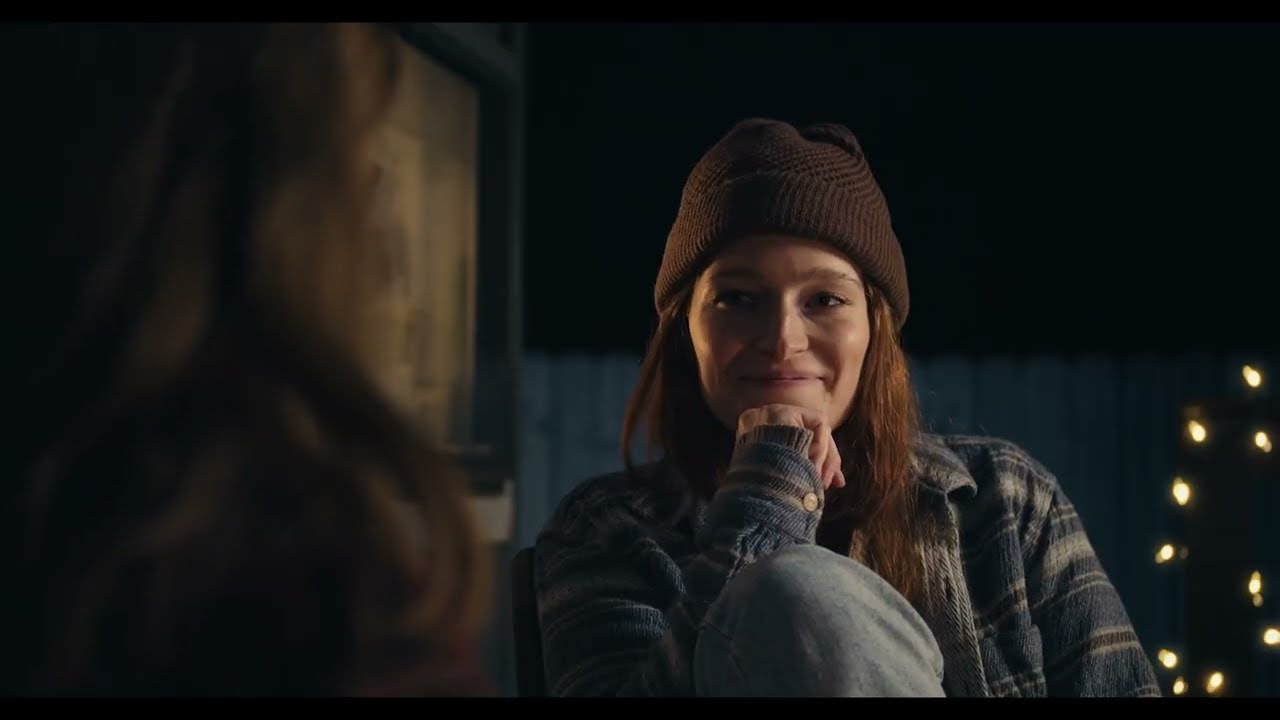
Morgan and Rea revisit their past relationship through fragmented memories, revealing the intimacy they once shared and the distance between them now. As separate moments bring their romance back into view, remembering becomes a way of examining what has changed. The story’s central tension lies in the contrast between being close to someone in memory and feeling far from them in the present.
➡️ Storyline: Two women piece together a past romance through memories that reveal how far apart they have become.
Why to Watch Don’t: The Familiar Ache of Remembering Someone You Once Loved
Don’t offers an emotional entry point for viewers who recognise how a former relationship can remain vivid after the connection itself has changed. Morgan and Rea’s story invites an interest in small moments: the exchanges and experiences that acquire different meanings when viewed from a distance. The appeal is the opportunity to reflect on how remembered love relates to present feelings.
The fragmented structure also gives viewers something to piece together. Instead of following a romance from beginning to end, the premise invites them to discover its shape through recollection. For audiences drawn to intimate queer drama and reflective storytelling, that approach can make the relationship’s emotional history as important as its chronology.
➡️ Reason to Watch: A romance centred on the gap between remembering closeness and experiencing distance.
Why Don’t Stands Out: A Romance Reassembled Through Memory
The clearest differentiator is how the story is presented. Compared with relationship dramas that follow attraction, conflict and separation in sequence, Don’t revisits the romance through fragments. Its audience hook is the process of connecting remembered moments with the women’s present circumstances. This is an established cinematic approach, but it gives this particular premise a clear viewing proposition.
The project also has a reported social media discovery story. Pool Girl Studios stated that one promotional video across two platforms generated more than 17 million views, 650,000 likes and 82,000 shares. Those creator-reported figures indicate substantial attention around the promotion, rather than proving audience satisfaction with the completed film. Together, the memory-based premise and online interest give viewers reasons to investigate a small independent production beyond its limited IMDb rating sample.
➡️ Why it stands out: Fragmented memories make viewers reconstruct the romance, while creator-reported online attention provides an additional discovery hook.
Movie Trend: Relationship Drama — Remembered Intimacy Reveals Present-Day Distance
Don’t illustrates a relationship storytelling approach in which the past remains active within the present. Memories do more than explain how two people met: they expose the contrast between earlier intimacy and current separation. This allows a romance to be explored through what its participants continue to carry, even when their relationship has changed.
The fragmented premise also makes interpretation part of the audience experience. A moment remembered later can take on significance that was less apparent when it happened. As a movie trend signal, the film points toward relationship dramas interested in the emotional afterlife of love—how former closeness continues to influence the way people understand each other.
➡️ Movie Trend Insight: Relationship drama gains another layer when remembered intimacy becomes a measure of present-day distance.
Broad Trend: The Search for Connection — Shared Memories Cannot Guarantee Present Closeness
The Search for Connection appears here through the difference between having a shared history and maintaining a living bond. Morgan and Rea’s past gives them an enduring connection, but the synopsis makes clear that distance now exists between them. Remembering someone can preserve a sense of intimacy without resolving what separates two people today.
This broader reading asks what connection requires beyond emotional familiarity. A meaningful past may explain why someone remains important, while present understanding depends on who both people have become. The film’s premise offers a way to examine that tension without assuming that looking back must lead to reconciliation.
➡️ Broad Trend Insight: Shared history can keep someone emotionally present even when mutual closeness has become difficult.
Viewer Profile: Romance and Drama Audiences Seeking Intimacy and Reflection
The strongest audience fit is viewers who enjoy personal relationships, emotional detail and stories that invite interpretation. These are proposed audience segments, rather than measured demographic findings.
|
Viewers drawn to intimate romantic drama, queer relationships and stories about changing emotional bonds. |
|
|
Primarily adult Gen Z and Millennial viewers, approximately 18–45, with wider appeal among audiences who recognise the experience of revisiting past relationships. |
|
|
Viewers who discover independent films online, discuss relationships and seek personal stories alongside mainstream entertainment. |
|
|
Character-focused drama, fragmented storytelling, emotional restraint and close attention to interpersonal exchanges. |
|
|
Understanding how a relationship’s remembered past relates to the distance between its participants now. |
|
|
Open to emerging filmmakers, queer cinema recommendations and promotional clips that communicate an emotional hook. |
|
|
Recognition, nostalgia, unresolved attachment and curiosity about how love changes over time. |
Key Profiles: Three Audiences Drawn to Remembered Love
1. The Relationship Reflector
Audience Description: Viewers who connect films with their own experiences of love and separation. Their interest lies in recognising how ordinary memories can remain emotionally significant long after a relationship changes.
2. The Queer-Romance Explorer
Audience Description: Audiences seeking a wider range of relationships between women on screen. Morgan and Rea’s intimacy and distance provide an entry point into a romance whose emotional history drives the story.
3. The Narrative-Puzzle Viewer
Audience Description: Viewers who enjoy assembling a story from separate moments. Their engagement comes from discovering how fragments fit together and how the emerging picture changes their understanding of the characters.
➡️ Audience Insight: The premise offers three distinct attractions: personal recognition, queer relationship representation and the pleasure of reconstructing a story.
Industry Insight: Online Attention Needs a Clear Route to the Film
The creator-reported promotional engagement gives Don’t an example of audience attention developing around an independent project before broad viewing availability is easily established. Its simple emotional hook—two women remembering a relationship from a position of distance—is suitable for short promotional material that introduces mood and character. The commercial opportunity depends on turning that attention into accessible viewing: social engagement can support discovery, but it does not establish ticket sales, streaming demand or satisfaction with the finished film.
➡️ Industry Insight: An emotionally recognisable promotional hook can attract attention, but accessible distribution determines whether that interest becomes viewing.
Final Verdict: A Romance About What Remains After Closeness Changes
Don’t has a clear premise for audiences interested in reflective relationship drama. Its fragmented memories offer a way into Morgan and Rea’s shared past while keeping their present distance central to the story.
The connection between its movie trend and the Search for Connection is direct: remembering intimacy can preserve attachment without restoring mutual understanding. The strongest reason to explore the film is that emotional contrast, rather than its small rating sample or promotional reach alone.
➡️ Final Verdict Insight: A promising premise for viewers drawn to remembered love, queer intimacy and the distance between a shared past and a changed present.
Final Insights: Connection Lives in Both Memory and the Present
Relationship stories built around recollection can examine why love remains meaningful after its circumstances change. Their appeal comes from a familiar experience: remembering a moment clearly while being less certain about what it means now. Fragmented storytelling gives filmmakers a way to bring those different emotional timelines into contact.
The creative opportunity is to make each remembered moment deepen the relationship rather than simply delay information. For independent cinema, a recognisable emotional premise can also help unfamiliar actors and emerging filmmakers reach audiences through recommendations and short promotional clips. The lasting impact depends on whether the complete story gives those initial feelings greater depth.
➡️ Final Insight: Shared intimacy → lasting memories → present-day distance. Connection can survive as emotional significance while changing as a relationship. Cinema can explore what people preserve from love and what they must understand anew.






Leave a Reply