
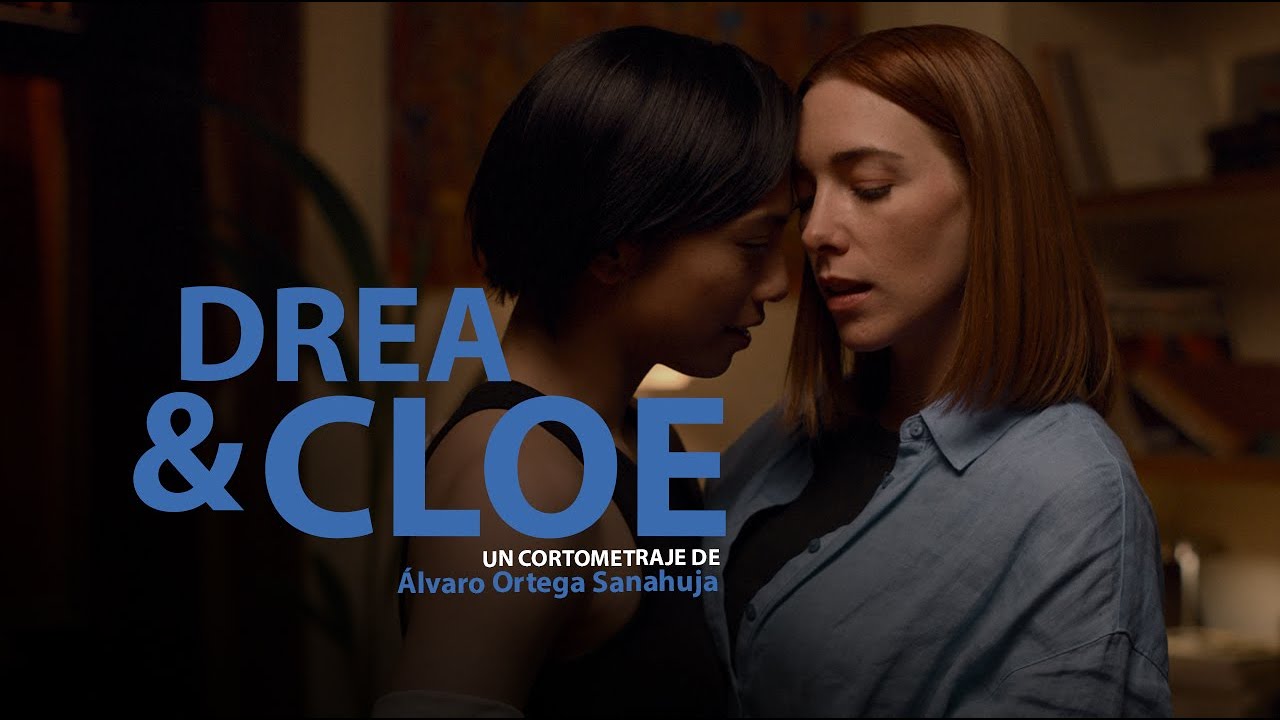
A Romantic Psychological Thriller About Ambition, Desire, and the High Cost of Artistic Perfection
Set within the fiercely competitive world of classical music, Drea & Cloe explores how professional ambition can transform attraction into rivalry, examining the fragile boundary between passion, obsession, and the relentless pursuit of artistic excellence.
The Big Picture: When Love and Competition Become Impossible to Separate
Written and directed by Álvaro Ortega Sanahuja, Drea & Cloe (2025) follows two exceptionally talented orchestra conductors whose instant emotional and physical attraction appears to promise the beginning of an intense romance. Their connection changes dramatically when they discover they are competing for the same prestigious position as the next conductor of an orchestra. As professional rivalry begins overshadowing personal intimacy, admiration gradually gives way to jealousy, manipulation, and psychological conflict, culminating in a single night where desire, ambition, and violence collide in unexpected ways.
More than a romantic thriller, Drea & Cloe explores the psychological pressures of artistic ambition and the emotional sacrifices demanded by elite creative professions. Set against the disciplined world of classical music, the film examines how identity can become inseparable from professional achievement, making personal relationships increasingly difficult to sustain. Through emotionally restrained performances and slow-building tension, Álvaro Ortega Sanahuja crafts an intimate character study about two people forced to choose between emotional vulnerability and lifelong ambition.
➡️ Implication: Drea & Cloe reflects the growing popularity of psychologically driven relationship thrillers that examine how ambition, competition, and professional identity can fundamentally reshape intimacy, transforming romance into emotional conflict.
Quick Facts
|
Comedy, Drama, Romance, Thriller |
|
|
Natalia Rodríguez, Alexandra Masangkay, Mabel Rivera |
|
|
October 18, 2025 (United States) |
|
|
La Dalia Films, Panorama5 Pictures |
|
|
Fans of psychological relationship dramas, slow-burn thrillers, arthouse romance, and films exploring artistic ambition |
What This Story Is Really About: When Artistic Ambition Becomes an Emotional Battleground
While Drea & Cloe (2025), directed by Álvaro Ortega Sanahuja, follows two orchestra conductors whose immediate attraction is disrupted by professional rivalry, its deeper focus is on the conflict between emotional vulnerability and personal ambition. Both women have dedicated their lives to mastering an art form where excellence demands extraordinary discipline, sacrifice, and emotional control. When they discover they are competing for the same prestigious conducting position, their growing romance becomes inseparable from their professional aspirations, forcing each to question whether love can survive when success depends on defeating the person they desire most.
Beyond its romantic premise, the film examines how ambition shapes identity and transforms intimacy into competition. The orchestra becomes a symbolic arena where artistic perfection, personal pride, and emotional insecurity collide, exposing the psychological pressures experienced by individuals whose careers define their sense of self-worth. Rather than presenting rivalry as a simple obstacle to romance, Álvaro Ortega Sanahuja explores how love and competition can become mutually reinforcing forces, creating relationships where admiration, desire, jealousy, and aggression exist simultaneously.
➡️ Implication: Drea & Cloe demonstrates that contemporary psychological romances increasingly explore how professional ambition influences personal relationships, revealing that the pursuit of excellence can be as emotionally dangerous as it is professionally rewarding.
Why This Film Is Worth Discovering: A Sophisticated Blend of Romance, Music, and Psychological Tension
One of Drea & Cloe‘s greatest strengths is its unusual setting within the highly competitive world of orchestral conducting, an environment rarely explored in contemporary cinema. Instead of using music simply as a backdrop, the film integrates classical performance into its emotional narrative, allowing rehearsals, auditions, and artistic discipline to mirror the evolving relationship between its protagonists. This distinctive setting gives the story both elegance and originality while reinforcing its central themes of perfectionism, control, and creative obsession.
The film also distinguishes itself through its restrained storytelling and emotionally complex performances from Natalia Rodríguez and Alexandra Masangkay. Rather than relying on conventional romantic drama, Álvaro Ortega Sanahuja builds tension through lingering silence, subtle shifts in power, and emotional ambiguity, allowing attraction and hostility to coexist throughout the narrative. The result is a psychologically rich relationship thriller that treats both romance and rivalry with equal nuance, creating an intimate exploration of ambition, identity, and the fragile boundary between love and conflict.
➡️ Implication: Drea & Cloe illustrates how contemporary arthouse cinema continues redefining romantic thrillers by combining emotionally layered relationships with distinctive professional settings that deepen both character and suspense.
Should You Watch It? An Elegant Psychological Romance for Viewers Who Appreciate Slow-Burning Character Drama
Best Suited For: Viewers Who Enjoy Emotionally Complex Relationship Thrillers
-
Fans of psychological relationship dramas that examine ambition, desire, and emotional conflict through nuanced character development.
-
Viewers interested in stories set within the performing arts, particularly films exploring the competitive world of classical music and artistic excellence.
-
Audiences who appreciate slow-burning thrillers, where emotional tension and psychological conflict take precedence over conventional suspense.
-
Fans of arthouse cinema that blends romance, drama, and psychological ambiguity with visually restrained storytelling.
May Not Appeal To: Viewers Seeking Conventional Romantic Dramas
-
Audiences expecting a traditional love story, as Drea & Cloe focuses as much on rivalry and psychological conflict as it does on romance.
-
Viewers looking for fast-paced thrillers, since the film builds suspense gradually through dialogue, silence, and shifting emotional dynamics.
-
Fans of inspirational sports- or music-themed dramas, because the orchestra serves primarily as a backdrop for an intimate psychological study rather than a story of artistic triumph.
-
Anyone seeking clear moral distinctions, as both protagonists are portrayed with emotional complexity, making their motivations intentionally ambiguous.
➡️ Implication: Drea & Cloe (2025), directed by Álvaro Ortega Sanahuja, is best suited for audiences who appreciate sophisticated relationship dramas where ambition, love, and psychological tension become inseparable.
Why Everyone Is Talking About It: A Rare Thriller Set Inside the World of Classical Music
Drea & Cloe (2025), directed by Álvaro Ortega Sanahuja, has attracted attention for bringing psychological thriller elements into the rarely explored world of orchestral conducting. While competitive professions such as sports, business, and politics have frequently served as settings for dramatic rivalries, classical music has seldom been portrayed as the backdrop for an emotionally charged romance built on ambition, attraction, and professional competition. This unusual premise gives the film a distinctive identity within contemporary independent cinema.
The film has also generated discussion through its portrayal of two ambitious women whose relationship refuses to fit traditional romantic or competitive stereotypes. Rather than presenting either character as a hero or villain, Álvaro Ortega Sanahuja allows admiration, desire, insecurity, and hostility to coexist, creating a relationship that constantly shifts between intimacy and confrontation. This emotional ambiguity, combined with the film’s restrained visual style and slow-building tension, positions Drea & Cloe among a growing wave of psychologically sophisticated European dramas that prioritize character complexity over conventional genre expectations.
➡️ Implication: Drea & Cloe demonstrates how contemporary relationship thrillers continue evolving by exploring professional ambition, emotional vulnerability, and artistic identity through unconventional settings and psychologically layered characters.
Audience & Critical Reception: A Slow-Burn Relationship Thriller That Divides and Rewards in Equal Measure
Audience Response: Strong Performances and Emotional Ambiguity Drive the Experience
Early audience reactions to Drea & Cloe (2025), directed by Álvaro Ortega Sanahuja, have praised the film’s deliberate pacing, emotionally restrained performances, and sophisticated exploration of attraction and rivalry. Viewers have particularly highlighted the chemistry between Natalia Rodríguez and Alexandra Masangkay, noting how their relationship constantly shifts between tenderness, manipulation, admiration, and hostility. Rather than relying on dramatic confrontations, the film builds emotional tension through lingering silences, subtle power shifts, and psychological uncertainty, rewarding audiences who enjoy character-driven storytelling.
Many viewers have also responded positively to the film’s use of classical music as more than a setting. The orchestra becomes a metaphor for discipline, perfection, and artistic sacrifice, reinforcing the emotional stakes of the protagonists’ rivalry. This unique backdrop gives Drea & Cloe a distinctive identity among contemporary romantic thrillers while elevating its exploration of ambition and identity.
Critical Reception: An Elegant Psychological Study of Love and Competition
Critics have described Drea & Cloe as an intimate psychological thriller that blends romance, comedy, and emotional suspense with notable restraint. Rather than emphasizing conventional thriller mechanics, reviewers have highlighted Álvaro Ortega Sanahuja’s confidence in allowing tension to emerge naturally through performance, dialogue, and carefully controlled pacing. This understated approach has drawn comparisons with European arthouse cinema, where emotional ambiguity often becomes more compelling than dramatic twists.
Critical commentary has also emphasized the film’s thoughtful examination of professional ambition within the creative arts. By focusing on orchestra conductors rather than more familiar competitive professions, Drea & Cloe presents artistic excellence as both an aspiration and a psychological burden. The result is a film that explores how careers built on perfectionism can profoundly affect intimacy, trust, and personal identity, giving the story emotional resonance beyond its romantic premise.
➡️ Implication: Drea & Cloe demonstrates how contemporary independent cinema continues redefining psychological thrillers by replacing external action with emotionally nuanced relationships, artistic ambition, and carefully observed character studies.
Awards & Recognition: An Emerging Independent Film Awaiting Wider Recognition
At the time of writing, Drea & Cloe (2025), directed by Álvaro Ortega Sanahuja, has not yet received major international festival awards or industry nominations. As an independent Spanish production, the film is still building its reputation through early critical attention and audience discovery.
Although awards recognition has yet to emerge, the film has attracted interest for its distinctive setting within the world of orchestral conducting, its emotionally complex central performances, and its elegant fusion of romance, psychological drama, and thriller elements. These qualities position Drea & Cloe as a notable example of contemporary European independent cinema that prioritizes emotional subtlety and artistic ambition over conventional genre formulas.
➡️ Implication: Even without major awards recognition, Drea & Cloe illustrates how independent European filmmakers continue expanding the psychological romance genre through sophisticated storytelling, emotionally layered characters, and distinctive artistic settings.
Entertainment Trend: Prestige Cinema Is Finding New Drama in Creative Competition
Drea & Cloe (2025), directed by Álvaro Ortega Sanahuja, reflects a growing trend in contemporary cinema where creative professions are becoming fertile ground for psychological drama. Rather than focusing on athletes, detectives, or corporate executives, filmmakers are increasingly exploring artists whose careers demand perfection, discipline, and relentless ambition. In these stories, professional success is not simply a career milestone but a defining part of personal identity, making competition emotionally inseparable from love, friendship, and self-worth.
The film also highlights the rise of relationship thrillers that blur the boundaries between romance and psychological conflict. Contemporary audiences are increasingly drawn to stories where attraction and rivalry coexist, replacing traditional romantic narratives with emotionally ambiguous relationships shaped by ambition, insecurity, and power. By placing two women at the center of this emotional struggle within the highly disciplined world of classical music, Drea & Cloe offers a fresh perspective on how professional excellence can both inspire and destroy intimate human connections.
➡️ Implication: Drea & Cloe demonstrates how modern psychological dramas are redefining romance by exploring the emotional consequences of ambition, artistic identity, and the increasingly blurred line between admiration and competition.
Why This Film Matters: A Relationship Drama That Redefines Professional Rivalry
Drea & Cloe (2025), directed by Álvaro Ortega Sanahuja, stands out because it transforms artistic ambition into the emotional engine of its narrative. Rather than treating the orchestra merely as a sophisticated backdrop, the film uses conducting as a metaphor for leadership, perfectionism, and control. Every rehearsal, audition, and performance reflects the protagonists’ struggle to balance vulnerability with the relentless pursuit of excellence, demonstrating how creative ambition can shape every aspect of personal identity.
The film is equally significant for its portrayal of female rivalry without relying on familiar stereotypes. Instead of depicting competition as simple jealousy or personal animosity, Drea & Cloe presents ambition as an emotionally complex force capable of strengthening attraction while simultaneously threatening intimacy. By allowing romance and professional conflict to evolve together, Álvaro Ortega Sanahuja creates a psychologically nuanced relationship drama that feels contemporary, mature, and refreshingly unpredictable.
➡️ Implication: Drea & Cloe illustrates how contemporary European cinema continues expanding the psychological romance genre by examining the emotional cost of excellence and the fragile balance between personal fulfillment and professional success.
What This Film Means for the Entertainment Industry: Character-Driven Relationship Thrillers Continue to Evolve
For Filmmakers: Professional Worlds Offer Fresh Psychological Landscapes
Drea & Cloe demonstrates that highly specialized professions such as orchestral conducting can provide compelling settings for emotionally complex storytelling. Rather than relying on conventional thriller environments, filmmakers are increasingly finding dramatic tension within creative industries where identity and achievement are inseparable.
For Independent Cinema: Emotional Subtlety Is Becoming a Competitive Strength
The film reflects a broader movement within European independent cinema toward restrained storytelling that prioritizes performance, atmosphere, and psychological nuance over conventional plot twists. This approach allows audiences to engage more deeply with character motivations and emotional ambiguity.
For Audiences: Romance Is Becoming More Psychologically Sophisticated
Modern viewers increasingly embrace relationship stories where love and conflict coexist naturally. Drea & Cloe reflects this evolution by presenting romance as an emotionally unstable space shaped by ambition, insecurity, and personal aspiration rather than idealized notions of compatibility.
For the Industry: Creative Professions Are Emerging as Compelling Dramatic Settings
As prestige cinema continues exploring underrepresented professional worlds, films centered on music, art, literature, and performance are becoming increasingly prominent. These environments naturally combine intense emotional investment with high personal stakes, creating opportunities for richer psychological storytelling.
➡️ Implication: Drea & Cloe highlights how contemporary arthouse cinema continues redefining relationship thrillers through emotionally intelligent storytelling, artistic settings, and psychologically layered characters whose greatest conflicts arise from within rather than from external threats.
Future Outlook: Psychological Relationship Dramas Will Continue Exploring Ambition as Emotional Conflict
Drea & Cloe (2025), directed by Álvaro Ortega Sanahuja, points toward a future where romantic dramas increasingly examine how professional ambition shapes modern relationships. Rather than treating careers as secondary to personal lives, contemporary filmmakers are recognizing that work, identity, and emotional fulfillment have become deeply interconnected. As audiences continue embracing psychologically sophisticated storytelling, films are likely to further explore how love survives—or collapses—when both partners pursue the same dreams, ambitions, or positions of power.
The film also reflects the growing evolution of arthouse thrillers that combine emotional intimacy with genre tension. Instead of relying on external danger, these stories derive suspense from shifting power dynamics, emotional uncertainty, and internal conflict. As European independent cinema continues experimenting with genre conventions, relationship thrillers like Drea & Cloe are likely to become increasingly prominent, demonstrating that the most compelling suspense often emerges from human psychology rather than physical violence.
➡️ Implication: Drea & Cloe suggests that the future of relationship cinema will be defined by emotionally intelligent stories where ambition, identity, and intimacy become inseparable, creating romances that are as psychologically complex as they are emotionally compelling.
Final Verdict: An Elegant Psychological Romance About the Cost of Excellence
Drea & Cloe (2025), directed by Álvaro Ortega Sanahuja, is a thoughtful psychological romance that transforms artistic competition into an emotionally charged exploration of love, ambition, and identity. Set within the disciplined world of orchestral conducting, the film avoids conventional romantic formulas in favor of a slow-burning character study where admiration, desire, rivalry, and insecurity coexist. Through restrained direction and nuanced performances from Natalia Rodríguez and Alexandra Masangkay, the story captures the emotional contradictions that emerge when two equally talented people are forced to choose between personal happiness and professional success.
Although its measured pacing and understated style may not appeal to viewers seeking a traditional thriller or sweeping romance, Drea & Cloe succeeds by embracing ambiguity and emotional realism. Rather than presenting ambition as either heroic or destructive, Álvaro Ortega Sanahuja portrays it as a force capable of inspiring greatness while simultaneously threatening intimacy and trust. The result is a sophisticated European drama that lingers long after its final scene through its careful examination of the fragile relationship between artistic excellence and human connection.
➡️ Key Takeaway: Drea & Cloe demonstrates that the most compelling relationship dramas are those that recognize love and ambition as complementary forces capable of elevating—or destroying—the people who pursue them.
Summary of the Movie: When Love and Ambition Compete for the Same Stage
In Drea & Cloe (2025), directed by Álvaro Ortega Sanahuja, two gifted orchestra conductors experience an immediate romantic connection, only to discover they are competing for the same prestigious conducting position. As professional rivalry begins overshadowing personal attraction, admiration gradually gives way to jealousy, manipulation, and emotional confrontation, culminating in a night where passion and violence become inseparable. Blending psychological suspense with intimate character drama, the film explores how artistic ambition, perfectionism, and identity can reshape relationships, revealing that the pursuit of excellence often demands sacrifices extending far beyond the concert hall.
➡️ Key Takeaway: Drea & Cloe transforms a romance between two artists into a psychologically rich examination of ambition, proving that the pursuit of greatness can become both the foundation of love and the source of its greatest conflict.
If You Liked This Movie: More Films About Ambition, Art, and Intense Relationships
-
Tár (2022) — Directed by Todd Field. Streaming: Available on Peacock (U.S.) and digital platforms. A psychological drama exploring power, classical music, ambition, and personal downfall.
-
Black Swan (2010) — Directed by Darren Aronofsky. Streaming: Available on selected streaming services and digital rental platforms. A psychological thriller examining artistic perfectionism, obsession, and identity.
-
Portrait of a Lady on Fire (2019) — Directed by Céline Sciamma. Streaming: Available on Hulu in selected regions and digital platforms. An acclaimed romance exploring intimacy, creativity, and emotional restraint.
-
The Piano Teacher (2001) — Directed by Michael Haneke. Streaming: Available on The Criterion Channel and digital platforms. A provocative psychological drama set within the world of classical music and emotional repression.
-
Whiplash (2014) — Directed by Damien Chazelle. Streaming: Available on selected streaming services and digital rental platforms. An Academy Award-winning drama about artistic obsession, perfectionism, and the personal cost of excellence.
Where to Watch: How to Experience Drea & Cloe
Streaming Availability: When and Where You Can Watch at Home
Following its October 18, 2025 release, Drea & Cloe (2025), directed by Álvaro Ortega Sanahuja, has not announced a major subscription streaming release. Availability currently depends on regional independent distribution and digital rental platforms, with additional streaming releases expected as the film reaches wider international audiences.
Theatrical Release
Drea & Cloe premiered on October 18, 2025, in the United States as a Spanish independent production from La Dalia Films and Panorama5 Pictures. The film has primarily been distributed through independent theatrical and festival channels.
Festival Journey
At the time of writing, Drea & Cloe has not announced major international festival awards or significant festival recognition. As an independent Spanish production, it continues to build its profile through critical attention and audience discovery.
Viewing Recommendation: Who Should Experience Drea & Cloe?
Drea & Cloe is highly recommended for viewers who appreciate sophisticated European dramas that combine romance, psychological tension, and artistic ambition. Fans of character-driven films set in the performing arts, emotionally ambiguous relationships, and slow-burning thrillers such as Tár or Black Swan will likely find its exploration of love, competition, and creative identity especially compelling. Those seeking an intelligent relationship drama that values emotional nuance over conventional genre formulas are likely to discover one of the film’s greatest strengths in its subtle and psychologically rich storytelling






Leave a Reply