
United States | 2026 | 95 min | Horror
A Lost TV Episode Becomes a Nightmare
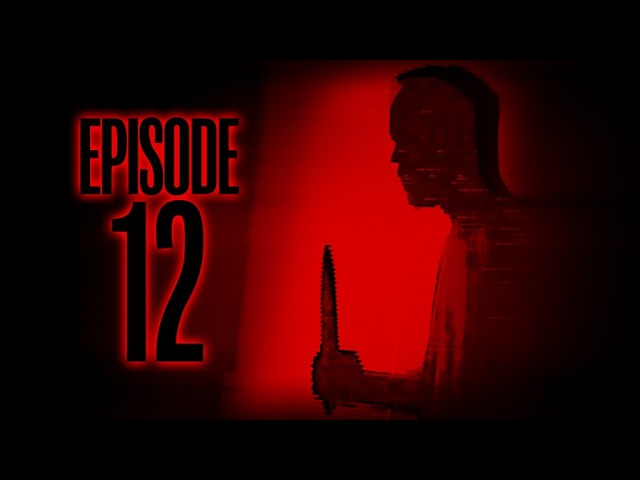
On June 6, 2023, the fictional paranormal television series Paranormal Closure mysteriously disappeared from broadcast without explanation. More than a year later, footage surfaced online claiming to contain an episode that never aired. That simple premise gives Shawn Robinson’s Episode 12 an immediately effective found-footage hook: the audience isn’t simply watching another paranormal investigation—it is watching something that apparently was never supposed to be seen.
Robinson builds the film around the language of paranormal television, allowing cameras, interviews and supposedly recovered material to provide a natural reason for everything to be recorded. Sarah Mae Robinson leads the cast as Mellissa alongside Syrenne Robinson and Alicia Martin, while Robinson himself takes on multiple creative roles as writer, director, cinematographer and editor. The result is an unusually independent horror production that uses the aesthetics of forgotten television to blur the boundary between broadcast entertainment and supposedly authentic evidence.
➡️ Key Takeaway: Episode 12 gives found footage a compelling new wrapper: instead of discovering an abandoned camera, viewers discover a missing paranormal TV episode whose disappearance becomes part of the horror itself.
Should You Watch It?: A Lost-Broadcast Mystery Made for Found Footage Horror Fans
Episode 12 should immediately appeal to viewers who enjoy found footage because the recording has an actual narrative purpose. Paranormal Closure is already a television production, so cameras do not need to be artificially introduced simply to justify the format. The mystery surrounding why the program disappeared adds another layer: viewers enter the movie already knowing that something happened during this particular episode that was serious enough for it never to reach television.
That makes it particularly attractive to fans of analog horror, recovered-media mysteries and paranormal-investigation television. Its independent production scale is part of the proposition rather than something the film attempts to disguise; the experience depends on whether the fabricated television material feels authentic enough to make viewers temporarily accept that they are watching an artifact rather than a traditionally constructed horror movie.
➡️ Key Takeaway: Watch Episode 12 if you like found footage that gives you a mystery before the horror even begins—the unsettling question isn’t only what the cameras captured, but why somebody wanted the episode buried.
Why Everyone Is Talking About It?: Micro-Budget Horror Is Finding New Ways to Reach Streaming Audiences
Episode 12 is particularly interesting because of how it is reaching audiences. Terror Films partnered with vertical streaming platform Microhouse Films, launching Episode 12 and Beliath in an exclusive window on July 7 before a planned expansion to additional digital platforms in late August. That gives a highly independent found-footage production a distribution path built around direct genre discovery rather than a conventional theatrical rollout.
The film also follows Robinson’s earlier Life of Belle (2024), another micro-budget found-footage project, and continues his interest in making horror through extremely lean independent production. Early horror coverage has highlighted Episode 12‘s central conceit and the credibility provided by framing the footage around an actual paranormal television crew—a particularly important distinction in a genre where the question of why characters continue filming can easily undermine the illusion.
➡️ Key Takeaway: Episode 12 represents an interesting intersection of found footage, micro-budget filmmaking and emerging horror distribution, showing how small independent movies can turn a strong high-concept premise into a reason for genre audiences to seek them out.
Movie Trend: Horror & Supernatural — Found Footage Is Turning Lost Media Into the Scare
Episode 12 sits firmly within Horror, with Supernatural, Ghosts, Mystery and Television providing the strongest supporting FestivalScope Pro-style themes for its paranormal-broadcast concept. Instead of presenting found footage as material accidentally recovered after an unexplained event, Shawn Robinson builds the mystery around an entire television episode that was allegedly removed from broadcast. The missing media itself becomes evidence that something went seriously wrong.
That approach connects the film to the growing overlap between found footage and lost-media horror, where supposedly forbidden recordings, abandoned broadcasts and unexplained digital artifacts make audiences feel as though they have discovered something rather than simply selected a movie. Episode 12 strengthens that illusion through the familiar language of paranormal television: cameras, investigators and supernatural encounters already belong naturally inside the fictional program, making the recording device part of the story rather than an artificial genre convention.
➡️ Key Takeaway: Episode 12 refreshes found footage by making the missing broadcast part of the mystery—the audience is not merely watching paranormal footage, but discovering the episode someone apparently wanted erased.
➡️ Movie Trend: Horror & Supernatural
Who Should Watch It? (Audience Profile): Built for Horror Fans Who Want Their Movies to Feel Like Forbidden Footage
|
Found footage, paranormal horror and supernatural mystery fans |
|
|
Analog horror followers, lost-media enthusiasts and independent horror audiences |
|
|
Broad appeal across genders |
|
|
Broad, digitally active entertainment audience |
|
|
Online, horror-curious, community-driven and interested in discovering unconventional independent films |
|
|
Streaming horror, YouTube horror, found footage, paranormal content, horror podcasts and online recommendations |
The strongest audience is likely to be viewers already comfortable with the rougher aesthetic of found footage. Episode 12 does not need the visual polish of mainstream supernatural horror because its credibility depends on looking like material created for a paranormal television program. For these viewers, imperfections can actually strengthen the illusion that they are watching recovered media rather than a conventional feature film.
There is also a natural audience among people fascinated by analog horror, internet mysteries and fictional lost media. The premise taps directly into the online pleasure of discovering something unexplained: an episode disappears, no official explanation is provided and a copy suddenly emerges later. That mythology gives viewers something to investigate before the supernatural material has even revealed itself.
➡️ Key Takeaway: Episode 12 is especially suited to viewers who want horror to feel discovered rather than presented—part paranormal investigation, part lost-media mystery and part forbidden broadcast.
What This Movie Means for the Industry: Micro-Budget Horror Is Turning Limitations Into Creative Identity
Episode 12 demonstrates why found footage remains particularly valuable for independent horror filmmakers. A limited production scale does not automatically weaken a movie when low-fi imagery, restricted locations and inexpensive camera technology are justified by the narrative itself. In the right concept, the things that would normally reveal a small budget can become part of the film’s authenticity.
The distribution model is equally significant. Independent horror no longer needs to rely exclusively on a traditional theatrical path before finding its audience. Direct digital availability, specialist horror distributors, emerging streaming platforms and recommendation-driven online communities can connect highly specific films with viewers already searching for paranormal and found-footage experiences. For filmmakers such as Robinson, the opportunity is increasingly about creating a concept distinctive enough to become discoverable within that crowded digital environment.
➡️ Key Takeaway: Episode 12 shows why found footage remains one of independent horror’s most adaptable formats: a strong concept can transform limited resources into authenticity while digital distribution connects niche horror directly with the audiences most likely to embrace it.
Creative Analysis: A Missing Broadcast Turns Found Footage Into the Mystery Itself
Episode 12 gets its strongest creative idea from the format surrounding the horror. Shawn Robinson does not simply place characters in front of handheld cameras; he presents the movie as material from a paranormal television program that mysteriously disappeared from broadcast. That gives the footage an immediate narrative purpose while establishing the central question before the supernatural investigation even develops: what happened during this episode that made it disappear?
The approach also allows Robinson to use the conventions of paranormal television as part of the filmmaking language. Interviews, investigative cameras, supposedly spontaneous reactions and documentary-style observation can all operate naturally within the story. Instead of asking audiences to ignore why someone keeps recording when things become dangerous, Episode 12 makes recording the characters’ actual job.
➡️ Key Takeaway: Episode 12 makes its format part of its mythology—the footage matters because viewers are supposedly watching evidence from a television broadcast that was never meant to reach them.
Storytelling: The Missing Episode Creates a Mystery Before the Horror Begins
The premise immediately gives Episode 12 two interconnected mysteries. The first concerns whatever the Paranormal Closure team encounters during its investigation; the second concerns why the resulting episode was apparently removed from television without explanation. That second question adds an effective layer of anticipation because viewers already know the recording is heading toward something significant.
This is particularly useful for found footage because suspense can develop through expectation rather than constant supernatural activity. Ordinary conversations, equipment preparation and apparently uneventful investigation can carry additional tension when audiences know that something eventually happens severe enough to explain the episode’s disappearance.
➡️ Key Takeaway: By revealing the disappearance of the broadcast before revealing what happened, Episode 12 turns anticipation into one of its strongest storytelling tools.
Direction: Shawn Robinson Uses Television Authenticity to Make the Horror Feel Discovered
Robinson’s direction benefits from embracing rather than disguising the film’s independent scale. A fictional paranormal television series provides a natural visual framework for modest cameras, practical locations and documentary-style filmmaking, allowing production limitations to become part of the movie’s supposed authenticity.
The key creative challenge is maintaining that illusion. Found footage becomes most effective when audiences temporarily stop thinking about traditional filmmaking and begin responding to the images as recordings of an event. By framing Episode 12 as leaked television material, Robinson creates an additional layer of plausibility: the movie does not merely claim that someone found a camera—it asks viewers to believe they have accessed a piece of media that was deliberately withheld.
➡️ Key Takeaway: Robinson’s most effective directorial idea is making low-fi presentation part of the fiction, allowing the movie’s independent aesthetic to strengthen rather than undermine its horror.
Performances: Naturalism Matters More Than Traditional Horror Theatrics
Sarah Mae Robinson’s Mellissa sits at the center of a format where conventional dramatic performance could easily undermine credibility. Found-footage actors need to appear as though they are responding to events rather than performing for a traditionally positioned movie camera, making conversational rhythm, hesitation and apparently spontaneous reactions particularly important.
Syrenne Robinson and Alicia Martin operate within the same challenge. Because Episode 12 presents itself through the language of unscripted paranormal television, the cast must help maintain the impression that the audience is observing real personalities caught inside an increasingly disturbing situation. The less theatrical those interactions feel, the stronger the recovered-media illusion can become.
➡️ Key Takeaway: Episode 12 depends on believable reactions more than showy horror performances—the cast has to make viewers forget that the supposedly lost broadcast was constructed for them.
Cinematography & Visual Style: Paranormal Television Gives Found Footage a Natural Visual Language
The fictional Paranormal Closure format provides Episode 12 with an immediately recognizable aesthetic. Paranormal programs already rely on handheld cameras, surveillance perspectives, dark interiors and equipment intended to capture things the human eye might miss. Those conventions translate naturally into horror without requiring the film to constantly explain its visual limitations.
More importantly, imperfect imagery can become suspenseful. Darkness, restricted visibility and uncertain movement create spaces where viewers must actively search the frame for evidence of something supernatural. In conventional filmmaking, not seeing clearly can frustrate; in effective found footage, not being certain what you just saw is often the point.
➡️ Key Takeaway: Episode 12 turns the visual limitations of paranormal television into an advantage, making uncertainty inside the frame part of the viewing experience.
Themes & Messages: Letting Go Becomes More Frightening Than Holding On
The film’s tagline—“Letting go HURTS far less than holding on”—suggests an emotional idea underneath its supernatural machinery. Paranormal investigation frequently revolves around unresolved histories, people attempting to communicate with the dead and the human difficulty of accepting absence. Episode 12 can therefore use haunting not simply as a source of scares but as an expression of what happens when people remain emotionally attached to something that should have been released.
That gives the concept potential emotional weight beyond discovering whether ghosts exist. The title itself reinforces the idea of something unfinished: an episode that never officially aired nevertheless refuses to disappear. The lost recording becomes another form of unresolved presence—something from the past returning because it was never completely put to rest.
➡️ Key Takeaway: Beneath the paranormal mystery, Episode 12 connects haunting with the inability to let go, turning unresolved attachment into both an emotional and supernatural threat.
What Makes This Movie Different?: The Horror Begins With Something You Were Never Supposed to Find
Found-footage horror frequently begins with recovered recordings, but Episode 12 gives that convention a contemporary media twist. The supposedly recovered object is not simply personal footage from a missing camera—it is an entire professionally produced television episode that disappeared before broadcast and later surfaced online.
That distinction makes the movie particularly compatible with contemporary internet culture, where deleted videos, mysterious uploads, lost broadcasts and supposedly forbidden media can quickly acquire mythology of their own. Episode 12 uses that fascination to make discovery part of the horror: clicking on the movie is conceptually similar to clicking on a mysterious video someone claims should not exist.
➡️ Key Takeaway: What separates Episode 12 is its lost-broadcast premise—it turns found footage into forbidden media and makes the simple act of watching feel like discovering something that was intentionally buried.
If You Liked Episode 12 (2026): Recent Found Footage Horror That Makes the Camera Part of the Nightmare
Hunting Matthew Nichols (2026) by Markian Tarasiuk
Hunting Matthew Nichols is the closest 2026 match to Episode 12 because it similarly transforms recorded material into evidence. Tara Nichols returns to the disappearance of her brother almost twenty years later, creating a documentary that gradually turns the investigation itself into the source of horror.
Like Episode 12, the film uses the camera for more than documentation. The act of recording becomes part of uncovering something that was supposed to remain unresolved, making it especially appealing to viewers who enjoy found footage structured around investigation and discovery.
JustWatch currently lists it as a cinema release rather than an online streaming offer in the U.S.
Shelby Oaks (2025) by Chris Stuckmann
Shelby Oaks is a stronger replacement for The Ghost of Jim Bray because it combines paranormal investigation, missing people and recorded evidence while also having established digital distribution. The story follows a woman’s search for her missing sister, whose connection to a paranormal investigation team brings recovered footage into a larger supernatural mystery.
That makes it an excellent progression from Episode 12: both exploit the idea that paranormal recordings can preserve evidence of something much more disturbing than the people behind the cameras originally expected to discover.
Hostile Dimensions (2024) by Graham Hughes
Hostile Dimensions is an especially good recent recommendation for viewers who like the investigative side of Episode 12. Two documentary filmmakers investigate the disappearance of a graffiti artist and encounter a mysterious freestanding door capable of leading them into increasingly dangerous alternate dimensions.
Like Episode 12, it gives the cameras a legitimate reason to exist: the protagonists are documenting an investigation. That allows found-footage aesthetics, discovery and mystery to work together rather than making recording feel like an arbitrary genre device.
JustWatch currently lists multiple U.S. options, including Prime Video, AMC+, Shudder and transactional services.
➡️ Key Takeaway: Choose Hunting Matthew Nichols for another 2026 investigative found-footage mystery, Shelby Oaks for paranormal recovered-media horror, and Hostile Dimensions for documentary-style footage that opens into something much stranger.
Final Verdict: A Lost Broadcast Gives Found Footage a Fresh Reason to Feel Real
Episode 12 understands one of found footage horror’s biggest challenges: explaining why the camera keeps recording. Shawn Robinson solves that problem naturally by building the movie around a paranormal television production. The cameras are supposed to be there, while the unexplained disappearance of the episode gives everything they capture an additional layer of mystery.
Its micro-budget construction makes the film more naturally suited to dedicated found-footage audiences than viewers expecting polished mainstream supernatural horror. Yet that limitation can work in its favor. The closer Episode 12 feels to an imperfect paranormal TV recording, the stronger the illusion that viewers are accessing recovered material rather than watching a traditionally constructed horror film. Robinson’s unusually hands-on role—director, writer, cinematographer and editor—also reinforces the film’s highly independent identity.
Most importantly, Episode 12 finds a strong contemporary variation on recovered-media horror. The idea of a television episode abruptly removed from broadcast and resurfacing online turns lost media itself into the hook. Its distribution is equally contemporary: Terror Films launched the movie through Microhouse Films in July 2026, with a broader digital-platform rollout announced for late August.
➡️ Final Verdict: 3.8/5 — A clever micro-budget found-footage horror that turns a missing paranormal broadcast into an unsettling piece of supposedly forbidden media.
Quick Facts: A Lost Paranormal Broadcast That Makes Found Footage Feel Forbidden Again
|
Paranormal investigation, lost media, supernatural encounters |
|
|
Terror Films / Microhouse Films |
|
|
Amazon U.S. / Microhouse Films |
|
|
Sarah Mae Robinson, Syrenne Robinson, Alicia Martin |
|
|
A supposedly unaired episode of the fictional paranormal series Paranormal Closure surfaces online |
➡️ Key Takeaway: Episode 12 gives found footage an immediately clickable premise: a paranormal TV episode that disappeared from broadcast, resurfaced online and invites viewers to discover why it was supposedly buried.





Leave a Reply