
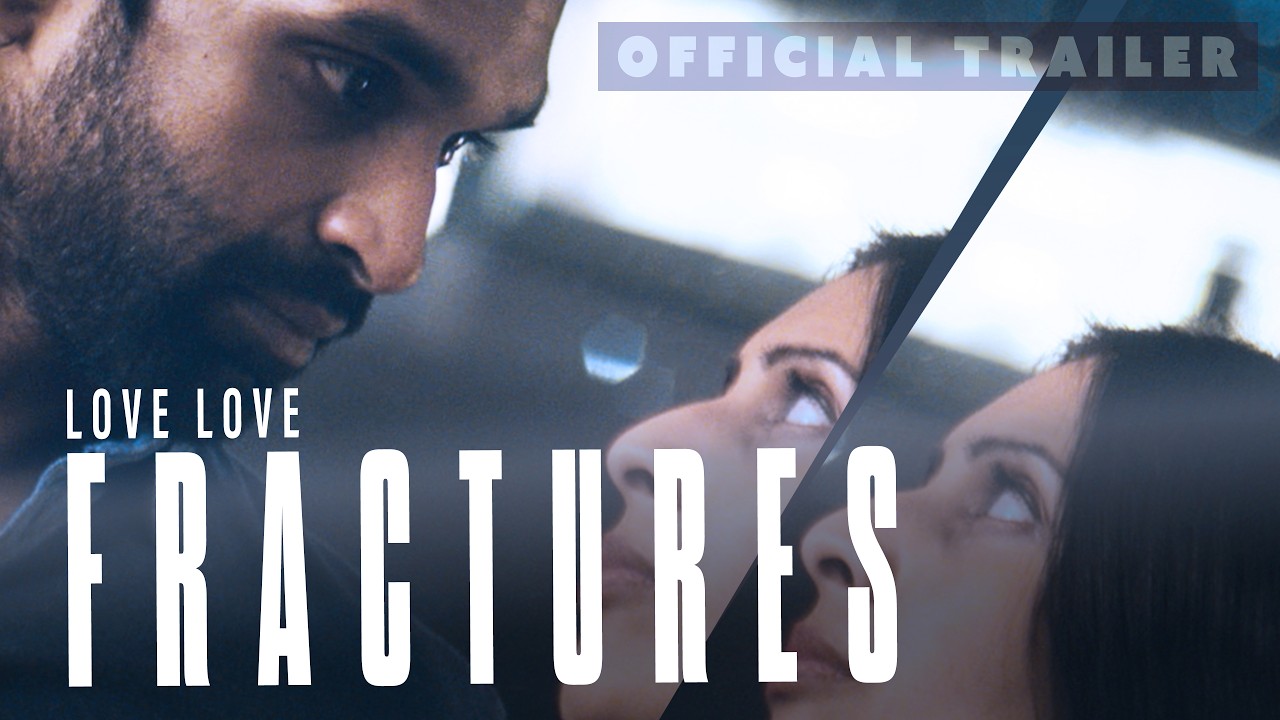
An Anthology Relationship Drama About Love, Loss, and Human Resilience
Spanning nine standalone stories connected by a shared emotional core, Love Love: Fractures explores the moments when relationships are tested by betrayal, grief, distance, secrecy, identity, conflict, and survival. Moving across intimate domestic struggles, larger social tensions, and even geopolitical realities, each chapter examines the fragile points where love begins to crack. Yet rather than focusing solely on heartbreak, the film investigates the resilience that allows people to reconnect, forgive, endure, and continue loving despite pain. Through multiple perspectives and storytelling styles, the anthology presents a broad meditation on the many forms love can take—and the many ways it can be broken and rebuilt.
➡️ Implication: Contemporary anthology dramas increasingly use interconnected emotional themes to explore universal human experiences from multiple perspectives.
Why It Is Trending: Anthology storytelling examining modern relationships
Love Love: Fractures has attracted attention because it approaches love as a complex and evolving human experience rather than a single romantic narrative. By presenting nine separate stories connected through emotional themes, the film offers audiences multiple entry points into discussions surrounding relationships, loss, trust, and healing. Writer-director Nikhil Kamkolkar uses the anthology format to explore both personal and societal fractures. The film’s ambitious structure and thematic scope distinguish it from more conventional relationship dramas. Early audience reactions have particularly praised its emotional depth and unified thematic vision.
➡️ Implication: Audiences increasingly appreciate relationship stories that reflect the complexity and diversity of modern emotional experiences.
Elements Driving the Trend: Love, conflict, and emotional survival
The film builds its emotional impact around trust, betrayal, grief, forgiveness, separation, identity, resilience, memory, and reconciliation. Each story examines a different point where relationships encounter strain or transformation. Rather than treating love as idealized, the narrative explores its vulnerabilities and imperfections. Emotional survival becomes a recurring theme as characters navigate loss and uncertainty. Together, these elements create a multifaceted portrait of human connection.
➡️ Implication: Relationship dramas increasingly resonate when they embrace emotional complexity rather than romantic idealism.
Virality of Movie (Social Media Coverage): Viewers responding to universal emotional themes
Online discussions have focused on the anthology’s exploration of love in its many forms, including romantic, familial, and personal relationships. Viewers frequently highlight the film’s ability to connect different stories through a shared emotional framework. The variety of narrative styles and settings has also generated interest among independent-film audiences. Discussions often emphasize how individual viewers connect with different chapters depending on their own experiences. Much of the film’s appeal stems from its emotional relatability.
➡️ Implication: Emotionally universal storytelling continues driving engagement across diverse audience groups.
Critics Reception: Appreciation for thematic ambition and emotional scope
Early reactions have praised the film’s ambitious structure and commitment to exploring love through multiple perspectives. Critics have noted the challenge of maintaining cohesion across nine separate stories while acknowledging the thematic consistency that links them together. Particular attention has been given to Kamkolkar’s ability to connect intimate personal experiences with broader social and cultural tensions. Reviewers have also highlighted the film’s emotional sincerity. Overall, the project has been viewed as an ambitious exploration of contemporary relationships.
➡️ Implication: Critics increasingly value anthology projects that achieve thematic unity across diverse narratives.
Awards and Recognitions: Early audience recognition highlighting emotional impact
Although the film remains early in its release cycle, audience response has been notably positive. Early viewers have praised the project’s emotional intelligence, thematic cohesion, and willingness to explore love beyond conventional romantic frameworks. While major awards recognition has not yet emerged, the film’s strong audience reception suggests growing appreciation within independent-film circles. Its unique structure may also attract future festival interest.
➡️ Implication: Audience engagement increasingly serves as an important early indicator of success for independent anthology films.
Director and Cast: Nikhil Kamkolkar explores love through multiple human experiences
Written and directed by Nikhil Kamkolkar, the film reflects a personal artistic vision centered on emotional complexity and human connection. Kamkolkar uses the anthology format to examine relationships from multiple angles while maintaining thematic consistency. His storytelling emphasizes empathy, vulnerability, and resilience.
The ensemble cast includes Alex Carmine, Kabir Chopra, Jean Goto, Sarah Hartshorne, Sherrell Johnson, Vick Krishna, Mackendy Louis, Shubhra Prakash, and Piyali Syam. Together, the cast helps create a diverse emotional landscape that reflects multiple perspectives on love, loss, and reconciliation.
➡️ Implication: Ensemble-driven anthologies continue providing unique opportunities to explore diverse emotional experiences within a single project.
Conclusion: A thoughtful meditation on how love breaks and heals
Love Love: Fractures transforms nine separate stories into a larger reflection on human connection, vulnerability, and resilience. Its anthology structure allows it to explore the many ways relationships evolve under pressure while maintaining a consistent emotional focus. Nikhil Kamkolkar presents love not as a perfect force but as something fragile, complicated, and ultimately enduring. Themes surrounding trust, betrayal, forgiveness, grief, identity, memory, and reconciliation remain central throughout the collection. By examining both personal and societal fractures, the film broadens its emotional and cultural relevance. Ultimately, it becomes both a relationship drama and a celebration of humanity’s capacity to reconnect after loss and conflict.
➡️ Implication: Anthology dramas centered on emotional universality will continue resonating as audiences increasingly seek nuanced explorations of modern relationships.
What Movie Trend Is Followed: Multi-perspective relationship anthologies and emotional mosaic storytelling
Love Love: Fractures follows the growing trend of anthology films that explore a single universal theme through multiple interconnected stories. Rather than focusing on one protagonist or one romantic relationship, these films examine how the same emotional experience manifests across different people, circumstances, and social realities. Similar contemporary anthologies increasingly explore love, grief, identity, loneliness, and human connection through fragmented narratives that collectively form a larger emotional statement. The movie also reflects a broader trend toward relationship dramas that move beyond romance to examine family bonds, friendship, loss, and survival. Its structure aligns with a growing audience appetite for emotionally diverse storytelling that mirrors the complexity of modern life.
➡️ Implication: Contemporary anthology dramas increasingly use multiple perspectives to reveal the universal nature of human emotions.
Trend Drivers: Audiences seeking emotionally layered storytelling
Modern audiences increasingly appreciate stories that reflect the complexity of real relationships. Anthology structures allow filmmakers to examine different emotional situations without forcing them into a single narrative framework. Viewers often enjoy finding thematic connections between seemingly unrelated characters and stories. The format also creates opportunities for broader representation of experiences and perspectives. These factors continue driving interest in emotionally driven anthology films.
➡️ Implication: Emotional diversity increasingly strengthens audience engagement within contemporary drama.
What Is Influencing Trend: Fragmented lives and interconnected experiences
Today’s storytelling increasingly reflects a world where individuals experience similar emotions through very different circumstances. Filmmakers are moving away from singular narratives toward structures that emphasize shared humanity across diverse experiences. Anthologies provide a natural format for exploring themes such as love, grief, identity, and resilience from multiple angles. Audiences also appreciate stories that invite interpretation and thematic reflection. These developments strongly support films like Love Love: Fractures.
➡️ Implication: Narrative experimentation continues expanding how filmmakers explore universal human experiences.
Macro Trends Influencing: Emotional wellness, connection, and vulnerability
Across contemporary culture, there is growing openness toward discussions of emotional health, vulnerability, and personal relationships. Audiences increasingly seek stories that acknowledge emotional complexity rather than simplistic happy endings. Themes of healing, resilience, reconciliation, and emotional growth have become particularly relevant. Relationship-focused dramas often serve as mirrors for these broader social conversations. This cultural environment strongly supports anthology projects centered on human connection.
➡️ Implication: Emotional authenticity continues becoming a defining characteristic of modern prestige drama.
Consumer Trends Influencing: Demand for reflective and emotionally intelligent content
Viewers increasingly gravitate toward stories that encourage introspection and emotional engagement. Anthology formats appeal because different stories allow audiences to connect with different experiences and perspectives. Many viewers appreciate films that explore love beyond traditional romance and examine the broader spectrum of human relationships. Independent and streaming audiences have been particularly receptive to emotionally intelligent storytelling. These preferences continue supporting anthology relationship dramas.
➡️ Implication: Audiences increasingly value emotional insight as much as narrative entertainment.
Audience Analysis: Relationship-drama fans, arthouse viewers, and emotionally driven audiences
The film primarily appeals to viewers aged 25–65 who enjoy relationship dramas, anthology storytelling, independent cinema, and character-focused narratives. Audiences interested in themes of love, grief, forgiveness, identity, and resilience represent a key demographic. Festival viewers and arthouse audiences may particularly appreciate its thematic ambition and experimental structure. Viewers seeking emotionally reflective storytelling rather than plot-driven spectacle are also likely to connect with the film. Its universal themes broaden its appeal across multiple demographics.
➡️ Implication: Emotionally centered anthologies increasingly attract audiences seeking reflection, empathy, and personal connection.
Conclusion: A trend driven by emotional universality and human connection
The trend reflected in Love Love: Fractures demonstrates how contemporary filmmakers increasingly use anthology structures to explore shared emotional experiences. These stories resonate because they acknowledge that love, grief, betrayal, forgiveness, and resilience take many forms. Multiple perspectives allow audiences to see themselves reflected in different characters and circumstances. The continued demand for emotionally authentic storytelling further strengthens this trend. Such projects succeed through empathy, thematic consistency, and emotional depth. Ultimately, the trend represents a broader movement toward cinema that views relationships as complex, evolving, and fundamentally human experiences.
➡️ Implication: Relationship anthologies will continue growing as audiences increasingly seek nuanced explorations of love, loss, and emotional resilience.
Final Verdict: A thoughtful anthology about how love survives through life’s fractures
Love Love: Fractures succeeds by examining love not as a singular experience but as a collection of emotional realities shaped by loss, betrayal, distance, forgiveness, memory, and resilience. Rather than following one central narrative, the film embraces the anthology format to reveal how relationships are tested in vastly different circumstances while remaining connected by shared emotional truths. Nikhil Kamkolkar uses each chapter to explore a different aspect of human connection, gradually building a larger reflection on what it means to love, lose, and reconnect. Themes surrounding trust, vulnerability, grief, survival, identity, devotion, and reconciliation remain central throughout the film. The result is a project that feels intimate despite its broad scope. Ultimately, the film becomes both a relationship drama and a meditation on the enduring resilience of human bonds.
➡️ Implication: Contemporary anthology dramas increasingly succeed by connecting diverse stories through universal emotional experiences.
Audience Relevance: Speaks to anyone who has loved, lost, or healed
The film resonates because nearly every viewer can identify with at least one of its emotional situations. Whether dealing with heartbreak, family conflict, distance, grief, betrayal, or reconciliation, the stories reflect experiences familiar to many audiences. The anthology format allows different viewers to connect with different chapters depending on their own life experiences. Rather than presenting one definition of love, the film embraces its many forms and contradictions. This broad emotional accessibility strengthens its appeal.
➡️ Implication: Universal emotional themes continue creating the strongest audience connections across diverse demographics.
What Is the Message of Movie: Love survives because people choose resilience
The film suggests that relationships are defined not by perfection but by the willingness to endure difficulty and uncertainty. Across the anthology, love repeatedly encounters conflict, loss, and disappointment, yet moments of connection remain possible. The stories emphasize that healing often requires vulnerability, forgiveness, and emotional courage. Rather than portraying love as effortless, the film presents it as something actively maintained through resilience and compassion. Ultimately, it argues that fractures do not necessarily signal endings.
➡️ Implication: Modern relationship dramas increasingly portray love as an evolving process rather than a destination.
Relevance to Audience: Reflects modern relationship realities
The film feels particularly relevant because contemporary relationships often exist within increasingly complex social, cultural, and emotional environments. Questions surrounding trust, identity, communication, and personal growth remain central to many people’s lives. Audiences increasingly seek stories that acknowledge these complexities rather than relying on idealized romantic narratives. The anthology format mirrors the diversity of modern emotional experiences. This helps make the film culturally relevant and relatable.
➡️ Implication: Audiences increasingly value relationship stories that reflect real emotional complexity.
Social Relevance: Exploring connection in a fragmented world
The movie examines how individuals maintain human connection despite personal, social, and geopolitical divisions. Several stories suggest that emotional fractures often reflect larger societal tensions. By linking intimate struggles with broader realities, the film highlights the universal need for empathy and understanding. The narrative also acknowledges how external pressures shape personal relationships. This gives the anthology social significance beyond its romantic themes.
➡️ Implication: Relationship stories increasingly function as reflections of broader social and cultural challenges.
Performance: Ensemble storytelling creating emotional variety
Because the film consists of multiple narratives, its success relies heavily on the ability of the ensemble cast to create emotionally distinct yet thematically connected characters. Performances from Alex Carmine, Kabir Chopra, Jean Goto, Sarah Hartshorne, Sherrell Johnson, Vick Krishna, and the wider ensemble help bring different emotional dimensions to the anthology. Each chapter contributes a unique perspective while supporting the larger thematic structure. Together, the cast creates a rich emotional mosaic.
➡️ Implication: Anthology films depend heavily on ensemble performances to sustain thematic cohesion.
Legacy: Part of the evolution of emotionally driven anthology cinema
Love Love: Fractures contributes to a growing movement of anthology films focused on emotional themes rather than genre gimmicks. Its emphasis on relationships, resilience, and human vulnerability positions it within a tradition of character-driven anthology storytelling. The project also demonstrates how independent filmmakers can use fragmented narratives to explore large thematic questions. While its long-term impact remains to be seen, it represents a thoughtful contribution to modern relationship cinema.
➡️ Implication: Emotional anthology storytelling continues evolving as a meaningful format for exploring complex human experiences.
Success: Building connection through emotional universality
The film’s strongest achievement lies in its ability to unite multiple stories under a coherent emotional vision. Early audience reactions have praised its thematic consistency and exploration of love from different perspectives. Rather than relying on spectacle, the project builds engagement through empathy and emotional recognition. Its anthology structure also encourages viewers to reflect on their own experiences with relationships and loss. This emotional universality represents the film’s greatest strength.
➡️ Implication: Independent dramas increasingly succeed when they create emotional reflection rather than narrative spectacle.
Insights: The film presents love as fragile yet resilient, showing how relationships survive through conflict, grief, and uncertainty. Industry Insight: Anthology films are increasingly being used to explore broad emotional themes through diverse perspectives and experiences. Audience Insight: Viewers strongly connect with stories that reflect the complexity and imperfection of real relationships. Social Insight: The narrative highlights how personal relationships are often shaped by larger social and cultural pressures. Cultural Insight: Contemporary audiences increasingly embrace nuanced portrayals of love that move beyond traditional romantic ideals.
Conclusion: A compassionate exploration of how people find their way back to one another
Love Love: Fractures transforms nine separate stories into a unified reflection on human connection, vulnerability, and resilience. Through its anthology structure, the film explores how relationships are challenged by betrayal, distance, grief, conflict, and change while still preserving the possibility of healing. Nikhil Kamkolkar crafts a work that treats love as both fragile and enduring. Themes surrounding trust, memory, forgiveness, identity, loss, survival, and reconciliation remain central throughout the collection. By balancing emotional intimacy with broader social observations, the film creates a rich and reflective viewing experience. Ultimately, it becomes a reminder that even when relationships fracture, the possibility of connection often remains.
➡️ Implication: Relationship anthologies will continue resonating as audiences increasingly seek emotionally authentic stories about love, resilience, and human connection.
Summary of the Movie: An anthology drama about love, loss, and emotional resilience
• Movie themes: Love, betrayal, grief, forgiveness, reconciliation, trust, identity, emotional survival, memory, and human connection — the film explores how relationships fracture under pressure and how people attempt to rebuild emotional bonds after conflict and loss.
➡️ Implication: Contemporary relationship dramas increasingly focus on the resilience of human connection rather than idealized romance.
• Movie director: Nikhil Kamkolkar writes and directs an ambitious anthology that examines love through multiple perspectives, emotional experiences, and storytelling styles. His approach emphasizes empathy, vulnerability, and the complexity of modern relationships.
➡️ Implication: Independent filmmakers increasingly use anthology structures to explore broad emotional themes with greater depth and variety.
• Top casting: Alex Carmine, Kabir Chopra, Jean Goto, Sarah Hartshorne, Sherrell Johnson, Vick Krishna, Mackendy Louis, Shubhra Prakash, and Piyali Syam contribute to a diverse ensemble portraying different experiences of love, heartbreak, and healing.
➡️ Implication: Ensemble anthologies allow multiple perspectives to deepen audience engagement with universal themes.
• Awards and recognition: While the film has not yet received major awards recognition, early audience reactions have been highly positive, with viewers praising its emotional depth, thematic consistency, and exploration of love across multiple dimensions. Its strong early reception suggests growing appreciation within independent-film circles.
➡️ Implication: Audience connection increasingly serves as an important indicator of success for independent dramas.
• Why to watch movie: A strong choice for viewers who enjoy anthology films, relationship dramas, emotionally reflective storytelling, independent cinema, and narratives exploring love beyond traditional romance.
➡️ Implication: Audiences increasingly seek emotionally intelligent stories that reflect the complexity of real relationships.
• Key success factors: Unique anthology structure, emotional universality, thematic cohesion, relationship-centered storytelling, diverse perspectives, strong ensemble performances, and an exploration of love through both personal and societal lenses.
➡️ Implication: Thematic depth and emotional authenticity continue driving the success of contemporary independent dramas.
• Where to watch: Released on January 12, 2026, in the United States. Produced by Kamkol Productions LLC. Availability is expected through independent theatrical screenings, film festivals, and digital distribution platforms.
➡️ Implication: Independent anthology films increasingly rely on niche audiences, festivals, and digital platforms to build long-term visibility.
Conclusion: A moving reminder that love’s fractures are part of its strength
Love Love: Fractures transforms nine separate stories into a unified exploration of human connection, vulnerability, and endurance. Rather than presenting love as perfect or uncomplicated, the film embraces its fragility and its remarkable capacity for renewal. Nikhil Kamkolkar crafts an anthology that finds common emotional ground across vastly different experiences and circumstances. Themes surrounding trust, grief, forgiveness, identity, betrayal, resilience, and reconciliation remain central throughout the film. By examining how people break apart and find their way back together, the project creates an emotionally rich and reflective experience. Ultimately, the film becomes both a celebration of love’s complexity and a testament to humanity’s enduring desire for connection.
➡️ Implication: Relationship anthologies will continue finding audiences as viewers increasingly seek nuanced, emotionally authentic portrayals of love, loss, and resilience.






Leave a Reply