
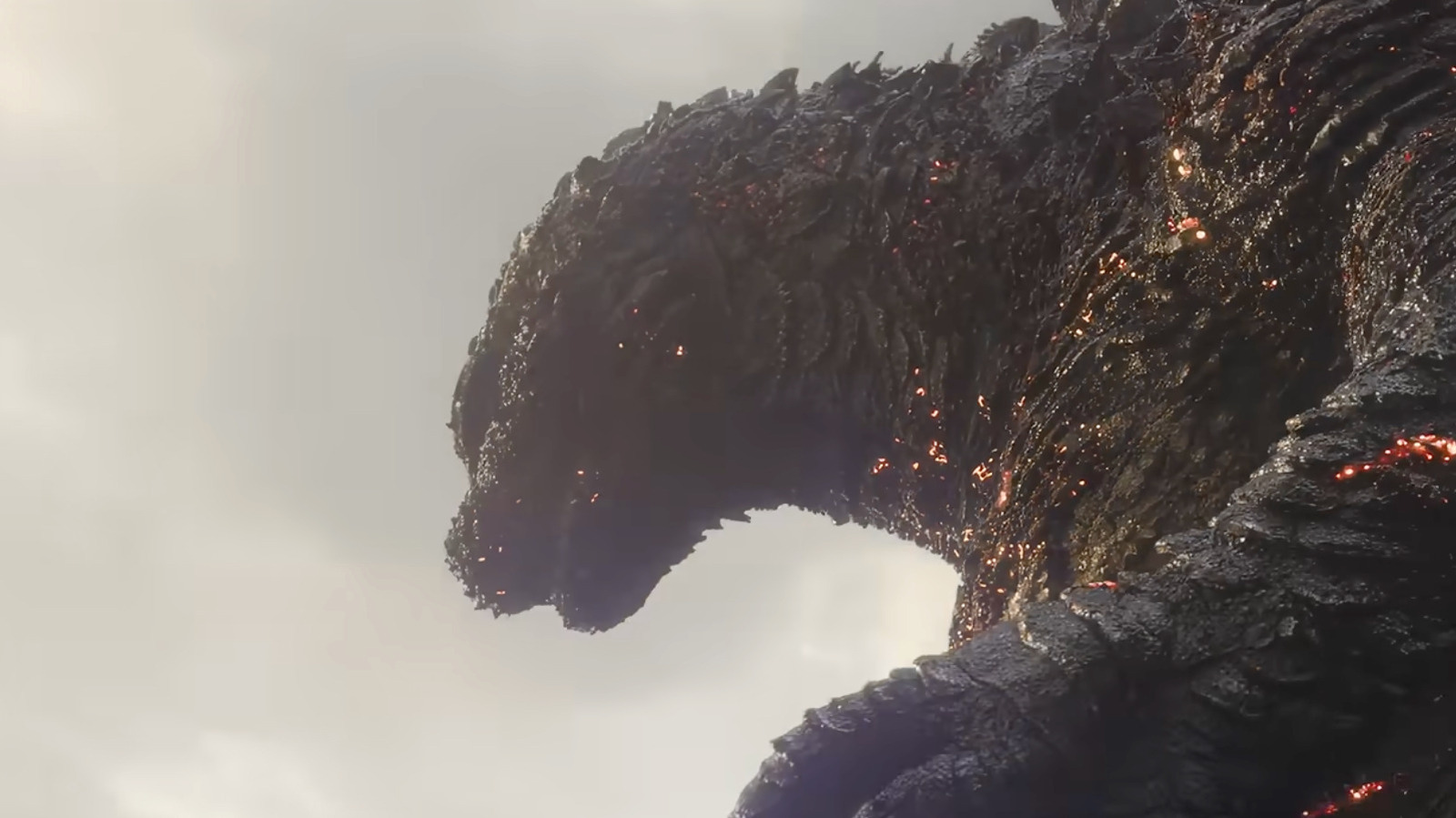
This article contains spoilers for “Godzilla Minus Zero.”
“Godzilla Minus One” was a revelation — a movie that broke records and made history at the Oscars. Director, writer, and VFX supervisor Takashi Yamazaki didn’t reinvent the kaiju wheel the way Hideaki Anno’s “Shin Godzilla” did, but he did deliver an incredible updated take on the 1954 original movie for modern audiences. After a decade of American movies that became sillier and sillier, Yamazaki’s film felt like a shock to the kaiju system: a Godzilla movie that was scary and treated its titular character like a god. Now, “Godzilla Minus Zero” is bigger and badder, even if it does have a lot of issues.
The film aims higher and dreams bigger, with a sense of scope and scale beyond what we’ve seen in kaiju movies for years. This movie doesn’t need more than two giant monsters, but it still feels bigger than “Godzilla: King of the Monsters” or even “Pacific Rim.” The VFX work is breathtaking, and the spectacle worthy of the biggest IMAX screens. Though some of the character work leaves a lot to be desired, the main characters are actually interesting and worth following — especially the scientist with a thirst for revenge against the U.S. for the nuclear attack on Hiroshima and Nagasaki.
But arguably the most unexpected yet effective aspect of “Godzilla Minus Zero” is how it works as a direct sequel to “Godzilla Minus One,” portraying the wounds both visible and invisible left behind by Godzilla’s attack on Tokyo, and the collective grief still felt two years later. More than anything, “Godzilla Minus Zero” has the most harrowing imagery you’ll ever find in a Godzilla movie.
Turns out a giant monster attack is pretty awful
Throughout “Godzilla Minus Zero” we see clouds of smoke and some sort of devastation as constant reminders of what Godzilla did. But for Takashi Yamazaki it’s not enough just to imply that characters are still struggling with the aftermath of Godzilla’s attack on Tokyo; the film also shows it.
At one point, we get a flashback showing the direct aftermath of the attack on Ginza from the previous movie. We see a hospital just overfilled with the stench of death, overrun with the injured and dead, screams of agony drowning out any other sound. That this scene comes after a grisly flashback showing the aftermath of the Hiroshima bombing adds to the parallels Yamazaki is drawing between both cataclysmic events, while also adding a historical weight to the devastation and horror of what a Godzilla attack would mean. It’s no wonder “Godzilla Minus Zero” has an R-rating; the imagery of Ginza after Godzilla destroyed it in the last movie, as well as the sight of the devastation King Ghidorah left in Matsumoto City, is absolutely harrowing.
What makes this work so well is that we’ve never really had a proper Godzilla sequel before — one that really focused on the aftermath of the previous movie’s attacks. Every movie essentially resets the action as it prepares for the next kaiju fight. The closest we’ve had to a reckoning is in “Monarch: Legacy of Monsters,” with the focus on Cate Randa’s PTSD after witnessing Godzilla attacking San Francisco. This, however, is on a whole other level. Nothing is implied, and the horrors are right there on the screen. We’ve had many Godzilla movies before, but none have made a kaiju fight look this horrifying.






Leave a Reply