
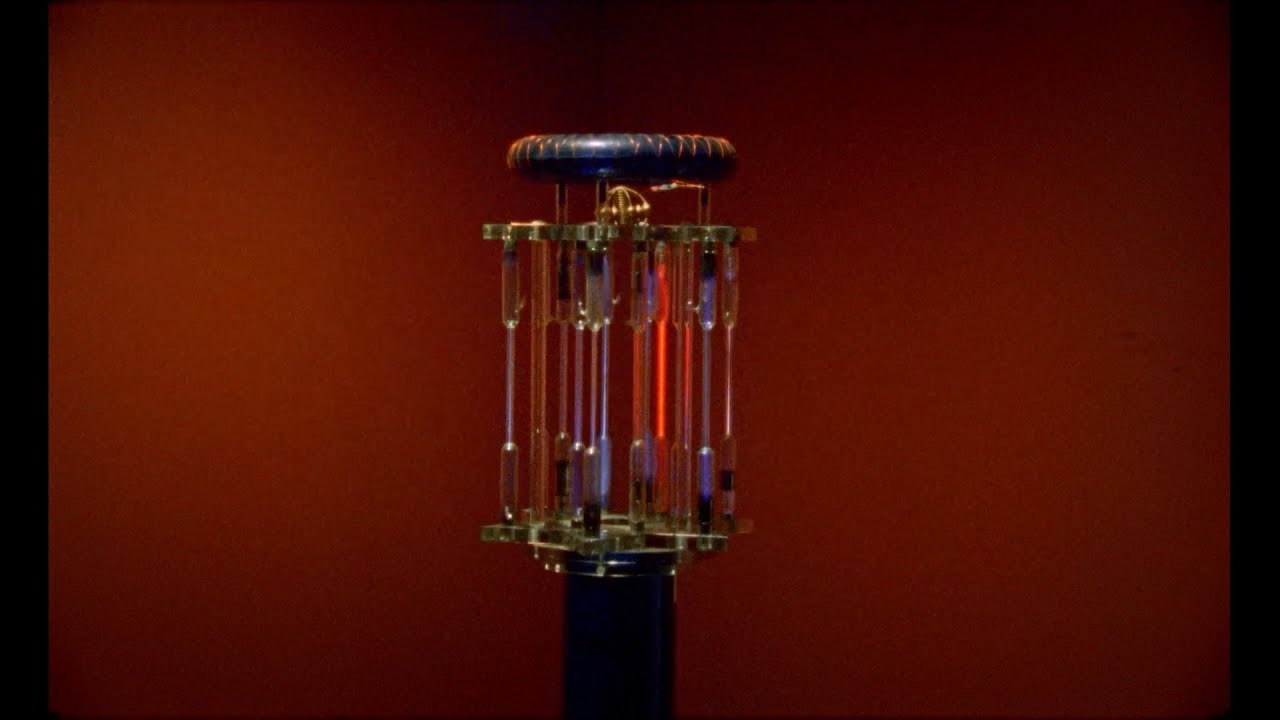
A blurred-reality meditation on grief, belief, and the fragile boundary between science and illusion
A daughter inherits mystery, grief, and doubt.
In the aftermath of her conspiracy-driven father’s sudden death, a young woman is left with his experimental healing device and the questions it carries. The film unfolds as both an emotional investigation and an existential puzzle, balancing quiet grief with intellectual unease.
As she navigates his legacy, the narrative blends documentary realism with fictional ambiguity, creating tension around what is true and what is constructed. The emotional core rests on her attempt to understand not just the device, but the man behind it. The story becomes a symbolic exploration of inherited belief systems and the human need to find meaning in uncertainty.
Why It Is Trending: A niche indie film tapping into post-truth culture and emotional ambiguity
Invention resonates in a moment where audiences are increasingly drawn to stories that question reality and authority. Its release aligns with a broader cultural fascination with conspiracy thinking, alternative science, and subjective truth.
The film’s hybrid format—blurring documentary and fiction—positions it strongly within festival circuits and cinephile platforms like MUBI. Its minimalist runtime and intellectual tone make it accessible yet thought-provoking for a niche but influential audience segment. Additionally, the rise of “slow cinema” and introspective storytelling enhances its relevance among critics and film enthusiasts. The film stands as both a cultural artifact and a reflection of modern skepticism.
Elements Driving the Trend: Hybrid storytelling and intellectual ambiguity as core appeal
The film’s strongest appeal lies in its refusal to clearly define itself as fiction or reality, drawing viewers into an active interpretive role. This ambiguity becomes its central hook, encouraging repeated discussion and analysis.
Callie Hernandez’s dual role as writer and lead actor adds authenticity and creative cohesion, strengthening the film’s indie credibility. The narrative structure leans into minimalism, allowing atmosphere and dialogue to drive engagement rather than plot-heavy storytelling. Its short runtime also makes it highly consumable within festival and streaming environments.
Virality of Movie (Social Media Coverage): Curiosity-driven discourse fueled by ambiguity
Online conversations around Invention focus heavily on its “is it real?” dynamic, with viewers debating the authenticity of the healing device and narrative framing. This uncertainty becomes the film’s primary viral driver.
The film generates engagement through curiosity rather than spectacle, appealing to audiences who enjoy dissecting meaning and uncovering hidden layers. Its intellectual tone limits mass virality but strengthens niche cultural traction.
Critics Reception: Divisive yet intellectually respected within indie film circles
Critics have responded with measured appreciation, highlighting the film’s experimental nature and conceptual ambition. Publications like Screen Daily and IndieWire-type outlets typically frame such films as bold but intentionally opaque.
While some critique its lack of narrative clarity, others praise its refusal to simplify complex ideas. The film’s 67 Metascore reflects this balance between admiration and critique.
Awards and Recognitions: Strong festival validation signaling artistic credibility
According to IMDb, the film holds 2 wins and 6 nominations, with significant recognition across major festivals. It received a nomination for the Grand Prix Janine Bazin Award at the Entrevues Film Festival, positioning it within serious auteur cinema.
Notably, Locarno Film Festival awarded Best Performance (Filmmakers of the Present) to Callie Hernandez, reinforcing the film’s strength in acting. It also won at the Seattle International Film Festival in the New American Cinema Competition, highlighting its importance within contemporary indie filmmaking.
Director and Cast: Courtney Stephens’ observational realism elevated by intimate performances
Courtney Stephens brings a documentary-informed sensibility, blending realism with narrative experimentation. Her direction prioritizes observation over exposition, allowing the story to unfold organically.
Callie Hernandez delivers a restrained and introspective performance, anchoring the film emotionally while maintaining its ambiguity. Supporting performances from Sahm McGlynn and James N. Kienitz Wilkins contribute to the film’s grounded, almost improvised tone. The acting style reinforces the blurred line between reality and fiction.
The film trends because: Cultural skepticism meets experimental storytelling
-
Post-truth curiosity drives audience engagement with ambiguous narratives that challenge reality
-
Indie filmmakers are exploring hybrid formats as a response to traditional storytelling fatigue
-
Audiences are increasingly aligned with introspective, discussion-driven content
The industry is responding by platforming more experimental films through festivals and curated streaming services.
Conclusion: A quiet yet provocative film redefining narrative certainty
Invention stands out through its subtle yet intellectually provocative approach to storytelling. Its emotional core is grounded in grief, while its narrative structure challenges the audience’s perception of truth.
Culturally, it reflects a growing discomfort with objective reality and authority. From an industry perspective, it reinforces the viability of low-budget, high-concept indie films. Ultimately, it positions itself as a conversation piece rather than a conventional cinematic experience.
What Movie Trend Is Followed: The rise of hybrid reality cinema blending fiction, documentary, and personal narrative
Invention follows the emerging trend of hybrid reality cinema, where films intentionally blur the boundaries between documentary and fiction. This trend prioritizes ambiguity, encouraging audiences to question what is real rather than passively consume a fixed narrative.
Emotionally, this style creates a deeper engagement by placing the viewer in a position of uncertainty and interpretation. It is highly accessible to niche audiences who value intellectual stimulation over traditional storytelling clarity. The trend resonates because it mirrors how people increasingly experience information in real life—fragmented, subjective, and often unreliable.
Trend Drivers: Audience demand for authenticity in an era of information overload
The trend exists largely due to growing skepticism toward traditional narratives and institutions. Audiences are no longer satisfied with clear-cut storytelling; instead, they seek layered, ambiguous content that reflects real-world complexity.
From an industry perspective, indie filmmakers are leveraging this approach to differentiate themselves from mainstream cinema. Lower production costs combined with creative freedom make hybrid storytelling an attractive model. Additionally, festival circuits actively reward experimentation, reinforcing the growth of this trend.
What Is Influencing Trend: Cultural skepticism and the normalization of subjective truth
Modern audiences live in a world shaped by misinformation, conspiracy theories, and competing narratives. This social context directly fuels interest in films like Invention, where truth is intentionally unstable.
Generationally, younger viewers are more comfortable navigating ambiguity and forming their own interpretations. Emotionally, this creates a sense of participation rather than passive viewing, making the experience more immersive and personal.
Macro Trends Influencing: The shift toward decentralization of storytelling authority
The film industry is moving away from authoritative, single-perspective storytelling toward more fragmented and subjective narratives. This reflects a broader cultural evolution where authority is questioned and multiple truths coexist.
Culturally, audiences are embracing complexity and resisting oversimplification. Lifestyle-wise, the rise of streaming platforms and curated content ecosystems allows niche storytelling styles to thrive without needing mass appeal.
Consumer Trends Influencing: Active viewing and interpretation as entertainment
Audiences are increasingly engaging with content as a form of intellectual participation rather than passive consumption. Films are no longer just watched—they are analyzed, debated, and decoded.
Viewer expectations have shifted toward content that offers interpretive depth and rewatch value. Engagement styles now include online discussions, theory-building, and community-driven meaning-making, all of which align perfectly with films like Invention.
Audience Analysis: Niche cinephiles seeking intellectual and emotional complexity
The primary audience for Invention falls within the 25–45 age range, skewing toward educated, culturally engaged viewers. These individuals often have a strong interest in independent cinema, philosophy, and experimental art forms.
Lifestyle-wise, they are urban, digitally connected, and frequent users of curated streaming platforms such as MUBI. Behaviorally, they prefer slow, reflective viewing experiences over fast-paced entertainment. Their viewing habits include festival films, documentaries, and auteur-driven projects.
They value originality, ambiguity, and emotional authenticity, often prioritizing discussion-worthy content. Their preferences lean toward films that challenge perception rather than provide easy answers.
Conclusion: A sustainable niche trend with strong cultural relevance
The hybrid reality cinema trend works because it aligns with how modern audiences process information—through questioning and interpretation. Its scalability is limited in mainstream markets but highly effective within niche and festival-driven ecosystems.
Sustainability remains strong due to low production costs and high critical engagement. The industry continues to support this trend through curated platforms and international festivals. As audience sophistication grows, this trend is likely to deepen rather than fade.
Final Verdict: A restrained yet intellectually provocative exploration of belief, grief, and constructed reality
Invention positions itself as a deeply introspective film that challenges traditional storytelling norms while embracing ambiguity as its core strength. Culturally, it reflects a growing appetite for narratives that do not provide answers but instead provoke thought and interpretation.
From an industry standpoint, the film signals the continued rise of experimental, low-budget cinema that thrives in festival and curated streaming ecosystems. It resonates strongly with identity-driven audiences who value emotional nuance and philosophical inquiry. In the long term, the film contributes to a broader shift toward interpretive cinema as a legitimate and growing category.
Audience Relevance: Emotional connection through ambiguity and personal interpretation
The film connects with audiences who see storytelling as an intellectual and emotional exercise rather than pure entertainment. Its ambiguity allows viewers to project their own beliefs and experiences onto the narrative.
At the same time, it creates a selective barrier—those seeking clear answers may disengage, while those comfortable with uncertainty find deeper value. This duality strengthens its niche appeal.
What Is the Message of Movie: The fragile boundary between belief and reality
At its core, Invention explores how belief systems—especially those inherited from family—shape our perception of truth. The healing device becomes less about science and more about emotional inheritance and unresolved grief.
The film suggests that truth is often constructed rather than discovered. It leaves audiences questioning whether closure is ever truly attainable or simply imagined.
Relevance to Audience: Reflecting modern uncertainty and distrust in authority
In today’s world of conflicting information and widespread skepticism, the film feels particularly relevant. Audiences are increasingly navigating blurred lines between fact and fiction in their daily lives.
This relevance makes the film feel less like a story and more like a reflection of contemporary reality. It resonates with viewers who are already questioning systems, narratives, and inherited truths.
Social Relevance: A commentary on post-truth culture and inherited ideology
The film subtly critiques a society where truth is subjective and often shaped by personal belief systems. It reflects how conspiracy thinking and alternative narratives have become normalized.
Socially, it highlights the emotional roots of belief—fear, loss, and the need for meaning. This positions the film as both a personal story and a broader cultural commentary.
Performance: Strong festival performance and critical recognition over commercial reach
Invention holds an IMDb rating of 5.9, reflecting its niche appeal and divisive reception among general audiences. Its performance is less defined by box office success and more by critical and festival recognition.
The film has achieved 2 wins and 6 nominations, including major festival acknowledgment and a standout performance award for Callie Hernandez. Its reception leans toward critical appreciation rather than mainstream popularity, reinforcing its position within the indie circuit.
Legacy: A contribution to the evolution of hybrid and interpretive cinema
While not a mainstream breakthrough, Invention contributes meaningfully to the evolution of hybrid storytelling. It reinforces the legitimacy of blending documentary realism with fictional narrative.
Over time, films like this shape audience expectations and expand what cinema can be. Its legacy lies in influence rather than scale.
Success: Defined by artistic credibility and festival validation rather than mass appeal
The film’s success is rooted in its recognition within respected film festivals such as Locarno Film Festival and Seattle International Film Festival. These acknowledgments position it within a global network of serious cinema.
Critically, it has been recognized for its ambition and performance, even if it remains polarizing. Its success is measured through cultural and artistic impact rather than financial returns.
Insights: A film that transforms uncertainty into engagement
Insights: Invention demonstrates how ambiguity can be used as a powerful engagement tool rather than a narrative weakness, transforming passive viewing into active interpretation. Industry Insight: The film highlights a growing industry shift toward low-budget, concept-driven cinema that prioritizes intellectual depth over spectacle, particularly within festival and streaming ecosystems. It reinforces that strong ideas and unique formats can achieve recognition without mainstream scale. It also signals that curated platforms are becoming key gatekeepers for experimental storytelling. Audience Insight: Viewers are increasingly drawn to content that allows them to participate in meaning-making rather than simply consume a finished narrative. This reflects a desire for deeper cognitive and emotional engagement. It also indicates that niche audiences are becoming more influential in shaping cultural relevance. Social Insight: The film mirrors a society grappling with uncertainty, misinformation, and competing truths, where belief often outweighs evidence. It captures how emotional needs can drive acceptance of ideas regardless of their validity. This dynamic makes the narrative feel deeply contemporary. Cultural Insight: Invention reflects a broader cultural movement toward questioning authority and embracing subjective reality as a valid lens. It positions cinema as a space for philosophical exploration rather than definitive storytelling. Ultimately, it reinforces the idea that ambiguity itself has become a cultural language.
Conclusion: A quiet but influential signal of cinema’s evolving narrative language
Invention may not achieve mainstream visibility, but its impact lies in its contribution to evolving storytelling norms. It reflects a broader system where niche films shape cultural discourse through depth rather than scale.
From a market perspective, it reinforces the value of festival ecosystems and curated distribution channels. The film signals a shift toward audience participation as a core component of storytelling. Ultimately, it represents a future where cinema is less about answers and more about exploration.
Summary of the Movie: A haunting exploration of inherited belief and the illusion of truth in a fractured reality
-
Movie themes: Grief, belief, and subjective reality
A deeply introspective exploration of how personal loss intertwines with belief systems, questioning whether truth is objective or emotionally constructed.
-
Movie director: Courtney Stephens’ observational realism and hybrid storytelling approach
Courtney Stephens brings a documentary-influenced style that blends realism with narrative ambiguity. Her previous work and artistic sensibility lean toward experimental storytelling that challenges traditional cinematic structure.
-
Top casting: Callie Hernandez leads with a restrained, introspective performance
Callie Hernandez anchors the film with subtle emotional depth, supported by performances from Sahm McGlynn and James N. Kienitz Wilkins, who enhance the film’s naturalistic tone.
-
Awards and recognition: 2 wins & 6 nominations with major festival presence
Includes Best Performance (Filmmakers of the Present), Locarno Film Festival, and Grand Prix Janine Bazin Award nomination, Entrevues Film Festival, signaling strong recognition within global indie cinema.
-
Why to watch movie: A thought-provoking, discussion-driven cinematic experience
Ideal for viewers who enjoy ambiguity, philosophical themes, and films that challenge perception rather than provide clear answers.
-
Key Success Factors: Strong positioning within the hybrid cinema movement
Its success lies in aligning with the growing demand for experimental, interpretation-driven storytelling seen in contemporary indie film circuits.
-
Where to watch: Festival circuit release with curated platform potential
Released October 1, 2025 (France), with distribution likely focused on festivals and niche streaming platforms such as MUBI.
Conclusion: A minimal yet layered story that lingers beyond its runtime
Invention is defined by its quiet, introspective narrative and its refusal to provide easy answers. The film leaves viewers with an emotional and intellectual residue, encouraging reflection long after it ends. Its value lies not in resolution, but in the questions it raises about belief and truth. As a viewing experience, it rewards patience and curiosity over passive consumption. Ultimately, it stands as a compelling example of modern indie cinema’s shift toward ambiguity and audience interpretation.






Leave a Reply