
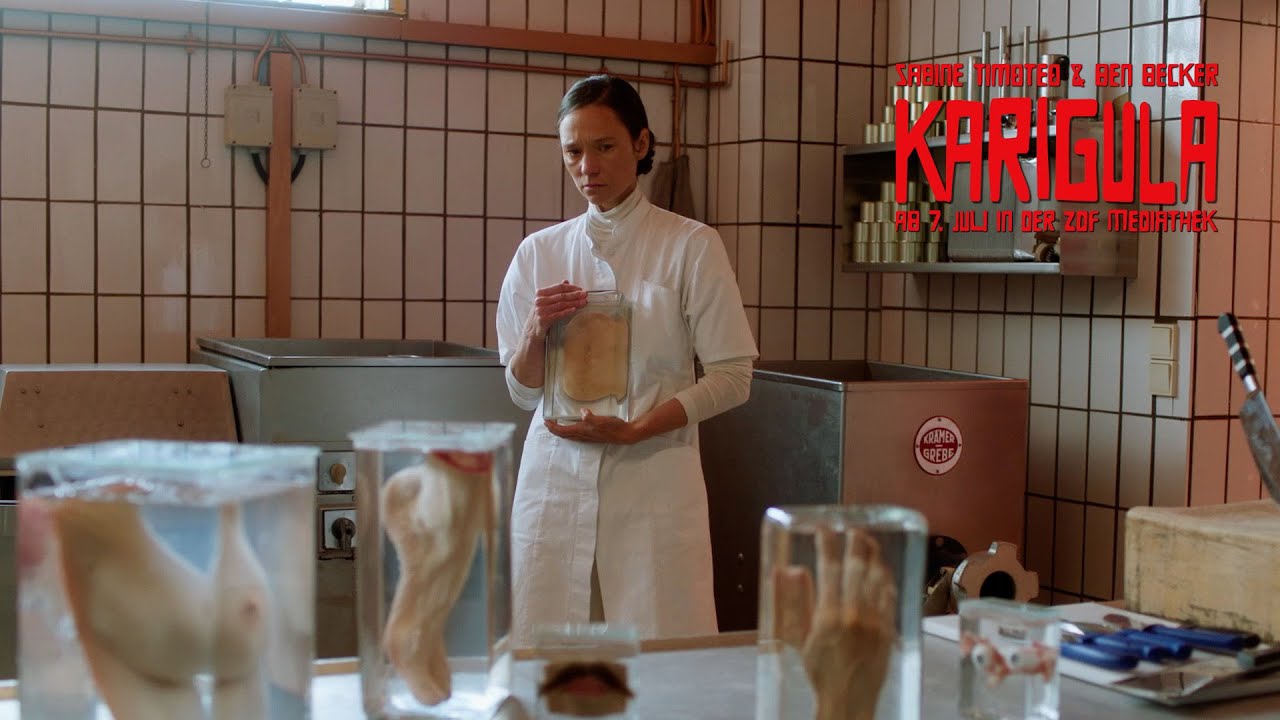
A dark psychological drama about obsession, damaged love, and emotional decay
Love slowly turns into emotional destruction.
Karigula follows emotionally fractured characters trapped in unstable relationships shaped by longing, manipulation, and emotional dependency. The film blends psychological drama with surreal emotional intensity, creating an atmosphere filled with discomfort and melancholy. Rather than focusing on conventional narrative structure, Carsten Unger prioritizes emotional fragmentation and psychological tension. The story explores damaged intimacy, emotional isolation, and destructive romantic obsession. Its bleak visual tone reinforces the sense of emotional collapse surrounding the characters. Ultimately, the film becomes both a relationship drama and a dark psychological reflection on love, loneliness, and emotional ruin.➡️ Implication: Contemporary European dramas increasingly explore emotional instability through psychologically fragmented storytelling.
Why It Is Trending: Growing interest in psychologically intense European relationship dramas
Audiences continue engaging with emotionally raw and psychologically unsettling dramas.
The film’s bleak atmosphere and emotionally damaged characters align with broader arthouse trends focused on psychological realism and relationship dysfunction. European indie audiences especially connect with slow-burning emotional narratives centered on loneliness and obsession. The casting of Ben Becker and Sabine Timoteo also adds arthouse credibility. Its dark tone and emotionally uncomfortable atmosphere create curiosity within festival and cinephile spaces.➡️ Implication: Emotionally difficult and psychologically intimate dramas continue expanding within European arthouse cinema.
Elements Driving the Trend: Psychological instability mixed with destructive intimacy
The film builds tension through emotional discomfort and fractured relationships.
Romantic obsession becomes emotionally suffocating throughout the narrative. The bleak atmosphere reinforces loneliness and emotional decay. Minimalist storytelling intensifies psychological realism and unease. The characters’ instability drives the emotional tension more than external conflict. Together, these elements create a cold and psychologically immersive viewing experience.➡️ Implication: Minimalist psychological storytelling continues shaping modern European drama.
Virality of Movie (Social Media Coverage): Niche arthouse discussion driven by dark emotional themes
The film generated limited but notable discussion within arthouse and European cinema spaces.
Online reactions focused on its bleak emotional atmosphere and psychologically damaged characters. Cinephile audiences discussed the film’s unsettling portrayal of love and emotional dependency. The dark visual tone and minimalist storytelling also attracted niche festival attention. Its visibility remained strongest among arthouse viewers rather than mainstream audiences.➡️ Implication: Emotionally intense indie dramas increasingly build visibility through niche cinephile communities.
Critics Reception: Mixed reactions toward its bleak tone and psychological intensity
Critical reception has been mixed but engaged with the film’s emotional ambition.
Some reviewers appreciated Carsten Unger’s psychologically immersive direction and bleak emotional realism. Others viewed the pacing and emotional heaviness as emotionally exhausting. Critics generally highlighted the performances and oppressive atmosphere as the film’s strongest elements. Overall, reactions positioned the movie as a difficult but emotionally committed arthouse drama.➡️ Implication: Psychologically heavy dramas often divide audiences through emotional intensity and minimalism.
Awards and Recognitions: Positioned within niche German arthouse cinema
The film has not received major awards recognition.
However, its emotionally intense style and auteur-driven direction support niche festival visibility within German and European indie cinema. The project’s dark psychological focus aligns more with arthouse appreciation than mainstream commercial attention. Recognition is likely to remain strongest among cinephile and festival audiences.➡️ Implication: Emotionally difficult arthouse dramas continue relying on festival and niche critical visibility.
Director and Cast: Carsten Unger creates a bleak and emotionally fractured ensemble drama
Directed by Carsten Unger, the film emphasizes emotional discomfort and psychological realism.
Ben Becker delivers an emotionally unstable and intense performance as Charly. Sabine Timoteo brings vulnerability and emotional tension to Karla. Saskia Rosendahl further reinforces the film’s fragile emotional atmosphere. The ensemble performances remain restrained, damaged, and psychologically raw throughout.➡️ Implication: Emotionally restrained performances remain central to psychologically immersive European dramas.
Conclusion: A bleak psychological drama about loneliness, obsession, and emotional collapse
Karigula transforms romantic instability into a psychologically unsettling exploration of loneliness, emotional dependency, and damaged intimacy. Its bleak tone and minimalist storytelling create an atmosphere filled with discomfort and melancholy. Carsten Unger focuses less on narrative spectacle and more on emotional fragmentation and psychological deterioration. The performances strengthen the film’s oppressive emotional realism throughout. Its cold visual style reinforces the sense of emotional isolation surrounding the characters. Ultimately, the movie becomes both a relationship tragedy and a dark reflection on destructive love and emotional ruin.➡️ Implication: Emotionally fractured psychological dramas will continue shaping contemporary European arthouse cinema
What Movie Trend Is Followed: Psychologically fragmented relationship dramas exploring emotional isolation and destructive intimacy
Karigula follows the growing trend of emotionally intense European dramas focused on psychological instability, loneliness, and fractured human relationships.
Rather than relying on plot-driven storytelling, the film builds emotional tension through mood, silence, and damaged intimacy. Similar contemporary arthouse dramas increasingly explore emotional collapse through minimalist and psychologically immersive narratives. Stories centered on obsession, emotional dependency, and unstable love continue resonating strongly within European indie cinema. The film’s bleak atmosphere and restrained performances strengthen its emotional realism. This creates a cold and emotionally unsettling viewing experience.➡️ Implication: Contemporary arthouse cinema increasingly uses psychological minimalism to explore emotional instability and fractured relationships.
Trend Drivers: Audience interest in emotionally raw and psychologically difficult dramas
Audiences increasingly connect with emotionally vulnerable and psychologically realistic storytelling.
Relationship dramas centered on loneliness and emotional dependency create strong emotional immersion. Minimalist storytelling also allows deeper psychological focus and realism. Arthouse audiences especially value films exploring emotional discomfort and damaged intimacy. Slow-burning emotional narratives continue gaining visibility within European cinema.➡️ Implication: Emotionally difficult storytelling continues shaping modern arthouse drama trends.
What Is Influencing Trend: Rise of minimalist psychological realism in European cinema
Modern European dramas increasingly prioritize emotional atmosphere over conventional narrative structure.
Filmmakers now focus more on silence, emotional tension, and character psychology. Bleak visual aesthetics strengthen emotional discomfort and realism. Stories about emotional collapse and toxic intimacy feel more intimate and socially relevant. This restrained style aligns strongly with contemporary festival cinema.➡️ Implication: Minimalist psychological realism continues redefining European arthouse storytelling.
Macro Trends Influencing: Expansion of emotionally intimate and bleak auteur cinema
European arthouse cinema continues embracing emotionally challenging narratives.
Festival audiences increasingly support films centered on vulnerability, instability, and emotional isolation. Auteur filmmakers also continue moving away from plot-heavy structures toward mood-driven storytelling. These emotionally intimate dramas often explore modern anxieties surrounding relationships and loneliness. The trend strengthens psychologically immersive indie filmmaking globally.➡️ Implication: Emotionally intimate auteur cinema continues expanding within global arthouse culture.
Consumer Trends Influencing: Preference for emotionally immersive and psychologically realistic storytelling
Modern arthouse audiences increasingly seek emotionally intense cinematic experiences.
Viewers connect strongly with films exploring flawed relationships and emotional vulnerability. Minimalist pacing and psychological realism create stronger emotional immersion than spectacle-driven narratives. Cinephile audiences especially value bleak and emotionally uncomfortable storytelling within festival cinema. These trends strongly support psychologically fragmented relationship dramas.➡️ Implication: Emotional realism increasingly drives engagement within prestige and arthouse cinema.
Audience Analysis: Arthouse audiences drawn to bleak and psychologically layered dramas
The film mainly appeals to viewers aged 25–55 interested in European arthouse cinema and emotionally intense relationship dramas.
These audiences value psychological realism, restrained performances, and emotionally difficult narratives. Fans of slow-burning European dramas strongly connect with stories about obsession, loneliness, and emotional decay. Festival and cinephile audiences especially engage with minimalist and psychologically immersive filmmaking. The film’s bleak tone strengthens its niche arthouse appeal.➡️ Implication: Emotionally layered psychological dramas continue attracting dedicated arthouse audiences.
Conclusion: A drama trend where emotional collapse becomes the center of storytelling
The trend reflected in Karigula shows how modern European cinema increasingly explores emotional instability and loneliness through minimalist psychological storytelling. These films focus less on external conflict and more on internal emotional deterioration and fractured intimacy. Bleak atmosphere and restrained realism create stronger emotional discomfort and immersion. The rise of emotionally difficult auteur cinema also reflects audience demand for psychologically honest storytelling. These projects resonate because they confront emotional vulnerability without sentimentality. Ultimately, the trend represents a broader movement toward psychologically fragmented and emotionally immersive arthouse filmmaking.➡️ Implication: Emotionally intense psychological dramas will continue shaping contemporary European arthouse cinema.
Final Verdict: A bleak psychological relationship drama driven by obsession, loneliness, and emotional decay
Karigula succeeds because it transforms romantic instability into an emotionally unsettling study of loneliness, emotional dependency, and psychological collapse. Rather than relying on dramatic twists or spectacle, the film creates tension through silence, discomfort, and fractured intimacy. Carsten Unger builds a cold and psychologically immersive atmosphere where damaged relationships slowly deteriorate emotionally. The restrained performances and minimalist storytelling strengthen the film’s realism and emotional heaviness. Its bleak visual tone reinforces the constant sense of emotional isolation surrounding the characters. Ultimately, the movie becomes both a relationship tragedy and a psychologically raw reflection on destructive love and emotional ruin.➡️ Implication: Psychologically fragmented relationship dramas continue shaping contemporary European arthouse cinema.
Audience Relevance: Appeals to viewers seeking emotionally intense and psychologically realistic drama
The film strongly connects with arthouse audiences interested in emotionally difficult storytelling.
Its minimalist style and bleak atmosphere create deep psychological immersion. Viewers interested in relationship breakdowns and emotional vulnerability will connect with its raw emotional realism. The film’s restrained storytelling also strengthens its authenticity and discomfort. This creates strong niche arthouse appeal.➡️ Implication: Emotionally realistic storytelling continues attracting dedicated arthouse audiences.
What Is the Message of Movie: Love can become emotionally destructive when shaped by dependency and instability
The film explores how emotional loneliness slowly transforms intimacy into emotional collapse.
Relationships become driven by obsession, vulnerability, and emotional desperation rather than connection. The story suggests emotional dependency can distort identity and self-worth. Silence and emotional distance gradually intensify psychological damage throughout the narrative. The film presents love as both emotionally necessary and deeply destructive.➡️ Implication: Modern psychological dramas increasingly portray intimacy through emotional fragility and instability.
Relevance to Audience: Reflects modern anxieties surrounding loneliness and emotional disconnection
The film resonates because audiences increasingly connect with emotionally vulnerable and psychologically honest storytelling.
Themes of isolation, emotional dependency, and fractured intimacy feel socially recognizable within modern relationships. Minimalist realism strengthens emotional immersion and discomfort. The bleak atmosphere also reflects broader anxieties surrounding loneliness and emotional alienation. This emotional honesty broadens its arthouse relevance.➡️ Implication: Emotionally vulnerable storytelling continues strengthening audience engagement within indie cinema.
Social Relevance: A reflection on emotional isolation and psychological fragility
The film quietly examines the emotional instability shaping damaged relationships.
Its characters reflect broader social anxieties surrounding loneliness, emotional dependency, and emotional collapse. The narrative suggests intimacy can become psychologically suffocating when built on instability and insecurity. Unger avoids melodrama by presenting emotional deterioration through realism and restraint. This grounded emotional discomfort gives the film deeper psychological weight.➡️ Implication: Contemporary arthouse dramas increasingly explore emotional fragility and loneliness through psychological realism.
Performance: Restrained performances strengthen the film’s emotional discomfort
The performances reinforce the film’s psychological realism and bleak emotional atmosphere.
Ben Becker delivers an emotionally unstable and psychologically heavy performance as Charly. Sabine Timoteo brings vulnerability and emotional tension to Karla. Saskia Rosendahl further strengthens the fragile emotional atmosphere surrounding the story. The performances remain quiet, restrained, and emotionally raw throughout.➡️ Implication: Restrained emotional performances remain central to psychologically immersive arthouse dramas.
Legacy: Part of the growing wave of emotionally fractured European auteur cinema
The film strengthens the visibility of psychologically intense relationship dramas within European arthouse cinema.
Its bleak realism and emotionally fragmented storytelling align with broader festival and auteur-film trends. The project also reinforces Carsten Unger’s focus on emotionally difficult and psychologically immersive narratives. Over time, the film may remain relevant within niche arthouse discussions centered on emotional realism and minimalist storytelling.➡️ Implication: Emotionally fractured auteur cinema continues shaping modern European festival filmmaking.
Success: Defined by emotional intensity and arthouse credibility rather than mainstream appeal
The film’s success comes primarily through niche arthouse and festival visibility.
Its bleak atmosphere and psychological realism create strong identity within European indie cinema. Audience engagement is driven more by emotional honesty and immersive discomfort than commercial entertainment value. The film succeeds through emotional intensity, restraint, and psychological realism rather than spectacle. Its emotionally difficult tone strengthens long-term cinephile relevance.➡️ Implication: Emotional authenticity increasingly defines success within contemporary arthouse cinema.
Insights: The film transforms damaged intimacy into a psychologically raw exploration of loneliness and emotional collapse.Industry Insight: European arthouse cinema increasingly embraces emotionally fragmented and psychologically immersive storytelling.Audience Insight: Arthouse viewers strongly connect with emotionally vulnerable and psychologically realistic relationship dramas.Social Insight: The story reflects growing anxieties surrounding emotional dependency, loneliness, and fractured intimacy.Cultural Insight: Minimalist psychological realism continues shaping contemporary European auteur cinema.
Conclusion: A cold and emotionally immersive drama about obsession, loneliness, and destructive love
Karigula works because it approaches emotional instability through restraint, psychological realism, and emotional discomfort rather than melodrama. Its bleak atmosphere and fragmented relationships create a deeply immersive and unsettling experience. Carsten Unger focuses on emotional deterioration and damaged intimacy through minimalist storytelling and quiet tension. The performances strengthen the film’s emotional realism and oppressive atmosphere throughout. Its cold visual tone reinforces the constant sense of isolation surrounding the characters. Ultimately, the movie becomes both a relationship tragedy and a psychologically intimate reflection on loneliness, obsession, and emotional ruin.➡️ Implication: Emotionally intense and psychologically fragmented dramas will continue shaping contemporary European arthouse cinema.
Summary of the Movie: A dark psychological drama about loneliness, damaged intimacy, and emotional collapse
• Movie themes: Obsession, emotional dependency, loneliness, fractured relationships, psychological instability, and destructive love — the film explores how intimacy slowly turns emotionally suffocating.➡️ Implication: Psychological realism continues shaping contemporary arthouse drama.
• Movie director: Carsten Unger delivers a bleak and emotionally immersive drama driven by minimalist storytelling and psychological tension.➡️ Implication: Emotionally fragmented auteur cinema continues expanding within European arthouse filmmaking.
• Top casting: Ben Becker leads alongside Sabine Timoteo and Saskia Rosendahl.➡️ Implication: Restrained performances strengthen psychologically intimate storytelling.
• Awards and recognition: The film gained niche arthouse visibility through its emotionally difficult tone and psychologically immersive atmosphere.➡️ Implication: Festival and cinephile spaces continue supporting emotionally intense auteur dramas.
• Why to watch movie: A compelling choice for viewers interested in psychologically layered European relationship dramas and emotionally raw storytelling.➡️ Implication: Emotionally vulnerable narratives continue attracting arthouse audiences.
• Key success factors: Minimalist realism, bleak atmosphere, restrained performances, emotional fragmentation, and psychological immersion.➡️ Implication: Emotional authenticity increasingly defines modern arthouse cinema.
• Where to watch: Released July 8, 2024 in Germany through arthouse and festival-oriented distribution.➡️ Implication: European indie dramas continue relying on niche festival visibility and cinephile audiences.
Conclusion: A psychologically raw relationship drama about obsession, loneliness, and emotional ruin
Karigula transforms emotional instability into a bleak and psychologically immersive exploration of damaged intimacy and loneliness. Its minimalist storytelling and oppressive atmosphere create constant emotional discomfort beneath the relationships. Carsten Unger uses psychological realism and restraint to examine emotional dependency and personal collapse. The performances reinforce the film’s fragile emotional intensity throughout. Its cold visual tone strengthens the sense of isolation and emotional deterioration surrounding the characters. Ultimately, the movie becomes both a relationship tragedy and a haunting reflection on destructive love, loneliness, and emotional fragility.➡️ Implication: Psychologically fragmented and emotionally intense dramas will continue shaping contemporary European arthouse cinema.






Leave a Reply