
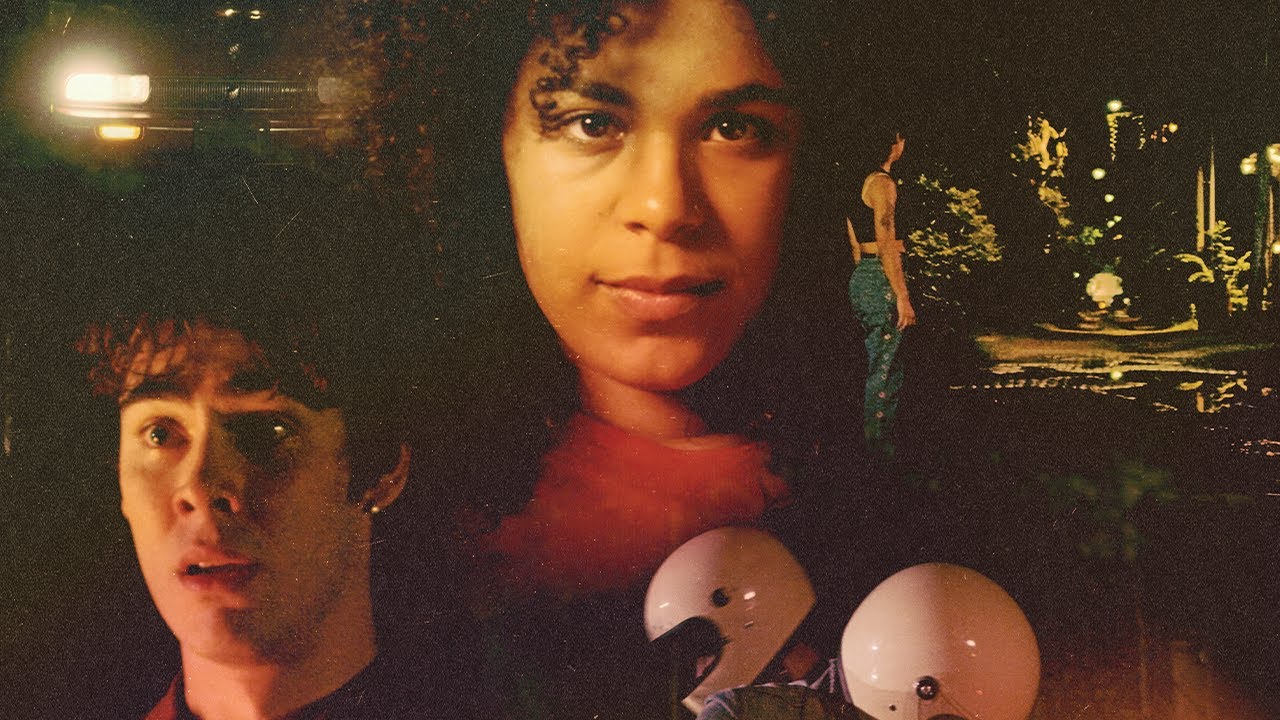
A nostalgic coming-of-age mystery exploring memory, loss, and the illusion of youth
A melancholic suburban mystery shaped by memory and first loveA missing girl leaves behind a story that never truly ends
Last Days of Summer follows Ricky, a teenage boy reflecting years later on the events leading up to the disappearance of the girl next door, Summer. Set in a quiet neighborhood where nothing seems to happen, the film gradually reveals the emotional undercurrents beneath everyday life.
As Ricky revisits the past, the narrative unfolds through memory, blurring the line between truth and perception. The disappearance becomes less about solving a mystery and more about understanding the emotional impact it leaves behind.
The film operates as a reflective coming-of-age story, using nostalgia and fragmented recollection to explore heartbreak, growing up, and the realization that youth is often defined by moments we fail to fully understand at the time. It frames memory as both a comfort and a distortion—shaping identity long after events have passed.
Why It Is Trending: A nostalgic coming-of-age mystery capturing themes of memory, first love, and suburban longing
Last Days of Summer is gaining attention for its emotionally reflective approach to adolescence, blending mystery with a deeply nostalgic coming-of-age narrative. The film resonates with audiences drawn to stories about youth, memory, and the lingering impact of formative experiences.
It aligns with a growing wave of films that revisit the past through subjective memory, where storytelling is less about factual events and more about emotional truth. By focusing on a disappearance as a catalyst rather than a central plot device, the film distinguishes itself from traditional mystery narratives.
Its early recognition, including a festival award, further positions it as an emerging indie title within character-driven cinema.
Elements Driving the Trend: Nostalgia, memory-driven storytelling, and emotional realism
The film’s appeal lies in its use of retrospective narration, where the story unfolds through the lens of memory rather than real-time action.
Its suburban setting and focus on teenage relationships create a relatable and intimate atmosphere, reinforcing its emotional authenticity.
Performances by emerging cast members contribute to the film’s grounded tone, enhancing the sense of realism and vulnerability.
Virality of Movie (Social Media Coverage): Moderate engagement driven by relatability and nostalgia
The film generates conversation among audiences who connect with its themes of first love, loss, and growing up in small-town environments.
Clips and discussions emphasize its emotional tone and reflective storytelling, appealing to viewers who enjoy introspective narratives.
While not widely viral, it maintains steady engagement within indie and coming-of-age film communities.
Critics Reception: Early positive sentiment highlighting emotional storytelling and atmosphere
Although widespread critic coverage is limited, initial responses suggest appreciation for the film’s tone, pacing, and emotional depth.
Feedback highlights its ability to capture the nuances of adolescence and memory, positioning it as a thoughtful indie drama.
Awards and Recognitions: Emerging recognition supporting its indie credibility
The film has secured 1 win, signaling early recognition within festival or independent film circuits.
This acknowledgment reinforces its positioning as a promising entry in contemporary coming-of-age cinema.
Director and Cast: Alex Rodgers’ intimate storytelling supported by a naturalistic ensemble
Alex Rodgers brings a personal, reflective approach to the narrative, focusing on mood and emotional continuity rather than plot-driven structure.
The cast, including Tim Bensch and Celina Lamon, delivers understated performances that align with the film’s realistic tone.
The ensemble dynamic reinforces the authenticity of the small-town setting and relationships.
The film trends because: Nostalgia, emotional realism, and memory-driven storytelling align
• Cultural + market relevance The film reflects a broader cultural fascination with revisiting youth and understanding formative experiences.
• Industry opportunity Indie cinema continues to explore personal, memory-based narratives that prioritize emotional resonance.
• Audience alignment Viewers connect with stories about first love, loss, and the bittersweet nature of growing up.
The industry increasingly embraces reflective, character-driven films that capture universal emotional experiences through intimate storytelling.
Conclusion: A reflective and emotionally grounded film redefining the coming-of-age mystery genre
Last Days of Summer stands out for its ability to merge mystery with introspection, offering a narrative that prioritizes emotional impact over resolution. Its strength lies in its authenticity and its focus on memory as a storytelling device. While subtle in execution, it delivers a resonant experience for audiences seeking depth and relatability. Ultimately, the film reflects a growing trend toward nostalgic, emotionally driven cinema that captures the complexity of youth.
What Movie Trend Is Followed: Nostalgic coming-of-age storytelling blending memory, mystery, and emotional introspection
Last Days of Summer follows a growing trend of memory-driven coming-of-age films that combine elements of mystery with emotional reflection. Rather than focusing on solving the disappearance, the film centers on how the event is remembered, felt, and internalized over time.
This trend evolves from classic coming-of-age narratives like The 400 Blows, but shifts toward fragmented storytelling, where memory becomes unreliable and subjective. The mystery element serves as a narrative anchor, while the emotional journey takes precedence.
The film fits into a broader cinematic movement where stories are less about outcomes and more about the lasting psychological imprint of youth experiences.
Trend Drivers: Demand for emotionally resonant, nostalgia-driven storytelling
A key driver is the audience’s desire to revisit formative years through a reflective lens, particularly stories that explore first love, loss, and identity.
There is also a strong shift toward blending genres, where mystery elements are used to deepen emotional engagement rather than drive plot resolution.
Performance-led storytelling enhances this trend, allowing actors to convey subtle emotional transitions over time.
What Is Influencing Trend: Indie filmmaking and personal storytelling perspectives
The trend is influenced by independent filmmakers who prioritize personal narratives and emotional authenticity over commercial formulas.
There is also a strong influence from literature and memoir-style storytelling, where narratives unfold through recollection and introspection.
This creates space for films that feel intimate, subjective, and deeply human.
Macro Trends Influencing: Growth of reflective cinema and cross-genre storytelling
Globally, there is an increase in films that blend genres—combining drama, mystery, and romance into cohesive, emotionally driven narratives.
Streaming platforms and festival circuits support these hybrid forms, expanding their reach to wider audiences.
This reflects a broader shift toward storytelling that embraces complexity and ambiguity.
Consumer Trends Influencing: Preference for relatable, emotionally grounded narratives
Audiences are increasingly drawn to stories that mirror real-life emotional experiences, particularly those centered on youth and personal growth.
There is a growing appreciation for slower, reflective pacing that allows deeper connection with characters.
This makes nostalgic, introspective films highly relevant in the current landscape.
Audience Analysis: Young adults and cinephiles drawn to emotional depth and relatability
The core audience includes viewers aged 16–35, particularly those interested in coming-of-age stories and indie cinema.
These audiences value authenticity, emotional nuance, and storytelling that reflects real-life experiences.
Behaviorally, they engage with content that evokes personal memories and encourages reflection.
They are more likely to discover such films through streaming platforms, social media discussions, and festival exposure.
Conclusion: A growing and sustainable trend driven by nostalgia, emotional realism, and hybrid storytelling
This trend works because it connects deeply with universal experiences of youth and memory. It is scalable through streaming platforms and indie distribution channels. Its sustainability remains strong, as audiences continue to seek authentic, emotionally rich narratives. The industry will continue to support such films as they diversify storytelling approaches and expand the emotional range of cinema.
Final Verdict: A nostalgic and introspective coming-of-age drama shaped by memory, loss, and emotional awakening
Last Days of Summer positions itself as a reflective and emotionally grounded film that prioritizes memory over mystery. Rather than delivering a conventional narrative centered on disappearance, it focuses on how events are remembered and how they shape identity over time.
Director Alex Rodgers adopts a contemplative storytelling approach, allowing the narrative to unfold through recollection and emotional fragments. This creates a sense of intimacy, but also introduces a slower pace that may not appeal to all viewers.
The performances lean into subtlety, capturing the confusion and intensity of adolescence. The film’s emotional core is built on relationships—particularly the impact of first love and loss—rather than plot-driven tension.
Its long-term impact lies in its alignment with modern indie cinema trends that emphasize personal storytelling and emotional authenticity over traditional structure.
Audience Relevance: A reflective experience for viewers drawn to emotional storytelling
The film resonates with audiences who appreciate slow, introspective narratives centered on personal growth and memory. Its nostalgic tone creates a strong emotional connection.
However, viewers expecting a fast-paced mystery or clear resolution may find the film understated.
What Is the Message of Movie: Memory shapes identity more than the events themselves
At its core, the film suggests that the way we remember experiences defines who we become.
It highlights how loss and first love leave lasting emotional imprints that extend far beyond the moment itself.
Relevance to Audience: Capturing the universal experience of youth and emotional transition
The story reflects the uncertainty and intensity of adolescence, making it relatable to younger audiences and those reflecting on their past.
It emphasizes how formative experiences influence identity and emotional maturity.
Social Relevance: A subtle look at small-town life and emotional isolation
The film explores the dynamics of small communities, where familiarity coexists with hidden struggles.
It highlights themes of isolation, belonging, and the impact of environment on personal development.
Performance: Driven by emotional subtlety rather than dramatic intensity
The performances focus on realism and nuance, capturing the internal conflicts of young characters.
This understated approach enhances the film’s authenticity, even if it lacks standout dramatic peaks.
Legacy: Positioned as a quiet, reflective entry in modern coming-of-age cinema
The film contributes to a growing body of indie films that prioritize emotional depth and personal storytelling.
It reinforces the shift toward memory-based narratives within the coming-of-age genre.
Success: Defined by narrative intimacy rather than commercial scale
The film’s success lies in its ability to connect emotionally with its audience rather than achieving mainstream appeal.
Its impact is likely to be strongest within indie and festival circuits.
Insights: Memory-driven storytelling is redefining coming-of-age cinema through emotional realism and introspection
Insights: Films centered on memory and emotional reflection are becoming increasingly prominent, shifting focus from plot to psychological experience. Industry Insight: Independent cinema continues to embrace personal storytelling, allowing filmmakers to explore nuanced and introspective narratives. Consumer Insight: Audiences are showing greater appreciation for slow, reflective films that evoke personal memories and emotional depth. Social Insight: The film reflects broader themes of isolation and identity formation, particularly within small-town environments. Cultural/Brand Insight: Last Days of Summer contributes to a cultural shift toward storytelling that values authenticity, nostalgia, and emotional honesty over spectacle.
Conclusion: A quiet yet emotionally resonant film capturing the fleeting nature of youth and memory
The film’s long-term relevance lies in its ability to evoke universal experiences through a deeply personal lens. It operates within a cinematic landscape that increasingly values introspection and emotional realism. From a cultural standpoint, it reinforces the importance of memory in shaping identity. The industry will continue to support such narratives as audiences seek more meaningful and relatable storytelling.






Leave a Reply