
A tense, real-time healthcare drama exposing systemic pressure through a single relentless shift
A race against time inside a collapsing system
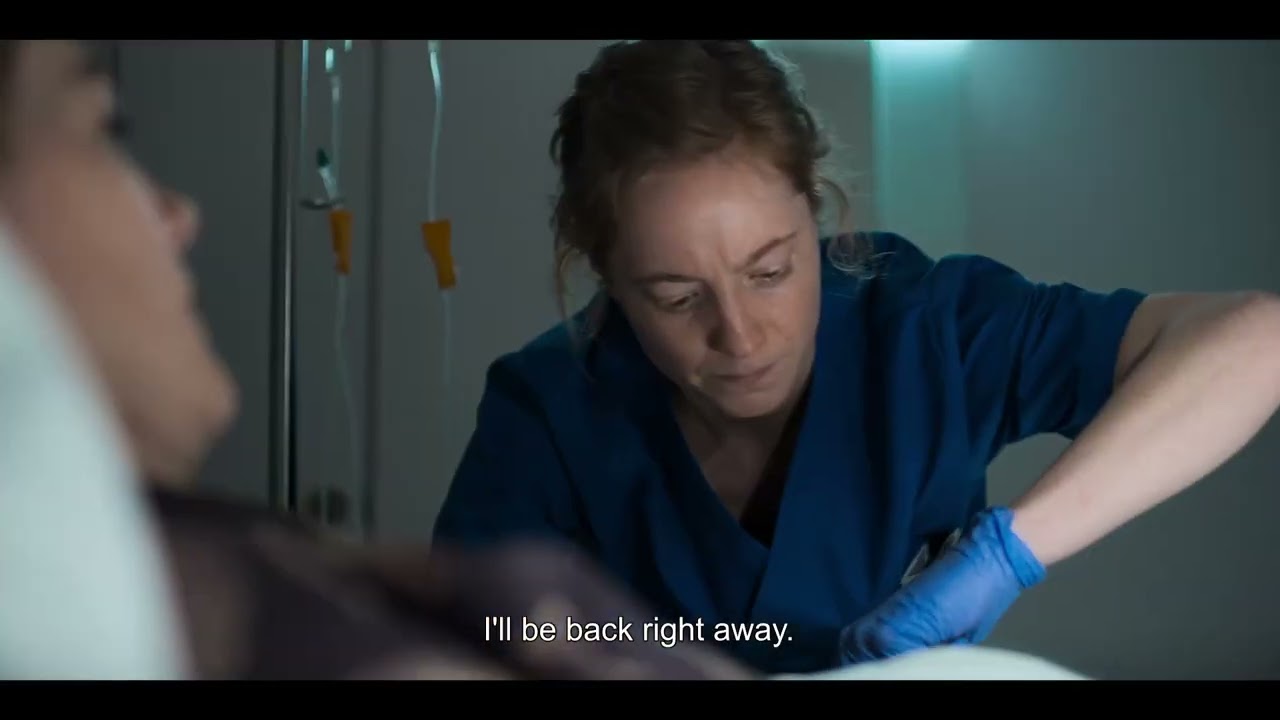
Late Shift follows Floria, a dedicated nurse working in an understaffed hospital, as she navigates an increasingly overwhelming shift. What begins as a routine workday quickly escalates into a high-pressure race against time, where every decision carries emotional and physical consequences.
As patient demands grow and resources shrink, Floria is pushed to her limits, balancing compassion with exhaustion in a system that offers little support. The tone blends urgency with realism, creating a constant sense of tension grounded in everyday reality.
The film builds its narrative through accumulation rather than escalation, showing how small, relentless pressures compound into emotional strain. It avoids melodrama, instead immersing the audience in the lived experience of frontline healthcare work.
Framed as both a character study and a systemic critique, Late Shift highlights the invisible labor behind caregiving, turning a single shift into a reflection of a global healthcare crisis.
Why It Is Trending: A high-intensity, socially relevant drama capturing frontline pressure and systemic healthcare breakdown
Late Shift is trending due to its timely focus on healthcare workers and the systemic pressures they face, particularly in the aftermath of global health crises.
It reflects growing global awareness around nurse shortages, burnout, and institutional strain, making the film both culturally relevant and emotionally impactful. Its immersive, near real-time structure enhances this connection by placing audiences directly inside the experience rather than observing it from a distance.
The film also benefits from strong critical reception and awards recognition, positioning it as a standout European drama with both artistic credibility and social impact.
Elements Driving the Trend: Real-time tension, realism, and strong central performance
The film’s real-time narrative structure creates continuous tension, making the audience experience the stress alongside the protagonist.
Its commitment to realism—both in performance and environment—adds authenticity, distinguishing it from more dramatized medical stories.
Leonie Benesch delivers a standout performance, anchoring the film with emotional depth and physical credibility.
Virality of Movie (Social Media Coverage): Strong engagement driven by relatability and professional communities
The film generates significant discussion among healthcare professionals and audiences familiar with similar environments.
Clips and reviews highlighting its realism contribute to its visibility, particularly in discussion-driven and socially aware communities.
Critics Reception: Strong critical acclaim from major publications highlighting realism and performance
With a Metascore of 69, the film receives strong critical support, particularly for its immersive realism and emotionally grounded storytelling approach.
Major publications such as The Hollywood Reporter and Variety praised its real-time intensity and its ability to translate systemic healthcare pressure into a gripping cinematic experience.
Critics from Screen Daily and IndieWire highlighted the performance of Leonie Benesch as a key strength, emphasizing her ability to carry the film through subtle physical and emotional expression.
Awards and Recognitions: Significant festival success reinforcing critical impact
The film achieved 9 wins and 8 nominations, including major recognition at Swiss Film Awards and international festivals.
It was also selected as Switzerland’s submission for the Academy Awards, reinforcing its global relevance and critical standing.
Director and Cast: Petra Volpe’s immersive direction elevated by a powerful lead performance
Petra Biondina Volpe crafts a tightly controlled narrative, using close observation and continuous motion to build tension.
Leonie Benesch leads with a deeply committed performance, capturing both the physical demands and emotional toll of the role.
The supporting cast enhances realism, representing a diverse range of patients and colleagues within the system.
The film trends because: Realism, urgency, and social relevance align
• Cultural + market relevance The film reflects global concerns around healthcare systems and worker burnout
• Industry opportunity Socially conscious, high-intensity dramas continue to gain critical attention
• Audience alignment Viewers seek authentic, immersive experiences rooted in real-world issues
The industry increasingly supports films that combine strong storytelling with urgent social themes.
Conclusion: A gripping and emotionally intense film that transforms everyday reality into high-stakes drama
Late Shift stands out as a powerful depiction of modern healthcare challenges, blending realism with narrative tension. Its strength lies in its immersive approach and emotional authenticity. While intense and at times exhausting, it delivers a deeply impactful viewing experience. Ultimately, the film reinforces the importance of socially relevant storytelling in contemporary cinema.
What Movie Trend Is Followed: Real-time, high-pressure realism in socially conscious workplace dramas
Late Shift follows a growing trend of real-time, immersive dramas that place audiences inside high-stakes professional environments, particularly within public service sectors like healthcare and education.
This trend moves beyond traditional workplace storytelling by focusing on systemic pressure, emotional burnout, and the accumulation of micro-crises rather than a single dramatic event. Similar to films like The Teachers’ Lounge, the narrative is driven by escalating tension within confined spaces and limited timeframes.
The film fits within a broader movement in European cinema that prioritizes realism, observational storytelling, and social critique over conventional plot-driven narratives.
Trend Drivers: Demand for realism, urgency, and human-centered professional stories
A key driver is the audience’s increasing appetite for authentic portrayals of essential workers and underrepresented professions.
There is also a strong shift toward narratives that unfold in real time, creating immediacy and emotional immersion.
Leonie Benesch’s performance reinforces this trend through physical realism and emotional restraint, enhancing credibility.
What Is Influencing Trend: Post-pandemic awareness and systemic scrutiny
The trend is heavily influenced by global awareness of healthcare systems following recent health crises.
Public discourse around burnout, staffing shortages, and institutional pressure has created demand for stories that reflect these realities.
Filmmakers are increasingly using intimate, contained narratives to explore large-scale systemic issues.
Macro Trends Influencing: Rise of socially conscious European cinema and real-time storytelling formats
There is a broader movement toward socially engaged cinema that addresses institutional challenges across sectors.
Real-time and single-location storytelling formats are gaining traction, offering cost-effective yet emotionally intense narratives.
This supports a shift toward films that feel immediate, immersive, and grounded in reality.
Consumer Trends Influencing: Preference for immersive, emotionally intense, and realistic content
Audiences are increasingly drawn to films that simulate real-life pressure and emotional intensity.
There is a shift away from escapism toward stories that reflect lived experiences and societal challenges.
This makes films like Late Shift highly relevant, even within niche audiences.
Audience Analysis: Socially aware viewers and cinephiles seeking realism and intensity
The core audience typically ranges from 25–55, including professionals, cinephiles, and viewers interested in socially relevant narratives.
These audiences value authenticity, emotional depth, and immersive storytelling over spectacle.
Behaviorally, they engage with content that reflects real-world challenges and systemic issues.
They are more likely to discover such films through festivals, critical reviews, and curated platforms rather than mainstream channels.
Conclusion: A growing and sustainable trend driven by realism, urgency, and social relevance
This trend works because it transforms everyday professions into high-stakes cinematic experiences. It is scalable through festival circuits and streaming platforms that prioritize socially conscious content. Its sustainability is strong, as audiences continue to seek authenticity and relevance. The industry will continue to support such films as they bridge personal storytelling with systemic critique.
Final Verdict: A tense and immersive real-time drama that transforms everyday labor into high-stakes emotional cinema
Late Shift stands as a powerful example of how realism and structure can elevate a seemingly ordinary setting into a gripping cinematic experience. By focusing on a single shift, the film creates sustained tension while exposing the invisible pressures of frontline healthcare work.
Director Petra Biondina Volpe adopts a tightly controlled, almost documentary-like approach, allowing the narrative to unfold organically through movement, interaction, and accumulation of stress. This method avoids traditional dramatic peaks, instead building intensity through realism and repetition.
Leonie Benesch delivers a standout performance, capturing both the physical exhaustion and emotional resilience required in such an environment. Her portrayal anchors the film, making every moment feel immediate and authentic.
The film’s long-term impact lies in its ability to turn systemic issues into personal experiences, reinforcing a growing shift toward socially engaged, immersive storytelling in global cinema.
Audience Relevance: A deeply engaging experience for viewers seeking realism and emotional intensity
The film resonates strongly with audiences interested in socially relevant narratives and immersive storytelling. Its real-time structure creates a sense of urgency that keeps viewers emotionally invested.
However, its relentless pace and lack of traditional resolution may feel overwhelming for audiences seeking lighter or more conventional narratives.
What Is the Message of Movie: Compassion and resilience persist even within broken systems
At its core, the film highlights the human capacity to care and endure despite systemic limitations.
It suggests that individual dedication often compensates for institutional shortcomings, though not without personal cost.
Relevance to Audience: Reflecting real-world pressures faced by essential workers
The story mirrors the experiences of healthcare professionals, making it particularly relevant in today’s socio-economic context.
It allows audiences to understand the emotional and physical demands placed on those within the system.
Social Relevance: A critique of healthcare systems and workforce burnout
The film sheds light on systemic issues such as understaffing, burnout, and resource limitations.
It encourages reflection on how societies value and support essential workers.
Performance: A career-defining performance supported by strong ensemble realism
Leonie Benesch anchors the film with a nuanced and physically demanding performance.
The supporting cast enhances the realism by portraying a wide range of patients and colleagues within the system.
Legacy: A defining entry in socially conscious, real-time European cinema
The film contributes to a growing body of work that prioritizes realism and social relevance.
It reinforces the effectiveness of real-time storytelling as a tool for emotional immersion.
Success: Driven by critical acclaim and festival recognition rather than commercial scale
The film achieved 9 wins and 8 nominations, reflecting strong critical and festival support.
Its success is defined by artistic impact and cultural relevance rather than box office performance.
Insights: Real-time, immersive storytelling is redefining how systemic issues are experienced in cinema
Insights: Films that simulate real-time experiences are increasingly used to convey pressure, urgency, and emotional realism. Industry Insight: The industry continues to support socially relevant narratives that combine strong performances with immersive structures. Consumer Insight: Audiences are increasingly drawn to films that feel immediate and authentic, even when emotionally intense. Social Insight: The film reflects ongoing concerns about healthcare systems and workforce sustainability. Cultural/Brand Insight: Late Shift reinforces a cultural shift toward storytelling that values realism, empathy, and lived experience over spectacle.
Conclusion: A gripping and emotionally resonant film that captures the urgency and humanity of frontline work
The film’s long-term relevance lies in its ability to translate systemic challenges into deeply personal experiences. It operates within a cinematic landscape that increasingly values authenticity and immersion. From a cultural standpoint, it highlights the importance of empathy and awareness around essential professions. The industry will continue to support such narratives as audiences seek meaningful and impactful storytelling.
Summary of the Movie: A gripping real-time portrait of resilience, pressure, and the human cost of care
• Movie themes: Healthcare crisis, burnout, resilience, empathy, systemic pressure, human connectionThe film explores the emotional and physical toll of frontline medical work, highlighting how compassion persists even within overstretched systems.
• Movie director: Immersive, tension-driven storytelling by Petra Biondina VolpeVolpe crafts a tightly structured, real-time narrative that prioritizes realism and emotional immediacy. Her direction transforms routine hospital work into a high-stakes cinematic experience.
• Top casting: A standout performance led by Leonie Benesch supported by a realistic ensembleBenesch delivers a deeply committed performance, capturing both the physical strain and emotional resilience of a nurse under pressure. The supporting cast enhances authenticity through grounded, naturalistic portrayals.
• Awards and recognition: Strong festival success with global critical acknowledgmentThe film achieved 9 wins and 8 nominations, including major recognition at Swiss Film Awards. It was also selected as Switzerland’s official submission for the Academy Awards, reinforcing its international impact.
• Why to watch movie: A high-intensity, immersive drama that reveals the unseen reality of healthcare workIt offers a unique viewing experience that combines emotional depth with real-time tension, making everyday labor feel urgent and cinematic.
• Key Success Factors: Positioned within socially conscious, real-time European cinema trendSimilar in impact to The Teachers’ Lounge, the film succeeds through authenticity, performance strength, and immersive storytelling structure.
• Where to watch: Festival circuit and international distribution platformsReleased in 2025, the film has gained visibility through festivals and limited theatrical distribution, expanding its reach through curated platforms.
Conclusion: A powerful and urgent film that transforms routine reality into a deeply emotional cinematic experience
Late Shift ultimately defines its impact through its relentless realism and emotional intensity, placing viewers inside a world rarely depicted with such honesty. It stands as a film that prioritizes lived experience over dramatization, offering a raw and immersive perspective. While challenging in its execution, it delivers a meaningful and lasting impression. Its strength lies in its performance, direction, and social relevance. Ultimately, the film reflects a broader shift toward cinema that amplifies real-world voices and systemic truths.





Leave a Reply