
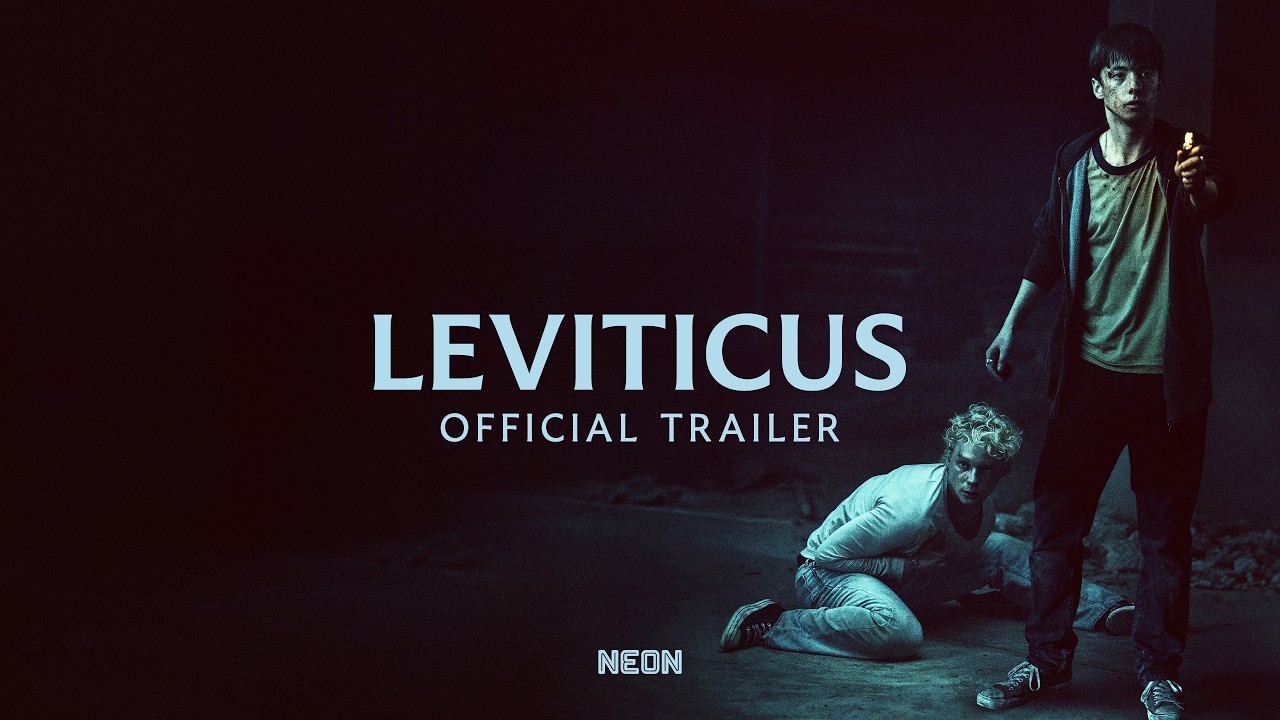
A Coming-of-Age Horror Story About Desire, Identity, and Religious Trauma
With Leviticus, Australian filmmaker Adrian Chiarella transforms a supernatural horror premise into a deeply emotional exploration of identity, repression, and first love. The film follows teenagers Ryan and Naim, whose growing attraction to one another awakens a terrifying entity capable of taking the form of the person they desire most. As the boys struggle to escape the monster pursuing them, they must also confront fear, shame, and the psychological scars created by growing up in an environment shaped by intolerance and religious extremism.
Rather than relying solely on jump scares or graphic violence, Leviticus uses horror as an emotional language. The supernatural threat becomes a powerful metaphor for internalized fear, forbidden desire, and the devastating consequences of conversion therapy and social rejection. Led by standout performances from Stacy Clausen and Joe Bird, the film combines psychological horror with an intimate coming-of-age romance, establishing itself as one of 2026’s most emotionally resonant independent horror films.
Quick Facts: A Psychological Horror Film That Uses Monsters to Explore Human Fear
|
Psychological Horror, Supernatural Horror, Drama, LGBTQ+ |
|
|
Identity, Desire, Religious Trauma, First Love, Conversion Therapy |
|
|
June 19, 2026 (United States) |
|
|
Tyallah Bullock, Stacy Clausen, Joe Bird, Mia Wasikowska, Ewen Leslie |
|
|
2 wins & 4 nominations, including Outstanding First Feature Award (Frameline San Francisco International LGBTQ Film Festival, 2026), Best Independent Film (Astra Midseason Movie Awards, 2026), Sydney Film Prize nomination (Sydney Film Festival, 2026), SXSW Audience Award nomination, and Chainsaw Award nominations for Best Wide-Release Film and Best Supporting Performance (Stacy Clausen). |
➡️ Key Takeaway: Leviticus blends supernatural horror with an emotionally grounded LGBTQ+ coming-of-age story, earning critical recognition for its fresh approach to psychological horror and its powerful exploration of identity and religious trauma.
Should You Watch It?: Horror That Prioritizes Emotion Over Shock
If you’re looking for a horror film driven purely by monsters and jump scares, Leviticus may surprise you. While it delivers moments of genuine suspense, its greatest strength lies in how it transforms supernatural horror into an examination of love, shame, identity, and survival. Adrian Chiarella uses genre conventions to tell an intensely personal story where the emotional wounds carried by the characters are every bit as frightening as the creature stalking them.
The film will especially resonate with audiences who appreciate elevated horror that blends psychological tension with meaningful social commentary. Like Talk to Me, The Babadook, and Get Out, Leviticus demonstrates how horror can become a vehicle for exploring real emotional trauma without sacrificing suspense or atmosphere.
➡️ Key Takeaway: Leviticus is one of 2026’s most emotionally intelligent horror films, proving that the genre remains one of cinema’s most powerful ways to explore fear, identity, and the struggle for self-acceptance.
Why Everyone Is Talking About It?: Horror Is Becoming One of Cinema’s Most Powerful Forms of Emotional Storytelling
Leviticus has attracted attention because it transforms supernatural horror into a deeply personal story about identity, desire, and survival. Instead of presenting evil as an external force alone, Adrian Chiarella uses the monster as a metaphor for internalized shame and the lasting psychological effects of intolerance. This approach allows the film to operate simultaneously as an effective horror experience and an emotionally resonant coming-of-age drama, giving audiences something far more layered than a conventional creature feature.
The film has also been praised across the festival circuit, winning the Outstanding First Feature Award at the Frameline San Francisco International LGBTQ Film Festival and Best Independent Film at the Astra Midseason Movie Awards, while earning nominations at SXSW, the Sydney Film Festival, and the Fangoria Chainsaw Awards. These honors reflect both its artistic ambition and its success in bringing LGBTQ+ storytelling into mainstream horror without compromising either its emotional authenticity or genre appeal.
Why audiences are talking about Leviticus:
-
It turns horror into a metaphor for identity. The terrifying entity mirrors the characters’ deepest desires and fears, making the monster a powerful symbol of repression, shame, and emotional conflict.
-
It explores religious trauma through supernatural storytelling. Drawing inspiration from real-world conversion therapy practices, the film uses horror to examine how intolerance and fear can haunt people long after childhood.
-
Its central relationship feels authentic. Much of the film’s emotional impact comes from the believable chemistry between Stacy Clausen and Joe Bird, whose performances ground the supernatural premise in genuine human emotion.
-
It continues Australia’s strong horror tradition. Following internationally acclaimed films such as The Babadook, Talk to Me, and Relic, Leviticus further demonstrates Australia’s growing reputation for emotionally sophisticated horror filmmaking.
-
It proves independent horror can tackle complex social issues. Rather than treating representation as secondary, the film places LGBTQ+ identity at the center of its narrative while remaining an effective psychological horror experience.
➡️ Why It Matters: Leviticus reflects a broader movement in horror where monsters increasingly represent emotional and psychological realities rather than simply physical threats. It demonstrates how genre cinema can address difficult social issues while remaining suspenseful, emotionally engaging, and commercially accessible.
Movie Trend: Queer Horror Is Redefining Psychological Storytelling
Leviticus represents the continuing rise of Queer Horror, a movement in which LGBTQ+ experiences are integrated into horror narratives not as subplots but as the emotional foundation of the story. Rather than relying on traditional coming-out narratives, these films explore identity, repression, belonging, and trauma through supernatural metaphors that amplify emotional experiences into visceral cinematic horror.
The film also reflects the broader evolution of Elevated Psychological Horror, where emotional truth becomes more frightening than physical violence. Contemporary horror increasingly examines grief, family dynamics, social anxiety, identity, and trauma through symbolic monsters and supernatural forces. In Leviticus, horror functions as both entertainment and emotional allegory, allowing audiences to experience deeply personal fears in an unforgettable cinematic form.
➡️ Key Takeaway: Leviticus demonstrates how modern horror continues evolving into one of cinema’s most emotionally expressive genres, using supernatural storytelling to explore identity, acceptance, and psychological survival.
Who Should Watch It?: The Emotion-Driven Horror Fan
Audience Profile: Viewers Who Want Horror with Meaning
Leviticus is ideal for audiences who appreciate horror films that balance suspense with emotional depth. Rather than relying on relentless violence or conventional scares, the film rewards viewers interested in character-driven storytelling, psychological tension, and symbolic horror that invites reflection long after the credits roll.
Core Audience: Fans of psychological horror, elevated horror, LGBTQ+ cinema, independent filmmaking, and coming-of-age dramas.
Secondary Audience: Viewers interested in stories about identity, religion, mental health, social acceptance, and emotionally driven genre cinema.
Lifestyle: Interested in independent cinema, festival films, psychological thrillers, horror communities, and socially conscious storytelling.
Viewing Habits: Regularly watches A24-style horror, international genre films, festival discoveries, and emotionally layered supernatural stories.
➡️ Key Takeaway: Leviticus is best suited for audiences who believe the most memorable horror films are those that leave an emotional impact long after the scares have faded.
What This Movie Means for the Industry: Horror Is Becoming a Platform for Authentic Human Stories
Leviticus reflects one of the most significant developments in contemporary horror filmmaking: the genre has become a powerful space for exploring deeply personal experiences through metaphor rather than exposition. Independent filmmakers are increasingly using supernatural narratives to address identity, grief, trauma, and mental health, allowing horror to resonate emotionally while still delivering suspense. Adrian Chiarella’s debut joins a growing wave of films proving that audiences are eager for horror stories with genuine emotional stakes instead of formulaic scares.
The film also highlights the continued importance of the festival circuit in launching original genre cinema. Recognition at SXSW, Frameline, the Sydney Film Festival, the Astra Midseason Movie Awards, and the Fangoria Chainsaw Awards demonstrates how independent horror can build momentum through critical acclaim before reaching wider audiences. This pathway allows emerging filmmakers to tackle socially relevant themes without sacrificing artistic ambition or genre appeal, reinforcing horror as one of independent cinema’s most innovative creative spaces.
➡️ Key Takeaway: Leviticus demonstrates that modern horror is increasingly driven by emotional authenticity, with independent filmmakers using the genre to tell deeply personal stories that connect with audiences on both psychological and social levels.
Creative Analysis: A Monster That Embodies Fear, Shame, and Desire
Storytelling: A Supernatural Horror Story Rooted in Emotional Truth
At its core, Leviticus follows Ryan and Naim, two teenage boys whose growing attraction to one another awakens a terrifying supernatural entity capable of assuming the form of the person they desire most. Their struggle quickly becomes more than a fight for survival, forcing them to confront emotional wounds shaped by repression, fear, and the expectations imposed by the world around them. By grounding its supernatural premise in deeply personal relationships, the film creates a story where emotional vulnerability becomes as important as physical danger.
Rather than treating horror simply as spectacle, Adrian Chiarella builds the narrative around psychological tension and symbolic storytelling. The monster functions on multiple levels—as a literal threat, a manifestation of internalized shame, and a representation of unresolved trauma. This layered approach gives the film emotional depth while maintaining the suspense expected from a supernatural horror feature, creating a narrative that is intimate, unsettling, and thought-provoking.
➡️ Key Takeaway: Leviticus succeeds because its supernatural horror grows naturally from its characters’ emotional journeys, making every frightening encounter feel psychologically meaningful.
Direction: Adrian Chiarella’s Confident and Emotionally Focused Debut
As both writer and director, Adrian Chiarella demonstrates remarkable confidence in balancing atmospheric horror with intimate character drama. Rather than overwhelming viewers with constant scares, he allows suspense to develop gradually through silence, performance, and emotional uncertainty. This measured pacing enables the film’s relationships to remain the narrative focus, ensuring that audiences become invested in Ryan and Naim before the horror fully escalates.
Chiarella also avoids reducing the film’s themes to simple allegory. While Leviticus clearly addresses identity, repression, and religious trauma, it remains committed to functioning as an effective horror film first. The result is a debut feature that feels emotionally sincere rather than overtly didactic, allowing its themes to emerge organically through character interactions, atmosphere, and carefully controlled tension.
➡️ Key Takeaway: Adrian Chiarella delivers an assured first feature that balances emotional storytelling with psychological horror, establishing himself as a compelling new voice in contemporary genre cinema.
Performances: Chemistry That Gives the Horror Emotional Weight
The emotional success of Leviticus rests largely on the performances of Stacy Clausen and Joe Bird, whose portrayal of Ryan and Naim provides the film with its emotional center. Their chemistry feels natural and deeply authentic, allowing viewers to believe in the growing connection between the two teenagers before supernatural terror disrupts their lives. Because the audience genuinely cares about their relationship, the horror sequences become significantly more affecting.
Supporting performances from Mia Wasikowska, Ewen Leslie, and Tyallah Bullock further strengthen the film by grounding its supernatural premise within a believable social environment. Rather than existing solely to support the horror, each character contributes to the broader themes of fear, authority, family, and belonging, enriching the emotional complexity of the story.
➡️ Key Takeaway: The believable chemistry between Stacy Clausen and Joe Bird transforms Leviticus from an effective horror film into a deeply moving coming-of-age drama, giving its supernatural story lasting emotional impact.
Visual Style & Cinematography: Atmospheric Horror Through Intimate Realism
One of Leviticus‘ most distinctive qualities is its ability to create an atmosphere of dread without relying on spectacle. Adrian Chiarella favors restrained visual storytelling, allowing quiet moments, natural landscapes, and subtle shifts in lighting to build tension long before the supernatural fully emerges. Instead of overwhelming viewers with constant visual effects, the film uses carefully composed imagery and lingering unease to make every encounter with the entity feel both emotionally and physically threatening.
Shot in Ballarat, Victoria, Australia, the film transforms familiar suburban streets, forests, and open landscapes into haunting spaces where safety gradually disappears. The cinematography mirrors the emotional journeys of Ryan and Naim, contrasting moments of tenderness and youthful innocence with increasingly oppressive imagery as fear consumes their world. This grounded visual approach makes the supernatural elements feel more believable, while reinforcing the film’s themes of isolation, repression, and emotional vulnerability.
➡️ Key Takeaway: Leviticus proves that atmosphere, naturalistic cinematography, and emotionally driven visual storytelling can create horror that is as psychologically haunting as it is visually memorable.
Themes & Messages: Love, Fear, and the Cost of Self-Rejection
While Leviticus delivers effective supernatural horror, its emotional impact comes from its exploration of identity, desire, and the psychological consequences of shame. The entity pursuing Ryan and Naim represents more than an external monster—it embodies the fear of accepting oneself in an environment where love is treated as something dangerous. By giving emotional trauma a physical form, the film transforms deeply personal struggles into suspenseful, emotionally resonant horror.
The story also examines the lasting effects of intolerance and religious oppression. Drawing inspiration from real-world accounts of conversion therapy practices, Adrian Chiarella presents horror as a metaphor for the damage caused by fear, repression, and social exclusion rather than by supernatural evil alone. The result is a film that speaks to universal experiences of acceptance and belonging while remaining a tense and engaging psychological thriller.
➡️ Key Takeaway: Leviticus argues that the deepest horrors often come from learned fear and self-denial, using supernatural storytelling to explore the emotional cost of intolerance with compassion and authenticity.
What Makes This Movie Different?: Where Psychological Horror and Queer Coming-of-Age Storytelling Converge
Unlike many supernatural horror films, Leviticus places a queer coming-of-age relationship at the center of both its emotional narrative and its mythology. Ryan and Naim’s relationship is not simply part of the story—it is the story. Every supernatural encounter grows directly from their emotional reality, allowing the horror to emerge organically from themes of desire, vulnerability, and self-acceptance rather than existing as a separate source of conflict.
The film also distinguishes itself by balancing symbolic storytelling with accessible genre filmmaking. It delivers suspense, memorable creature-driven horror, and emotionally compelling performances while avoiding simplistic messages or heavy-handed allegory. By combining authentic LGBTQ+ representation with psychological horror rooted in character, Leviticus stands as one of the most distinctive independent horror films of 2026.
➡️ Key Takeaway: Leviticus demonstrates that horror becomes most powerful when its monsters reflect genuine human experiences, creating a film that is frightening, emotionally moving, and thematically enduring.
If You Liked Leviticus: Three Recent Horror Films That Blend Emotion with Supernatural Terror
Bring Her Back (2025) by Danny Philippou & Michael Philippou
This Australian psychological horror explores grief, family, and possession through emotionally devastating supernatural storytelling. Like Leviticus, it places intimate human relationships at the center of its horror, allowing emotional pain to become as frightening as the paranormal forces haunting its characters.
Together (2025) by Michael Shanks
Blending body horror with an intimate relationship drama, Together examines love, dependency, and identity through disturbing supernatural transformations. Its combination of emotional vulnerability and inventive horror makes it a compelling companion piece to Leviticus.
Talk to Me (2023) by Danny Philippou & Michael Philippou
One of Australia’s defining modern horror films, Talk to Me uses possession as a metaphor for grief, loneliness, and emotional disconnection. Like Leviticus, it demonstrates how supernatural horror can become a powerful vehicle for exploring the emotional realities facing young people.
➡️ Key Takeaway: These films demonstrate how contemporary horror is evolving beyond traditional scares, using supernatural storytelling to examine identity, trauma, grief, and the complexities of human relationships.
Viewing Recommendation: One of 2026’s Most Emotionally Powerful Independent Horror Films
Best Suited For: Fans of Psychological Horror with Emotional Depth
Leviticus is highly recommended for viewers who appreciate horror films that prioritize atmosphere, symbolism, and character development over relentless gore. While the supernatural threat delivers genuine suspense, the film’s greatest strength lies in its exploration of identity, belonging, and the emotional scars left by fear and intolerance. If you enjoy horror that lingers long after the credits roll because of its ideas as much as its scares, Leviticus deserves a place on your watchlist.
Highly Recommended For: Audiences Who Enjoy Thoughtful Genre Cinema
Fans of Talk to Me, The Babadook, I Saw the TV Glow, We’re All Going to the World’s Fair, and Bones and All will likely connect with Leviticus. It will also appeal to viewers interested in LGBTQ+ storytelling, independent Australian cinema, festival discoveries, and psychological horror that uses supernatural elements to explore real emotional experiences.
You May Want to Skip It If: You Prefer Fast-Paced Conventional Horror
Leviticus is a slow-burning psychological horror film that focuses on atmosphere, symbolism, and emotional tension rather than constant action or graphic violence. Audiences expecting a traditional monster movie or nonstop jump scares may find its deliberate pacing and metaphorical storytelling more reflective than frightening.
➡️ Viewing Recommendation: Leviticus stands among the most compelling independent horror films of 2026, demonstrating how supernatural storytelling can become a powerful exploration of love, identity, and the courage required to confront fear in all its forms.
Final Verdict: A Haunting Debut That Redefines What Queer Horror Can Be
With Leviticus, Adrian Chiarella delivers an impressive feature debut that combines psychological horror, supernatural suspense, and deeply personal storytelling into one emotionally resonant experience. Rather than using horror simply to frighten audiences, the film transforms the genre into a meditation on identity, repression, and the universal desire to be accepted. Its strongest moments come not from its creature, but from the authentic emotional connection between Ryan and Naim, whose relationship gives every supernatural encounter greater meaning.
Supported by acclaimed festival recognition—including wins at the Frameline San Francisco International LGBTQ Film Festival and the Astra Midseason Movie Awards—Leviticus establishes itself as one of the standout independent horror films of the year. Its success demonstrates that audiences continue to embrace genre stories that combine suspense with emotional honesty and social relevance.
➡️ Final Verdict: Leviticus is far more than an effective supernatural horror film. It is a moving coming-of-age story, a thoughtful examination of religious trauma and self-acceptance, and one of 2026’s strongest examples of how modern horror can use monsters to illuminate the deepest truths about being human.






Leave a Reply