
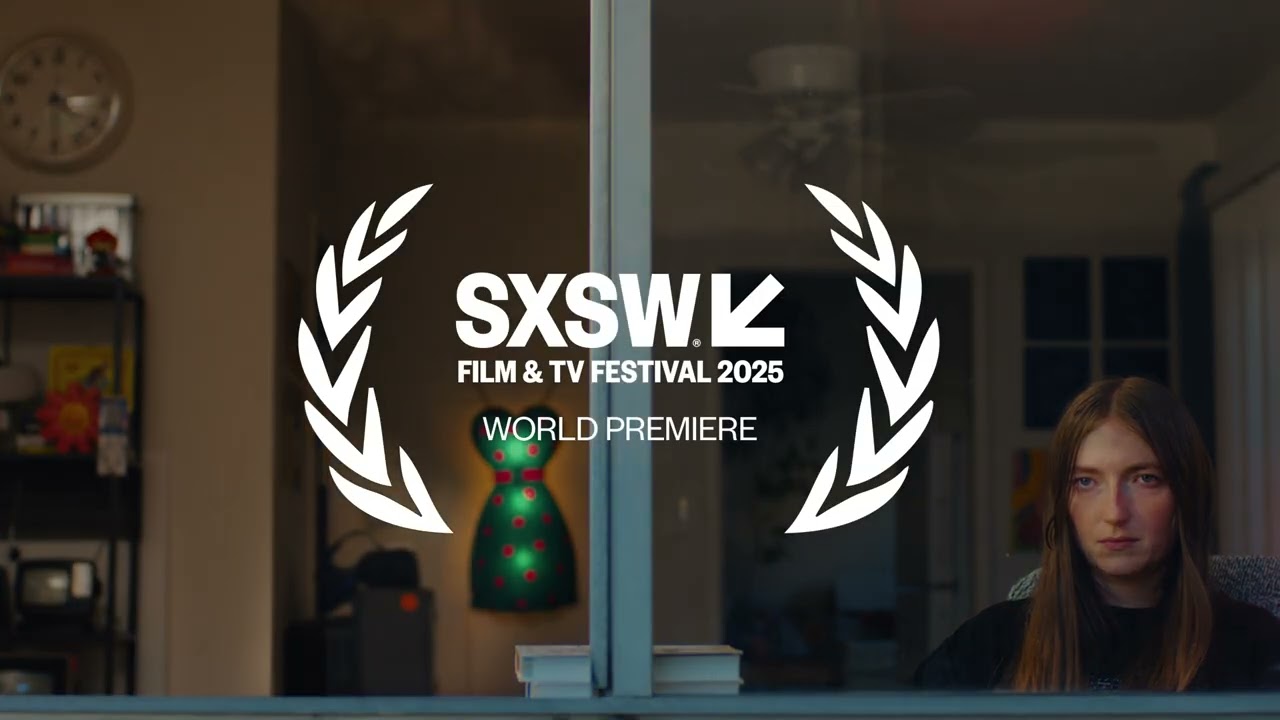
Max Distance (2025) by Marissa Goldman: A quiet, modern love story capturing digital isolation and emotional longing in the remote-work era
Loneliness meets love through screens and silence
• A programmer trapped in monotonous Zoom meetings begins fantasizing about a mysterious neighbor
• When reality finally offers a chance at connection, she must confront the gap between imagination and vulnerability
The film builds its emotional core around isolation shaped by digital life and remote work culture. What begins as passive daydreaming slowly evolves into an intimate exploration of courage and human connection. The tension lies in whether the protagonist can move beyond fantasy into real emotional risk. Symbolically, the “distance” represents both physical proximity and emotional separation. The narrative frames modern romance as something fragile, shaped by technology and hesitation.
Why It Is Trending: A timely reflection of post-pandemic loneliness and digital-era relationships
Max Distance is trending because it directly taps into the emotional residue of remote work and digital isolation. The film resonates strongly in a cultural moment where audiences are reflecting on how technology has reshaped intimacy and connection. Its short format makes it highly accessible across festivals and digital platforms, increasing discoverability. The narrative aligns with current conversations about loneliness, especially among young professionals. Its SXSW presence further amplifies visibility within creative and indie circles. The film positions itself as a relatable, emotionally grounded story for a generation navigating connection through screens.
Elements Driving the Trend: Relatable premise combined with minimalist storytelling and emotional authenticity
The core appeal lies in its simplicity—a familiar setup of remote work boredom evolving into romantic curiosity. The narrative hook is grounded in everyday experience, making it instantly relatable. Sydney Battle delivers a subtle performance that captures internal longing and hesitation. The short format enhances accessibility, allowing audiences to engage without time commitment. Its blend of comedy and drama adds tonal balance, preventing the story from becoming overly heavy. This combination of realism and emotional nuance drives audience connection.
Virality of Movie (Social Media Coverage): Relatable remote-work humor and romantic tension fueling shareability
The film gains traction through its highly relatable portrayal of Zoom fatigue and work-from-home monotony. Clips and discussions around digital loneliness and “neighbor crush” scenarios make it easily shareable across social platforms.
Critics Reception: Positive reception for its authenticity and restrained storytelling
Early critical responses highlight the film’s ability to capture modern emotional states with minimal dialogue. Festival coverage, including SXSW reactions, emphasizes its relatability and understated performances.
Awards and Recognitions: Festival nomination establishing indie credibility
The film received a Nomination for the SXSW Grand Jury Award (Narrative Short, SXSW Film Festival 2025). This positions it as a recognized indie short within a major festival platform.
Director and Cast: Emerging voice delivering intimate storytelling through subtle performances
Marissa Goldman adopts a minimalist approach, focusing on quiet moments and internal emotion rather than plot-driven action. Sydney Battle leads with a restrained performance that reflects modern emotional disconnect. Supporting actors, including Jon Daly, provide light tonal contrast through comedic elements. The performances rely heavily on nuance, silence, and micro-expressions. This creates an intimate, almost observational viewing experience. The overall tone is soft, reflective, and emotionally grounded.
The film trends because: Digital loneliness meets modern romance storytelling
• Remote work isolation creates immediate cultural relevance for global audiences
• The film aligns with the rise of short-form, emotionally driven storytelling
• It resonates with viewers navigating relationships in digitally mediated environments
The industry is increasingly embracing short films that reflect contemporary lifestyle realities.
Conclusion: A quietly powerful short film capturing the emotional complexity of connection in a digital world
Max Distance succeeds through its simplicity and emotional precision. It captures a universal experience of longing and hesitation shaped by modern life. Culturally, it reflects a generation redefining connection beyond physical proximity. From an industry perspective, it reinforces the growing importance of short-form storytelling in capturing timely narratives.
What Movie Trend Is Followed: The rise of digital-age intimacy stories exploring loneliness, connection, and modern romance
Max Distance follows the emerging trend of digital-era relationship storytelling, where romance is shaped by technology, proximity, and emotional hesitation. These stories focus on individuals navigating connection in environments defined by screens, isolation, and routine. The emotional framing is subtle and introspective, prioritizing internal conflict over dramatic plot developments. The short format makes the narrative highly accessible and aligned with contemporary viewing habits. This trend resonates because it reflects how real relationships now begin, evolve, and struggle in digitally mediated spaces.
Trend Drivers: Post-pandemic lifestyle shifts and emotional need for human connection
The trend exists largely due to the long-term impact of remote work and social distancing on human behavior. Audiences are drawn to stories that reflect their own experiences of isolation, routine, and digital fatigue. The industry has responded by investing in narratives that are intimate, character-focused, and emotionally grounded. There is also a growing demand for authenticity in storytelling, particularly around relationships. As a result, films that explore quiet, everyday emotional moments are gaining traction.
What Is Influencing Trend: Social isolation and evolving communication habits
Modern social structures increasingly rely on digital interaction rather than physical presence. A generational shift toward online communication has redefined how relationships form and develop. Emotionally, this creates tension between desire for connection and fear of vulnerability.
Macro Trends Influencing: Growth of short-form storytelling and lifestyle-driven narratives
The industry is moving toward short-form content that delivers impact within limited runtime. There is a broader cultural shift toward minimalism and realism in storytelling. Lifestyle changes, including remote work and flexible schedules, support consumption of shorter, emotionally focused content.
Consumer Trends Influencing: Preference for relatable, quick, and emotionally resonant content
Audiences increasingly favor content that mirrors their daily experiences and emotional states. Expectations have shifted toward concise storytelling with strong emotional payoff. Engagement is driven by relatability, shareability, and personal reflection rather than spectacle.
Audience Analysis: Young, urban, digitally connected viewers seeking relatable emotional narratives
The primary audience falls within the 20–40 age group, particularly professionals familiar with remote work culture. Their lifestyle is digitally integrated, often balancing work-from-home routines with social isolation. Behavior includes frequent consumption of short-form and streaming content. Viewing habits lean toward quick, meaningful experiences rather than long commitments. They prefer stories that reflect modern relationships, emotional vulnerability, and everyday realism.
Conclusion: A highly scalable and culturally relevant trend rooted in modern lifestyle realities
This trend works because it directly reflects contemporary emotional and social dynamics. It is highly scalable across platforms, especially streaming and short-form video ecosystems. Its sustainability lies in its adaptability to evolving digital lifestyles. The industry is increasingly investing in such narratives as they align with audience behavior and consumption patterns.
Final Verdict: A subtle yet resonant exploration of modern loneliness and the fragile courage required for connection
Max Distance positions itself as a quietly impactful short that reflects the emotional realities of digital-age living. It signals a shift toward storytelling that prioritizes internal experience over external drama. The film speaks directly to identity in an era shaped by isolation, routine, and mediated interaction. Its relevance lies in how authentically it captures hesitation, longing, and the small risks required for intimacy. Long-term, it contributes to the growing importance of short-form, emotionally precise narratives in contemporary cinema.
Audience Relevance: Emotional connection across digitally immersed viewers
The film resonates strongly with audiences who have experienced the monotony and isolation of remote work culture. Its portrayal of quiet longing feels deeply personal, especially for viewers navigating similar emotional landscapes.
At the same time, it appeals to a broader audience seeking understated, character-driven stories. The universality of wanting connection ensures its emotional accessibility beyond a niche demographic.
What Is the Message of Movie: Vulnerability as the bridge between isolation and connection
The film suggests that emotional distance is often self-created, reinforced by fear and routine. True connection requires stepping beyond comfort and confronting vulnerability.
It emphasizes that proximity alone does not guarantee intimacy—emotional openness is essential. The narrative ultimately frames courage in small, human moments rather than grand gestures.
Relevance to Audience: Why it resonates in today’s digital-first world
Audiences today are increasingly aware of how technology shapes their relationships and emotional lives. The film mirrors this awareness, offering a reflection rather than an escape.
It resonates because it validates feelings of disconnection while gently encouraging action. This balance between recognition and hope makes it particularly compelling.
Social Relevance: Reflection of a generation navigating isolation and connection
The film captures a broader societal condition where individuals are physically close yet emotionally distant. It highlights how digital environments can both enable and hinder meaningful interaction.
By focusing on everyday experience, it subtly critiques modern lifestyle structures without overt commentary. This makes its social reflection feel organic and relatable.
Performance: Strong festival positioning despite limited scale
With an IMDb rating of approximately 7.3, the film demonstrates positive early audience reception for a short-format project. Its SXSW nomination adds credibility within the indie and festival circuit.
While it does not rely on box office metrics due to its short format, its performance is defined by critical appreciation and festival visibility. The reception leans toward thoughtful engagement rather than mass appeal.
Legacy: A representative piece of post-pandemic storytelling evolution
The film contributes to a growing archive of stories shaped by the emotional aftermath of remote work and social isolation. It reflects a shift toward quieter, more introspective cinematic language.
Over time, it may be viewed as part of a larger movement redefining how intimacy and loneliness are portrayed on screen. Its impact lies in its authenticity rather than scale.
Success: Measured through cultural resonance and festival recognition
Success for Max Distance is not defined by commercial reach but by its ability to connect with audiences on a personal level. Its SXSW Grand Jury nomination establishes it as a noteworthy indie short.
Critically, it succeeds in delivering a cohesive emotional experience within a limited runtime. Its recognition comes from its precision and relatability rather than spectacle.
Insights: The film highlights how modern storytelling is shifting toward intimate, experience-driven narratives rooted in everyday life.Industry Insight: Short-form films are becoming increasingly valuable as testing grounds for emerging trends and new voices, particularly those reflecting contemporary lifestyles. The success of such projects indicates a growing openness within the industry to smaller, more focused narratives. This also suggests a shift toward platforms that prioritize accessibility and quick engagement.Audience Insight: Viewers are seeking stories that mirror their lived experiences, particularly around isolation and digital interaction. They respond strongly to authenticity and emotional nuance over high-concept storytelling. This reflects a broader desire for content that feels personal and reflective.Social Insight: The film underscores the tension between technological connectivity and emotional disconnection in modern society. It highlights how routine and digital environments can reinforce isolation. At the same time, it suggests that meaningful connection remains possible through small acts of vulnerability.Cultural Insight: Culturally, the film aligns with a movement toward introspection and emotional realism in storytelling. It reflects a generation redefining intimacy in a digitally mediated world. This positions it within a broader shift toward narratives that prioritize internal experience over external spectacle.
Conclusion: A meaningful short film signaling the future direction of emotionally grounded storytelling
Max Distance demonstrates how powerful storytelling can emerge from simplicity and relatability. Its long-term relevance lies in its ability to capture a specific cultural moment with clarity and empathy. From a system perspective, it reinforces the importance of short-form narratives in shaping industry trends. The film ultimately points toward a future where emotional authenticity becomes a central pillar of cinematic storytelling.
Summary of the Movie: A modern love story shaped by screens, silence, and the courage to connect
• Movie themes: Digital loneliness and emotional vulnerability — The film explores how isolation in a hyper-connected world reshapes human relationships and the courage needed to break through it
• Movie director: Marissa Goldman — Goldman adopts a minimalist, observational style that prioritizes internal emotion over external action. Her approach reflects a new wave of short-form storytelling focused on realism and subtle human experiences
• Top casting: Sydney Battle leads with a restrained, introspective performance that captures modern emotional disconnect, supported by understated performances from the ensemble
• Awards and recognition: 1 nomination — SXSW Grand Jury Award (Narrative Short), SXSW Film Festival 2025, positioning the film within a globally recognized indie showcase
• Why to watch movie: A highly relatable, emotionally grounded story that reflects modern life, remote work culture, and the quiet courage required for real human connection
• Key Success Factors: Combines short-form accessibility with culturally relevant storytelling, similar to contemporary introspective indie shorts that prioritize emotional realism over plot complexity
• Where to watch: Released March 8, 2025 (United States); festival circuit exposure including SXSW, with potential for digital/short-form platform availability
Conclusion: A concise yet impactful reflection of modern connection in a digitally fragmented world
Max Distance is defined by its simplicity, relatability, and emotional precision. It captures a specific moment in time where technology both connects and isolates individuals. The film offers a quiet but meaningful takeaway about the importance of vulnerability in forming real relationships. Its short runtime enhances its accessibility while maintaining depth. Ultimately, it leaves the audience with a lasting reflection on how small actions can bridge even the widest emotional distances.





Leave a Reply