
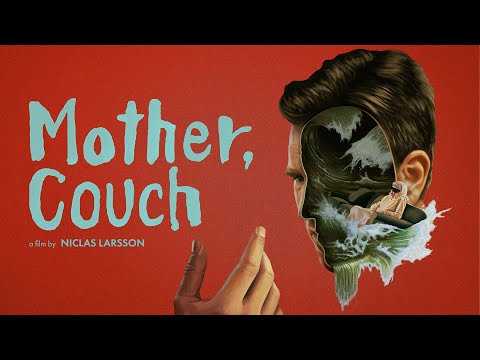
A Surreal Family Dramedy About Grief, Resentment, and Emotional Inheritance
Three siblings are forced to confront their fractured family history when their mother refuses to leave a furniture store couch.
Mother Couch transforms a simple premise into an absurdist exploration of family dysfunction, unresolved trauma, and emotional dependency. When an elderly mother mysteriously refuses to stand up from a couch in a furniture store, her adult children are drawn into a bizarre emotional standoff that gradually exposes years of resentment and buried pain. Adapted from the Swedish novel Mamma i soffa by Jerker Virdborg, the film blends dark comedy, surrealism, and psychological drama. Beneath its unusual setup lies a story about the lingering influence of parents on their children and the difficulty of escaping emotional patterns inherited from family. The result is an unconventional character study that challenges audiences to interpret its symbolism and emotional meaning.
➡️ Implication: The film reflects growing audience and filmmaker interest in surreal narratives that use absurd situations to explore deeply human emotional struggles.
Why It Is Trending: Surreal Family Dramas Are Finding New Audiences Through Prestige Casting and Art-House Curiosity
Mother Couch attracted attention because it combines an unconventional premise with an acclaimed ensemble cast led by Ewan McGregor, Ellen Burstyn, Rhys Ifans, and Taylor Russell. The film arrived during a period when audiences have shown increased interest in surreal and allegorical storytelling following the success of several boundary-pushing independent films. Its unusual concept immediately sparks curiosity, encouraging viewers to seek meaning beneath the surface narrative. Festival recognition for first-time feature director Niclas Larsson also elevated industry awareness. The combination of recognizable talent and art-house ambition helped distinguish the film from more conventional family dramas.
➡️ Implication: Distinctive concepts paired with respected actors remain one of the most effective ways for independent films to generate attention.
Elements Driving the Trend: Surrealism, Family Dysfunction, and Prestige Independent Cinema
Several factors contribute to the film’s visibility and appeal.
• An unusual high-concept premise that immediately creates audience curiosity.
• A respected ensemble cast anchored by Ewan McGregor and Ellen Burstyn.
• Growing interest in surrealist and allegorical storytelling within independent cinema.
• Themes of family trauma, grief, resentment, and emotional inheritance.
• Festival recognition for emerging filmmaker Niclas Larsson, including the Dragon Award for Best Nordic Film at the Göteborg Film Festival.
Together, these elements position Mother Couch as a conversation-driven film designed to provoke interpretation rather than provide straightforward answers.
➡️ Implication: Films that invite audience interpretation often generate stronger post-viewing discussion than traditional narratives.
Virality of Movie: Mystery and Interpretation Fueling Audience Debate
The film’s biggest source of discussion comes from its ambiguity. Audiences frequently debate whether the story should be viewed literally, symbolically, or as a meditation on grief and family trauma. Online conversations often focus on the meaning of the couch, the emotional dynamics between the siblings, and the film’s surreal conclusion. This interpretive openness has created sharply divided reactions, with some viewers praising its originality while others criticize its lack of clarity. Such polarization has become part of the film’s identity and visibility.
➡️ Implication: Polarizing films often achieve greater cultural visibility because disagreement itself fuels engagement.
Critics Reception: Strong Performances Anchoring a Divisive Artistic Vision
Critical reception was mixed, reflected in the film’s mid-range critical scores and divided audience reactions. Many reviewers praised Ewan McGregor’s committed performance as the anxious and emotionally burdened David, while Ellen Burstyn’s commanding presence provided the story’s gravitational center. Critics generally recognized Niclas Larsson’s ambition and willingness to embrace surrealism, though some felt the symbolism overwhelmed the emotional narrative. Others appreciated the film’s dreamlike atmosphere and unconventional approach to family drama. The overall critical consensus viewed the film as a bold but uneven debut that prioritizes mood, metaphor, and interpretation over narrative accessibility.
➡️ Implication: Ambitious artistic vision can earn critical respect even when audiences remain divided on execution.
Awards and Recognitions: Festival Recognition Establishing an Emerging Directorial Voice
The film’s most significant recognition came when director Niclas Larsson won the Dragon Award for Best Nordic Film at the Göteborg Film Festival. As one of the Nordic region’s most respected film festivals, the award highlighted Larsson’s distinctive filmmaking approach and helped position him as an emerging talent in international cinema. The recognition was particularly notable because Mother Couch marked his feature directorial debut. The award validated the film’s artistic ambition and willingness to take creative risks within the family-drama genre.
➡️ Implication: Festival recognition often serves as an important signal of artistic credibility for emerging filmmakers.
Director and Cast: Niclas Larsson’s Surreal Vision Elevated by a Remarkable Ensemble
Niclas Larsson brings a dreamlike and allegorical sensibility to the film, creating a world that feels both familiar and unsettling. Ewan McGregor delivers one of the film’s most emotionally grounded performances, serving as the audience’s entry point into its increasingly strange reality. Ellen Burstyn dominates the narrative through a largely immobile yet psychologically powerful performance as the enigmatic mother. Supporting work from Rhys Ifans, Taylor Russell, Lake Bell, and F. Murray Abraham adds depth and unpredictability to the story. Together, the cast helps transform an abstract concept into an emotionally engaging experience.
➡️ Implication: Strong performances are often essential in helping audiences connect with highly symbolic and unconventional storytelling.
Conclusion: An Unconventional Family Drama That Prioritizes Meaning Over Answers
Mother Couch is less interested in providing narrative clarity than in exploring emotional truths through surreal imagery and absurd situations. Its unusual premise becomes a vehicle for examining family wounds, unresolved grief, and the psychological influence parents exert over their children. While the film’s ambiguity will not appeal to every viewer, its willingness to challenge conventional storytelling gives it a distinctive identity. Festival recognition and a powerful ensemble cast further strengthen its artistic credibility. Ultimately, Mother Couch stands as a bold debut that invites interpretation long after the credits roll.
➡️ Implication: The film demonstrates how surreal storytelling can transform intimate family conflict into a broader exploration of memory, grief, and emotional inheritance.
What Movie Trend Is Followed: Surreal Family Dramas Using Absurdity to Explore Emotional Trauma
Mother Couch follows a growing trend of surreal family dramas that use symbolic and often bizarre situations to examine grief, resentment, memory, and emotional inheritance. Rather than presenting conflict through traditional storytelling, these films create heightened realities where psychological truths become more important than literal events. Similar to works such as Beau Is Afraid and Kinds of Kindness, the film embraces ambiguity and metaphor to challenge audience interpretation. The furniture store becomes less a physical location and more a representation of emotional stagnation and unresolved family history. This approach places Mother Couch within a contemporary movement of art-house cinema that prioritizes emotional symbolism over narrative clarity.
➡️ Implication: Modern independent cinema increasingly uses surrealism as a tool for exploring complex emotional and psychological themes.
Trend Drivers: Symbolic Storytelling, Family Trauma, and Art-House Experimentation
The rise of surreal family dramas is driven by audiences seeking more unconventional emotional experiences. Filmmakers increasingly use metaphorical narratives to examine subjects such as grief, aging, mental health, and dysfunctional relationships. These stories often allow viewers to project personal meaning onto abstract situations, creating deeper engagement. Independent cinema has become a natural home for this style because it encourages creative risk-taking and artistic experimentation. Mother Couch embraces these qualities through its intentionally strange and open-ended narrative.
➡️ Implication: Audiences interested in interpretation and symbolism continue to support films that challenge traditional storytelling structures.
What Is Influencing Trend: Audiences Seeking Meaning Beyond Conventional Narratives
Many contemporary viewers are becoming more receptive to films that require active interpretation. Streaming platforms, international cinema exposure, and growing awareness of art-house filmmaking have expanded audience comfort with unconventional narratives. Rather than demanding clear explanations, some viewers enjoy films that encourage discussion and multiple readings. This shift has allowed surreal dramas to reach broader audiences than in previous decades. Mother Couch reflects this growing appetite for stories that prioritize emotional and symbolic meaning.
➡️ Implication: The demand for thought-provoking cinema is creating space for increasingly experimental forms of storytelling.
Macro Trends Influencing: Anxiety, Family Dynamics, and Emotional Self-Examination
Across culture, conversations about family relationships, emotional wellbeing, generational trauma, and personal identity have become increasingly visible. Films exploring these themes often resonate because they reflect challenges many people face in their own lives. Surreal storytelling offers filmmakers a unique way to visualize emotional states that are difficult to express realistically. The mysterious behavior of the mother functions as a metaphor for unresolved emotional burdens carried across generations. Mother Couch aligns closely with these broader cultural discussions.
➡️ Implication: Stories that explore emotional complexity through metaphor increasingly mirror contemporary cultural concerns.
Consumer Trends Influencing: Audiences Valuing Interpretation and Discussion
Many viewers now seek films that continue beyond the viewing experience through conversation and analysis. Rather than consuming stories passively, audiences increasingly enjoy debating themes, symbolism, and hidden meanings. Social media, podcasts, and film discussion communities have amplified this behavior. Films like Mother Couch benefit because ambiguity encourages multiple interpretations rather than definitive answers. This participatory viewing experience has become a meaningful consumer trend within independent cinema.
➡️ Implication: Audience engagement increasingly extends beyond watching a film to discussing and interpreting it afterward.
Audience Analysis: Art-House Explorers Seeking Emotional and Intellectual Engagement
The film primarily appeals to adults interested in independent cinema, psychological storytelling, and symbolic narratives. Demographically, the audience skews toward viewers who actively follow festival films, auteur filmmakers, and unconventional dramas. Psychographically, they value interpretation, artistic experimentation, and emotionally layered storytelling. Their motivation is often intellectual curiosity combined with a desire for deeper emotional exploration. They tend to embrace films that provoke questions rather than provide easy answers.
➡️ Implication: The strongest audience for Mother Couch consists of viewers who view cinema as both emotional experience and artistic exploration.
Conclusion: A Contemporary Example of Symbolic Storytelling in Independent Cinema
Mother Couch fits comfortably within the modern resurgence of surreal and metaphor-driven filmmaking. Its unusual premise becomes a framework for examining family relationships, grief, and emotional inheritance from an unconventional perspective. The film reflects broader industry trends toward artistic experimentation and audience participation through interpretation. While its approach may divide viewers, it aligns with a growing demand for cinema that challenges expectations. As a result, the film stands as a representative example of how contemporary art-house storytelling continues to evolve.
➡️ Implication: Films that combine emotional themes with symbolic storytelling are becoming an increasingly important part of the independent film landscape.
Final Verdict: A Bold Surreal Experiment That Prioritizes Symbolism Over Accessibility
Mother Couch is a film that embraces ambiguity, metaphor, and emotional abstraction rather than conventional storytelling. Its unusual premise serves as a gateway into themes of family dysfunction, emotional inheritance, grief, and unresolved resentment. While the film’s surreal structure may alienate some viewers, it also gives the story a distinctive artistic identity. Niclas Larsson demonstrates confidence in allowing symbolism and atmosphere to drive the narrative. The result is an unconventional debut that rewards viewers willing to engage with its emotional and psychological layers.
➡️ Implication: Artistic risk-taking often creates stronger long-term discussion than universally accessible storytelling.
Audience Relevance: Speaking to Viewers Navigating Family Complexity
The film resonates most strongly with audiences who have experienced difficult family relationships, unresolved emotional tensions, or the lasting influence of parental expectations. Its themes transcend the surreal setup because they reflect universal emotional realities. Many viewers will recognize elements of themselves within the siblings’ attempts to understand and respond to their mother. The story explores how childhood experiences continue shaping adult identities. This emotional familiarity grounds the film despite its abstract presentation.
➡️ Implication: Universal family dynamics help audiences connect with even the most unconventional narratives.
What Is the Message of Movie: Emotional Baggage Cannot Be Ignored Forever
At its core, Mother Couch suggests that unresolved emotional wounds remain present until they are confronted. The mother’s refusal to leave the couch functions as a symbolic representation of grief, resentment, and emotional paralysis. Her children are forced into a confrontation with their past, exposing patterns they have carried into adulthood. The film argues that avoidance often prolongs suffering rather than resolving it. Growth becomes possible only through acknowledgment and reflection.
➡️ Implication: Emotional healing often requires confronting uncomfortable truths rather than avoiding them.
Relevance to Audience: Reflecting the Emotional Weight of Family History
Many people spend years trying to understand the impact their families have had on their lives. Mother Couch transforms this common experience into an allegorical narrative that encourages reflection. The story highlights how family relationships can remain influential long after childhood ends. Its themes of responsibility, memory, and emotional inheritance remain relevant across generations. The film’s symbolic approach allows viewers to interpret these ideas through their own experiences.
➡️ Implication: Films centered on family relationships remain powerful because they tap into shared emotional realities.
Social Relevance: Examining Generational Patterns and Emotional Inheritance
The film contributes to broader conversations about generational trauma, family expectations, and emotional wellbeing. Contemporary culture increasingly acknowledges how family dynamics shape mental and emotional health. Mother Couch explores these ideas through metaphor rather than direct social commentary. The story raises questions about obligation, caregiving, and the emotional burdens passed between generations. These issues continue to resonate in modern society.
➡️ Implication: Stories exploring emotional inheritance remain culturally relevant because they reflect ongoing social conversations.
Performance: A Strong Ensemble Bringing Emotional Weight to Surreal Material
Ewan McGregor delivers a committed and emotionally grounded performance that anchors the film’s increasingly surreal narrative. Ellen Burstyn creates a commanding presence through subtle gestures and psychological intensity despite her character’s physical stillness. Rhys Ifans and Lara Flynn Boyle contribute layers of dysfunction, frustration, and dark humor to the family dynamic. Supporting performances from Taylor Russell and F. Murray Abraham add further intrigue and unpredictability. Together, the ensemble helps transform abstract symbolism into something emotionally tangible.
➡️ Implication: Strong performances are often essential for helping audiences engage with highly symbolic narratives.
Legacy: A Distinctive Debut Positioned Within Contemporary Art-House Cinema
As Niclas Larsson’s feature-film debut, Mother Couch establishes him as a filmmaker willing to embrace unconventional storytelling and creative risk. The film may not achieve broad mainstream popularity, but it possesses qualities that could attract long-term appreciation within art-house circles. Its surreal structure and thematic ambition distinguish it from more traditional family dramas. The Dragon Award for Best Nordic Film further strengthens its place within contemporary independent cinema. Over time, the film’s uniqueness may become one of its most valuable qualities.
➡️ Implication: Distinctive artistic identity often contributes more to a film’s legacy than commercial performance.
Success: Artistic Ambition Generating Conversation and Festival Recognition
The film’s success is rooted primarily in artistic ambition, festival recognition, and critical discussion rather than commercial achievement. Winning the Dragon Award for Best Nordic Film at the Göteborg Film Festival provided meaningful validation for Larsson’s creative vision. The film also succeeded in attracting an acclaimed ensemble cast willing to participate in a highly unconventional project. While audience reactions have been divided, the movie has generated substantial conversation regarding its symbolism and meaning. In the art-house landscape, provoking discussion is often a significant measure of success.
➡️ Implication: For independent cinema, cultural conversation and artistic recognition can be as important as financial results.
Insights: Mother Couch uses surrealism to transform a family conflict into a broader exploration of grief, memory, and emotional inheritance. Industry Insight: Independent filmmakers continue finding opportunities through distinctive concepts and bold artistic experimentation. Consumer Insight: Many viewers increasingly seek films that encourage interpretation and personal reflection rather than passive consumption. Social Insight: Family relationships remain one of the most enduring and emotionally resonant subjects in contemporary storytelling. Cultural/Brand Insight: Festival recognition and creative originality help establish emerging filmmakers within the international cinema landscape. Final Insight: The film’s greatest achievement is using an absurd premise to explore deeply recognizable emotional truths.
Conclusion: A Surreal Family Drama That Lingers Beyond Its Narrative
Mother Couch is a film that asks audiences to engage emotionally and intellectually rather than simply follow a plot. Its unusual premise becomes a vehicle for examining grief, family dysfunction, emotional inheritance, and personal identity. Although its ambiguity will divide viewers, the film remains committed to its artistic vision from beginning to end. Strong performances and festival recognition help elevate its symbolic storytelling. Ultimately, it stands as a memorable debut that demonstrates the power of surrealism to reveal uncomfortable but universal human truths.
➡️ Implication: The film shows how unconventional storytelling can create lasting emotional and intellectual engagement when grounded in relatable human experiences.
Summary of the Movie: A Surreal Exploration of Family Trauma Through Absurdist Storytelling
• Movie Themes: Family dysfunction, grief, emotional inheritance, resentment, memory, aging, and personal identity form the foundation of the film. Through a highly symbolic narrative, the story examines how unresolved family wounds continue shaping adult lives.
➡️ Implication: The film uses surrealism to explore emotional truths that many viewers recognize from their own family experiences.
• Movie Director: Niclas Larsson makes an ambitious feature-film debut, blending dark comedy, psychological drama, and symbolic storytelling. His direction prioritizes atmosphere, metaphor, and emotional interpretation over traditional narrative structure.
➡️ Implication: Larsson establishes himself as a filmmaker willing to take creative risks in pursuit of a distinctive artistic voice.
• Top Casting: Ewan McGregor leads the film as David alongside Ellen Burstyn as the mysterious Mother. Supporting performances from Rhys Ifans, Taylor Russell, Lake Bell, and F. Murray Abraham strengthen the film’s emotional and surreal dimensions.
➡️ Implication: The acclaimed ensemble provides credibility and emotional grounding to an intentionally unconventional story.
• Awards and Recognition: The film’s most significant recognition came when it won the Dragon Award for Best Nordic Film at the Göteborg Film Festival. The award highlighted Niclas Larsson’s feature-film debut and recognized the film’s originality within contemporary Nordic cinema.
➡️ Implication: Major festival recognition reinforces the film’s artistic credibility and elevates Larsson’s profile as an emerging filmmaker.
• Why to Watch Movie: Viewers interested in surreal dramas, psychological storytelling, family studies, and art-house cinema will find much to engage with. The film rewards audiences willing to embrace symbolism, ambiguity, and emotional interpretation rather than straightforward narrative explanations.
➡️ Implication: The movie is best suited for viewers who enjoy films that encourage reflection and discussion.
• Key Success Factors: A unique high-concept premise, strong performances, festival recognition, literary source material, and a commitment to artistic experimentation distinguish the film from conventional family dramas. Its ability to generate interpretation and debate is one of its defining strengths.
➡️ Implication: Distinctive concepts and creative confidence often help independent films stand out in a crowded marketplace.
• Where to Watch: The film received a theatrical release beginning in July 2024 and is available through various digital and premium video-on-demand platforms depending on region.
➡️ Implication: Digital availability helps niche independent films reach audiences beyond traditional theatrical distribution.
Conclusion: An Ambitious Debut That Uses Absurdity to Reveal Emotional Truths
Mother Couch transforms a bizarre premise into a meditation on family, grief, memory, and emotional inheritance. Niclas Larsson’s debut demonstrates a willingness to challenge audiences through symbolism and ambiguity rather than conventional storytelling. While the film’s surreal style may divide viewers, its artistic confidence and thematic ambition give it a distinctive identity. Supported by a remarkable ensemble cast and validated by significant festival recognition, the film stands out within contemporary independent cinema. Its lasting value lies not in providing answers but in encouraging audiences to confront the emotional questions hidden beneath its strange surface. Ultimately, Mother Couch is a film that invites interpretation, discussion, and reflection long after the viewing experience ends.
➡️ Implication: The film’s greatest achievement is proving that surreal storytelling can illuminate universal emotional experiences in ways traditional narratives often cannot.






Leave a Reply