
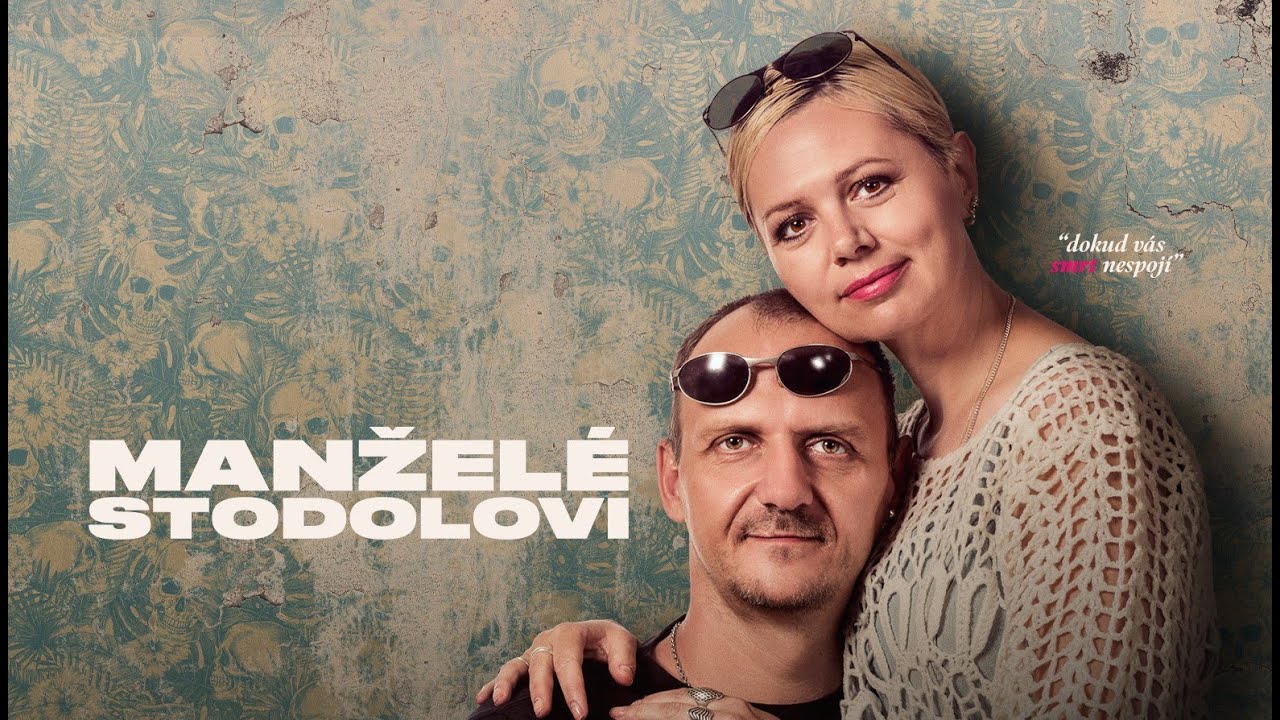
A Chilling True-Crime Descent Into Ordinary Evil, Where Domestic Life Masks Brutality and Moral Collapse
Mr. and Mrs. Stodola (Manželé Stodolovi, 2023) presents a disturbing, slow-burning true-crime drama rooted in real events. Directed by Petr Hátle, the film explores the psychology of a married couple responsible for a series of murders in the early 2000s. Rather than focusing on sensational violence, it adopts a restrained, observational approach that emphasizes the banality of evil. At the center are Jaroslav and Dana, portrayed by Jan Hájek and Lucie Zácková, whose seemingly ordinary relationship conceals deeply unsettling behavior. As the narrative unfolds, the film avoids dramatic exaggeration, instead presenting events with clinical detachment. It ultimately positions itself as a psychological crime study where horror emerges from realism rather than spectacle.
Why It Is Trending: The Rise of Minimalist True-Crime Cinema Focused on Psychological Realism
Mr. and Mrs. Stodola is gaining attention as part of a growing trend in true-crime storytelling that prioritizes psychological realism over dramatization. Unlike traditional crime films that emphasize investigation or suspense, this film focuses on the perpetrators themselves, aligning it with works like Zodiac and Seven in tone, though with a more stripped-down execution. The performances by Jan Hájek and Lucie Zácková reinforce the unsettling normalcy of the characters, making the narrative more disturbing through its restraint. The film’s grounded style reflects a shift toward realism and authenticity in crime storytelling. This aligns with audience demand for narratives that feel closer to reality rather than constructed for entertainment.
The film’s visibility is also driven by its uncompromising tone and refusal to provide conventional narrative comfort. In contrast to fast-paced crime thrillers, it unfolds slowly, forcing viewers to engage with discomfort and moral ambiguity. This approach creates a more immersive but challenging viewing experience that sparks discussion rather than passive consumption. Its regional authenticity adds to its uniqueness, distinguishing it from more polished international productions. This combination of realism, discomfort, and authenticity drives its current relevance.
Elements Driving the Trend: Realism, Restraint, and the Banality of Evil
• Focus on perpetrators rather than investigators
• Minimalist storytelling with limited dramatization
• Exploration of ordinary individuals committing extreme acts
• Slow pacing that emphasizes psychological discomfort
• Real-life inspiration adding authenticity and weight
These elements position the film within a trend that values realism and psychological depth over entertainment. They reflect a growing audience interest in understanding the human side of crime rather than just its consequences.
Virality of Movie (Social Media Coverage): Discussion Driven by Shock and Realism
The film generates limited but intense discussion, primarily centered around its disturbing realism and true-crime origins. Its appeal is more niche, resonating with audiences interested in serious and unsettling narratives.
Critics Reception: Quiet Critical Attention with Emphasis on Realism
Critical reception is modest but generally appreciative of the film’s restraint and psychological depth. Some critiques focus on its slow pacing and lack of conventional narrative structure.
Awards and Recognitions: Festival Recognition Within Regional Cinema Circuits
• Specific awards not widely publicized, indicating limited but present festival recognition
• Recognition primarily within Czech and Slovak film circuits
These nominations highlight the film’s presence within regional cinema, reinforcing its artistic credibility despite limited international visibility.
Director and Cast: Petr Hátle’s Minimalist Vision and Subtle Performances by Jan Hájek and Lucie Zácková
Petr Hátle adopts a restrained, almost documentary-like approach that avoids sensationalism and emphasizes realism. Jan Hájek and Lucie Zácková deliver understated performances that enhance the film’s unsettling tone through emotional detachment. Their portrayal of ordinary individuals committing horrific acts creates a disturbing contrast that defines the film’s impact. The absence of exaggerated acting reinforces the realism and discomfort of the narrative. Together, the director and cast create a chilling, grounded portrayal of true crime.
A Disturbing Exploration of Real-Life Crime Through Emotional Detachment and Realism
Mr. and Mrs. Stodola reflects a growing movement toward true-crime storytelling that avoids sensationalism in favor of psychological realism. Its focus on the banality of evil challenges traditional crime narratives that rely on suspense and resolution. The film contributes to a broader cultural interest in understanding the human aspects of criminal behavior. While its slow pacing and heavy tone may limit accessibility, they also define its artistic strength. Ultimately, it stands as a haunting and thought-provoking exploration of real-life horror.
What Movie Trend Is Followed: The Rise of Cold, Observational True-Crime Narratives Focused on the Banality of Evil
Mr. and Mrs. Stodola follows a distinct trend of observational true-crime cinema that removes sensationalism and instead presents crime through a detached, almost clinical lens. These films focus less on investigation or justice and more on the psychology and everyday behavior of perpetrators, aligning with works like Zodiac and Seven, but with an even more stripped-down narrative style. The trend emphasizes realism, silence, and discomfort, allowing the audience to witness rather than be guided emotionally. Instead of dramatic tension, it builds unease through normalcy and repetition. Mr. and Mrs. Stodola reinforces this approach by presenting violence as part of routine life rather than exceptional events.
Trend Drivers: The Shift Toward Detached and Realistic Crime Storytelling
• Growing audience interest in real-life crime stories presented without dramatization
• Preference for psychological exploration over investigative narratives
• Minimalist filmmaking techniques that enhance realism
• Focus on ordinary individuals rather than extraordinary criminals
• Increasing influence of European cinema on global storytelling styles
These drivers highlight a movement toward authenticity and realism in crime narratives. They reflect a desire to understand behavior rather than simply be entertained by it.
What Is Influencing Trend: Creative Rejection of Sensationalism in True Crime
Filmmakers are increasingly rejecting sensationalist portrayals of crime in favor of grounded, realistic storytelling. This shift allows for deeper psychological exploration and more meaningful audience engagement.
Macro Trends Influencing: Cultural Fascination with Realism and Human Behavior
There is a broader cultural movement toward consuming content that reflects real human experiences, even when uncomfortable. This aligns with the growing popularity of documentaries and true-crime series.
Consumer Trends Influencing: Demand for Authentic, Slow-Burn Narratives
Audiences are becoming more receptive to slower-paced stories that require patience and attention. These narratives offer a deeper, more reflective viewing experience.
Audience Analysis: Niche Viewers Seeking Depth and Realism
• Preferences: True crime, psychological drama, European cinema
• Behavior: Engages deeply with narrative and character psychology
• Platform habits: Film festivals, streaming platforms, curated content
• Psychographics: Values realism, authenticity, and intellectual engagement
A Shift Toward Uncomfortable Realism and Psychological Observation in Crime Cinema
Mr. and Mrs. Stodola reinforces a trend where crime stories are told with emotional distance and narrative restraint. It reflects a growing appetite for stories that challenge viewers rather than entertain them. The film contributes to a broader movement redefining true-crime cinema through realism and minimalism. While this approach may limit mainstream appeal, it strengthens artistic and cultural value. Ultimately, it confirms that discomfort and authenticity are becoming central to modern crime storytelling.
Final Verdict: A Disturbing, Minimalist True-Crime Study That Prioritizes Realism Over Narrative Comfort
Mr. and Mrs. Stodola delivers a chilling and unconventional viewing experience that focuses on psychological realism rather than traditional storytelling structures. Its strength lies in its restraint, presenting horrific events with an almost unsettling normalcy. This approach enhances its authenticity but may alienate viewers expecting tension or resolution. Performances by Jan Hájek and Lucie Zácková ground the film in realism, making the narrative even more disturbing. Positioned firmly within the arthouse and true-crime space, it succeeds as a psychological study rather than a conventional film.
Audience Relevance: Strong Appeal for True-Crime and Arthouse Audiences
The film resonates with viewers who appreciate slow, observational storytelling and psychological depth. It is less accessible to mainstream audiences seeking entertainment-driven narratives.
What Is the Message of Movie: Evil Exists Within Ordinary Life
The film suggests that extreme violence can emerge from ordinary individuals and everyday situations. It challenges the idea that evil is always visible or extraordinary.
Relevance to Audience: A Challenging and Reflective Viewing Experience
Mr. and Mrs. Stodola demands patience and emotional resilience, offering a viewing experience that is more reflective than entertaining. It encourages viewers to confront uncomfortable realities.
Social Relevance: A Reflection on Crime, Society, and Moral Detachment
The film highlights how societal structures can fail to recognize or prevent violence. It subtly critiques the normalization of disturbing behavior within everyday life.
Performance: Subtle Acting Enhances Psychological Impact
Jan Hájek and Lucie Zácková deliver restrained performances that amplify the film’s unsettling realism. Their emotional detachment reinforces the theme of ordinary evil.
Legacy: A Quiet but Impactful Entry in True-Crime Cinema
The film is likely to be recognized within niche circles for its realism and restraint. It contributes to the evolution of true-crime storytelling toward minimalism.
Success: Limited Commercial Reach but Strong Artistic Positioning
• Regional recognition within Czech and Slovak film circuits
The film’s success is defined by its artistic credibility rather than mainstream popularity. It reinforces the value of regional cinema in shaping global storytelling trends.
Insights: A Minimalist Approach That Redefines True-Crime Storytelling
Insights: Mr. and Mrs. Stodola demonstrates that realism and restraint can create a more disturbing impact than traditional dramatization. Industry Insight: The film reflects a shift toward director-driven, minimalist storytelling in true-crime cinema. It highlights the influence of European filmmaking styles. Audience Insight: Viewers are increasingly open to slower, more challenging narratives that require deeper engagement. This indicates a growing appetite for intellectual content. Social Insight: The film mirrors societal concerns about hidden violence and the normalization of disturbing behavior. It encourages reflection on how crime is perceived. Cultural Insight: It contributes to the rise of observational storytelling that prioritizes realism over narrative structure. This positions it within a broader cultural shift toward authenticity.
A Haunting and Uncompromising True-Crime Film That Challenges Conventional Storytelling
Mr. and Mrs. Stodola stands as a powerful example of how crime stories can be told without sensationalism. Its commitment to realism and emotional detachment creates a deeply unsettling experience. While its slow pacing may limit accessibility, it strengthens its artistic identity. The film reinforces the importance of authenticity in modern storytelling. Ultimately, it succeeds as a thought-provoking exploration of real-life horror.
Summary of the Movie: A Minimalist True-Crime Drama Exploring the Banality of Evil
• Movie themes: A disturbing exploration of real-life crime, psychological detachment, and the banality of evil, where ordinary life conceals extreme violence
• Movie director: Petr Hátle — a director focused on minimalist, observational storytelling that prioritizes realism and emotional restraint
• Top casting: Jan Hájek, Lucie Zácková, Jelena Juklová — a cast delivering subtle, grounded performances that enhance the film’s unsettling tone
• Awards and recognition:• 2 nominations total, reflecting recognition within regional European film circuits
• Limited international awards presence, reinforcing its niche positioning
• Why to watch movie: A chilling and thought-provoking true-crime film that offers a realistic and unsettling look at human behavior
• Minimalist direction by Petr Hátle, emphasizing realism and restraint
• Strong, understated performances that enhance authenticity
• True-crime narrative grounded in real events
• Psychological depth and observational storytelling
Released November 12, 2023 — available on regional platforms and film festival circuits






Leave a Reply