
When Caregiving Becomes Desire
A young nurse becomes dangerously fascinated by an elderly patient running telephone scams from an idyllic retirement community, transforming caregiving into a strange psychosexual game about desire, manipulation and the need to feel needed.
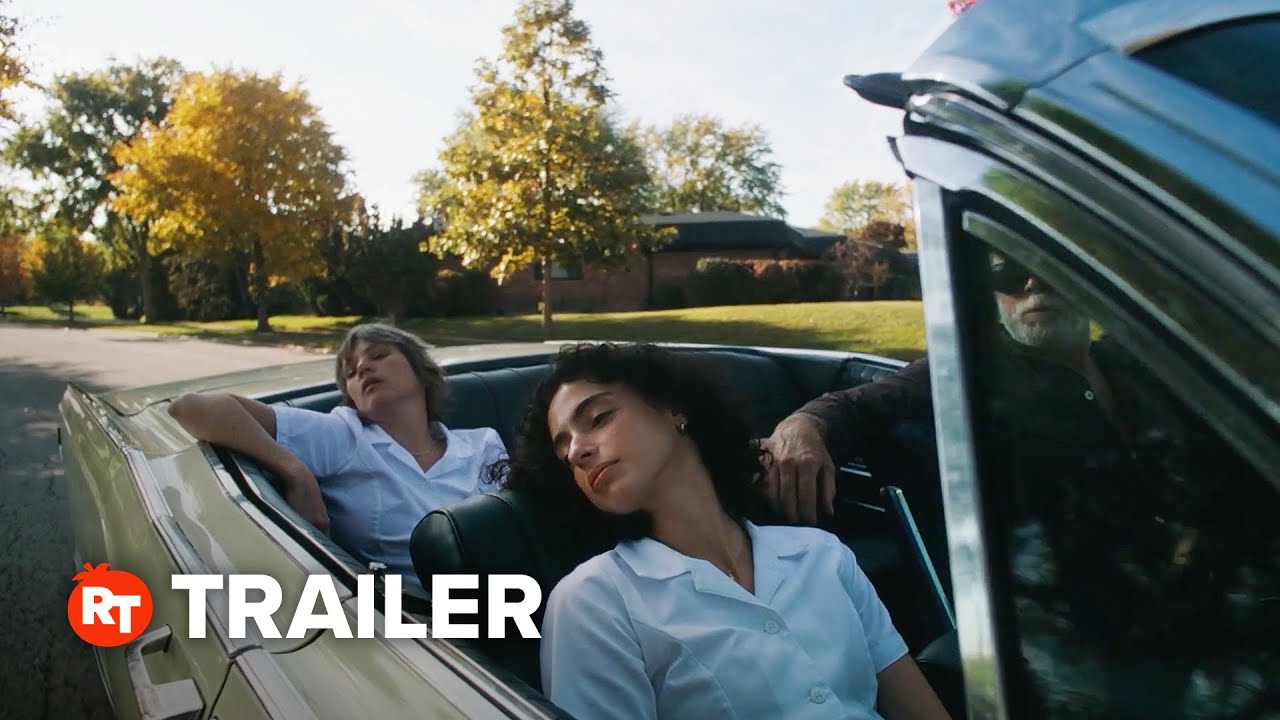
Eleni Sadik arrives at an upscale retirement community and becomes entangled with Douglas, an enigmatic older resident whose apparent vulnerability conceals a much stranger relationship with the people caring for him. Soon she is drawn into scam calls targeting elderly victims, while professional caregiving gives way to obsession, submission and shifting control. The film stars Cemre Paksoy as Eleni, Bruce McKenzie as Douglas and Eleonore Hendricks as Mona, with Mimi Rogers in a supporting role.
Writer-director Georgia Bernstein makes the discomfort deliberate. Phones, uniforms, bodies and institutional routines become strangely eroticized, while the film avoids conventional explanations for why Eleni wants what she wants. Bernstein has identified David Cronenberg’s Crash as an important influence, particularly its ability to eroticize something audiences would not normally perceive as erotic.
➡️ Movie Insight: Night Nurse turns caregiving into a provocative exploration of how the desire to feel needed can become tangled with power, dependency and obsession.
Should You Watch It?: A Cult Thriller for Viewers Who Like Their Movies Strange
Night Nurse is best suited to audiences drawn to psychosexual thrillers, provocative independent cinema and deliberately uncomfortable character studies. It operates through atmosphere and suggestion more than conventional suspense, making Eleni and Douglas’s relationship something viewers are expected to interpret rather than completely understand. Critics have compared its territory with films such as Crash and Secretary, while its hazy, stylized construction also draws from arthouse psychological drama and noir.
That approach makes it divisive. Positive reactions have praised its visual confidence, provocative sexuality and unusual atmosphere; negative responses have criticized its slow pace, thin narrative and limited psychological explanation. The supplied audience reviews show the same split, ranging from enthusiasm for its transgressive unpredictability to frustration with its plot and character motivations.
➡️ Viewing Takeaway: Watch it for its unsettling atmosphere and unconventional eroticism, not for a tightly plotted traditional thriller.
Why Everyone Is Talking About It?: Sundance Introduced a Very Different Erotic Thriller
Night Nurse emerged through the 2026 Sundance Film Festival’s NEXT program, where Georgia Bernstein received a nomination for the NEXT Innovator Award. The selection fits the movie’s identity: Sundance described it as bold, mysterious and stylistically daring, while its unusual combination of elder care, telephone fraud and psychosexual attraction immediately distinguished it from conventional festival thrillers.
Its theatrical reception has reinforced that positioning. Critics have called it everything from a potential cult erotic thriller to a stylish but narratively uneven debut. That polarization may ultimately suit the film: Night Nurse is attracting attention because its central relationship and erotic language are difficult to categorize comfortably.
Awards
The nomination is currently the film’s sole listed major award recognition.
➡️ Awards Insight: The NEXT recognition positions Night Nurse less as conventional prestige cinema and more as the arrival of a filmmaker willing to experiment with form, sexuality and uncomfortable subject matter.
Why Night Nurse Stands Out: Erotic Cinema Finds Desire Somewhere Unexpected
The erotic thriller traditionally builds desire around glamour, danger, infidelity or sexual obsession. Night Nurse relocates those impulses into caregiving, aging and dependency. Eleni’s attraction to Douglas is inseparable from caring for him, obeying him and becoming useful to him, making the emotional transaction more important than conventional sexual gratification.
The telephone scam makes that idea even stranger. Victims are manipulated by someone pretending to need them, mirroring the emotional dynamic between caregiver and patient. Bernstein developed the story after her grandmother nearly became the victim of a similar scam and became interested in how scammers manufactured the feeling of being needed.
➡️ Standout Insight: Night Nurse makes the need to be needed erotic, turning caregiving itself into a disturbing exchange of intimacy and power.
Movie Trend: Erotic Thriller — Sexual Suspense Is Getting Stranger Again
The erotic thriller is returning, but contemporary filmmakers are not simply recreating the glossy sexual thrillers of the 1980s and 1990s. The genre is increasingly being used to explore unconventional desire, power imbalance, identity and psychological dependency through more experimental filmmaking.
Night Nurse pushes that revival toward arthouse territory. Its erotic charge comes less from explicit sex than from submission, observation, bodies, caregiving and uncomfortable intimacy. Even critics divided on the execution have recognized it as part of a genre that remains relatively uncommon in contemporary American cinema.
➡️ Movie Trend Insight: The erotic thriller is returning through more unconventional forms of desire, using discomfort and psychological power to make sexuality unpredictable again.
Viewer Profile: The Provocation Seeker — Cinema Should Feel a Little Dangerous
The Provocation Seeker wants movies that challenge conventional ideas of attraction, morality and acceptable behavior, valuing atmosphere and originality even when characters remain psychologically difficult to explain.
|
Erotic and psychological thriller viewers |
|
|
Arthouse, Sundance and cult-film audiences |
|
|
Broad culturally engaged audience |
|
|
Film-literate, culturally curious and comfortable with unconventional sexuality |
|
|
Independent cinema, psychological thrillers, neo-noir, cult cinema and festival discoveries |
The film is particularly suited to viewers comfortable with ambiguity, slow pacing and characters whose motivations are deliberately withheld. Mainstream thriller audiences looking for escalating suspense and clear psychological explanations are considerably less likely to connect with Bernstein’s approach.
➡️ Audience Insight: Best suited to adventurous viewers who value provocative atmosphere and unusual desire more than conventional thriller mechanics.
What This Movie Means for the Industry: The Erotic Thriller Is Becoming Indie Territory
Night Nurse illustrates how independent filmmakers are reclaiming genres once associated with mainstream studio cinema. Rather than reproducing the commercial erotic-thriller formula, Bernstein takes its essential ingredients—desire, danger, manipulation and power—and applies them to characters and environments rarely eroticized by Hollywood.
Its modest theatrical scale reinforces its indie positioning: the supplied data records a US/Canada opening weekend of $73,573 and worldwide gross of $127,131. The more important commercial value may therefore be Bernstein herself: even mixed reviews frequently identify the film as a distinctive calling card for a filmmaker with a recognizable sensibility.
➡️ Industry Insight: Independent filmmakers are giving familiar genres new cultural relevance by placing desire, danger and power inside relationships mainstream cinema rarely explores.
Creative Analysis: Desire Lives in the Atmosphere
Night Nurse is built around mood before explanation. Bernstein creates a world that feels recognizable but subtly displaced: landlines dominate communication, cigarettes appear indoors and contemporary technology seems largely absent. The result is a retirement community suspended somewhere between present reality, erotic fantasy and neo-noir dream.
Storytelling — Mystery Through Withholding. Bernstein refuses to provide extensive backstories or straightforward psychological explanations. Eleni’s attraction to Douglas is something audiences experience before they understand it—and may never fully understand at all.
Direction — Slow Becomes Sensual. Bernstein has explained that she wanted the movie to be both extremely erotic and extremely slow. Long takes and gradual camera movement make observation itself part of the film’s sexual tension.
Performances — Attraction Without Comfort. Cemre Paksoy gives Eleni an opaque combination of curiosity, submission and control, while Bruce McKenzie makes Douglas simultaneously physically vulnerable and psychologically dominant. Their contradictory dynamic gives the film much of its unease.
Visual Style — Landlines Become Erotic Objects. Coiled telephone cords, bodies, uniforms, cigarettes and institutional spaces are photographed with unusual sensuality. Cinematographer Lidia Nikonova helps transform a seemingly ordinary elder-care environment into a stylized psychological landscape.
Themes — Being Needed Becomes Power. Caregiving, dependency, aging, manipulation and desire continually overlap. Even the telephone scam depends upon convincing victims that somebody they love desperately needs them, making emotional dependency the connective tissue between crime and intimacy.
What Makes It Different — Erotic Without Conventional Sex. The film’s provocative quality comes primarily from power relationships and suggestion rather than explicit sexual activity. That allows Bernstein to question what actually makes something erotic rather than simply reproducing familiar genre imagery.
➡️ Creative Insight: Night Nurse finds erotic tension in dependency itself, making care, obedience and emotional need more provocative than conventional sexual spectacle.
If You Liked Night Nurse (2026): Desire, Power & Psychosexual Games
These films explore desire as a struggle for control, following characters whose attraction becomes entangled with obsession, manipulation, identity and unstable power relationships.
Babygirl (2024) by Halina Reijn: Desire Disrupts the Power Hierarchy
A powerful CEO begins an affair with a younger intern and discovers that professional authority does not necessarily determine who controls an intimate relationship.
➡️ Why It Connects: Like Night Nurse, it explores submission, control and unconventional desire, turning an unequal relationship into a psychological negotiation over who actually holds power.
Love Lies Bleeding (2024) by Rose Glass: Desire Becomes Dangerous Obsession
A gym manager falls for an ambitious bodybuilder, pulling both women into an increasingly violent world where sexuality, transformation and criminality become impossible to separate.
➡️ Why It Connects: Like Night Nurse, attraction becomes a gateway into moral transgression and psychological instability, with desire pushing its characters outside conventional boundaries.
Final Verdict: The Erotic Thriller Gets Weird Again
Night Nurse is more successful as a cinematic mood and provocative debut than as a fully developed psychological narrative. Bernstein’s command of atmosphere, Nikonova’s imagery and the unusual chemistry between Paksoy and McKenzie give the film an identity that many safer independent thrillers never achieve. Its 66 Metascore in the supplied material reflects that broadly mixed-positive critical response.
Its weaknesses are equally visible. Eleni’s psychology remains deliberately elusive, the thin narrative can feel stretched across 95 minutes and the slow-burn approach risks becoming dramatically inert. Yet its oddness is difficult to dismiss: even negative and mixed critical responses repeatedly return to its atmosphere, provocation and unusual approach to the erotic thriller.
➡️ Final Verdict: 3.7/5 — A visually confident, deliberately perverse debut that makes the erotic thriller strange again, even when its atmosphere proves richer than its story.
Quick Facts: When Care, Desire & Manipulation Become the Same Thing
|
Erotic Psychological Thriller / Drama |
|
|
Desire, caregiving, aging, manipulation, dependency, scams |
|
|
Cemre Paksoy, Bruce McKenzie, Eleonore Hendricks, Mimi Rogers |
|
|
Missing Link Productions, Ruby Mannequin Films, Gary Prairie Productions |
|
|
Sundance NEXT Innovator Award nomination |
|
The film received its US theatrical release on July 10, 2026.
Final Insight: Desire Is Sometimes the Need to Be Needed
Night Nurse ultimately treats eroticism less as sex than as an emotional exchange of usefulness, attention and control. Eleni wants Douglas, but she also appears to want the role he gives her: caregiver, accomplice, object of attention and participant in a world whose rules exist outside ordinary morality.
That makes the telephone scam more than a quirky crime subplot. Its entire mechanism depends on manufacturing emotional need—and the same impulse quietly governs the relationships surrounding it. Bernstein’s provocative idea is that dependency can create its own form of intimacy, even when that intimacy becomes manipulative or destructive.
➡️ Final Insight: Night Nurse makes desire unsettling by asking whether being wanted and being needed are sometimes the same addiction.





Leave a Reply