
A Haunting Folk Horror About Motherhood, Fear, and the Monsters Hidden Within Family Life
Motherhood has long been a source of inspiration for horror cinema, but few recent films explore its psychological complexities as intimately as Nightborn. Following the international success of Hatching (2022), Finnish filmmaker Hanna Bergholm returns with another unsettling blend of psychological horror and dark fairy tale. Set deep within the forests of Finland, the film follows Saga, a new mother whose growing suspicion that something is terribly wrong with her newborn threatens not only her marriage but her understanding of reality itself.
Combining supernatural horror with emotional drama, Nightborn examines postpartum anxiety, maternal identity, and the terrifying uncertainty that accompanies parenthood. Drawing from Finnish folklore while maintaining an emotionally grounded perspective, Bergholm crafts a disturbing yet deeply human story where the greatest fear may not be the monster itself, but the possibility that no one else can see it.
Quick Facts: A Nordic Folk Horror That Turns Parenthood into a Psychological Nightmare
|
Motherhood, postpartum anxiety, folklore, family, psychological trauma, supernatural fear |
|
|
Hanna Bergholm, Ilja Rautsi |
|
|
Finland, United Kingdom, Lithuania, France |
|
|
Premiered in competition at the 2026 Berlin International Film Festival, where it was nominated for the Golden Berlin Bear. |
|
|
1 nomination. Berlin International Film Festival 2026 – Golden Berlin Bear nominee (Best Film) for director Hanna Bergholm. |
➡️ Key Takeaway: Nightborn combines psychological horror with Nordic folklore to deliver an unsettling exploration of motherhood, isolation, and the terrifying uncertainty of trusting one’s own instincts.
Should You Watch It?: A Slow-Burning Horror That Prioritizes Psychological Dread Over Jump Scares
If you appreciate atmospheric horror that lingers emotionally long after the credits roll, Nightborn is an exceptional choice. Hanna Bergholm once again demonstrates her ability to merge intimate psychological drama with unsettling supernatural imagery, creating a film where emotional trauma is every bit as frightening as the creature lurking in the shadows. Rather than relying on constant scares, the film builds tension through uncertainty, isolation, and the gradual breakdown of trust between husband and wife.
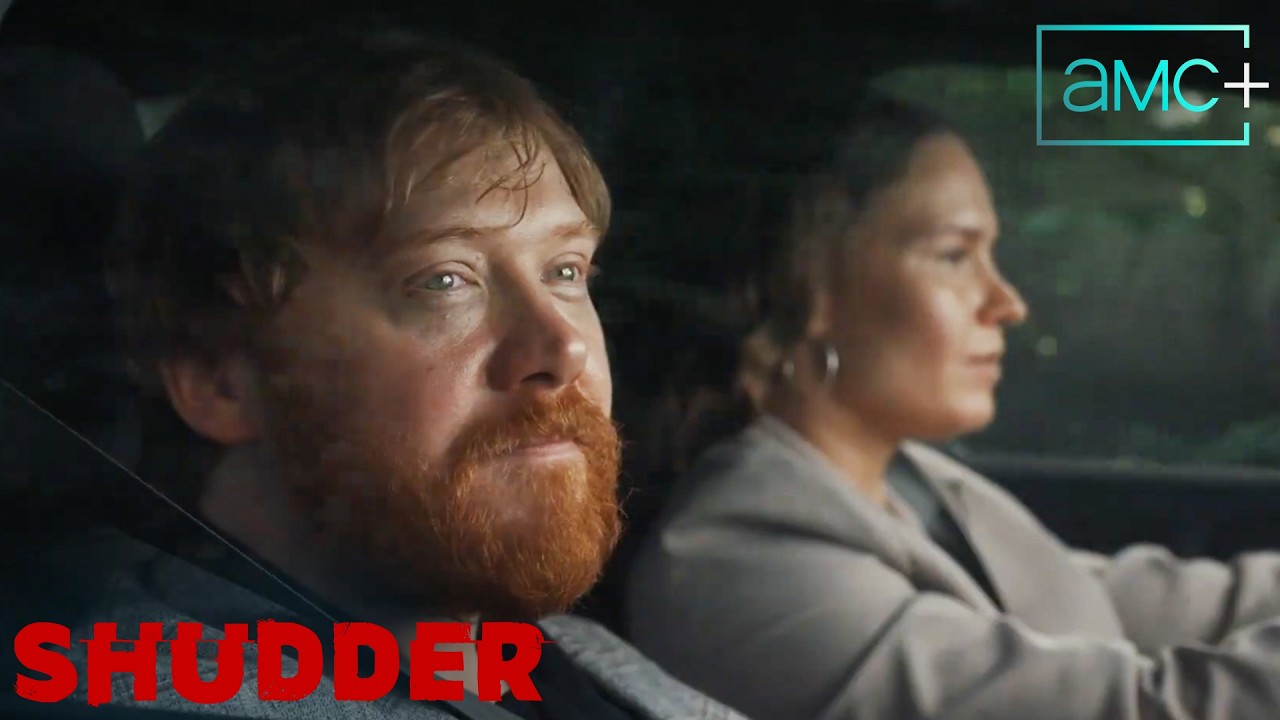
Seidi Haarla delivers a compelling performance as Saga, portraying a woman caught between maternal instinct and the possibility that she is losing her grip on reality. Rupert Grint provides strong support as Jon, whose inability to share Saga’s terrifying perspective creates the emotional divide at the center of the story. Together they anchor a horror film that is as much about relationships and parenthood as it is about monsters.
➡️ Key Takeaway: Nightborn is ideal for viewers who enjoy intelligent psychological horror rooted in emotional realism rather than conventional genre spectacle.
Why Everyone Is Talking About It?: Hanna Bergholm Builds on Hatching With Another Disturbing Vision of Motherhood
Following the critical success of Hatching, Hanna Bergholm has quickly established herself as one of the leading voices in contemporary Nordic horror. Nightborn continues her fascination with family, transformation, and the hidden fears surrounding parenthood, while expanding her storytelling through a richer blend of psychological drama, folklore, and supernatural mystery.
The film has also attracted international attention through its Golden Berlin Bear nomination at the 2026 Berlin International Film Festival, confirming Bergholm’s growing reputation on the global stage. Critics have praised the film’s atmospheric direction, emotionally committed performances, and its ability to use horror as a metaphor for maternal anxiety rather than relying solely on traditional monster-movie conventions.
➡️ Key Takeaway: Nightborn has become one of 2026’s most talked-about horror films by combining Nordic folklore, psychological depth, and unsettling family drama into an emotionally resonant supernatural thriller.
Movie Trend: Horror Is Reimagining Parenthood Through Psychological and Folk Mythology
One of the most significant developments in contemporary horror is the growing emphasis on parenthood as a source of psychological terror. Rather than relying on haunted houses or supernatural villains alone, filmmakers are increasingly exploring the emotional fears surrounding pregnancy, childbirth, and raising children. Nightborn perfectly represents this movement by transforming the universal anxieties of new motherhood into an unsettling supernatural mystery where fear originates as much from emotional isolation as from the unknown.
The film also reflects the continued rise of Nordic folk horror. Instead of borrowing from familiar Gothic traditions, Hanna Bergholm grounds her story in Finland’s forests, mythology, and cultural landscape. Nature becomes an active presence rather than a backdrop, reinforcing the idea that ancient beliefs continue to influence modern lives. This fusion of folklore with intimate psychological drama gives Nightborn a distinctive identity within today’s horror landscape.
➡️ Key Takeaway: Nightborn reflects two major horror trends—the growing exploration of parenthood as psychological horror and the international rise of atmospheric folk horror rooted in regional mythology.
Audience Profile: For Fans of Elevated Horror, Nordic Cinema, and Psychological Thrillers
|
Fans of psychological horror, folk horror, and Nordic cinema |
|
|
Festival audiences, arthouse horror enthusiasts, viewers interested in family dramas with supernatural themes |
|
|
Horror fans, festival-goers, cinephiles, readers of folklore and psychological fiction |
|
|
Elevated horror, supernatural thrillers, independent cinema, international genre films |
Nightborn is best suited to viewers who enjoy horror that develops through atmosphere, symbolism, and emotional tension rather than relentless jump scares. Audiences who appreciated films such as The Babadook, Rosemary’s Baby, Hatching, or Relic will likely respond to its combination of psychological realism and supernatural ambiguity.
The film also appeals to viewers interested in folklore-inspired horror. Hanna Bergholm uses Finnish mythology not simply as decorative mythology but as an extension of her characters’ emotional struggles, allowing cultural traditions to deepen the psychological themes instead of replacing them.
➡️ Key Takeaway: Nightborn is ideal for audiences seeking intelligent horror that blends emotional storytelling, folklore, and psychological suspense.
What This Movie Means for the Industry: Nordic Horror Continues to Shape Global Genre Cinema
With Nightborn, Hanna Bergholm confirms that Nordic horror has become one of the most creatively influential movements in contemporary genre filmmaking. Rather than competing with Hollywood through spectacle, filmmakers from Finland and across Scandinavia continue to distinguish themselves through emotionally grounded stories, atmospheric filmmaking, and narratives rooted in regional folklore. Nightborn demonstrates that these culturally specific stories can resonate with audiences around the world because their emotional themes are universal.
The film also highlights the increasing importance of female perspectives within horror. By placing maternal anxiety, family relationships, and emotional vulnerability at the center of its narrative, Nightborn continues a broader trend of horror films using personal experience as the foundation for supernatural storytelling. The monsters become metaphors for fears that many viewers recognize, making the horror feel more intimate and psychologically lasting.
Its Golden Berlin Bear nomination further illustrates how major international festivals increasingly recognize horror as serious artistic cinema. Films like Nightborn show that genre filmmaking is no longer confined to niche audiences but is becoming an important platform for exploring complex emotional and social themes through innovative visual storytelling.
➡️ Key Takeaway: Nightborn reinforces Nordic horror’s growing global influence by combining folklore, psychological realism, and emotionally driven storytelling into a festival-caliber work that expands the artistic possibilities of modern horror.
Creative Analysis: A Chilling Meditation on Maternal Instinct and the Fear of the Unknown
Following Hatching, Hanna Bergholm further establishes herself as one of the most distinctive voices in contemporary horror by using the supernatural to explore deeply human emotions. Nightborn is less concerned with explaining its mysteries than with immersing viewers in the psychological experience of a mother whose instincts are constantly dismissed. The result is a film that operates simultaneously as psychological drama, folk horror, and emotional allegory.
Rather than presenting good and evil in simple terms, the film explores uncertainty. Every unsettling event raises difficult questions: Is Saga witnessing something genuinely supernatural, or is she experiencing the emotional strain of early motherhood? Bergholm deliberately allows these possibilities to coexist for much of the narrative, creating sustained tension that extends beyond traditional horror mechanics.
➡️ Key Takeaway: Nightborn transforms supernatural horror into an emotionally unsettling exploration of trust, motherhood, and psychological isolation.
Storytelling: Parenthood Becomes the Ultimate Psychological Mystery
The screenplay follows Saga as she gradually becomes convinced that something is deeply wrong with her newborn son. While those around her—including her husband Jon—continue to reassure her that everything is normal, her growing certainty creates an increasingly painful divide within the family. This conflict shifts the narrative away from a conventional monster story and toward an intimate psychological drama.
The film carefully balances ambiguity throughout much of its running time. Rather than immediately revealing whether Saga’s fears are justified, Bergholm allows uncertainty to dominate both the characters’ relationships and the audience’s perspective. This approach makes the emotional stakes as compelling as the supernatural mystery itself.
➡️ Key Takeaway: The screenplay generates suspense by making audiences question whether the greatest threat comes from the child, the supernatural, or the fragile psychology of new parenthood.
Direction: Hanna Bergholm Continues to Redefine Modern Folk Horror
Hanna Bergholm directs with remarkable patience, allowing atmosphere and emotional discomfort to build gradually rather than relying on frequent shocks. Her restrained approach gives every unsettling moment greater impact, encouraging audiences to remain emotionally invested instead of simply anticipating scares.
Bergholm also demonstrates a sophisticated understanding of symbolism. Natural landscapes, silence, and domestic spaces become extensions of Saga’s emotional state, blurring the boundaries between psychological distress and supernatural intrusion. As in Hatching, horror emerges organically from ordinary family life, making the extraordinary feel disturbingly believable.
➡️ Key Takeaway: Bergholm proves once again that emotional realism can make supernatural horror significantly more unsettling than spectacle alone.
Performances: Seidi Haarla Carries the Film with Emotional Authenticity
Seidi Haarla delivers a deeply committed performance as Saga, capturing both the vulnerability and determination of a mother who finds herself increasingly isolated by her terrifying suspicions. Rather than portraying hysteria, Haarla grounds the character in emotional honesty, making audiences empathize with her even when they begin questioning her perception of reality.
Rupert Grint provides an effective counterbalance as Jon, portraying a husband who genuinely wants to support his wife but cannot comprehend the reality she believes she is experiencing. Their growing emotional distance becomes one of the film’s most painful and compelling elements, illustrating how fear can fracture even the strongest relationships. Pamela Tola and the supporting cast further reinforce the film’s grounded emotional world.
➡️ Key Takeaway: The performances ensure that the film’s emotional conflicts remain just as compelling as its supernatural elements.
Cinematography & Visual Style: Finland’s Forests Become Living Nightmares
The Finnish landscape plays an essential role throughout Nightborn. Dense forests, isolated homes, and subdued natural light create an atmosphere of quiet unease where nature itself appears ancient, mysterious, and unknowable. Rather than relying on elaborate visual effects, the cinematography uses environmental isolation to heighten emotional tension.
The film also contrasts intimate domestic spaces with the overwhelming presence of the surrounding wilderness. This visual relationship reinforces the story’s central conflict: the supposed safety of home gradually becomes as unsettling as the forest beyond it. Every location contributes to a growing sense that unseen forces may be watching from just beyond the edge of the familiar.
➡️ Key Takeaway: The cinematography transforms Finland’s landscapes into an essential character, reinforcing both the supernatural atmosphere and the psychological isolation of its protagonist.
Themes & Messages: Motherhood Is Both an Emotional Gift and a Terrifying Leap into the Unknown
At its heart, Nightborn examines the fragile balance between maternal instinct and societal reassurance. Saga believes something is terribly wrong, yet everyone around her insists that her fears are irrational. This conflict becomes a powerful metaphor for the isolation many new parents experience when their emotional realities are dismissed or misunderstood.
The film also explores unconditional love through an unsettling lens. It asks whether a parent can continue loving a child when fear begins to replace certainty, and whether motherhood ultimately requires accepting mysteries that can never be fully understood. By framing these questions within a supernatural narrative, Bergholm elevates familiar parental anxieties into universal existential fears.
➡️ Key Takeaway: Nightborn suggests that the greatest horror is not simply confronting the unknown but learning to love in the face of profound uncertainty.
What Makes This Movie Different?: A Folk Horror That Places Emotional Truth Above Mythology
While many contemporary folk horror films focus primarily on mythology, rituals, or ancient evil, Nightborn keeps its attention firmly on its characters. Finnish folklore enriches the atmosphere rather than dominating the narrative, ensuring that every supernatural element ultimately serves the emotional journey of Saga and her family.
This balance between intimate character study and unsettling horror gives Nightborn a distinctive voice within modern genre cinema. Instead of frightening audiences through relentless violence or spectacle, Hanna Bergholm creates a deeply personal nightmare where love, fear, and instinct become impossible to separate.
➡️ Key Takeaway: Nightborn stands apart by using Nordic folklore to deepen an emotionally authentic story about motherhood, making its psychological horror resonate long after the supernatural mystery has unfolded.
If You Liked Nightborn (2026) by Hanna Bergholm: Recent Psychological and Folk Horror Films That Explore Family, Fear, and the Supernatural
If Nightborn drew you in with its unsettling blend of psychological horror, Nordic folklore, and emotionally grounded family drama, these recent films offer similarly haunting experiences. Each explores how personal trauma, parenthood, or ancient mythology can transform ordinary lives into deeply unsettling nightmares.
Bring Her Back (2025) by Danny Philippou & Michael Philippou
The Philippou brothers deliver another emotionally devastating horror film that blends grief, family trauma, and supernatural terror. Like Nightborn, the film places intimate relationships at the center of its horror, allowing emotional pain to become inseparable from the terrifying supernatural events unfolding around its characters.
➡️ Where to Watch: Currently streaming on Max. Also available to rent or purchase on Apple TV, Prime Video, and Fandango at Home.
The Damned (2025) by Thordur Palsson
Set within the harsh isolation of nineteenth-century Iceland, The Damned combines Nordic folklore, survival horror, and psychological dread into an atmospheric supernatural thriller. Like Nightborn, it uses unforgiving natural landscapes and ancient beliefs to create an overwhelming sense of isolation where fear emerges as much from the environment as from the supernatural itself.
➡️ Where to Watch: Available to rent or purchase on Apple TV, Prime Video, and Fandango at Home.
Hatching (2022) by Hanna Bergholm
Before Nightborn, Hanna Bergholm made her acclaimed feature debut with Hatching, another emotionally charged horror film that examines family expectations, motherhood, and transformation through surreal body horror and Finnish folklore. Together, the two films form a compelling exploration of motherhood and identity, revealing Bergholm’s unique approach to psychological horror.
➡️ Where to Watch: Streaming on Hulu. Also available to rent or purchase on Apple TV, Prime Video, and Fandango at Home.
➡️ Key Takeaway: These films demonstrate how contemporary horror increasingly finds its greatest scares through emotional vulnerability, family relationships, and the enduring power of folklore.
Final Verdict: A Haunting Folk Horror That Makes Motherhood Its Greatest Mystery
With Nightborn, Hanna Bergholm confirms that she is one of the most compelling voices in contemporary horror. Building upon the emotional intelligence and folkloric atmosphere of Hatching, she delivers a haunting film that transforms the universal anxieties of parenthood into an unsettling supernatural experience. Rather than relying on conventional horror formulas, the film explores fear through uncertainty, emotional isolation, and the fragile bond between parent and child.
Seidi Haarla anchors the film with a deeply affecting performance that captures both maternal vulnerability and unwavering determination, while Rupert Grint provides a nuanced portrayal of a husband struggling to understand an experience he cannot share. Their emotional conflict gives the supernatural narrative remarkable psychological weight, making every unsettling revelation feel intensely personal.
The film’s use of Finland’s forests, restrained visual style, and subtle incorporation of Nordic folklore create an atmosphere that lingers long after the final scene. Its Golden Berlin Bear nomination further demonstrates that horror continues to gain recognition as a serious artistic form capable of exploring profound emotional and social themes through genre storytelling.
➡️ Final Verdict: 4.5/5 — A beautifully crafted Nordic folk horror that blends psychological realism, haunting atmosphere, and powerful performances into one of 2026’s most emotionally resonant supernatural thrillers.





Leave a Reply