
A Post-Revolution Family Drama About Identity, Memory, And The Collapse Of Childhood Illusions
A young boy raised on stories of a heroic father must confront a painful truth when a stranger arrives claiming to be the man he thought was dead.
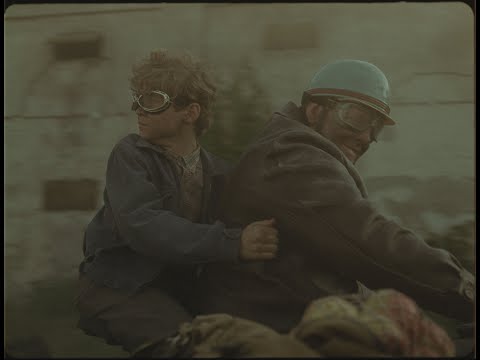
Set in post-1956 Hungary, Orphan follows Andor, a young boy living with his mother Klára in the aftermath of the Hungarian uprising. Raised to believe that his father was a heroic victim of history, Andor’s understanding of himself is shattered when a rough and unsettling man appears claiming to be his real father. What follows is both a family drama and a coming-of-age story, as Andor struggles to reconcile mythology with reality. Drawing inspiration from the childhood experiences of Nemes’ own father, the film explores memory, trauma, postwar identity, and the emotional consequences of historical upheaval. Through the eyes of a child, Orphan examines how personal and national histories become intertwined.
➡️ Implication: The film demonstrates how family myths often shape identity as powerfully as historical events themselves.
Why It Is Trending: An Oscar-Submitted Historical Drama From One Of Europe’s Most Acclaimed Directors
Orphan has attracted significant attention because it marks the return of László Nemes, the Oscar-winning director of Son of Saul. The film’s semi-autobiographical roots add emotional depth and authenticity to its historical narrative. It has also generated interest through its selection as Hungary’s submission for the International Feature Film category at the 98th Academy Awards. Critics and festival audiences have been eager to see how Nemes evolves his distinctive cinematic style after Son of Saul and Sunset. Its combination of personal storytelling and national history makes it one of the more discussed European art-house releases of the year.
➡️ Implication: Films that combine personal memory with major historical events often attract strong festival and awards attention.
Elements Driving the Trend: Historical Trauma, Family Secrets, And Identity Formation
The film’s growing profile is driven by several powerful narrative and artistic elements.
• A child’s perspective on historical change that humanizes political events.
• A family mystery centered on truth, identity, and belonging.
• Post-1956 Hungarian history providing rich political and emotional context.
• László Nemes’ acclaimed visual style and immersive filmmaking approach.
• A semi-autobiographical foundation that adds emotional authenticity.
Together, these elements transform a personal story into a broader reflection on memory and national identity.
➡️ Implication: Personal narratives often provide the most accessible entry point into complex historical subjects.
Virality of Movie: Festival Prestige And Cinematic Craft Drive Discussion
Unlike mainstream releases that gain traction through social media trends, Orphan has generated discussion through festival circuits, awards conversations, and cinephile communities. Much of the attention surrounding the film focuses on its cinematography, historical setting, and Nemes’ evolving directorial style. Viewers frequently highlight the visual storytelling and immersive atmosphere created by cinematographer Mátyás Erdély. The film’s connection to Nemes’ family history has also contributed to audience interest. Its visibility is driven primarily by artistic prestige rather than mass-market appeal.
➡️ Implication: Art-house films often build influence through critical discussion and festival recognition rather than commercial marketing.
Critics Reception: Visual Mastery And Emotional Depth Outshine Narrative Limitations
Critical reception has generally been positive, with many reviewers praising the film’s cinematography, production design, and emotional complexity. Publications such as The Hollywood Reporter noted that while the pacing can feel slow, the film ultimately delivers a moving and thoughtful portrait of postwar life. Critics consistently highlight the performance of newcomer Bojtorján Barabas and the nuanced work of Grégory Gadebois. Some reviewers argue that the narrative occasionally struggles under the weight of Nemes’ immersive style. Nevertheless, the consensus suggests that the film succeeds as a visually powerful character study.
➡️ Implication: Strong visual storytelling can elevate intimate dramas even when narrative pacing divides audiences.
Awards and Recognitions: Festival Prestige Reinforces Nemes’ International Reputation
Orphan has received 1 win and 5 nominations across major international festivals. Its most significant achievement is the Spotlight Award awarded to cinematographer Mátyás Erdély by the American Society of Cinematographers. The film also received nominations for the Golden Lion at the Venice Film Festival and the Golden Spike at the Valladolid International Film Festival. These nominations are significant because they place the film among the most respected international art-house productions of the year. Combined with Hungary’s Oscar submission, the recognition reinforces Nemes’ standing as one of contemporary European cinema’s most respected filmmakers.
➡️ Implication: Festival recognition continues to serve as a key indicator of artistic prestige within international cinema.
Director and Cast: László Nemes Expands His Cinematic World Through A Deeply Personal Story
László Nemes brings his signature immersive filmmaking style to a more openly emotional and personal narrative than his previous works. While his earlier films focused intensely on individual perspective, Orphan allows greater room for supporting characters and family dynamics. Bojtorján Barabas delivers a remarkable performance as a boy navigating confusion, loss, and identity. Andrea Waskovics and Grégory Gadebois provide layered portrayals of adults burdened by history and personal compromise. Together, the cast creates a deeply human portrait of postwar survival.
➡️ Implication: Powerful performances allow historical dramas to connect emotionally while exploring broader political and cultural themes.
Conclusion: A Haunting Exploration Of Childhood, History, And The Search For Truth
Orphan is both an intimate family drama and a broader reflection on the lasting impact of historical trauma. Through Andor’s journey, the film explores how identity is shaped by stories, memories, and the truths that remain hidden beneath them. Nemes combines personal history with national history to create a work that feels both deeply specific and universally resonant. While its deliberate pacing may challenge some viewers, its emotional honesty and visual sophistication leave a lasting impression. The result is a thoughtful and beautifully crafted film that continues Nemes’ exploration of individuals navigating the shadows of history.
➡️ Implication: The film illustrates how confronting difficult truths is often essential to understanding both personal and collective identity.
What Movie Trend Is Followed: Personal Historical Dramas Are Replacing Traditional War Narratives
Orphan follows a growing trend in international cinema that explores major historical events through intimate family stories rather than large-scale political narratives. Instead of focusing on battles, revolutions, or political leaders, these films examine how historical trauma shapes ordinary lives. Contemporary audiences increasingly connect with stories that humanize history through personal experiences and emotional relationships. Similar to recent prestige dramas, Orphan uses a child’s perspective to reveal the long-lasting consequences of social and political upheaval. The film reflects a broader movement toward emotionally grounded historical storytelling.
➡️ Implication: Audiences increasingly prefer historical films that prioritize human experience over historical spectacle.
Trend Drivers: Memory, Identity, And Generational Trauma Drive Contemporary Historical Cinema
One of the strongest drivers behind this trend is the growing interest in how history influences personal identity. Modern filmmakers increasingly explore historical events through family relationships, inherited memories, and emotional consequences. Audiences often find these stories more relatable because they connect national history to everyday life. Generational trauma has also become an important cultural topic, encouraging deeper examination of how past events continue to affect future generations. Orphan fits directly within this movement through its focus on family secrets and inherited narratives.
➡️ Implication: Personal stories provide audiences with a more emotionally accessible way to engage with history.
What Is Influencing Trend: Postwar Reflection And The Reassessment Of National Histories
Many contemporary historical dramas are influenced by a desire to revisit and reinterpret national histories from new perspectives. Rather than celebrating heroic narratives, filmmakers increasingly explore ambiguity, uncertainty, and hidden truths. This shift reflects broader cultural efforts to better understand the human consequences of historical events. International cinema has been particularly active in exploring these themes through intimate character studies. Orphan embodies this approach by examining post-1956 Hungary through the emotional perspective of a child.
➡️ Implication: Historical storytelling is increasingly focused on complexity rather than simplified national narratives.
Macro Trends Influencing: Identity Politics, Memory Culture, And Historical Reconciliation
Across global culture, there is growing interest in collective memory, historical accountability, and identity formation. Societies are increasingly examining how historical events shape contemporary life and cultural identity. Films exploring family histories and unresolved trauma have become especially relevant because they connect private experiences with broader social questions. Audiences seek stories that explain not only what happened but also how those events continue to influence future generations. Orphan aligns strongly with these macro-cultural trends.
➡️ Implication: Historical dramas remain relevant when they connect past events to contemporary questions of identity and belonging.
Consumer Trends Influencing: Prestige Audiences Seeking Emotionally Intelligent Storytelling
Art-house and prestige-film audiences increasingly favor emotionally layered stories that combine intellectual depth with personal resonance. These viewers are attracted to films that challenge them while providing meaningful emotional engagement. Historical dramas built around family relationships and psychological complexity often perform well among this audience segment. Rather than seeking conventional entertainment, these viewers value reflection, authenticity, and artistic craftsmanship. Orphan is positioned squarely within this consumer preference.
➡️ Implication: Prestige audiences increasingly reward films that combine emotional intimacy with historical insight.
Audience Analysis: Art-House Viewers Drawn To History, Identity, And Human Complexity
The film’s core audience consists of adults aged 30–70 who regularly engage with international cinema, historical dramas, and festival films. Psychographically, these viewers value cultural exploration, intellectual engagement, and emotionally nuanced storytelling. Many are interested in European history, memory studies, family dynamics, and political change. Their motivation comes from understanding human behavior within larger historical contexts. Viewing habits often include award contenders, international releases, and auteur-driven cinema.
➡️ Implication: The film appeals most strongly to audiences seeking thoughtful, character-driven explorations of history and identity.
Conclusion: A Historical Drama Trend Centered On Human Experience Rather Than Historical Events
Orphan reflects the evolution of historical cinema toward more personal and emotionally focused narratives. By exploring the aftermath of the Hungarian uprising through the eyes of a young boy, the film transforms history into a deeply human story. Its themes of memory, identity, and generational trauma align with many of the most important trends shaping contemporary prestige filmmaking. The film demonstrates how intimate family conflicts can reveal larger truths about society and history. As audiences continue to seek emotionally resonant historical storytelling, films like Orphan are likely to remain culturally significant.
➡️ Implication: The future of historical cinema will increasingly depend on its ability to connect large historical events with personal emotional experiences.
Final Verdict: A Visually Stunning And Emotionally Layered Historical Drama About Identity And Inherited Trauma
Orphan is one of László Nemes’ most personal and emotionally direct works, transforming family history into a powerful exploration of postwar identity. While maintaining the immersive visual style that defined his earlier films, the director broadens his focus to include richer character relationships and family dynamics. The film succeeds most strongly through its atmosphere, cinematography, and emotional authenticity rather than conventional narrative momentum. Although some viewers may find its pacing deliberate, its thematic depth and visual sophistication reward patience. Ultimately, Orphan stands as a thoughtful examination of childhood, truth, and the lasting shadows of history.
➡️ Implication: The film demonstrates how personal stories can provide profound insight into broader historical experiences.
Audience Relevance: Exploring Universal Questions Through A Specific Historical Moment
Despite its specific historical setting, Orphan addresses themes that remain universally relevant. Questions surrounding identity, family history, belonging, and the search for truth resonate across generations and cultures. Andor’s struggle to understand who he is reflects a broader human desire to reconcile personal mythology with reality. Many viewers can relate to discovering uncomfortable truths about family members or inherited narratives. This emotional accessibility helps the film transcend its historical context.
➡️ Implication: Universal emotional conflicts allow historically specific stories to connect with contemporary audiences.
What Is the Message of Movie: Truth Is Often More Complicated Than The Stories We Inherit
At its core, Orphan examines the tension between comforting myths and difficult realities. Andor grows up believing in an idealized version of his father, only to discover that reality is far more complicated. The film suggests that identity cannot be built solely on fantasy or inherited narratives. True maturity requires confronting uncomfortable truths, even when they challenge long-held beliefs. Through this journey, the story explores the emotional cost of self-discovery.
➡️ Implication: Personal growth often begins when individuals confront the realities hidden beneath family myths.
Relevance to Audience: Understanding How The Past Shapes The Present
The film speaks directly to contemporary audiences living in a world increasingly interested in ancestry, memory, and inherited identity. Many people today seek greater understanding of family histories and generational experiences. Orphan demonstrates how personal histories continue to influence present-day emotions, relationships, and self-perception. The narrative encourages viewers to examine how the past shapes their own identities. This relevance extends far beyond the film’s historical setting.
➡️ Implication: Stories about family history remain powerful because they reflect questions many people continue to ask about themselves.
Social Relevance: Examining The Human Cost Of Political And Historical Upheaval
Beyond family dynamics, the film reflects the broader social consequences of political conflict and national trauma. The aftermath of the 1956 Hungarian uprising forms the backdrop for a society struggling with uncertainty and change. Orphan explores how large historical events affect ordinary individuals long after headlines disappear. By focusing on personal experiences, the film humanizes historical trauma without reducing it to political commentary. This gives the story lasting social significance.
➡️ Implication: Historical events are often most effectively understood through their impact on individual lives.
Performance: A Remarkable Young Lead Anchors The Film’s Emotional Journey
Bojtorján Barabas delivers a remarkable performance that carries much of the film’s emotional weight. His portrayal captures both childhood innocence and the growing awareness that accompanies painful discovery. Andrea Waskovics provides a nuanced portrayal of a mother attempting to protect both herself and her son from difficult truths. Grégory Gadebois brings complexity to a character who initially appears threatening but gradually reveals greater emotional depth. Together, the performances create a powerful emotional foundation for the story.
➡️ Implication: Strong performances are essential for transforming historical narratives into deeply human experiences.
Legacy: A Significant Addition To Nemes’ Exploration Of History And Memory
Orphan continues László Nemes’ ongoing exploration of individuals navigating the aftermath of historical upheaval. While comparisons to Son of Saul are inevitable, the film establishes its own identity through its more personal and family-centered perspective. Its semi-autobiographical origins give it emotional authenticity and long-term significance within the director’s body of work. The film is also likely to remain relevant as a cinematic portrait of postwar Hungarian identity. Over time, it may be remembered as one of Nemes’ most intimate achievements.
➡️ Implication: Personal historical dramas often gain value over time because of their emotional and cultural specificity.
Success: Critical Respect And Festival Prestige Reinforce Its Importance
Although its commercial performance has been modest, Orphan has achieved meaningful success within the international festival and prestige-film landscape. The film received 1 win and 5 nominations, including a nomination for the Golden Lion at the Venice Film Festival and Hungary’s submission for the International Feature Film category at the Academy Awards. Cinematographer Mátyás Erdély earned the Spotlight Award from the American Society of Cinematographers, highlighting the film’s visual achievement. Critical response has generally praised its artistry, performances, and emotional depth. These accomplishments position the film as an important entry in contemporary European cinema.
➡️ Implication: Festival recognition remains one of the strongest indicators of artistic achievement in international cinema.
Insights: Orphan transforms a personal family story into a universal exploration of memory, identity, and historical trauma. Industry Insight: Prestige audiences continue to reward films that combine historical context with intimate emotional storytelling. Consumer Insight: Viewers increasingly seek historical dramas that prioritize human experience over political exposition. Social Insight: Family narratives provide a powerful lens through which societies can examine collective trauma and historical change. Cultural/Brand Insight: The film reinforces European cinema’s strength in exploring history through emotionally nuanced character studies. Final Insight: Orphan’s greatest achievement is showing how the search for personal truth often mirrors a society’s struggle to understand its own past.
Conclusion: A Moving Portrait Of Childhood, Truth, And Historical Memory
Orphan is a beautifully crafted historical drama that combines personal memory with national history to create a deeply resonant emotional experience. Through Andor’s journey, the film explores how identity is shaped by family stories, historical trauma, and the difficult process of confronting reality. László Nemes demonstrates once again his mastery of immersive visual storytelling while expanding into more intimate emotional territory. The film’s performances, cinematography, and thematic depth elevate it beyond a conventional historical drama. While its deliberate pacing may not appeal to every viewer, its emotional intelligence and artistic ambition make it one of the year’s most significant international releases. As both a family story and a reflection on collective memory, Orphan leaves a lasting impression long after its final image.
➡️ Implication: The film proves that the most powerful historical stories are often those that reveal history through deeply personal experiences.
Summary of the Movie: A Coming-Of-Age Historical Drama About Identity, Family Secrets, And Postwar Hungary
• Movie themes: Identity, family mythology, historical trauma, memory, belonging, childhood innocence, truth, generational conflict, and the emotional consequences of political upheaval. The film explores how personal identity is shaped by both family narratives and historical realities.
➡️ Implication: The story demonstrates that understanding one’s past is often essential to understanding oneself.
• Movie director: László Nemes brings his signature immersive filmmaking style to a deeply personal, semi-autobiographical story inspired by his father’s childhood. Expanding beyond the intense singular focus of his earlier films, Nemes creates a richer emotional landscape centered on family relationships and postwar identity.
➡️ Implication: Personal storytelling allows Nemes to explore history through a more intimate and emotionally accessible lens.
• Top casting: Bojtorján Barabas delivers a standout performance as a young boy forced to confront painful truths about his family and identity. Andrea Waskovics brings emotional complexity to Andor’s mother, while Grégory Gadebois provides a layered portrayal of the man whose arrival disrupts the family’s carefully maintained narrative. Together, they create a compelling emotional triangle that drives the story.
➡️ Implication: Strong performances transform historical themes into deeply personal emotional experiences.
• Awards and recognition: The film has received 1 win and 5 nominations. Its most significant achievement is the Spotlight Award won by cinematographer Mátyás Erdély from the American Society of Cinematographers. It was also nominated for the Golden Lion at the Venice Film Festival, the Golden Spike at the Valladolid International Film Festival, and selected as Hungary’s submission for the International Feature Film category at the Academy Awards. These recognitions highlight the film’s artistic prestige and international significance.
➡️ Implication: Festival and industry recognition reinforce the film’s status as a major contemporary European art-house release.
• Why to watch movie: The film offers a rich combination of historical drama, family mystery, coming-of-age storytelling, and visual artistry. Audiences interested in European cinema, postwar history, and emotionally complex character studies will find much to appreciate. It is particularly rewarding for viewers who value atmosphere, nuanced performances, and thoughtful explorations of identity.
➡️ Implication: The film rewards patient viewers seeking emotional depth and artistic sophistication.
• Key success factors: A powerful semi-autobiographical foundation, László Nemes’ acclaimed direction, award-winning cinematography, strong performances, historical authenticity, and emotionally resonant themes all contribute to the film’s impact. Its ability to connect personal stories with national history is one of its greatest strengths.
➡️ Implication: Historical dramas achieve their greatest power when personal and collective histories intersect.
• Where to watch: Following its October 2025 release in Hungary and international festival screenings, availability varies by territory. Audiences should monitor specialty distributors, art-house theaters, streaming platforms focused on international cinema, and official release announcements for viewing opportunities.
➡️ Implication: Prestigious international films often reach wider audiences through festivals, specialty distribution, and curated streaming services.
Conclusion: A Deeply Personal Historical Drama With Lasting Emotional Power
Orphan stands as one of the most personal and emotionally resonant films in László Nemes’ career. Through the story of a young boy confronting hidden truths about his family, the film explores broader themes of memory, identity, and historical trauma. Its visual beauty, remarkable performances, and emotional intelligence elevate it beyond a conventional historical drama. While its deliberate pacing may challenge some viewers, the rewards are substantial for those willing to engage with its themes and atmosphere. By connecting intimate family experiences with the aftermath of national upheaval, Orphan creates a story that feels both historically specific and universally human. The result is a haunting and memorable work that reinforces Nemes’ reputation as one of contemporary cinema’s most significant filmmakers.
➡️ Implication: The film shows how confronting difficult truths can become a path toward both personal understanding and historical reconciliation.






Leave a Reply