
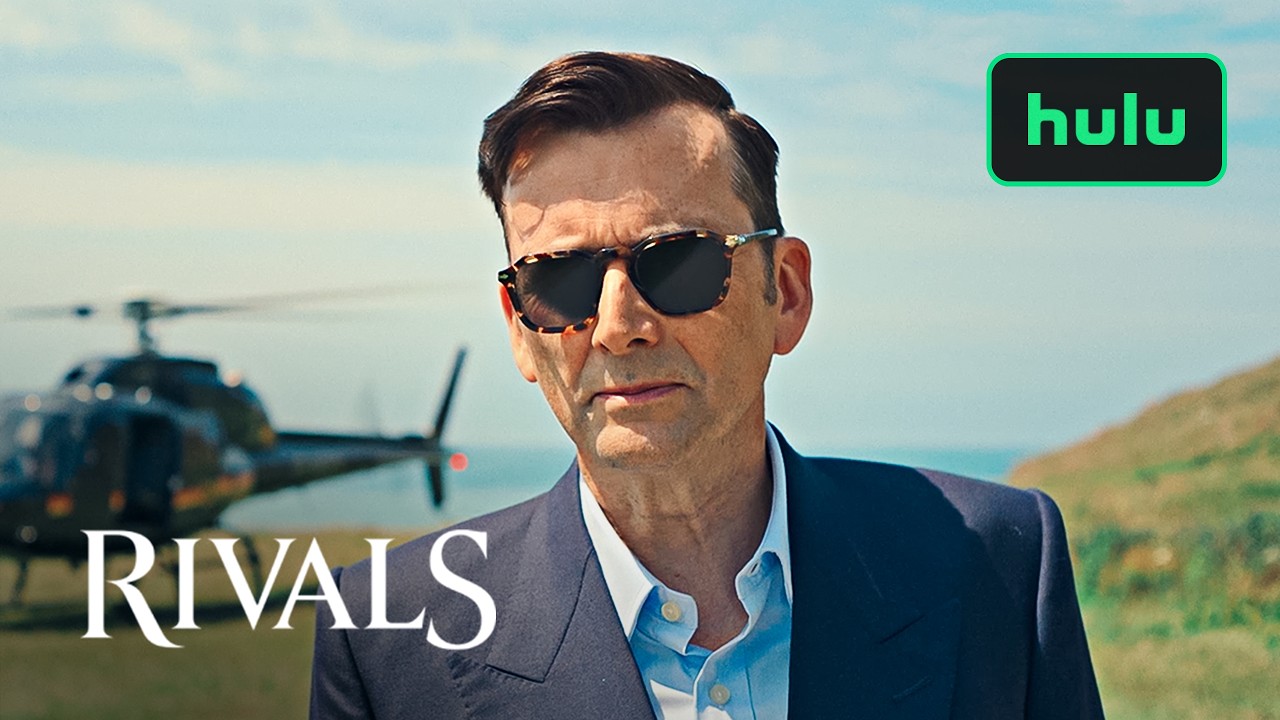
A glamorous and chaotic power-drama redefining modern prestige soap television through sex, rivalry, and 1980s excess
Rivals transforms Jilly Cooper’s iconic world of media empires, aristocratic scandal, political ambition, and sexual competition into one of modern television’s most entertaining prestige-soap phenomena. Set within the cutthroat world of Corinium Television during the 1980s, the series follows Rupert Campbell-Black, Tony Baddingham, Declan O’Hara, and a sprawling ensemble navigating rivalry, ambition, betrayal, lust, and emotional collapse. The show embraces melodrama unapologetically while balancing satire, emotional sincerity, class commentary, and outrageous entertainment spectacle. Rather than modernizing the source material into prestige minimalism, Rivals fully commits to flamboyant emotional excess, glossy nostalgia, and chaotic interpersonal drama. Through its combination of sexual politics, media-industry warfare, and emotionally addictive storytelling, the series becomes both escapist entertainment and a commentary on power, class, and performative masculinity.
➡️ Implication: Prestige television increasingly embraces emotionally maximalist storytelling where melodrama, nostalgia, and spectacle become major audience strengths instead of weaknesses.
Why It Is Trending: 1980s nostalgia, glamorous chaos, and emotionally addictive television driving massive audience engagement
The series exploded in popularity because audiences increasingly crave entertaining, emotionally excessive television experiences balancing prestige production quality with soap-opera energy and bingeable drama. Rivals taps directly into nostalgia for 1980s excess culture while simultaneously critiquing its misogyny, narcissism, class obsession, and emotional recklessness. The show’s mixture of sex, rivalry, scandal, and emotional intensity creates highly addictive viewing perfectly suited for streaming-era conversation culture. Audiences also strongly connected with the ensemble cast, particularly David Tennant’s magnetic villain performance and the emotionally chaotic relationships driving the story. The series became especially successful because it embraces glamour and melodrama confidently instead of apologizing for entertainment value.
➡️ Implication: Modern audiences increasingly reward prestige television capable of combining emotional chaos, escapism, and bingeable entertainment simultaneously.
Elements Driving the Trend: Prestige soap storytelling and emotionally excessive character drama shaping audience obsession
One of the show’s strongest strengths is its unapologetic commitment to emotionally heightened storytelling filled with affairs, rivalries, scandals, betrayals, and media warfare. The 1980s setting allows the series to explore greed, class privilege, celebrity culture, toxic masculinity, and corporate manipulation through exaggerated but emotionally compelling characters. The series also benefits from sharp pacing, constantly escalating conflict, and highly stylized emotional spectacle reminiscent of classic prime-time soaps like Dallas while maintaining modern prestige-TV production quality. The glamorous production design, soundtrack, fashion, and emotionally reckless characters create powerful escapist appeal for viewers. At the same time, the show quietly critiques the emotional emptiness and narcissism driving its world of power and status.
➡️ Implication: Prestige soap storytelling is re-emerging as a major force within streaming-era television entertainment culture.
Virality of Series (Social Media Coverage): Meme-worthy chaos and emotionally addictive relationships dominating online discussion
Online conversation surrounding Rivals exploded because of the show’s outrageous emotional energy, chaotic romantic entanglements, glamorous aesthetic, and endlessly quotable moments. Social media audiences heavily engaged with David Tennant’s villainous charisma, Rupert Campbell-Black’s scandalous behavior, and the show’s unapologetic sexual politics and emotional excess. Fans also celebrated the series’ willingness to prioritize fun, camp, and melodrama during an era dominated by darker prestige realism. Many viewers described the show as “bingeable chaos” and compared it to classic 1980s television soap culture modernized for streaming audiences. The series’ meme potential, fashion nostalgia, and emotionally explosive storylines helped sustain constant online engagement.
➡️ Implication: Emotionally excessive and highly stylized television increasingly thrives within meme-driven streaming culture.
Critics Reception: Critics embracing the series as prestige television unafraid of entertainment
Critical reception toward Rivals became highly positive because reviewers appreciated the show’s confidence, entertainment value, and emotionally maximalist storytelling approach. Critics praised the series for understanding the appeal of classic soap melodrama while elevating it through modern pacing, ensemble performances, and prestige production values. David Tennant received especially strong acclaim for transforming Tony Baddingham into a charismatic and emotionally layered antagonist. Reviewers also highlighted the show’s addictive pacing, sharp dialogue, nostalgic production design, and ability to balance satire with emotional sincerity. Many critics framed the series as a refreshing rejection of emotionally muted prestige-drama formulas.
➡️ Implication: Prestige television increasingly rewards emotionally entertaining storytelling instead of prioritizing seriousness alone.
Awards and Recognitions: International Emmy success and major 2025 television awards momentum strengthening prestige status
The series achieved major recognition during the 2025 awards season, becoming one of the most talked-about entertainment dramas within British and international television circles. Rivals won the International Emmy Award for Drama Series in 2025, significantly elevating its global prestige profile. The show also secured major BAFTA attention with nominations for David Tennant (Leading Actor), Katherine Parkinson (Supporting Actress), Original Music, Scripted Casting, and the highly discussed “naked tennis” sequence receiving a P&O Cruises Memorable Moment nomination. Danny Dyer won the RTS Television Award for Supporting Actor, while writers Laura Wade and Dominic Treadwell-Collins won the RTS Television Award for Writer – Drama. The series additionally received recognition from the IFTA Awards, Ivor Novello Awards, National Television Awards, and Casting Directors’ Guild Awards, reinforcing the show’s industry-wide impact across acting, writing, music, and ensemble casting categories.
➡️ Implication: Entertaining, emotionally maximalist television can now achieve both mainstream popularity and serious industry recognition simultaneously.
2026 Momentum: Season 2 escalating political scandal, emotional chaos, and prestige-TV dominance
Season 2 significantly expanded the show’s cultural momentum in 2026 through darker political intrigue, emotional fallout, and escalating media warfare. Episodes involving Rupert Campbell-Black’s political campaign, Corinium scandals, and emotional fractures within Venturer helped intensify audience investment while increasing dramatic complexity. Early Season 2 episodes achieved strong audience ratings, with Episode 2.4 reaching an 8.5 IMDb score, reinforcing the show’s sustained popularity and emotional momentum. The new season deepened emotional stakes while maintaining the glamorous excess, scandal, and sexual tension audiences loved in Season 1. Rather than softening its soap-opera roots, the show became even more emotionally chaotic and politically ambitious.
➡️ Implication: Successful prestige soaps increasingly expand through serialized emotional escalation and politically charged interpersonal drama.
Director, Cast, and Ensemble Chemistry: Charismatic performances transforming melodrama into prestige entertainment
The ensemble cast becomes one of the show’s greatest strengths because every performer fully commits to the emotional scale and theatrical energy of the material. David Tennant delivers one of his most entertaining performances in years as the manipulative and emotionally explosive Tony Baddingham. Alex Hassell’s Rupert Campbell-Black balances aristocratic charm, recklessness, and vulnerability, while Aidan Turner grounds the show emotionally through Declan O’Hara’s moral frustration and ambition. Bella Maclean emerged as one of the series’ breakout stars through Taggie’s emotional sincerity and romantic vulnerability. The chemistry between the ensemble allows the series to maintain emotional chaos while still feeling emotionally engaging rather than purely camp spectacle.
➡️ Implication: Ensemble chemistry and charismatic performance energy increasingly define the success of modern prestige soap storytelling.
Conclusion: A wildly entertaining prestige soap proving emotional excess is back in television culture
Rivals succeeds because it fully understands the pleasure of emotionally excessive television while still delivering strong performances, sharp writing, and emotionally engaging storytelling. Rather than hiding its soap-opera identity beneath prestige seriousness, the series confidently embraces scandal, lust, rivalry, greed, and emotional chaos as major storytelling strengths. Its combination of 1980s nostalgia, ensemble chemistry, glamorous excess, and emotionally addictive pacing turned the show into one of the most entertaining television phenomena of the streaming era. The series also demonstrates how prestige television audiences increasingly crave fun, spectacle, and emotionally heightened drama alongside quality production and critical legitimacy. Through its awards momentum, viral popularity, and escalating Season 2 storytelling, Rivals has firmly established itself as one of the defining prestige-soap successes of modern television. Ultimately, the series represents the triumphant return of emotionally maximalist entertainment within prestige streaming culture.
➡️ Implication: Prestige television is increasingly evolving toward emotionally addictive, highly entertaining, and unapologetically dramatic storytelling ecosystems.
What Movie Trend Is Followed: Prestige soap operas and emotionally maximalist dramas reshaping streaming television
Rivals follows a rapidly growing television trend where prestige-level production quality merges with emotionally excessive soap-opera storytelling, scandal-driven narratives, and highly addictive ensemble drama. Rather than embracing emotionally restrained prestige realism, the series fully commits to glamour, lust, rivalry, greed, betrayal, and social chaos while maintaining sharp writing and cinematic production value. Similar modern streaming dramas increasingly revive classic prime-time soap traditions through nostalgic aesthetics, morally messy characters, and emotionally explosive interpersonal conflict. The series also aligns with the resurgence of “camp prestige” television where audiences openly celebrate melodrama, entertainment spectacle, and emotional excess instead of treating them as guilty pleasures. Through 1980s nostalgia, political scandal, and relationship chaos, Rivals transforms soap-opera storytelling into modern prestige-streaming entertainment.
➡️ Implication: Prestige television increasingly embraces emotionally maximalist storytelling as a major streaming-era audience attraction.
Trend Drivers: Escapist drama and emotionally addictive ensemble storytelling dominating streaming culture
Modern audiences increasingly crave highly entertaining television experiences balancing emotional chaos, bingeability, spectacle, and strong character dynamics. Streaming culture rewards serialized drama filled with cliffhangers, scandals, affairs, betrayals, and emotionally explosive relationship dynamics that sustain online conversation. Audiences also increasingly enjoy prestige television capable of delivering emotional fun and escapism rather than only dark realism or intellectual seriousness. Nostalgia for classic soap-opera storytelling and 1980s glamour culture further strengthens audience engagement with emotionally heightened dramas like Rivals. The success of ensemble-driven chaos television reflects growing demand for emotionally immersive entertainment ecosystems.
➡️ Implication: Emotional spectacle and bingeable chaos are becoming defining strengths within modern prestige-streaming storytelling.
What Is Influencing Trend: Nostalgia culture and post-prestige entertainment fatigue reshaping television
Audiences increasingly feel exhausted by emotionally muted prestige dramas built entirely around trauma, darkness, and slow realism. As a result, many viewers now gravitate toward television that feels glamorous, entertaining, emotionally chaotic, and unapologetically fun. Nostalgia culture also strongly influences the resurgence of 1980s aesthetics, fashion, music, class excess, and larger-than-life personalities within modern streaming content. At the same time, audiences still expect cinematic visuals, prestige acting, and strong production value alongside melodrama. Rivals succeeds because it satisfies both entertainment nostalgia and modern prestige expectations simultaneously.
➡️ Implication: Prestige television increasingly succeeds when it combines emotional entertainment with cinematic quality and nostalgic escapism.
Macro Trends Influencing: Camp prestige and glamorous ensemble dramas becoming mainstream again
Modern television increasingly embraces “camp prestige” storytelling where heightened emotions, scandal, sex, satire, and theatrical character dynamics coexist with prestige-level filmmaking. Streaming audiences especially reward ensemble dramas capable of generating emotional obsession, fandom culture, romantic discourse, and meme-worthy moments. Television also increasingly revisits older genres like prime-time soaps, aristocratic dramas, and corporate power sagas through updated pacing and modern production aesthetics. The rise of emotionally excessive prestige storytelling reflects broader cultural demand for entertainment experiences that feel emotionally stimulating rather than emotionally restrained. This movement is redefining what prestige television can look like culturally and commercially.
➡️ Implication: Emotional maximalism and entertainment spectacle are becoming central to the future identity of prestige television.
Consumer Trends Influencing: Audiences seeking glamorous escapism and emotionally chaotic entertainment
Modern viewers increasingly seek television functioning as emotional escape, bingeable obsession, and social-media conversation simultaneously. Younger streaming audiences especially engage with chaotic relationship drama, morally messy characters, glamorous aesthetics, and highly memeable emotional moments. Fans also increasingly form strong emotional attachments to ensemble casts and “love-to-hate” antagonists driving online fandom culture. The rise of nostalgia-focused fashion, music, and retro aesthetics further strengthens engagement with 1980s-inspired entertainment. Audiences increasingly reward television that feels emotionally excessive, visually stylish, and culturally fun instead of emotionally distant or overly minimalist.
➡️ Implication: Glamorous emotional chaos is becoming one of the strongest engagement engines within streaming-era television culture.
Audience Analysis: Prestige-drama fans and nostalgia-driven viewers fueling cultural obsession
The series strongly appeals to audiences who enjoy prestige ensemble dramas, relationship scandals, class warfare storytelling, and emotionally addictive soap-opera chaos. Fans of classic 1980s dramas and viewers nostalgic for older television entertainment culture are especially drawn toward the show’s aesthetic identity and emotional energy. Younger audiences also connect strongly with the show’s bingeable pacing, romantic tension, meme culture, and morally complicated characters. Streaming viewers increasingly appreciate series balancing prestige production quality with emotional fun and escapist spectacle. The emotionally reckless ensemble dynamic helps the show sustain strong fandom engagement and online conversation culture.
➡️ Implication: Prestige television audiences increasingly prioritize emotional entertainment value alongside critical quality and cinematic production.
Conclusion: Prestige soap storytelling becoming one of streaming television’s most powerful entertainment formulas
Series like Rivals reflect a major television shift where prestige streaming dramas increasingly embrace emotional excess, scandal, glamour, and ensemble chaos unapologetically. Audiences are no longer satisfied with prestige television defined only by realism, trauma, and emotional restraint. Instead, viewers increasingly reward shows capable of combining cinematic quality with emotional spectacle, entertainment energy, and addictive storytelling momentum. Rivals demonstrates how classic soap-opera DNA can be successfully modernized for streaming audiences through nostalgia, camp prestige, and emotionally layered performances. The show’s awards success and viral popularity prove that emotionally entertaining television can now dominate both critical and mainstream cultural spaces simultaneously. Ultimately, Rivals represents the triumphant mainstream return of prestige melodrama within modern television culture.
➡️ Implication: Emotionally maximalist prestige soap storytelling is becoming one of the defining entertainment models of the streaming era.
Final Verdict: A wildly entertaining prestige soap about power, lust, ambition, and emotional chaos in 1980s Britain
Rivals succeeds because it fully embraces emotional excess, scandal, glamour, and melodrama without sacrificing sharp writing, strong performances, or prestige-level production quality. The series transforms media-industry rivalry and aristocratic chaos into an emotionally addictive television experience driven by ego, lust, class warfare, political ambition, and emotional instability. Rather than distancing itself from soap-opera traditions, the show weaponizes them confidently through bingeable pacing, emotionally explosive relationships, and unapologetic entertainment spectacle. Its 1980s setting allows the series to indulge in nostalgia while simultaneously critiquing toxic masculinity, celebrity culture, media manipulation, and performative power. The emotionally reckless energy of the ensemble cast gives the show constant momentum and strong emotional engagement. Ultimately, Rivals succeeds as both prestige entertainment and a celebration of emotionally maximalist television storytelling.
➡️ Implication: Modern prestige television increasingly thrives when emotional entertainment and spectacle are treated as artistic strengths rather than guilty pleasures.
Audience Relevance: Streaming audiences emotionally addicted to glamorous chaos and scandal-driven storytelling
The series strongly resonates with modern streaming audiences seeking emotionally immersive entertainment filled with romance, betrayal, rivalry, scandal, and larger-than-life personalities. Younger viewers especially connect with morally messy characters, addictive relationship dynamics, and highly memeable emotional moments driving online fandom culture. Audiences exhausted by emotionally muted prestige realism increasingly appreciate television that feels chaotic, glamorous, sexually charged, and emotionally excessive. The ensemble structure also allows viewers to emotionally invest in multiple rivalries, affairs, and power struggles simultaneously. Rivals succeeds because it understands that audiences increasingly want television functioning as emotional obsession and escapist spectacle at the same time.
➡️ Implication: Emotional chaos and bingeable ensemble drama are becoming essential engagement tools within streaming television culture.
What Is the Message of Series: Power, fame, and desire creating emotionally destructive performance culture
At its core, the series explores how ambition, status, media power, sexuality, and social performance distort emotional relationships and personal identity. Nearly every character performs exaggerated versions of themselves while privately struggling with loneliness, insecurity, jealousy, or emotional dissatisfaction. The show exposes how media empires, aristocratic privilege, and public-image obsession create emotionally unstable ecosystems driven by competition and manipulation. At the same time, the series treats these flaws with humor, seduction, and emotional entertainment rather than pure cynicism. Through scandal and spectacle, Rivals suggests that emotional chaos itself often becomes addictive inside systems built around visibility and power.
➡️ Implication: Prestige soap storytelling increasingly critiques performative power structures through emotionally entertaining character chaos.
Relevance to Audience: Nostalgic excess reflecting modern social-media and visibility culture
Although set within 1980s media culture, the series feels highly relevant because its themes mirror modern social-media-driven identity performance and visibility obsession. Characters constantly compete for attention, relevance, power, validation, and emotional dominance in ways strongly recognizable within contemporary digital culture. The glamorous and scandalous world of Corinium Television functions as a metaphor for modern public-performance ecosystems shaped by ego and emotional spectacle. Audiences increasingly recognize how fame culture and emotional branding affect personal relationships and emotional stability. The nostalgic setting allows the series to critique contemporary culture indirectly through retro glamour and exaggerated emotional performance.
➡️ Implication: Stories about status, visibility, and emotional performance increasingly resonate within digitally performative modern culture.
Social Relevance: Prestige soap television reflecting emotional overstimulation and escapist culture
Rivals reflects broader cultural demand for emotionally stimulating entertainment capable of providing escapism during periods of political fatigue, economic anxiety, and emotional burnout. Audiences increasingly gravitate toward entertainment experiences that feel dramatic, glamorous, emotionally exaggerated, and socially addictive. The series also demonstrates how prestige television has evolved beyond minimalist realism into spectacle-driven emotional entertainment ecosystems. Its success reflects growing acceptance of camp, melodrama, sexuality, and soap-opera energy within critically respected television spaces. Through emotional excess and nostalgic fantasy, the series becomes both escapist entertainment and commentary on performative power culture.
➡️ Implication: Emotionally maximalist television increasingly functions as both escapist fantasy and social commentary simultaneously.
Performance: Charismatic ensemble performances transforming melodrama into prestige television
David Tennant delivers one of the series’ most magnetic performances as Tony Baddingham, blending villainy, charm, emotional instability, and theatrical charisma into a highly addictive antagonist. His performance became central to the show’s awards momentum, including major BAFTA and International Emmy recognition surrounding the series. Alex Hassell’s Rupert Campbell-Black balances seductive recklessness with emotional vulnerability, while Aidan Turner grounds the ensemble through Declan O’Hara’s moral frustration and emotional exhaustion. Bella Maclean emerged as one of the show’s breakout emotional anchors through Taggie’s sincerity and romantic vulnerability. The ensemble chemistry allows the show’s emotional chaos to feel emotionally engaging instead of collapsing into parody.
➡️ Implication: Charismatic ensemble performance energy increasingly defines the success of prestige soap storytelling.
Legacy: A defining example of prestige soap television dominating the streaming era
The series has already established itself as one of the clearest examples of the modern “prestige soap” movement reshaping streaming television culture. Its combination of awards recognition, viral fandom engagement, nostalgic glamour, and emotionally excessive storytelling gives the show strong long-term cultural identity. The International Emmy win for Drama Series and widespread BAFTA recognition elevated the project from entertaining adaptation to globally respected prestige television phenomenon. Season 2 further reinforced the show’s staying power by deepening political scandal and emotional conflict without losing its entertaining identity. Over time, Rivals will likely be remembered as one of the series that normalized emotionally maximalist storytelling within prestige television spaces.
➡️ Implication: Prestige melodrama is becoming one of the most culturally dominant storytelling formats within modern streaming television.
Success: Awards momentum, streaming fandom, and emotional entertainment driving cultural impact
The series achieved success because it satisfied both critical and mainstream audience expectations simultaneously — delivering prestige-level craftsmanship while remaining highly entertaining and emotionally addictive. Its major awards momentum, including the 2025 International Emmy win and multiple BAFTA nominations, strengthened the show’s cultural legitimacy. At the same time, online fandom culture embraced the show’s scandalous energy, glamorous visuals, romantic chaos, and meme-worthy emotional moments. The series also succeeded by confidently embracing fun and melodrama during a period when many prestige dramas became emotionally restrained or overly self-serious. Through spectacle, charisma, and bingeable storytelling, Rivals became both a prestige hit and a streaming-era entertainment obsession.
➡️ Implication: Prestige television increasingly succeeds when emotional entertainment value and critical quality coexist equally.
Insights: Rivals succeeds because it transforms scandal, glamour, rivalry, and emotional excess into one of modern streaming television’s most addictive prestige-soap experiences.Industry Insight: Prestige television increasingly embraces emotionally maximalist and entertainment-driven storytelling instead of emotionally restrained realism alone.Audience Insight: Modern streaming audiences strongly connect with glamorous chaos, emotionally reckless characters, and bingeable ensemble drama.Social Insight: Nostalgia, spectacle, and emotional overstimulation increasingly shape audience expectations surrounding premium television entertainment.Cultural Insight: Prestige soap operas are re-emerging as dominant cultural entertainment ecosystems within streaming-era television culture.
Conclusion: A glamorous and emotionally explosive prestige soap redefining modern television entertainment
Rivals succeeds because it unapologetically embraces melodrama, lust, scandal, rivalry, and emotional spectacle while still delivering strong performances and prestige-level storytelling craftsmanship. The series transforms 1980s media warfare and aristocratic excess into emotionally addictive entertainment perfectly suited for streaming-era binge culture. Through charismatic performances, glamorous nostalgia, and emotionally reckless storytelling, the show captures the pleasure of television designed to overwhelm, entertain, and emotionally consume audiences simultaneously. Its major awards recognition proves that emotionally maximalist entertainment can now exist comfortably inside prestigious television spaces without sacrificing critical respect. Season 2 further solidified the show’s cultural dominance by escalating political conflict, emotional instability, and interpersonal chaos. Ultimately, Rivals stands as one of the defining prestige-soap television phenomena reshaping modern streaming entertainment culture.
➡️ Implication: Emotionally excessive prestige drama is becoming one of the defining identities of modern streaming television.
Summary of the Series: A glamorous prestige soap about rivalry, scandal, and emotionally chaotic power games
• Series themes: Power, ambition, lust, media warfare, class privilege, celebrity culture, emotional instability, rivalry, and performative identity.➡️ Implication: The series transforms 1980s media and aristocratic culture into a reflection on emotional excess and performative power.
• Series creators and direction: The show blends prestige-level production quality with emotionally maximalist soap storytelling, balancing satire, glamour, sexuality, and emotional chaos.➡️ Implication: Its confident embrace of melodrama helps redefine modern prestige-streaming entertainment culture.
• Top casting: David Tennant, Alex Hassell, Aidan Turner, Bella Maclean, Katherine Parkinson, Nafessa Williams, and Danny Dyer create one of modern television’s most charismatic ensemble casts.➡️ Implication: Ensemble chemistry and emotionally reckless performances become central to the show’s addictive appeal.
• Awards and recognition (2025–2026 focus):The series became one of the most awarded and critically celebrated prestige dramas of 2025–2026. Rivals won the 2025 International Emmy Award for Drama Series, significantly elevating its global prestige status. The show also earned major BAFTA TV Award nominations including David Tennant for Leading Actor, Katherine Parkinson for Supporting Actress, Original Music, Scripted Casting, and the viral “naked tennis” sequence receiving a P&O Cruises Memorable Moment nomination.
Danny Dyer won the 2025 RTS Television Award for Supporting Actor, while writers Laura Wade and Dominic Treadwell-Collins won the RTS Television Award for Writer – Drama. The series additionally secured nominations from the IFTA Awards, Ivor Novello Awards, National Television Awards, and National Film Awards UK. Kelly Valentine Hendry and her casting team won the Casting Directors’ Guild Award for Best Casting in a TV Drama Series, reinforcing the show’s recognition across performance, music, writing, and casting categories.
Season 2’s strong 2026 reception further strengthened the series’ awards momentum and prestige-TV dominance through highly rated episodes and continued cultural conversation.➡️ Implication: Rivals proved that emotionally entertaining and melodramatic television can dominate both mainstream popularity and major awards recognition simultaneously.
• Why to watch series: The show offers scandal-driven storytelling, emotionally explosive relationships, glamorous 1980s nostalgia, political intrigue, bingeable pacing, and charismatic ensemble performances.➡️ Implication: It strongly appeals to audiences seeking prestige television that prioritizes emotional entertainment and spectacle.
• Key success factors: Ensemble chemistry, emotionally excessive storytelling, prestige production value, nostalgia aesthetics, meme-worthy chaos, and addictive serialized drama.➡️ Implication: Emotional maximalism and entertainment spectacle become the show’s defining cultural strengths.
• Where to watch: Season 2 premiered in May 2026 with continued weekly releases through 2026, sustaining the show’s streaming-era popularity and online fandom momentum.➡️ Implication: Serialized weekly rollout continues strengthening audience obsession and long-term streaming engagement culture.
Conclusion: A prestige soap phenomenon redefining emotionally maximalist television culture
Rivals succeeds because it fully embraces emotional spectacle, glamour, rivalry, and scandal while still delivering strong performances, prestige-level craftsmanship, and highly addictive storytelling. The series transforms 1980s media culture and aristocratic excess into emotionally chaotic entertainment built for modern streaming audiences obsessed with bingeability, fandom culture, and dramatic excess. Its combination of nostalgia, camp prestige, sexual politics, and emotionally reckless ensemble dynamics helped the show become one of the defining television phenomena of 2025–2026. Major awards recognition — including the International Emmy win and multiple BAFTA nominations — confirmed that prestige television no longer needs emotional restraint to achieve critical legitimacy. Season 2 further strengthened the show’s dominance by escalating political tension, emotional collapse, and relationship chaos without losing its entertainment energy. Ultimately, Rivals stands as one of the clearest examples of prestige melodrama becoming a dominant force within modern streaming television culture.
➡️ Implication: Prestige television is increasingly evolving toward emotionally addictive, glamorous, and unapologetically entertaining storytelling ecosystems.






Leave a Reply