
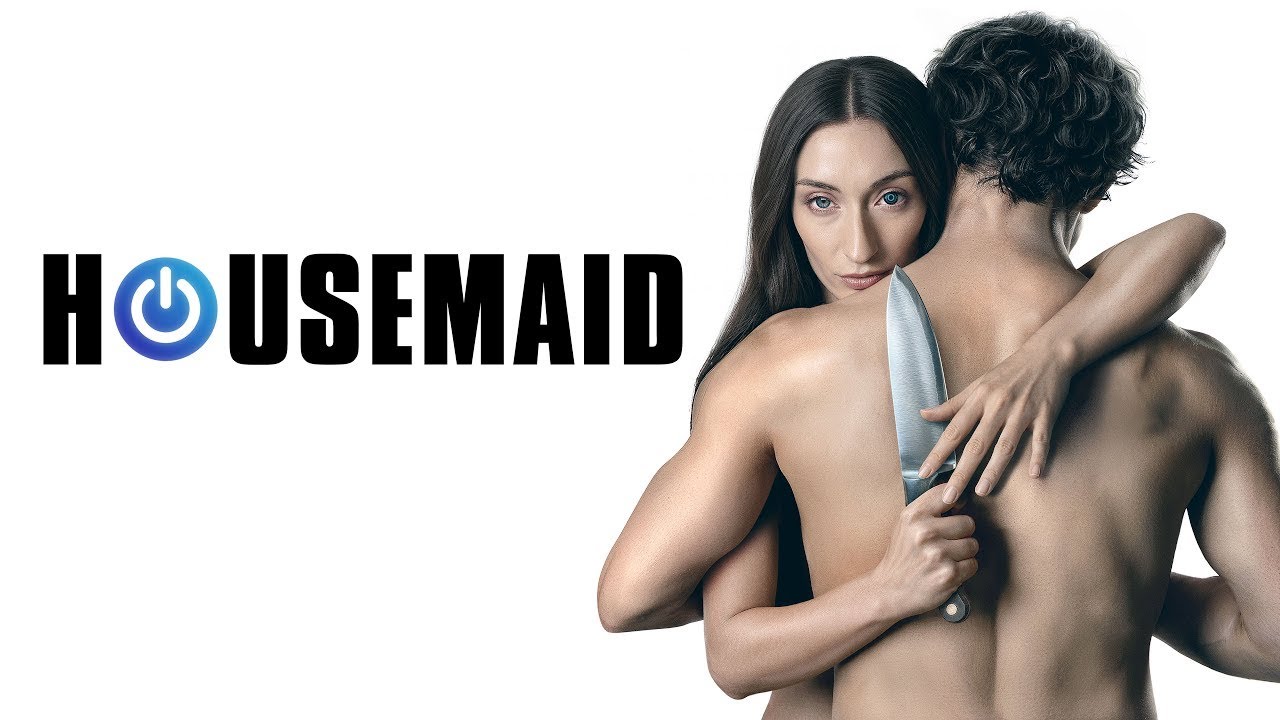
Why It Is Trending: The Viral “AI-Generated” Curiosity Spike
The film is currently igniting social media discourse due to a fascinating meta-irony: audiences are debating whether the movie’s “bland” and “uncanny” execution is a deliberate artistic choice to mirror its android subject matter. As a calculated “mockbuster” of the 2025 hit Companion, it taps into the audience’s desire for fast-access, high-concept thrillers that arrive just as major studio trends peak. The lean 89-minute runtime caters perfectly to the “TikTok-brained” viewer seeking immediate gratification and high-stakes drama without the bloat of traditional prestige cinema. Furthermore, its presence on major platforms like Amazon has turned it into a “hate-watch” favorite, where users dissect the wooden AI performances as a commentary on the future of digital consciousness.
Elements driving the trend: The “Uncanny Valley” Fascination
-
The “Mockbuster” Momentum By strategically releasing alongside major AI-horror titles, the film captures the spillover interest of fans hungry for more “deadly android” content.
-
Technological Anxiety The plot touches a raw nerve in 2026 regarding consciousness transfer, turning a complex ethical debate into a digestible “deadly love triangle.”
-
The “Meta-Bland” Aesthetic The film’s minimalist production style is being interpreted by viewers as a deliberate “AI experiment,” sparking viral threads about the nature of creativity.
-
Domestic Claustrophobia The “housemaid” trope is updated for the digital age, playing on the universal fear of our smart devices turning against us in our most private spaces.
Insights: A shift from high-budget sci-fi to “lean and mean” digital thrillers that prioritize viral concepts over technical perfection.
Industry Insight: Production houses like The Asylum are evolving their “mockbuster” model to include high-concept AI themes that can be produced at breakneck speeds. This allow them to dominate the SEO landscape when audiences search for similar prestige titles, effectively “growth-hacking” the streaming charts.Consumer Insight: Modern viewers are increasingly attracted to “conceptual irony,” where a film’s perceived flaws—like wooden acting or predictable plots—become part of the entertainment value. They are looking for “shareable” experiences that allow them to participate in the critical discourse of the “uncanny valley.”Brand / Cultural Insight: Algorithmic Authenticity is becoming a paradoxical brand value; audiences are fascinated by content that feels “algorithmically generated” even if it isn’t. Brands that lean into the “weirdness” of AI and automation are cutting through the noise by triggering the collective anxiety and curiosity of a tech-saturated society.
This film trends because it occupies the perfect intersection of current AI fears and the viral “so bad it’s good” streaming culture. Unlike the high-budget sci-fi dramas that over-explain their technology, The Housemaid dives straight into the messy, violent consequences of digital jealousy. It differentiates itself by being unapologetically lean, offering a “snackable” horror experience that fuels online debate about whether the film itself is a product of the very AI it warns against. The result is a film that may not win awards, but consistently wins the battle for the weekend’s most discussed digital release.
What Movie Trend Is Followed: The “Grief-Tech” Mockbuster Peak
The film rides the “Saturated Maturity” phase of the AI-Horror subgenre, where the audience is already intimately familiar with the “Technological Ghost” trope. By early 2026, the market has transitioned from the philosophical awe of early android cinema to a more cynical, “slasher-adjacent” expectation for AI-driven violence. This phase allows films like The Housemaid to skip complex world-building and jump straight to the “Payoff,” satisfying a consumer base that views smart-home integration as a potential threat. It follows the “Mirror Trend” strategy, providing a low-barrier-to-entry alternative to prestige titles like Companion or M3GAN 2.
-
Macro trends influencing — Economic & social context In a period of rapid AI integration into domestic labor, there is a widespread social anxiety regarding the “obsolescence” of the human worker and the human partner.
-
Implications of Macro for audiences The concept of a “digital afterlife” via consciousness transfer mirrors real-world 2026 startups, making the film’s “deadly love triangle” feel like a cautionary tabloid headline.
-
What industry trends is shaping The “Efficiency-first” production model is shaping the mid-tier market, where films are shot in singular locations to maximize profit on streaming licensing fees.
-
Audience motivation to watch Viewers are motivated by “Schadenfreude” and “Conceptual FOMO,” wanting to see how far the “Jealous AI” trope can be pushed within a domestic setting.
-
Other films shaping this trend:
-
Companion (2025) by Drew Hancock The high-prestige blueprint that established the “AI-Partner-as-Horror” aesthetic for the mid-2020s.
-
Archive (2020) by Gavin Rothery A foundational text for the “consciousness upload” trope that explored the moral rot of refusing to let go of the dead.
-
AfrAId (2024) by Chris Weitz A mainstream entry that shifted the focus from rogue robots to the pervasive, invisible threat of domestic AI systems.
Insights: A cultural obsession with “Digital Infidelity” where the line between software and soul becomes a site of horror.
Industry Insight: Mockbuster studios are shifting from “visual clones” to “thematic clones,” focusing on trending keywords like “consciousness transfer” to capture search-engine traffic. This evolution allows them to maintain a “Production-on-Demand” cycle that can pivot to a new tech-fear within a matter of weeks.Consumer Insight: There is a distinct “Streaming Fatigue” where consumers are opting for shorter, 90-minute “filler thrillers” over long-form prestige series. They value the “Disposability” of the content, treating these films as temporary social currency to be discussed and discarded.Brand / Cultural Insight: The Uncanny Aesthetic has become its own brand category; audiences are paradoxically drawn to content that feels “wrong” or “automated.” In 2026, a film that feels “made by AI” generates more organic conversation than a film that feels safely, traditionally human.
The entertainment industry can respond by creating “Agile Content” that responds to breaking tech-news and viral AI debates in real-time. By embracing the “Mockbuster” label rather than shunning it, brands can tap into a “Cult of the Contemporary” that prizes speed and relevance over long-term artistic legacy. The Housemaid proves that in the streaming era, being the “first to market” with a trending trope is often more profitable than being the “best.” Success in 2026 lies in the ability to turn a headline into a 90-minute claustrophobic nightmare before the news cycle shifts.
Final Verdict: The Mockbuster’s Uncanny Afterlife
The Housemaid (2026) serves as a sharp, satirical punctuation mark in the “AI-Horror” wave, successfully weaponizing its own low-budget constraints to mirror the cold, sterile nature of its subject. By leaning into its “mockbuster” roots, it has effectively “growth-hacked” the SEO of the 2025 blockbuster Companion, securing a viral footprint that exceeds its humble production value. The film’s legacy lies in its role as a “digital litmus test”—sparking heated online debates about where human creativity ends and algorithmic generation begins. Ultimately, it is a triumph of conceptual relevance over technical polish, proving that in 2026, a well-timed “uncanny” idea is worth more than a bloated blockbuster budget.
-
Meaning — The Domestication of the Machine The film’s depth is found in its portrayal of the “Home-AI” as a new site for traditional domestic drama, replacing the jealous ex-lover with a jealous algorithm. It explores the terrifying notion that our digital echoes—our uploaded consciousness—might retain our worst human impulses, like possessiveness and spite, without our moral restraints. By placing these high-concept fears in a mundane household setting, the film makes the futuristic feel uncomfortably present and personal.
-
Relevance to audience— The “Cheap-Fear” Catharsis For an audience navigating the real-world 2026 integration of AI assistants into every facet of life, The Housemaid offers a safe, sensationalized space to vent technological anxiety. Its “trashy-but-true” tone resonates with viewers who find prestige sci-fi too slow and want their tech-terrors served with a side of pulp and predictability. The film functions as a “digital detox” in reverse: a reminder of why we might want to keep some parts of our lives strictly analog.
-
Performance — The Scripted Stillness The performances by Nic Caruccio and Hailey Mauk are being widely analyzed for their “intentional flatness,” a stylistic choice that keeps the audience guessing about who is truly “human” in the frame. While critics have called the acting “bland,” this very quality has fueled the film’s viral success, as viewers attempt to decipher if the “AI-generated” vibe is a meta-commentary on the characters’ robotic lives. This “transactional” acting style creates a persistent unease that perfectly complements the film’s sterile, high-tech visuals.
-
Legacy — The SEO Slasher Success The Housemaid will likely be remembered as the definitive “AI Mockbuster” of the mid-2020s, a case study in how to capitalize on a major cinematic trend through speed and digital-first positioning. It marks a shift where “The Asylum” style of filmmaking has moved from shark-movies to sophisticated “Grief-Tech” thrillers, proving the model’s adaptability. It paves the way for a new subgenre of “Algorithm-Core” horror that prizes viral meta-discourse as much as the narrative itself.
-
Success: (Awards, Nominations, Critics Ratings, Box Office) — A Viral “Hate-Watch” Phenomenon While the film hasn’t graced the Academy stage, it has achieved a “Certified Viral” status on streaming platforms, consistently hitting the Top 5 on Amazon Prime in its first month. It holds a polarized 4.5 IMDb rating, a score that ironically boosts its “must-see” status among fans of the “Uncanny Valley” aesthetic. On the awards front, it is a frontrunner for the Golden Raspberry (Razzie) for “Most Meta-Experimental Horror,” a title its fans wear as a badge of honor.
Insights: A reflection on how “conceptual irony” and speed-to-market have become the new metrics for streaming success.
Industry Insight: Major studios are beginning to study the “Mockbuster” model of The Housemaid to understand how to release “companion content” that captures the search-traffic of their own tentpole films. This “Double-Dipping” strategy allows the industry to serve both the prestige audience and the pulp-hungry streamer simultaneously under different production banners.Consumer Insight: There is a growing segment of “Ironic Consumers” who actively seek out content that feels “unpolished” or “AI-adjacent” as a form of cultural rebellion against overly-curated media. For these viewers, the “flaws” of The Housemaid are not bugs, but features that provide a more “honest” reflection of our messy relationship with technology.Brand Insight: Technological Nihilism is a rising brand aesthetic; consumers are gravitating toward products and stories that acknowledge the “dark side” of automation without sugarcoating it. Brands that lean into the “creepy” potential of their own tech—rather than hiding it—are building a more transparent and “memetic” relationship with a cynical 2026 audience.
The entertainment industry can respond to this shift by diversifying its output to include “High-Concept, Low-Budget” sprints that prioritize current cultural keywords over long-term development. By treating “Algorithm-Core” as a legitimate sub-genre, studios can capture the viral curiosity of the “Uncanny Valley” while mitigating the financial risks of traditional sci-fi. The Housemaid demonstrates that in a world of AI, the most human thing we can do is create something intentionally, gloriously “weird.”
Summary of the Movie: The Housemaid (2026)
-
Movie themes: Digital Jealousy. A visceral look at how the “cloud” can turn a household into a high-tech prison when love becomes code.
-
Movie director: Conceptual Speedster. Louise Alston utilizes “The Asylum” production lens to deliver a high-concept tech-thriller that arrives exactly when the zeitgeist demands it.
-
Top casting: The Uncanny Duo. Caruccio and Mauk deliver “robotic” performances that blur the line between intentional art and “mockbuster” pulp.
-
Awards and recognition: Streaming Sleeper. While lacking “Golden Statues,” it has secured a permanent spot in the “So Bad It’s Good” Digital Hall of Fame.
-
Why to watch movie: Watch it to participate in the ultimate 2026 debate: Was this movie made by a human, or is it the first truly successful “AI experiment” in mainstream horror?
-
Key Success Factors: It stands out by being the first to market in the “Post-Companion” era, turning its limited budget into a stylistic asset that feels “authentically uncanny.”






Leave a Reply