
A quietly revealing character study of loneliness, privilege, and fleeting connection
A tourist searches for connection in unfamiliar spaces
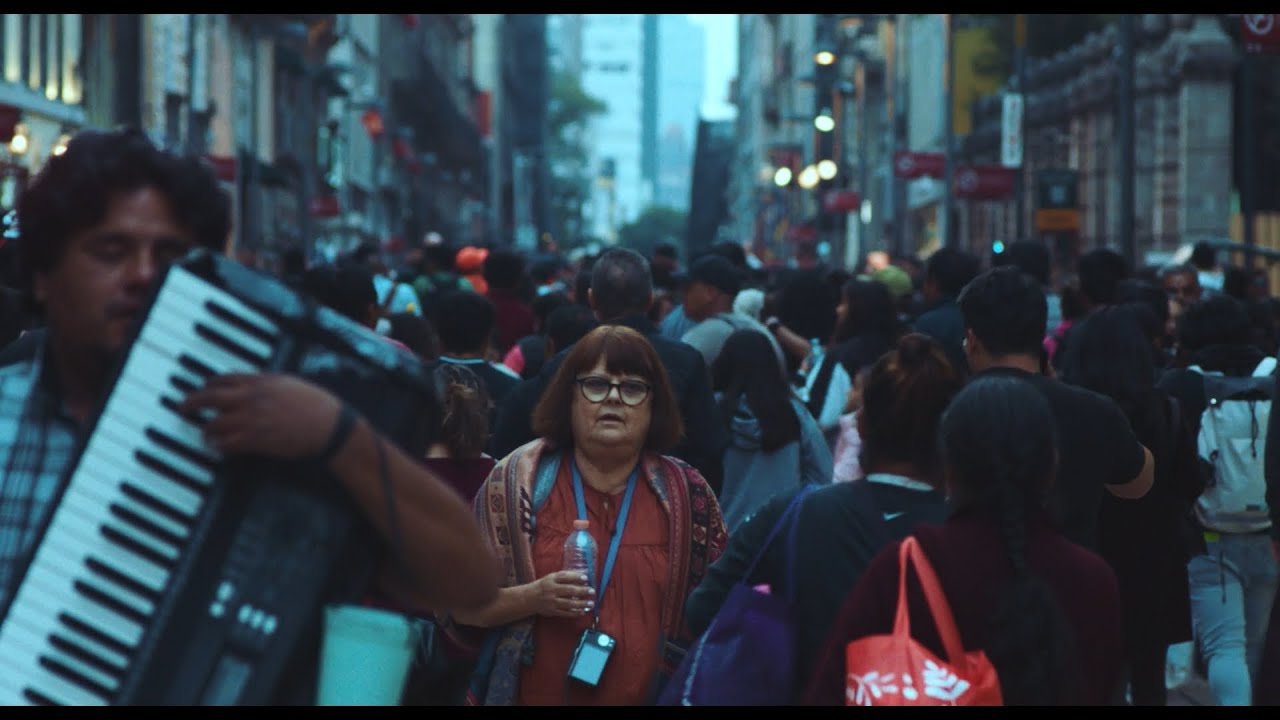
A middle-aged American woman finds herself alone in Mexico City, navigating both physical and emotional isolation. When she encounters a group of younger American travelers, she seizes the opportunity to escape her solitude and experience a sense of belonging.
The narrative unfolds through subtle interactions and observational moments, capturing the contrast between her internal loneliness and external attempts at connection. The emotional tension lies in her desire to fit into a world that is not built for her. Symbolically, the story reflects themes of aging, invisibility, and the illusion of control in unfamiliar cultural spaces.
Why It Is Trending: A character-driven short reflecting modern loneliness and identity displacement
Susana resonates in a cultural moment where themes of loneliness, aging, and identity are becoming more visible in cinema. The film taps into the growing interest in micro-narratives that explore deeply personal experiences within short runtimes.
Its presence in major festivals and strong awards performance positions it as a standout within the global short film circuit. The cross-cultural setting adds relevance, highlighting the dynamics between American tourists and local environments. Additionally, the rise of short-form storytelling as a respected format contributes to its visibility. The film appeals to audiences seeking emotionally grounded, realistic portrayals of human behavior.
Elements Driving the Trend: Minimalist storytelling anchored by performance and realism
The film’s core strength lies in its simplicity, using a brief runtime to deliver a focused emotional experience. Its narrative hook is rooted in relatability—loneliness and the search for connection are universally understood themes.
Bonnie Hellman’s performance acts as the central driver, offering a nuanced portrayal that carries the film’s emotional weight. The directors employ an observational style, allowing scenes to unfold naturally without forced exposition. Its accessibility as a short film enhances its reach within festival audiences and digital platforms.
Virality of Movie (Social Media Coverage): Performance-led engagement and relatability-driven sharing
Social traction around Susana is driven primarily by appreciation for its lead performance and emotional authenticity. Viewers share reactions centered on empathy and personal identification with the protagonist.
Rather than viral spectacle, the film generates quiet engagement through relatability and reflective discussion. Its short format makes it easily shareable and digestible across platforms.
Critics Reception: Strong appreciation for performance and subtle storytelling
Critics have highlighted the film’s restraint and character-driven approach, often praising its ability to convey depth within a short runtime. Outlets like IndieWire-style coverage typically emphasize its observational realism and emotional nuance.
The film’s tone has been described as melancholic yet subtly humorous, balancing introspection with moments of lightness. Bonnie Hellman’s performance is frequently cited as the standout element.
Awards and Recognitions: Major short film circuit success signaling strong industry validation
According to IMDb, Susana has achieved 5 wins and 2 nominations, marking it as a highly recognized short film. It won Best Live Action Short (over 15 minutes) at the Palm Springs International ShortFest, a major platform for short-form cinema.
At the Sundance Film Festival, it received a nomination for the Short Film Grand Jury Prize, one of the most prestigious recognitions in independent film. Additional wins include Jury Awards and acting honors, reinforcing both its artistic and performance credibility.
Director and Cast: Observational direction elevated by a deeply human central performance
Directors Gerardo Coello Escalante and Amandine Thomas adopt a naturalistic, observational style that prioritizes authenticity over dramatization. Their direction allows small moments to carry emotional significance.
Bonnie Hellman delivers a layered performance, capturing vulnerability, awkwardness, and quiet resilience. Supporting roles from Keenan Macwilliam and Richard Laite provide contrast, emphasizing generational and social differences. The performances collectively reinforce the film’s grounded tone.
The film trends because: Emotional realism meets short-form storytelling efficiency
-
Loneliness narratives resonate with modern audiences navigating isolation and identity
-
Short-form cinema is gaining legitimacy through festival recognition and digital distribution
-
Performance-driven storytelling aligns with audience demand for authenticity
The industry is increasingly investing in short films as both artistic platforms and talent showcases.
Conclusion: A subtle yet impactful exploration of human connection in fleeting moments
Susana succeeds through its quiet, character-driven approach and emotional authenticity. Its narrative strength lies in its ability to say more with less, using minimalism as a storytelling tool.
Culturally, it reflects contemporary themes of loneliness and displacement. From an industry perspective, it reinforces the growing importance of short films within the cinematic ecosystem. Ultimately, it stands as a poignant reminder of how small stories can carry significant emotional weight.
What Movie Trend Is Followed: The rise of intimate short-form character studies centered on loneliness and self-discovery
Susana follows the growing trend of intimate short-form character studies, where films focus on small, personal moments rather than large-scale narratives. This trend emphasizes emotional realism, often exploring themes like loneliness, aging, and identity through subtle, observational storytelling.
Emotionally, these films create connection through relatability rather than plot complexity. They are highly accessible in format but deeply nuanced in meaning, appealing to audiences who value authenticity. The trend resonates because it reflects real-life experiences—quiet, unresolved, and often fleeting rather than dramatic or conclusive.
Trend Drivers: The shift toward realism and emotionally grounded storytelling
The trend is driven by audience fatigue with overly structured, high-concept narratives and a growing preference for realism. Viewers are increasingly drawn to stories that feel authentic and emotionally honest, even if they are minimal in scope.
From an industry perspective, short-form storytelling allows filmmakers to experiment with character-driven narratives at lower cost and risk. Festivals actively promote these films, creating a strong ecosystem that rewards subtlety and performance. This makes the trend both creatively and economically sustainable.
What Is Influencing Trend: Loneliness, aging, and identity in modern social structures
Modern social environments, particularly in urban and globalized contexts, have intensified feelings of isolation and disconnection. Films like Susana reflect these emotional realities through personal, character-focused storytelling.
Generational shifts also play a role, with increased awareness around aging, independence, and self-perception. Emotionally, audiences connect with narratives that explore vulnerability without dramatization, making these films feel honest and immediate.
Macro Trends Influencing: The elevation of short films within the global cinema ecosystem
The film industry is increasingly recognizing short films as a legitimate and influential format rather than just a stepping stone. Major festivals like Sundance Film Festival and Palm Springs International ShortFest are elevating short-form storytelling to global visibility.
Culturally, there is a shift toward valuing depth over duration, where shorter content can still deliver significant impact. Lifestyle changes, including shorter attention spans and digital consumption habits, further support this format.
Consumer Trends Influencing: Preference for quick, meaningful, and emotionally resonant content
Audiences are increasingly consuming content in shorter formats while still expecting emotional depth and narrative quality. Short films satisfy this demand by delivering impactful stories in a condensed timeframe.
Viewer expectations now include authenticity, relatability, and emotional immediacy. Engagement often extends beyond viewing, with audiences reflecting on the experience and sharing interpretations, particularly for character-driven stories like Susana.
Audience Analysis: Emotionally aware, culturally engaged viewers seeking realism
The primary audience falls within the 25–50 age range, including both younger viewers and middle-aged audiences who relate directly to the protagonist’s life stage. These viewers are typically educated, culturally curious, and engaged with independent cinema.
Lifestyle-wise, they are urban, globally aware, and frequent consumers of festival films and curated platforms. Behaviorally, they prefer reflective, slower-paced content that emphasizes character over action. Their viewing habits include short films, indie dramas, and international cinema.
They value authenticity, subtlety, and emotional truth, often gravitating toward stories that mirror real-life experiences. Their preferences lean toward content that invites empathy rather than spectacle.
Conclusion: A growing and sustainable trend driven by authenticity and accessibility
This trend works because it aligns with both emotional and practical audience needs—authentic storytelling delivered in a concise format. Its scalability is strong due to low production costs and high festival demand.
Sustainability is reinforced by digital platforms and increasing recognition of short films as a serious medium. The industry continues to support this space as a testing ground for new voices and storytelling styles. As audience preferences evolve, this trend is expected to expand further.
Final Verdict: A quietly powerful character study that transforms simplicity into emotional depth
Susana stands as a refined example of how minimal storytelling can deliver maximum emotional impact. Culturally, it reflects a growing recognition of everyday loneliness and the subtle complexities of human connection.
From an industry perspective, the film reinforces the strength of short-form cinema as a platform for meaningful storytelling and talent visibility. It resonates with identity-driven audiences who seek authenticity over spectacle. In the long term, it contributes to the continued legitimization of short films as culturally significant works.
Audience Relevance: Deep emotional connection through relatability and vulnerability
The film resonates strongly with viewers who have experienced moments of isolation, especially in unfamiliar environments. Its portrayal of a middle-aged woman navigating social spaces adds a layer of relatability often underrepresented in cinema.
At the same time, it connects across age groups by tapping into universal emotions like belonging and self-awareness. This broad emotional accessibility strengthens its impact.
What Is the Message of Movie: The quiet reality of loneliness and the search for belonging
At its core, Susana explores the human need for connection and the discomfort of feeling out of place. The protagonist’s journey highlights how people attempt to bridge emotional gaps, even in fleeting and imperfect ways.
The film suggests that connection is often temporary and situational rather than lasting. It leaves viewers reflecting on how identity and belonging are shaped by environment and perception.
Relevance to Audience: A mirror to modern social disconnection and self-awareness
In an increasingly global and mobile world, the experience of being physically present but emotionally disconnected is common. Susana captures this dynamic with subtle precision.
The film resonates with audiences who have navigated unfamiliar cultural or social spaces. It feels immediate and personal, reflecting real-life emotional experiences.
Social Relevance: Commentary on cultural perception, privilege, and outsider identity
The film subtly examines how cultural and social dynamics influence personal experiences, particularly for outsiders. It reflects the nuanced interactions between tourists and local environments without overt commentary.
Socially, it highlights how privilege and perception shape interactions and self-awareness. This layered perspective adds depth to an otherwise simple narrative.
Performance: Strong festival performance and critical appreciation over mainstream reach
Susana holds an IMDb rating of 6.0, indicating modest but positive audience reception. Its performance is primarily defined by its strong presence in the festival circuit rather than commercial metrics.
The film has achieved 5 wins and 2 nominations, including major festival awards and acting recognition for Bonnie Hellman. Its reception leans toward critical appreciation and industry recognition, positioning it firmly within the indie short film space.
Legacy: A meaningful contribution to modern short-form storytelling
While not designed for mainstream longevity, Susana contributes to the growing importance of short films as vehicles for impactful storytelling. It reinforces the idea that narrative depth does not require long runtimes.
Its legacy lies in its ability to influence both audiences and emerging filmmakers. It stands as a reference point for performance-driven, minimalist cinema.
Success: Defined by festival acclaim and performance recognition rather than scale
The film’s success is anchored in its recognition at major festivals such as Palm Springs International ShortFest and Sundance Film Festival. These achievements validate its artistic quality and industry relevance.
Critically, it has been recognized for its emotional subtlety and strong central performance. Its success is measured through cultural impact and recognition rather than box office performance.
Insights: A film that turns small moments into meaningful reflection
Insights: Susana demonstrates how minimal storytelling can create deep emotional resonance by focusing on relatable, everyday experiences. Industry Insight: The film reinforces the growing importance of short-form cinema as a credible and influential storytelling format within the global film ecosystem. It highlights how festivals are shaping the visibility and success of such films. It also shows that performance-driven narratives can thrive without large-scale production. Audience Insight: Viewers are increasingly seeking content that reflects real-life emotions and situations rather than exaggerated narratives. This indicates a shift toward authenticity and relatability as primary engagement drivers. It also suggests that audiences are more open to slower, introspective storytelling. Social Insight: The film mirrors a society where loneliness and disconnection are common yet often unspoken experiences. It captures the subtle ways people navigate social environments and seek belonging. This makes the narrative feel both personal and universal. Cultural Insight: Susana reflects a cultural movement toward valuing small, human stories that explore identity and perception. It positions cinema as a medium for quiet reflection rather than dramatic resolution. Ultimately, it reinforces the power of subtle storytelling in shaping cultural conversations.
Conclusion: A subtle yet lasting reflection on connection in a transient world
Susana may be brief in runtime, but its emotional and cultural impact is significant. It represents a shift toward storytelling that values nuance, realism, and introspection.
From a market perspective, it highlights the continued growth of short-form cinema within festivals and curated platforms. The film underscores the importance of performance and authenticity in engaging modern audiences. Ultimately, it stands as a testament to the power of small stories in capturing universal human experiences.
Summary of the Movie: A subtle portrait of loneliness, privilege, and fleeting belonging in an unfamiliar world
-
Movie themes: Loneliness, identity, and cultural displacement A reflective exploration of how isolation and self-perception shape human behavior in unfamiliar environments.
-
Movie director: Gerardo Coello Escalante & Amandine Thomas’ observational and minimalist storytelling approach The directors employ a naturalistic style that prioritizes realism and subtle emotional shifts, focusing on character over plot while grounding the narrative in everyday interactions.
-
Top casting: Bonnie Hellman delivers a nuanced and emotionally grounded performance Bonnie Hellman anchors the film with a performance that captures vulnerability and quiet resilience, supported by Keenan Macwilliam and Richard Laite, who highlight generational and social contrasts.
-
Awards and recognition: 5 wins & 2 nominations with strong festival acclaim Includes Best Live Action Short (over 15 minutes), Palm Springs International ShortFest, Jury Award (Best Narrative Short), Provincetown International Film Festival, and a Short Film Grand Jury Prize nomination, Sundance Film Festival, establishing strong industry credibility.
-
Why to watch movie: A relatable and emotionally honest short-form experience Ideal for viewers who appreciate subtle storytelling, character-driven narratives, and introspective themes.
-
Key Success Factors: Strong alignment with performance-driven short film trends The film succeeds through its emotional authenticity, minimalist execution, and recognition within major festival circuits.
-
Where to watch: Festival circuit release with potential curated platform distribution Released January 23, 2025 (United States), with expected availability on curated platforms such as MUBI.
Conclusion: A brief yet emotionally resonant story that lingers through its simplicity
Susana is defined by its quiet storytelling and its ability to capture complex emotions within a short runtime. The film leaves viewers reflecting on themes of belonging, identity, and human connection. Its strength lies in its subtlety, allowing meaning to emerge through observation rather than exposition. As a viewing experience, it offers depth without excess, making it both accessible and impactful. Ultimately, it stands as a strong example of how short films can deliver lasting emotional and cultural significance.






Leave a Reply