
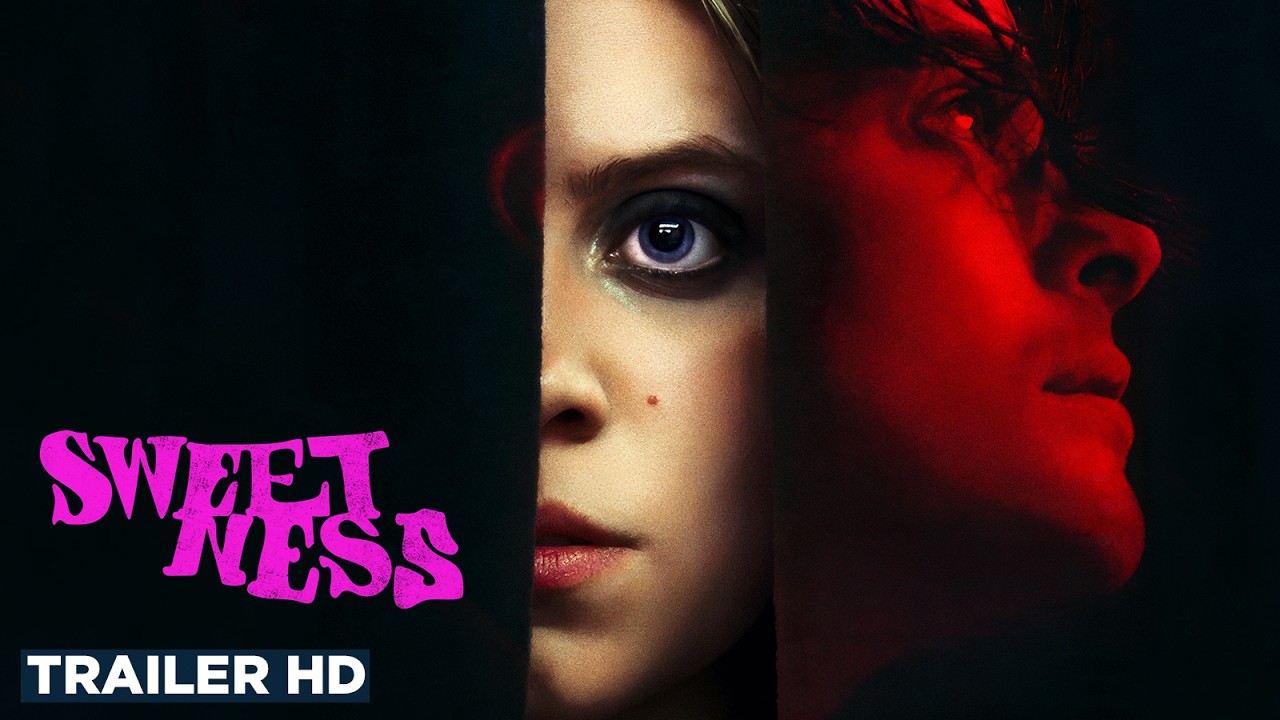
The Canadian Psychological Thriller Where a 16-Year-Old Fan Kidnaps Her Rockstar Crush to Help Him Get Sober — and Discovers That Not Everyone Wants to Be Saved
Rylee is 16, bullied at school, grieving her mother, and raised by a cop father who has no idea how to connect with his daughter. Her only solace is Floorplan — specifically Payton Adler, the band’s troubled lead singer. A post-concert chance encounter reveals that Payton is a dysfunctional drug addict. Rylee decides to help him. She and her best friend Sidney lock him up and force him through detox. He refuses to get better. Alarming events follow. Murders occur. The ending offers no consolation. Written and directed by Emma Higgins, a Canadian filmmaker who spent years directing music videos for Ingrid Andress, Mother Mother, and Tegan and Sara before writing this script over a decade. Shot in 18 days in North Bay, Ontario. All-Canadian cast and crew. SXSW world premiere. Fantasia Canadian premiere July 18, 2025. US digital release February 13, 2026.
Why It Is Trending: A SXSW-to-Fantasia Canadian Debut That Higgins Introduced as Being “For the Girls Who Shop at Hot Topic, the Emos, the Horror Fans, and the Canadians”
Higgins’s Fantasia introduction — “for girls who shop at Hot Topic, wear too much eyeliner, coloured hair, people on SSRIs, the emos, for Gerard Way of My Chemical Romance — it’s for anyone who has ever loved a musician or had a broken heart or felt unrequited love. It’s for the horror fans and it’s for Canadians” — is one of 2025’s most precisely self-describing directorial statements, and generated immediate discovery traction among the audience it named. The Fantasia crowd responded with hooting and hollering at the film’s twists. Fantasy Filmfest nominated Higgins for the Fresh Blood Award. The CMPA IndieScreen Awards nominated producer Daniel Quinn for Kevin Tierney Emerging Producer Award. Multiple Fantasia reviewers called it an unexpected hit and one of their festival favourites.
Elements Driving the Trend: The Misery Formula Updated for Stan Culture, Hallett’s Star-Making Performance, and Higgins’s Music Video Roots
-
The Misery formula — fan imprisons idol — updated to 2025 stan culture, social media parasocial relationships, and the specific psychology of a teenage girl who mistakes fantasy for purpose: gives the film its most commercially precise genre positioning.
-
Kate Hallett — known from a small role in Sarah Polley’s Women Talking — carries the film as Rylee in what Film Festival Today called “a star-making performance, if there ever was one”; the consensus across all Fantasia coverage.
-
Higgins’s music video background — Ingrid Andress, Mother Mother, Tegan and Sara — gives the film its most formally specific formal asset: a director who understands the aesthetics of celebrity worship from inside the industry.
-
The original score by Blitz//Berlin with songs performed by Herman Tømmeraas as Payton gives the film’s fictional band Floorplan a musical authenticity that fictional rock premises usually lack.
Virality: Higgins’s Fantasia Introduction and the Fantasia Crowd’s Divided Response
-
Higgins’s Hot Topic-emo-SSRIs-Canadians introduction became the film’s most quoted discovery asset — a directorial statement that functions as both marketing copy and audience filter simultaneously.
-
The Fantasia audience’s divided response — roughly 20% laughing throughout, the rest watching in tense silence — generated its own post-screening discourse, with one reviewer describing the experience of sitting with the laughers as “kind of frightening, though apt given the plot.”
Critics Reception: Enthusiastic Genre Reception at Fantasia — Divided on Depth and Predictability
-
Film Festival Today — star-making performance from Hallett; pitch-perfect recreation of teenage girl experience; authentic dialogue; emotional registers never too high; Rylee is a psychopath we can relate to.
-
Screen Love Affair — psychological thriller gem; excellent handle on tone and style; great performances; the film takes Rylee seriously, which makes the audience take her seriously; Fantasia crowd eating it up.
-
Cinema Crazed — bold, suspenseful debut; grief curdles into delusion; no heroes; chilling yet well-crafted performance; cinematography mirrors Rylee’s detachment; no consolation ending.
-
Blogging Banshee — compelling; entertaining; addresses mental health issues with empathy; characters wonderfully complex; music stands apart from the popstar horror crowd.
-
Letterboxd — “Gen-Alpha Misery, except Annie Wilkes is a 4’11 teenage Goth”; familiar formula past the first act; interesting character but little new identity; drowning in movie references.
-
PopHorror — Tømmeraas breakout; Chatwin grounded and warm; tension builds but doesn’t always reach the explosive payoff it promises; occasionally holds back. IMDb 5.5 from 486 viewers.
Awards and Recognitions: 2 Nominations — Fantasy Filmfest Fresh Blood Award, CMPA IndieScreen Emerging Producer
-
Fantasy Filmfest 2025: Fresh Blood Award nominee — Emma Higgins.
-
CMPA IndieScreen Awards 2025: Kevin Tierney Emerging Producer Award nominee — Daniel Quinn.
-
SXSW 2025 world premiere. Fantasia Canadian premiere July 18, 2025. US digital release February 13, 2026.
Director and Cast: A Canadian Music Video Director Who Spent a Decade Writing Her Feature Debut — Finally Arriving at Exactly the Right Cultural Moment
-
Emma Higgins — Canadian, music video director (Ingrid Andress, Mother Mother, Tegan and Sara), The Northwoods — wrote the first draft of Sweetness ten years before it was made, picking it up every year until grant funding and producers made it possible. Her industry proximity to the music world gives the film its most formally credible element.
-
Kate Hallett (Rylee) — the film’s undisputed consensus discovery; every major review cited her as the reason to see the film; carries a character who is simultaneously sympathetic, delusional, and psychopathic.
-
Herman Tømmeraas (Payton) — Norwegian actor, consistent positive notices — gives Payton the vulnerable charisma that makes Rylee’s obsession legible and gives the film its most necessary emotional credibility.
-
Justin Chatwin (Ron, the father) — Shameless — described by PopHorror as offering “one of the film’s more emotionally authentic performances” and grounded warmth that anchors the family dynamic.
-
Aya Furukawa (Sidney) and Amanda Brugel (Marnie) provide the film’s supporting emotional architecture.
Conclusion: A Canadian Genre Debut That Arrived at Exactly the Right Cultural Moment — Hallett the Unanimous Discovery and Higgins the Filmmaker to Watch
The SXSW world premiere and Fantasia Canadian premiere give the film genre community validation at both American and Canadian levels. The decade-long development confirms that Higgins made the film she intended to make rather than the one circumstance permitted. Hallett is the film’s most commercially durable asset and its most reliable word-of-mouth driver.
What Movie Trend Is Followed: The Popstar Horror Thriller Gets Its Most Emotionally Honest and Most Stan-Culture-Specific Canadian Entry
Sweetness belongs to the 2025 popstar horror surge — Trap, Smile 2, Lurker — but distinguishes itself through its protagonist’s perspective: this is not about the star’s danger to the fan, but the fan’s danger to the star, motivated by grief and delusion rather than malice. The Misery formula updated for social media parasocial relationships, stan culture, and the specific psychology of a teenage girl who has never processed her mother’s death — Higgins’s contribution is the empathy register that the genre usually withholds from its obsessive protagonists.
Trend Drivers: The Contained Psychological Thriller, Grief as the Origin of Obsession, and the 90s-2000s Grunge Aesthetic
-
The Misery formula — contained space, captor and captive, power inversion — is the film’s genre scaffold, but Higgins’s formal investment is in the captor’s interiority rather than the conventional captive’s escape arc.
-
Grief as the buried origin of Rylee’s obsession — her mother killed by a drunk driver, Payton’s music as the one connection that reached her — gives the stan culture premise its most formally serious psychological grounding.
-
The 90s-2000s grunge aesthetic — production design, hair, makeup, wardrobe, the pop-punk musical register — gives the film a specific visual identity that both dates the cultural reference point and appeals precisely to the Hot Topic-emo audience Higgins named at Fantasia.
-
The North Bay, Ontario setting gives the film a Canadian small-town specificity that distinguishes it from the Los Angeles-adjacent fictional worlds most popstar horror inhabits.
What Is Influencing Trend: The 2025 Popstar Horror Surge and Canadian Genre Cinema’s Momentum
-
Trap, Smile 2, and Lurker positioned 2025 as the year of musician-adjacent horror — Sweetness arrives in that context as the most intimate and most empathetic entry.
-
Fantasia International Film Festival’s role as the primary discovery platform for Canadian and international genre debuts gives the film the community infrastructure that a 18-day-shoot, North Bay production requires to find its audience.
-
SXSW’s genre-adjacent programming gives the film a US institutional launch that Canadian productions rarely access without a major US co-producer.
Macro Trends Influencing: Stan Culture Pathology, Parasocial Relationships, and the Celebrity Worship Economy
-
The parasocial relationship between fans and musicians — intensified by social media, amplified by fan community culture, and identified by psychologists as a significant mental health dynamic — is one of 2024-2026’s most culturally urgent and least cinematically addressed subjects.
-
The teenage girl’s internal world as a serious subject for genre cinema — rather than a comic or dismissible premise — is the film’s most culturally specific formal argument, and the one that the Fantasia response confirmed most directly.
-
The popstar as a figure of genuine danger to themselves — the drug addiction, the refusal to get better — gives the film its most formally interesting ethical complication: what if the person you’re obsessed with doesn’t want your help?
Consumer Trends Influencing: Fantasia Genre Community and the Emo-Adjacent Pop Culture Audience
-
The emo-pop punk cultural community — the audience Higgins named at Fantasia — is one of the internet’s most active discovery communities; the Hot Topic demographic has been a genre film discovery engine since the early 2000s.
-
The film’s 18-day shoot and all-Canadian production give it a micro-budget credentials story that independent cinema audiences respond to as both inspiration and quality signal.
-
Kate Hallett’s Women Talking association gives the film a discovery pathway through audiences who follow Sarah Polley’s cultural orbit.
Audience Analysis: Genre Festival Audiences, Canadian Horror Communities, and the Emo-Pop Punk Stan Culture Intersection
The core audience is 17–38 — Fantasia-adjacent genre film audiences who respond to the contained psychological thriller, Canadian horror film communities who prioritise local production, and the emo-pop punk cultural community that Higgins named directly in her introduction. The Misery comparison functions as the film’s most reliable cross-demographic discovery shorthand. Hallett is the primary word-of-mouth driver.
Conclusion: A Canadian Genre Debut That Found Its Exact Audience at Fantasia — and a Director Who Spent a Decade Getting the Film Right
Sweetness earns its Fantasia discovery through tone, performance, and the specific cultural community Higgins built the film for. The SXSW premiere gave it institutional US validation. The Fantasia crowd’s divided response — laughter and silence simultaneously — is the most accurate available description of what the film achieves.
Final Verdict: A Tonally Precise Canadian Psychological Thriller That Earns Its Genre Comparisons Through Emotional Honesty — and Introduces Kate Hallett as One of the Most Compelling Young Performances in Recent Canadian Cinema
Higgins delivers a debut of genuine tonal confidence — the balance of dark humour, teenage authenticity, and psychological horror is consistently cited as the film’s most formally distinctive quality. The 18-day shoot is invisible in the final cut. The emo-grunge aesthetic is earned rather than decorative. The divided Fantasia audience response is the most precise available measure of the film’s tonal ambition. Hallett makes Rylee both a villain and the person we most understand — the film’s central achievement and its most commercially reliable asset.
Audience Relevance: For Genre Audiences Who Want Their Psychological Thriller to Come With Genuine Empathy for Its Protagonist
Works best for Fantasia-adjacent genre audiences who respond to the Misery formula updated for stan culture, viewers who appreciate a film that takes teenage girl interiority seriously as subject matter, and the pop-punk community Higgins named. Less suited for viewers who need either clear moral positioning or explosive payoff.
What Is the Message of Movie: Not Everyone Wants to Be Saved — and the Most Dangerous Thing You Can Do Is Decide Someone Needs Saving Without Asking
The film’s most precise thematic statement — “the moral of this story is not everyone wants to be saved” — is also the most direct available critique of parasocial devotion: the assumption that your love for someone gives you the right to intervene in their life. Rylee’s grief is real. Her intentions are genuine. The damage she does is catastrophic. All three are simultaneously true.
Relevance to Audience: A Film That Gives the Teenage Fan Her Most Unsparing and Most Empathetic Cinematic Portrait
The teenage girl who is bullied, grieving, and obsessively devoted to a musician is one of pop culture’s most mocked archetypes — Sweetness is the first film to take her seriously as both a subject and a protagonist without either sentimentalising or condemning her. That is the film’s most significant formal contribution and its most culturally specific argument.
Social Relevance: Stan Culture’s Parasocial Pathology Gets Its Most Formally Precise Canadian Cinematic Treatment
The parasocial relationship — the emotional bond between fan and celebrity that social media has intensified to pathological levels — is one of contemporary culture’s most urgent and least cinematically examined mental health dynamics. Sweetness addresses it through the most extreme available scenario: what happens when the parasocial becomes physical.
Performance: Hallett Is the Film’s Architecture — Tømmeraas Its Most Necessary Emotional Credibility
Hallett’s Rylee — sympathetic, delusional, psychopathic, and genuinely understood by the film — is the unanimous consensus across every review. Tømmeraas gives Payton the charisma that makes the obsession legible and the vulnerability that makes his refusal to get better more tragic than contemptible. Chatwin’s grounded warmth anchors the domestic world that explains how Rylee got here.
Legacy: The Decade-Long Development That Finally Arrived at the Right Cultural Moment — and Introduced Hallett to Canadian Cinema
Sweetness will be remembered as the film that announced Kate Hallett as a major young Canadian screen presence and Emma Higgins as a genre filmmaker with genuine tonal intelligence and cultural specificity. The decade between first draft and Fantasia premiere is the film’s most revealing production fact.
Success: 2 Nominations — Fantasy Filmfest Fresh Blood Award, CMPA IndieScreen Emerging Producer
-
Fantasy Filmfest 2025 Fresh Blood Award nominee (Higgins). CMPA IndieScreen Kevin Tierney Emerging Producer Award nominee (Quinn).
-
SXSW 2025 world premiere. Fantasia Canadian premiere July 18, 2025. US digital release February 13, 2026.
The Fantasia reception confirmed the genre community’s verdict. The SXSW premiere gave it US institutional standing. Hallett confirmed the performance that makes both worthwhile.
Sweetness proves that the most disturbing thing about stan culture is not the fan’s obsession — it’s that, when you finally meet the person you love, their refusal to be saved feels like the betrayal.
Insights: A tonally precise Canadian psychological thriller debut that earns its Misery comparison through genuine emotional investment in its protagonist’s interiority — the emo-pop punk aesthetic, Hallett’s star-making performance, and Higgins’s music industry authority give the stan culture premise its most formally credible and most culturally specific cinematic treatment. Industry Insight: The SXSW-to-Fantasia pipeline gives micro-budget Canadian genre films their most reliable institutional validation pathway — and Higgins’s decade-long development of the script confirms that the film’s tonal precision is the product of sustained creative investment rather than genre formula. Audience Insight: Hallett is the film’s most commercially essential discovery asset — every major review described her performance first and used superlatives that function as audience permission slips; the Women Talking association gives her a prestige cinema discovery pathway that crosses the genre audience’s boundaries. Social Relevance Insight: A film that takes the parasocial relationship’s pathological potential seriously — through the most extreme scenario available — is addressing one of contemporary mental health’s most urgent and least cinematically examined subjects; the teenage girl’s stan devotion is neither mocked nor romanticised, which is the film’s most culturally significant formal decision. Cultural Insight: Higgins’s Fantasia introduction — naming every subculture the film was made for — is one of 2025’s most precisely self-describing directorial statements and the most efficient available marketing document for a genre debut; it functions as both audience identification and quality signal for every community it named.
Conclusion: A Debut That Found Its Audience in 18 Days of Filming and a Decade of Waiting — and Introduced the Year’s Most Compelling Young Canadian Performance
The Fantasia crowd confirmed the community. Hallett confirmed the performance. The decade of waiting confirmed the director knew exactly what she was making. The ending offers no consolation — which is, of course, the whole point.
Summary: One Fan, One Rockstar, One Locked Room, and the Worst Possible Version of Getting What You Wished For
-
Movie themes: Parasocial devotion as pathology, grief weaponised into obsession, the assumption that love gives you the right to intervene in someone else’s life, the specific interiority of a teenage girl the world has dismissed, the pop-punk cultural world as the terrain of genuine emotional seriousness, and the argument that not everyone wants to be saved.
-
Movie director: Emma Higgins — Canadian, music video director (Mother Mother, Tegan and Sara, Ingrid Andress) — spent a decade developing this script before 18 days of filming in North Bay, Ontario produced it. Her music industry proximity gives the film’s celebrity world its most formally credible foundation.
-
Top casting: Hallett’s Rylee is the unanimous genre community discovery of the Fantasia 2025 circuit — sympathetic, delusional, psychopathic, and taken seriously by the film. Tømmeraas gives Payton the charisma that makes the obsession legible. Chatwin grounds the domestic world.
-
Awards and recognition: Fantasy Filmfest 2025 Fresh Blood Award nominee. CMPA IndieScreen Kevin Tierney Emerging Producer Award nominee. SXSW 2025 world premiere. Fantasia Canadian premiere July 18, 2025. US digital February 13, 2026.
-
Why to watch: The Canadian stan culture psychological thriller that takes teenage girl interiority seriously as horror subject matter — Misery updated for 2025 parasocial relationships, emo-grunge aesthetics, and Kate Hallett’s star-making performance.
-
Key success factors: Hallett’s unanimous breakout performance plus Higgins’s music industry authenticity plus the 90s-2000s grunge aesthetic precision plus the Misery-stan culture formula update plus the SXSW-Fantasia institutional validation plus the emo-pop punk community’s passionate genre discovery culture.
-
Where to watch: US digital from February 13, 2026. Festival circuit ongoing.
Conclusion: Ten Years, 18 Days of Filming, One Fantasia Crowd, and the Star-Making Performance That Made the Wait Worthwhile
The emos showed up. The Hot Topic girls showed up. Kate Hallett showed up. Emma Higgins finally got to make her film. Not everyone wanted to be saved — but everyone at Fantasia was glad the film existed.






Leave a Reply