
“Godzilla Minus Zero” may not be as good as its immediate predecessor, but Takashi Yamazaki brings some truly spectacular kaiju action to the big screen in his “Godzilla Minus One” sequel. The film has a sense of scope and scale that we haven’t really seen in the 70-year-old franchise, with impeccable VFX that capture the sheer destruction of the giant monsters that battle it out in the movie. Yamazaki also captures the true horrors of what a kaiju attack would look like, putting the film’s R-rating to good use with some gruesome imagery.
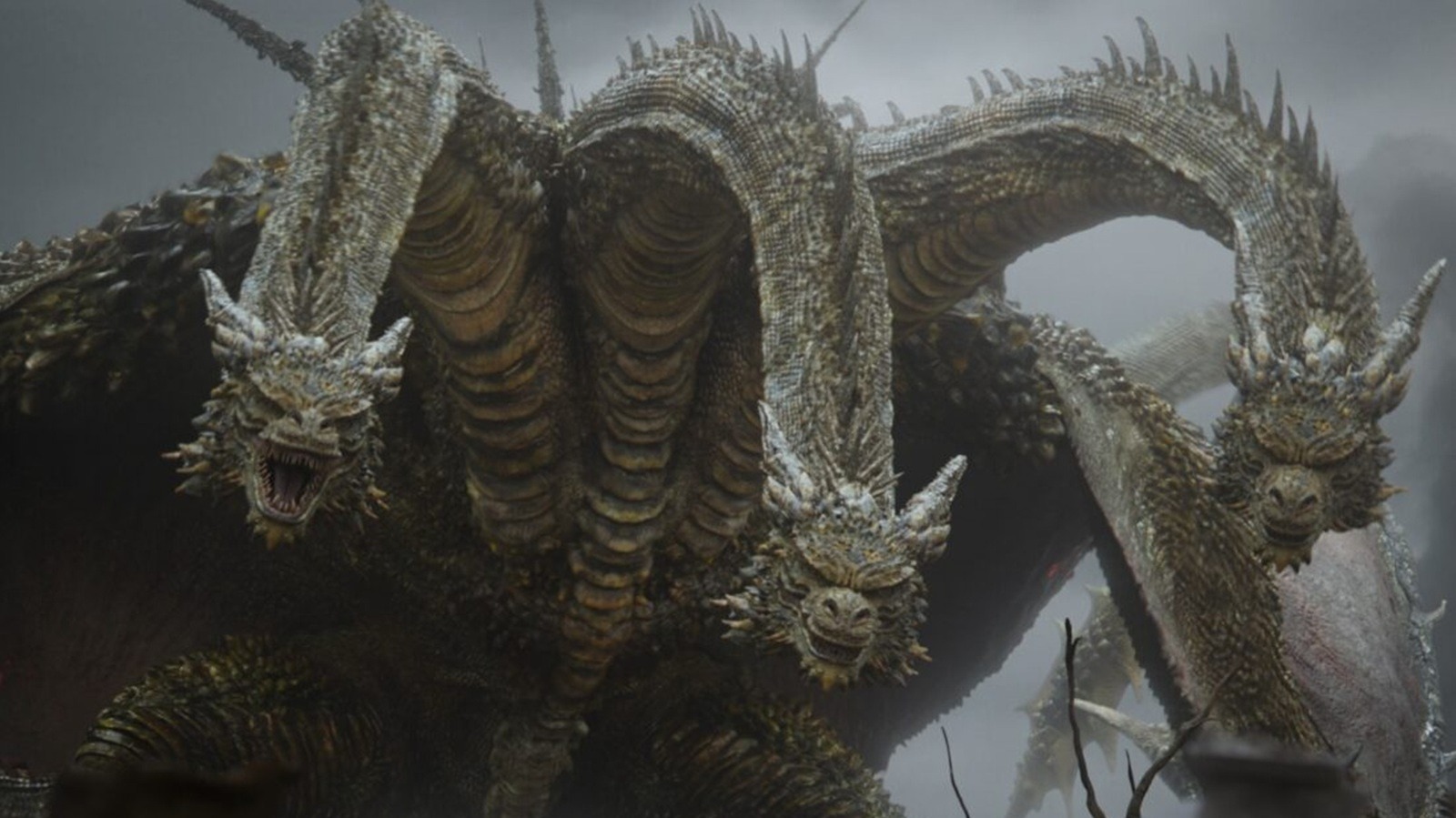
The highlight of the movie is, surprisingly enough, not Godzilla. Instead, it’s the golden, armless dragon with three heads and two tails known as Ghidorah. “Godzilla Minus Zero” retains Ghidorah’s alien origin while reimagining him as a translucent blob that absorbs creatures and adopts their traits, allowing him to evolve into a three-headed dragon that shoots lightning and can make things float.
Though Ghidorah’s design unfortunately leaked before the film’s release, he still looks absolutely perfect. More so, the character brings some silliness to Yamazaki’s take on the Godzilla universe, as the inclusion of aliens means future sequels can now bring in anything from Mechagodzilla to even Gigan. And yet, Ghidorah remains scary and awe-inspiring. It’s easy to see why he’s been Godzilla’s main archenemy for decades and is the one kaiju that, at least in the eyes of the public, presents a real threat to the king of the monsters.
Unfortunately, despite him showing up in over a dozen movies, most of Ghidorah’s film appearances aren’t that great. Luckily, the best Ghidorah movie, by far, is currently streaming on HBO Max — namely, the king of terror’s debut in the appropriately titled 1964 film “Ghidorah, the Three-Headed Monster.”
Ghidorah’s debut strikes the right balance of horror and camp
“Ghidorah, the Three-Headed Monster” was released back in 1964 as the fifth film in the Godzilla franchise, bringing together Godzilla, Mothra, and Rodan, who must all team up to take down the titular Ghidorah (lest the kaiju cause humanity to perish).
This is not only one of the best Godzilla movies of all time, it’s also a hugely important film in the long-running franchise. That’s because the movie marked a change in the king of monsters, introducing the idea of Godzilla as humankind’s savior rather than just a destructive force. Up until that point, Godzilla would either attack human cities or battle other kaiju, but the latter scenario tended to center around some kind of territorial dispute or petty grievance. In other words, Godzilla would act more like a grumpy old man trying to keep kids off his lawn than a hero.
“Ghidorah, the Three-Headed Monster,” however, fully transformed Godzilla into a force for good that would team up with other monsters in an effort to defend the people of Earth. Indeed, for decades after that, the king of the monsters would mostly help defend humans against other threats, taking on the likes of MechaGodzilla, Biollante, and plenty of other kaijus.
On top of that, “Ghidorah, the Three-Headed Monster” is just plain fun as a movie. Director Ishirō Honda finds a great balance between the serious tone of his original 1954 “Godzilla” (which focuses on the horror that surrounds the kaiju) and the campiness that would become a staple of the “Godzilla” franchise in the coming years. It’s a rather ambitious film, too, with four monsters sharing the screen, yet it never feels too busy or disjointed.
Ghidorah is Godzilla’s greatest foe
Though Godzilla has fought plenty of villains over the last 70 years, none have managed to leave a lasting impact the way King Ghidorah has. When he was first introduced, kaiju were either all bad or portrayed as animals we should root against. But Ghidorah was the first proper villain of the “Godzilla” franchise, and he is treated as such. “Ghidorah, the Three-Headed Monster” takes its time teasing the arrival of the titular dragon, building dread and making sure you understand Ghidorah is a big enough threat that Godzilla would actually join forces with other kaiju to take him down.
It’s why 2019’s rather underrated “Godzilla: King of the Monsters” borrows so much from “Ghidorah, the Three-Headed Monster,” pairing Godzilla with the same allies he has in the 1964 film in order to square off with the more powerful Ghidorah. That movie understands that a three-headed dragon that shoots lightning is already a pretty imposing image and the perfect way to make Godzilla appear heroic.
Now, “Godzilla Minus Zero” has continued that tradition, turning King Ghidorah into a terrifying monster. This new movie isn’t in a hurry to bring Godzilla back, and in the meantime, we watch as Ghidorah lays waste to Japan, causing harrowing devastation with his terrific powers (including the ability to make buildings levitate, which he uses to kill a whole bunch of people by dropping them to their painful deaths). The film also introduces the idea of Ghidorah constantly evolving, with his design changing throughout the movie as he grows heads, turns golden, and ultimately gains Godzilla-like dorsal plates, along with the king of the monsters’ ability to wield atomic breath.
Ghidorah will always be Godzilla’s greatest foe, and you can watch his first and best appearance on HBO Max.





Leave a Reply