
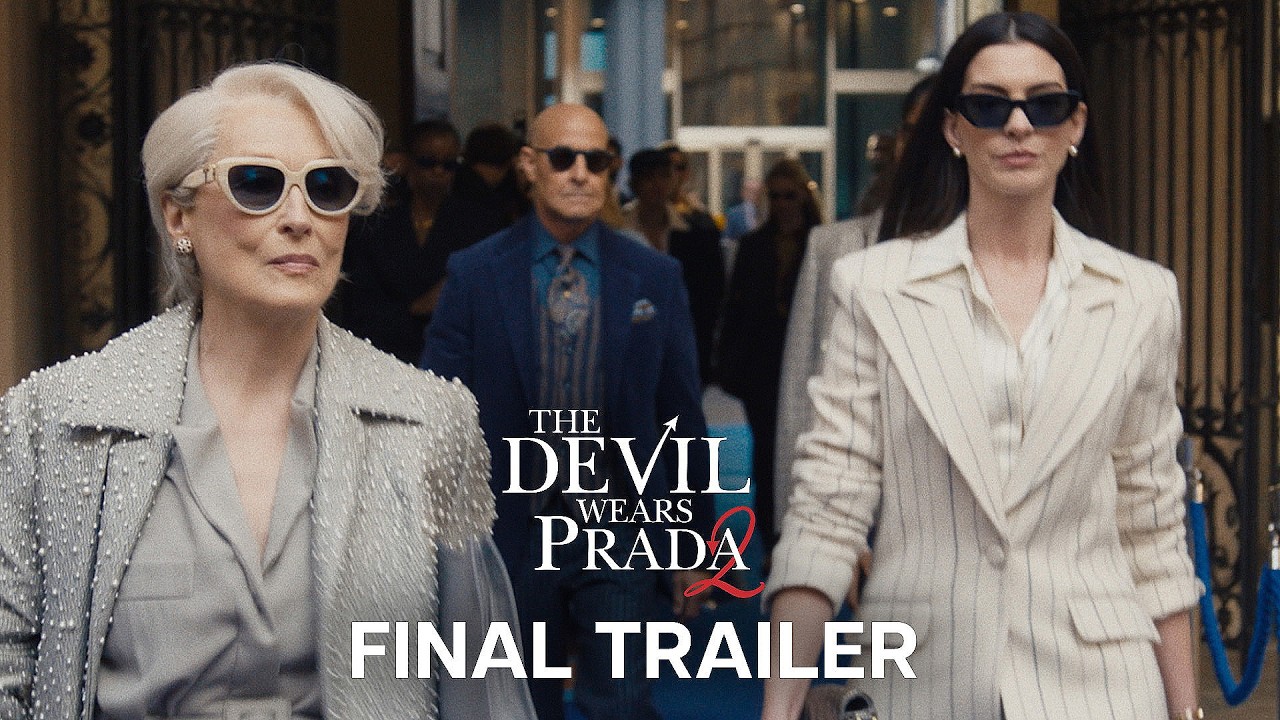
A legacy sequel redefining power, ambition, and rivalry in a modern fashion industry
Power never goes out of style
As Miranda Priestly approaches retirement, she reconnects with Andy Sachs to navigate a shifting fashion landscape while facing a new threat—Emily Charlton, now a powerful rival. Old alliances are tested as ambition collides with legacy.
The narrative builds on established relationships while introducing evolved character dynamics. Emotional tension emerges from loyalty, rivalry, and professional reinvention. The story explores generational change within a high-stakes industry. Symbolically, it reflects the transformation of power structures and identity in a rapidly evolving world.
Why It Is Trending: The rise of legacy sequels driven by nostalgia and generational reinvention
The Devil Wears Prada 2 is trending due to its positioning as a high-profile legacy sequel to a culturally iconic film. It taps into nostalgia while updating its narrative for contemporary audiences.
The return of Meryl Streep, Anne Hathaway, and Emily Blunt drives strong audience anticipation. Its release in a modern fashion context allows exploration of industry evolution. The film benefits from massive trailer engagement and cultural relevance. It appeals to both original fans and new viewers.
Elements Driving the Trend: Star power combined with updated cultural themes
The film’s core appeal lies in its iconic characters returning in new roles. Its narrative hook centers on rivalry and power shifts within the fashion world.
Meryl Streep reprises her role with continued authority and nuance. Anne Hathaway and Emily Blunt bring evolved character arcs. The glamorous fashion setting enhances visual appeal. The mix of nostalgia and modernization drives engagement.
Virality of Movie (Social Media Coverage): High engagement fueled by nostalgia and fashion culture
The film has generated significant buzz through trailers, casting announcements, and fashion-related discussions. Social media platforms amplify its visibility.
Audiences engage with costume reveals, character updates, and iconic callbacks. The film benefits from strong meme and fan culture.
Critics Reception: Mixed early response balancing nostalgia with narrative expectations
Early reviews highlight the film’s entertainment value and performances. However, some critics question whether it matches the impact of the original.
Publications emphasize its role as a continuation rather than reinvention. The reception reflects both appreciation and skepticism.
Awards and Recognitions: Early recognition reflecting anticipation and cultural impact
According to IMDb, the film has 1 win and 1 nomination, including Most Anticipated Movie of 2026 (Digital Spy Reader Awards) and a Queerty nomination for Next Big Thing.
These recognitions highlight strong pre-release interest rather than critical achievement. They reinforce its cultural relevance.
Director and Cast: David Frankel’s return supported by a powerhouse ensemble
David Frankel returns to direct, maintaining continuity with the original film’s tone and style. His approach balances character-driven storytelling with visual spectacle.
The ensemble cast, led by Meryl Streep, Anne Hathaway, and Emily Blunt, anchors the film’s emotional and narrative core. Supporting performances, including Stanley Tucci, enhance the dynamic.
The film trends because: Nostalgia meets modern reinvention in a legacy sequel format
-
Iconic characters return with evolved dynamics
-
Nostalgia drives initial engagement and anticipation
-
Modern themes update the narrative for new audiences
The industry continues leveraging legacy franchises to maximize audience reach.
Conclusion: A high-profile sequel balancing nostalgia, character evolution, and contemporary relevance
The Devil Wears Prada 2 stands as a key example of how legacy films are reimagined for modern audiences. Its strength lies in its iconic cast and cultural positioning.
Culturally, it reflects the enduring appeal of fashion and power narratives. From an industry perspective, it highlights the value of established IP. Ultimately, it positions itself as a major entertainment release with strong audience anticipation.
What Movie Trend Is Followed: The dominance of legacy sequels blending nostalgia with modern cultural reinvention
The Devil Wears Prada 2 follows the trend of legacy sequels, where iconic films return with original characters but updated narratives reflecting current cultural and industry shifts. These films rely on emotional familiarity while introducing new conflicts and generational dynamics.
Emotionally, the trend balances nostalgia with evolution, allowing audiences to reconnect with beloved characters while exploring their growth. It remains highly accessible due to pre-existing audience attachment. The trend resonates because it merges memory with relevance, offering both comfort and novelty.
Trend Drivers: Studio reliance on established IP to reduce risk and maximize audience reach
Studios increasingly invest in sequels and reboots because they come with built-in audience awareness. This reduces marketing challenges and increases the likelihood of strong initial performance.
From an industry perspective, legacy sequels are financially strategic. They leverage nostalgia while updating narratives to attract younger audiences. This dual appeal expands market potential.
What Is Influencing Trend: Cultural nostalgia combined with evolving industry narratives
Audiences have a strong emotional connection to films from the 2000s era, making sequels highly anticipated. At the same time, industries like fashion have undergone significant changes, providing new storytelling opportunities.
Generationally, viewers are interested in how characters evolve over time. Emotionally, this creates a sense of continuity and reflection.
Macro Trends Influencing: Franchise expansion and cross-generational storytelling
The film industry continues to expand franchises to maintain long-term engagement. Legacy sequels are a key part of this strategy.
Culturally, there is a shift toward stories that span time and generations. Lifestyle changes, including streaming access, allow audiences to revisit original films, strengthening interest in sequels.
Consumer Trends Influencing: Desire for familiarity combined with updated relevance
Viewers are drawn to content that feels familiar but reflects modern realities. This creates a demand for sequels that evolve rather than repeat.
Audience behavior includes revisiting original films before watching sequels. Engagement extends across social media, streaming platforms, and theatrical releases.
Audience Analysis: Cross-generational viewers driven by nostalgia and curiosity
The primary audience spans 18–45 age range, including original fans and new viewers. Older audiences are driven by nostalgia, while younger viewers are attracted by cast and cultural relevance.
Lifestyle-wise, they consume content across theaters and streaming platforms. Behaviorally, they engage with franchise content and follow entertainment trends. Their viewing habits include comedies, dramas, and fashion-related media.
They value familiarity, character continuity, and modern relevance. Their preferences lean toward stories that balance emotional connection with updated themes.
Conclusion: A highly scalable and commercially dominant trend shaping modern cinema
This trend works because it combines low risk with high audience engagement. Its scalability is extremely high due to global recognition and marketing power.
Sustainability is reinforced by continuous demand for familiar content. The industry continues to prioritize legacy sequels as a core strategy. As audiences seek both nostalgia and innovation, this trend remains central to mainstream filmmaking.
Final Verdict: A nostalgia-powered sequel that repositions iconic characters within a modern, competitive fashion landscape
The Devil Wears Prada 2 functions as both a continuation and a recalibration of a culturally iconic story. It revisits familiar characters while placing them in a more complex, competitive, and digitally transformed industry.
Culturally, the film reflects how legacy identities evolve over time, especially within fast-changing industries like fashion. From an industry perspective, it reinforces the strength of legacy IP in driving audience engagement. Its long-term impact depends on how successfully it balances nostalgia with meaningful progression.
Audience Relevance: Emotional connection through character evolution and familiarity
The film resonates with audiences who have a long-standing attachment to its characters. Seeing their growth over time creates a strong emotional pull.
At the same time, new conflicts and rivalries introduce fresh engagement. This balance allows the film to appeal to both returning fans and new viewers.
What Is the Message of Movie: Power evolves, but ambition remains constant
At its core, the film explores how ambition adapts to changing environments. Miranda Priestly’s nearing retirement symbolizes a shift in leadership and influence.
The narrative suggests that while industries evolve, the drive for success and control remains unchanged. It frames ambition as both a strength and a challenge.
Relevance to Audience: Reflecting modern workplace dynamics and generational shifts
The film mirrors contemporary workplace realities, including generational transitions and evolving leadership styles. It highlights how power structures shift over time.
Audiences relate to these themes, particularly in professional and creative industries. This strengthens its modern relevance.
Social Relevance: Commentary on the transformation of fashion and media industries
The Devil Wears Prada 2 reflects the transformation of fashion from traditional gatekeeping to digital influence. It explores how authority is redefined in a new era.
Socially, it highlights the tension between legacy institutions and emerging voices. This adds depth to its narrative.
Performance: Strong audience interest supported by mixed critical reception
The film has generated high anticipation and strong audience engagement. Early reactions highlight its entertainment value and star performances.
However, critical reception remains mixed, with some questioning its originality. Its performance reflects a balance between popularity and critical scrutiny.
Legacy: A continuation that reinforces the cultural significance of the original
The film contributes to the enduring legacy of The Devil Wears Prada franchise. It reinforces the cultural impact of its characters and themes.
While it may not redefine the genre, it strengthens the franchise’s position in popular culture. Its legacy is tied to its ability to evolve.
Success: Defined by audience engagement and brand strength
The film’s success is driven by its strong brand recognition and global appeal. Its marketing and cast ensure high visibility.
Rather than relying solely on critical acclaim, it succeeds through audience connection. This defines its position within the industry.
Insights: A film that highlights the power of nostalgia in sustaining cultural relevance
Insights: The Devil Wears Prada 2 demonstrates how nostalgia can be leveraged to maintain cultural relevance while introducing new narratives. Industry Insight: The film reinforces the dominance of legacy IP in modern cinema. It highlights the importance of balancing familiarity with innovation. It also shows how star power drives engagement. Audience Insight: Viewers are drawn to stories that revisit beloved characters while offering new perspectives. This reflects a desire for both continuity and change. It also indicates strong emotional investment in established narratives. Social Insight: The film mirrors shifts in industries where traditional authority is challenged by new dynamics. It reflects broader societal changes in leadership and influence. This makes it culturally relevant. Cultural Insight: The Devil Wears Prada 2 underscores the enduring appeal of fashion and workplace narratives. It positions these themes within a contemporary context. Ultimately, it highlights how cultural icons can evolve without losing their core identity.
Conclusion: A commercially strong sequel that blends nostalgia with contemporary relevance
The Devil Wears Prada 2 stands as a clear example of how legacy films can be adapted for modern audiences. It reflects a broader industry trend toward franchise continuity and character evolution.
From a market perspective, it highlights the value of established brands in driving engagement. The film underscores the importance of updating narratives while maintaining core appeal. Ultimately, it positions itself as a successful continuation that resonates across generations.
Summary of the Movie: A glamorous, high-stakes sequel redefining ambition, power, and legacy in a transformed fashion world
-
Movie themes: Ambition, power dynamics, legacy, and reinvention A narrative exploring how careers, identities, and rivalries evolve within a rapidly changing fashion and media landscape.
-
Movie director: David Frankel’ polished, character-driven storytelling with commercial appeal Frankel balances sharp dialogue, visual glamour, and emotional arcs while maintaining continuity with the original film’s tone.
-
Top casting: Meryl Streep, Anne Hathaway, and Emily Blunt return with evolved performances Supported by Stanley Tucci, the ensemble delivers both nostalgia and character growth.
-
Awards and recognition: Early recognition driven by anticipation and cultural impact Includes Most Anticipated Movie of 2026 (Digital Spy Reader Awards) and a Queerty nomination for Next Big Thing, reflecting strong pre-release buzz.
-
Why to watch movie: A compelling continuation blending nostalgia, fashion, and modern workplace drama Ideal for fans of the original and audiences interested in character-driven stories within glamorous industries.
-
Key Success Factors: Iconic cast, strong brand recognition, and updated narrative relevance The film leverages nostalgia while introducing new conflicts and contemporary themes.
-
Where to watch: Releasing May 1, 2026 (United States) with wide theatrical and streaming distribution expected Positioned as a major commercial release with global reach.
Conclusion: A stylish and engaging sequel that thrives on nostalgia while embracing modern evolution
The Devil Wears Prada 2 is defined by its ability to reconnect audiences with beloved characters while exploring their growth in a new era. The film leaves a strong impression through its blend of glamour, conflict, and emotional continuity. Its strength lies in balancing familiarity with change. As a viewing experience, it delivers both entertainment and reflection on evolving ambition. Ultimately, it stands as a commercially powerful sequel that reinforces the enduring appeal of its iconic world.


Leave a Reply