
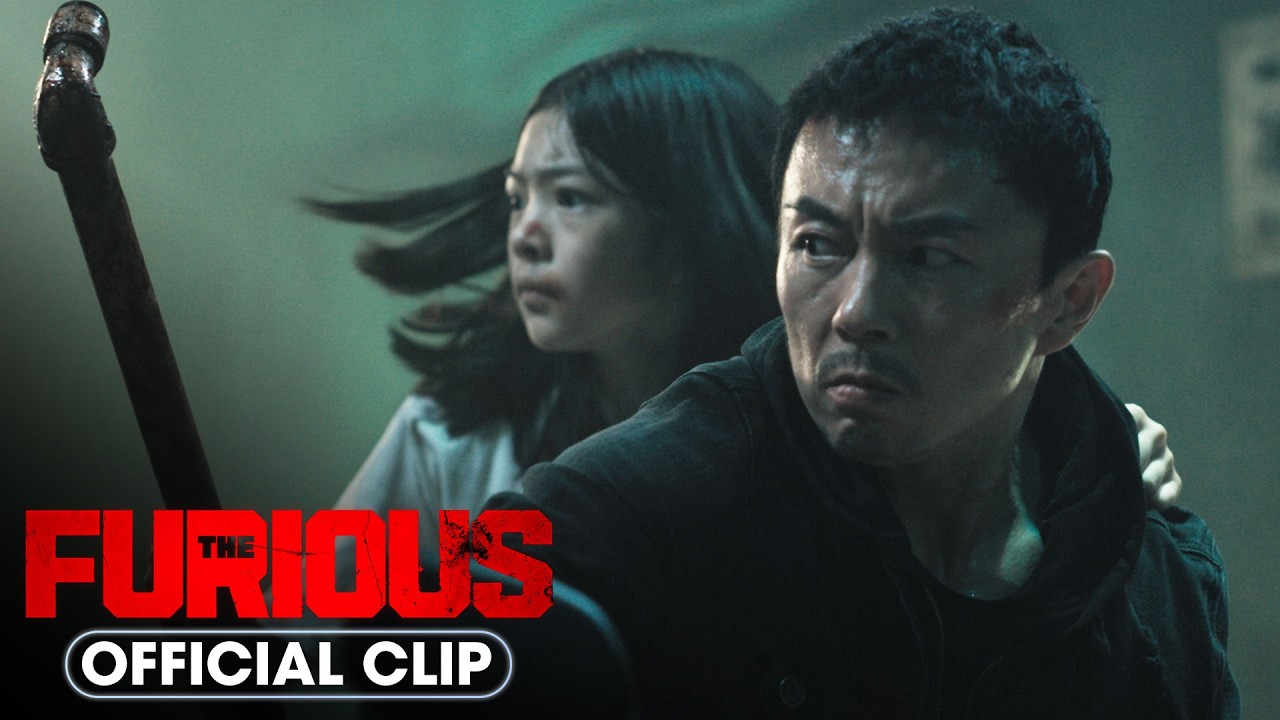
A relentless martial arts revenge thriller delivering some of the most spectacular action choreography of the decade
The Furious is a high-intensity action thriller that follows Wang Wei, a father who launches a violent mission against a criminal trafficking organization after his daughter is kidnapped. Set against a backdrop of organized crime, corruption, and survival, the film transforms a straightforward rescue narrative into a showcase of world-class martial arts action. Director Kenji Tanigaki combines old-school Hong Kong action traditions with modern stunt design, creating a film driven by movement, physicality, and relentless momentum. Featuring martial arts stars from China, Indonesia, Thailand, and beyond, the film focuses on practical action rather than visual effects. Every fight scene pushes the characters closer to physical and emotional exhaustion as Wang Wei’s determination grows increasingly fierce. The result is an adrenaline-fueled action experience built around skill, endurance, and parental devotion.
➡️ Implication: Modern action cinema continues proving that exceptional choreography can be just as compelling as large-scale visual effects.
Why It Is Trending: Martial arts fans embracing the return of practical action filmmaking
The Furious gained significant attention because it delivers the type of practical action spectacle many audiences feel has become increasingly rare. At a time when blockbuster action films often rely heavily on CGI and rapid editing, the film showcases long takes, visible stunt work, and highly disciplined choreography. Action enthusiasts have praised its commitment to physical performance and cinematic clarity. Festival screenings generated strong word-of-mouth support among genre audiences, helping establish the film as one of the year’s standout action releases. Its success reflects growing audience appreciation for handcrafted action cinema.
➡️ Implication: Viewers are increasingly seeking action films that emphasize authentic physical performance and stunt craftsmanship.
Elements Driving the Trend: Elite martial artists creating a showcase of action excellence
One of the film’s biggest attractions is its cast of internationally recognized martial arts performers. Xie Miao leads the film as Wang Wei, bringing both emotional intensity and physical credibility to the role. Supporting performers including Joe Taslim, Yayan Ruhian, JeeJa Yanin, and Brian Le contribute distinct fighting styles and memorable action sequences. The film becomes a celebration of martial arts performance itself. Every major confrontation highlights different techniques, philosophies, and combat approaches. This variety helps sustain excitement throughout the film.
➡️ Implication: Action audiences increasingly value technical choreography and performer expertise as major attractions.
Virality of Film: Festival audiences and action communities fueling word-of-mouth momentum
The film’s reputation expanded rapidly through festival screenings and online action-film communities. Viewers frequently shared reactions to its elaborate fight scenes, practical stunt work, and relentless pacing. Comparisons to modern martial arts classics such as The Raid and The Raid 2 appeared regularly across social media discussions. Action fans highlighted individual sequences and stunt performances as examples of contemporary action filmmaking at its best. The enthusiasm generated by these communities played a major role in raising awareness of the film. Much of the conversation centered on the film’s commitment to practical action.
➡️ Implication: Genre communities continue serving as powerful drivers of audience discovery and film promotion.
Critics Reception: Technical brilliance outweighing narrative simplicity
Critics generally acknowledged that The Furious follows a familiar revenge-and-rescue storyline. However, many reviewers argued that the film’s action craftsmanship more than compensates for its narrative simplicity. Particular praise focused on the choreography, camera placement, stunt execution, and fight design. Reviewers noted that the action remains visually coherent and emotionally engaging throughout. The film’s ability to maintain tension through physical storytelling became one of its most celebrated qualities. For many critics, the action itself functions as the primary narrative language.
➡️ Implication: Exceptional technical execution can elevate familiar storytelling into a memorable cinematic experience.
Awards and Recognitions: Major festival honors validating its action achievements
The Furious achieved impressive festival recognition despite operating within a genre that often receives limited awards attention. At the Sitges Film Festival, the film received a nomination for Best Motion Picture in the Official Fantàstic Competition and won the prestigious Special Prize of the Jury. The jury recognition highlighted the film’s technical accomplishment and artistic execution within genre cinema. The film also earned a nomination for the People’s Choice Award in the Midnight Madness section at the Toronto International Film Festival, finishing as Second Runner-Up. These honors demonstrate both critical respect and strong audience enthusiasm.
➡️ Implication: High-quality action cinema is increasingly receiving recognition beyond traditional genre audiences.
Director and Cast: Kenji Tanigaki assembling a dream team of martial arts talent
Director Kenji Tanigaki brings decades of experience in stunt coordination and action filmmaking to the project. His understanding of movement, timing, and visual storytelling shapes every major sequence. The cast represents a rare gathering of elite martial artists from multiple countries and action traditions. Xie Miao, Joe Taslim, Yayan Ruhian, JeeJa Yanin, and Brian Le each contribute unique strengths that enrich the film’s combat choreography. Together, they create one of the strongest action ensembles assembled in recent years. Their performances provide both physical credibility and genre authenticity.
➡️ Implication: Great action films often emerge when accomplished performers collaborate under directors who understand physical storytelling.
Conclusion: A thrilling reminder of the power of practical action cinema
The Furious succeeds because it fully commits to delivering action at the highest possible level. Rather than relying on spectacle created through visual effects, the film places physical performance and stunt execution at the center of the experience. Kenji Tanigaki crafts a relentless thriller that celebrates martial arts as both entertainment and cinematic art form. The simple rescue narrative provides a strong emotional foundation while allowing the action to take center stage. Supported by an extraordinary cast and award-winning choreography, the film stands out within contemporary genre cinema. Ultimately, The Furious is a thrilling showcase of action filmmaking that demonstrates why practical martial arts cinema continues captivating audiences worldwide.
➡️ Implication: The enduring appeal of martial arts cinema lies in its ability to transform physical performance into powerful visual storytelling.
What Movie Trend Is Followed: The global revival of practical martial arts action and revenge-driven rescue thrillers
The Furious follows one of the strongest trends currently shaping action cinema: the return of practical, choreography-driven martial arts filmmaking. Similar to The Raid, John Wick, The Night Comes for Us, and Extraction 2, the film prioritizes physical performance, stunt execution, and combat choreography over CGI spectacle. The narrative also follows the increasingly popular “parental rescue mission” trend, where an ordinary individual becomes an unstoppable force when a loved one is threatened. By combining emotional motivation with relentless action, the film delivers both visceral excitement and personal stakes. This blend of revenge thriller, rescue drama, and martial arts spectacle has become a defining formula for contemporary action cinema. The result is a film that feels both classic and modern.
➡️ Implication: Modern action audiences increasingly favor practical combat realism over effects-driven spectacle.
Trend Drivers: Audiences demanding authenticity and physical skill
One of the primary reasons for the resurgence of martial arts action films is audience fatigue with overly digital blockbuster action. Viewers increasingly appreciate seeing performers execute real choreography and dangerous stunts. The Furious showcases visible effort, physical endurance, and athletic skill in every major sequence. The film reminds audiences that action can be exciting because of human performance rather than visual effects technology. This authenticity creates stronger audience engagement.
➡️ Implication: Physical authenticity has become a major competitive advantage within modern action filmmaking.
What Is Influencing Trend: The global influence of Asian action cinema
Over the past decade, Asian action films have had a profound influence on global action filmmaking. Performers such as Joe Taslim and Yayan Ruhian helped popularize a more aggressive and technically sophisticated style of action choreography. The Furious continues this tradition by bringing together martial artists from multiple countries and combat disciplines. The film reflects the increasingly international nature of contemporary action cinema. Its choreography becomes a celebration of global martial arts culture.
➡️ Implication: Asian action traditions continue shaping the future of international action filmmaking.
Macro Trends Influencing: Action cinema shifting toward stunt-centered storytelling
Many contemporary action films increasingly treat action sequences as narrative devices rather than interruptions between story scenes. In The Furious, combat reveals character determination, emotional motivation, and escalating stakes. The action itself becomes storytelling. This trend reflects a broader movement toward stunt-centered filmmaking where choreography carries narrative weight. Audiences are responding positively to this approach because it creates a more immersive viewing experience.
➡️ Implication: The best modern action films integrate character development directly into physical conflict.
Consumer Trends Influencing: Viewers seeking intense theatrical experiences
Modern audiences increasingly look for experiences that feel distinct from everyday streaming content. Large-scale martial arts action provides a level of excitement and physical spectacle difficult to replicate in smaller dramas or television series. The Furious delivers this intensity through elaborate fights, practical stunts, and relentless pacing. The film offers a cinematic experience designed to be felt as much as watched. This contributes significantly to its appeal among action enthusiasts.
➡️ Implication: High-impact action remains one of cinema’s strongest tools for creating event-style entertainment.
Audience Analysis: Action enthusiasts, martial arts fans, and genre-cinema audiences
The film appeals strongly to martial arts enthusiasts, action-film fans, stunt professionals, and audiences interested in international genre cinema. Viewers who appreciate choreography, physical performance, and practical filmmaking are particularly likely to respond positively. Fans of films such as John Wick, The Raid, and The Night Comes for Us represent a natural audience segment. The universal father-daughter rescue storyline also helps broaden appeal beyond hardcore action fans. This combination strengthens its accessibility.
➡️ Implication: Action films achieve wider appeal when emotional stakes support technical excellence.
Conclusion: Practical action cinema proving its enduring power
The Furious demonstrates why martial arts cinema remains one of the most respected and enduring forms of action filmmaking. By emphasizing physical performance, stunt precision, and emotional motivation, the film captures many of the qualities audiences increasingly seek in modern action movies. Kenji Tanigaki builds upon traditions established by decades of Asian action cinema while delivering something that feels contemporary and energetic. The father-daughter rescue narrative provides a strong emotional foundation beneath the action spectacle. Combined with elite martial arts talent and festival recognition, the film represents a successful example of the genre’s continued evolution. Ultimately, The Furious reflects the growing global demand for action films built on craftsmanship, authenticity, and physical storytelling.
➡️ Implication: The future of action cinema increasingly belongs to filmmakers who treat choreography as both entertainment and narrative art.
Final Verdict: A masterclass in action filmmaking that prioritizes physical storytelling over spectacle
The Furious succeeds because it understands exactly what its audience wants and executes it at an exceptionally high level. While the rescue narrative remains straightforward, the film transforms a familiar premise into a showcase of elite martial arts choreography, practical stunt work, and relentless momentum. Kenji Tanigaki demonstrates remarkable control over pacing, camera movement, and action design, ensuring that every fight feels purposeful and visually engaging. The emotional motivation surrounding Wang Wei’s search for his daughter provides enough narrative grounding to support the film’s action-heavy structure. Rather than competing with blockbuster spectacle, the film embraces craftsmanship and physical performance. Ultimately, The Furious stands as one of the strongest examples of modern martial arts cinema and a celebration of action as a cinematic art form.
➡️ Implication: Exceptional execution can transform a familiar genre formula into a standout cinematic experience.
Audience Relevance: Delivering exactly what modern action audiences are seeking
The film speaks directly to audiences who have become increasingly appreciative of practical action filmmaking. Many viewers now seek choreography that feels tangible, dangerous, and authentic rather than digitally enhanced. The Furious delivers that experience through highly skilled performers and carefully constructed action sequences. The emotional father-daughter storyline also provides an accessible entry point for viewers beyond hardcore action fans. This balance broadens the film’s appeal considerably.
➡️ Implication: Audiences increasingly reward films that combine emotional stakes with authentic physical action.
What Is the Message of Movie: Determination and love can overcome overwhelming odds
At its core, the film is about a parent’s willingness to sacrifice everything for their child. Wang Wei’s journey is driven not by revenge alone but by love, responsibility, and protection. Every obstacle reinforces his determination to save his daughter regardless of personal cost. The story suggests that ordinary people can discover extraordinary strength when those they love are threatened. This emotional foundation gives the action greater significance.
➡️ Implication: Emotional motivation remains one of the most effective ways to strengthen action storytelling.
Relevance to Audience: Universal parental devotion supporting global appeal
Although the film is rooted in martial arts action, its emotional themes are universally understandable. Parents, families, and general audiences can connect with the fear of losing a loved one and the determination to protect them. The simplicity of this emotional core allows the film to transcend cultural and linguistic boundaries. Audiences may not share the protagonist’s fighting abilities, but they understand his motivation. This emotional accessibility strengthens its global reach.
➡️ Implication: Universal emotional themes help action films resonate across international audiences.
Social Relevance: Addressing exploitation and human trafficking through genre storytelling
Beyond its action sequences, the film touches upon serious issues involving organized crime, exploitation, and human trafficking. While these themes primarily function as narrative catalysts, they provide a darker social context that elevates the stakes. The villains represent systems of abuse and exploitation rather than merely individual antagonists. This broader context gives the protagonist’s mission additional urgency. The film uses genre conventions to highlight real-world concerns.
➡️ Implication: Action cinema can incorporate meaningful social issues without sacrificing entertainment value.
Performance: Martial arts excellence driving every major sequence
Xie Miao anchors the film with a physically demanding lead performance that balances emotional intensity and combat credibility. Joe Taslim, Yayan Ruhian, JeeJa Yanin, and Brian Le contribute standout action performances that showcase diverse fighting styles. Their collective expertise allows the choreography to reach an unusually high level. Every major confrontation feels distinctive and memorable. The cast’s physical commitment becomes one of the film’s defining strengths.
➡️ Implication: Great martial arts cinema depends on performers capable of turning combat into storytelling.
Legacy: Strengthening the global resurgence of practical action cinema
The Furious arrives during a period when practical action filmmaking is experiencing renewed appreciation worldwide. Alongside films such as John Wick and The Raid, it contributes to a movement emphasizing choreography, stunt work, and physical authenticity. Its festival success demonstrates that action cinema can earn both audience enthusiasm and critical respect. The film may serve as an influential reference point for future action directors seeking to balance simplicity and technical excellence. Its impact extends beyond its immediate story.
➡️ Implication: Practical action filmmaking continues establishing itself as a respected cinematic craft rather than merely a commercial genre.
Success: Festival acclaim validating genre excellence
The film’s success is reflected not only in audience enthusiasm but also in prestigious festival recognition. Winning the Special Prize of the Jury at the Sitges Film Festival and earning recognition at the Toronto International Film Festival demonstrates that the film’s achievements extend beyond genre fandom. Critics and festival juries alike recognized the craftsmanship behind its action design. These accolades help elevate the film within the broader cinematic landscape.
➡️ Implication: Action films increasingly receive recognition when technical innovation and artistic execution align.
Insights: The Furious proves that practical action filmmaking remains one of cinema’s most exciting and technically demanding art forms. Industry Insight: Audiences and critics are increasingly rewarding action films that emphasize choreography, stunt work, and physical authenticity. Audience Insight: Viewers continue responding strongly to action stories grounded in clear emotional motivations and relatable personal stakes. Social Insight: Genre cinema can effectively address serious issues such as exploitation and trafficking while maintaining entertainment value. Cultural Insight: Global action filmmaking is becoming increasingly collaborative, drawing talent and influences from multiple martial arts traditions.
Conclusion: A thrilling celebration of action cinema at its finest
The Furious delivers exactly what great martial arts cinema promises: extraordinary physical performance, inventive choreography, and relentless excitement. Kenji Tanigaki combines decades of action expertise with a cast of elite martial artists to create a film that prioritizes craftsmanship at every level. While the story remains intentionally straightforward, the emotional drive behind Wang Wei’s mission gives the action meaningful context. The result is a film that satisfies both action purists and general audiences seeking high-quality entertainment. Its festival recognition confirms its achievement within contemporary genre cinema. Ultimately, The Furious stands as a powerful reminder that when executed with skill and passion, action filmmaking can be as artistically impressive as any other cinematic form.
➡️ Implication: The most memorable action films are those that transform movement, performance, and emotion into a unified cinematic experience.
Summary of the Movie: A high-octane martial arts thriller driven by parental love, vengeance, and extraordinary action choreography
• Movie themes: Family protection, parental sacrifice, justice, revenge, survival, human trafficking, resilience, determination, redemption, and courage.➡️ Implication: The film uses a simple rescue mission to explore the extraordinary lengths people will go to protect those they love.
• Movie director: Kenji Tanigaki brings decades of stunt and action expertise to create one of the year’s most technically accomplished action films.➡️ Implication: The film’s greatest strength comes from its commitment to practical stunt work and martial arts authenticity.
• Top casting: Xie Miao as Wang Wei, Joe Taslim, Yayan Ruhian, JeeJa Yanin, and Brian Le form one of the strongest martial arts ensembles assembled in recent years.➡️ Implication: The film showcases multiple combat styles through performers with genuine martial arts expertise.
• Awards and Recognition:The Furious achieved notable success on the international festival circuit with 1 win and 2 nominations.
Its most significant achievement came at the prestigious Sitges Film Festival, where it won the Special Prize of the Jury in the Official Fantàstic Competition. This award is particularly important because Sitges is widely regarded as one of the world’s leading genre-film festivals.
The film was also nominated for Best Motion Picture at Sitges, demonstrating strong critical appreciation for its technical execution and action design.
Additionally, it earned a nomination for the People’s Choice Award in the Midnight Madness section of the Toronto International Film Festival, finishing as Second Runner-Up, highlighting enthusiastic audience reception.
➡️ Implication: Festival recognition confirms that exceptional action filmmaking can achieve both critical respect and audience enthusiasm.
• Why to watch movie: The film offers world-class martial arts choreography, practical stunt work, elite action performers, relentless pacing, and some of the most inventive fight sequences of the year.➡️ Implication: It is essential viewing for fans of action cinema and martial arts filmmaking.
• Key success factors: Outstanding choreography, practical action design, elite martial arts talent, festival buzz, strong word-of-mouth support, and clear emotional motivation.➡️ Implication: Technical excellence elevates the film far beyond its familiar rescue-thriller premise.
• Where to watch: The film premiered through major international film festivals including Sitges and TIFF Midnight Madness before reaching wider genre audiences through theatrical and international distribution channels.
➡️ Implication: Festival platforms continue playing a vital role in introducing exceptional genre films to global audiences.
Conclusion: A modern action showcase proving that practical martial arts cinema remains as exciting as ever
The Furious succeeds because it focuses on what action cinema does best: transforming movement, skill, and physical performance into compelling storytelling. Kenji Tanigaki uses a straightforward rescue narrative as the foundation for an extraordinary display of martial arts craftsmanship and stunt execution. Supported by an exceptional international cast, the film delivers one memorable action sequence after another while maintaining clear emotional stakes. Its festival success demonstrates growing appreciation for practical action filmmaking in an era dominated by digital spectacle. The film stands as both an entertaining thriller and a celebration of martial arts cinema’s enduring traditions. Ultimately, The Furious proves that when choreography, performance, and emotion work together, action filmmaking can become a truly cinematic art form.
➡️ Implication: The future of great action cinema will continue belonging to filmmakers who value authenticity, craftsmanship, and physical storytelling.






Leave a Reply