
Every new fantasy movie wants to be the next “Lord of the Rings,” and every new fantasy TV series wants to be the next “Game of Thrones.” But both mediums are littered with the corpses of projects that failed to capture the zeitgeist. That includes perfect little gems like “Dungeons & Dragons: Honor Among Thieves” (whose box office underperformance remains a crushing shame) and “The Lord of the Rings: The Rings of Power” (which has proven it’s not easy to be “Game of Thrones” for a “Lord of the Rings” audience, even with a billion dollar budget).
Recently, you may have noticed a new fantasy franchise waiting in the wings. Well, “new” isn’t the proper word, perhaps — millions of people are very familiar with it. But rather, new to the people who made “Lord of the Rings” and “Game of Thrones” a crossover success. I’m talking about Magic: The Gathering, the long-running fantasy card game that’s been draining wallets and firing up imaginations since its debut in 1993, which is now poised to make the leap to the big and small screens with two different projects.
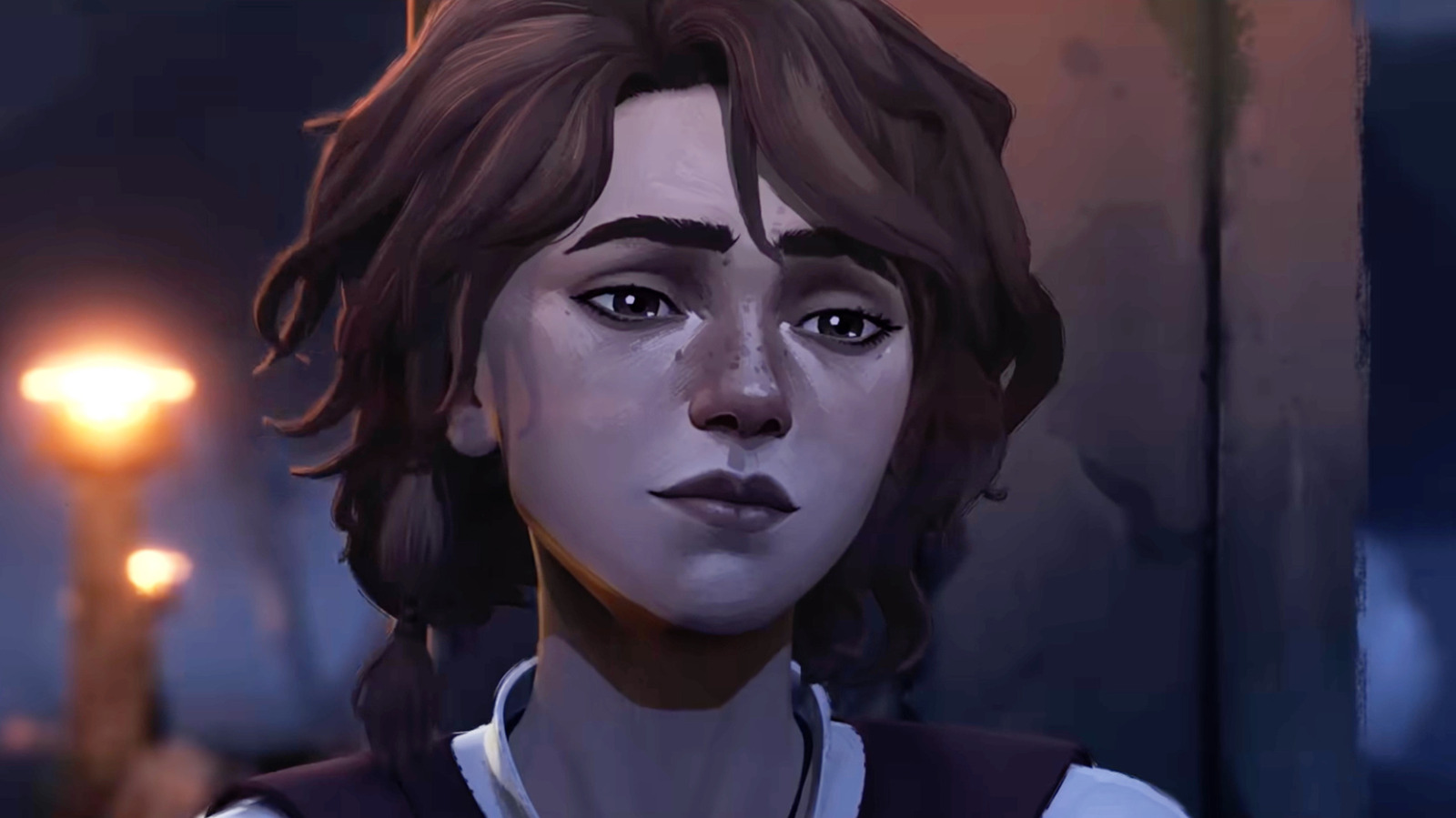
The first of them is a Netflix animated series called “Planeswalker” from showrunner Terry Matalas, who’s already a geek favorite thanks to his strong work on “Star Trek: Picard” season 3 and Marvel’s “VisionQuest.” The second is a live-action feature film starring Maya Hawke from Legendary Pictures and Matt Johnson, the eclectic filmmaker behind titles as divergent as “Blackberry” and “Nirvanna the Band the Show the Movie.” It’s the kind of two-pronged attack that suggests the timing is right for Magic, the biggest fish in its fantasy tabletop pond, to leap into the mainstream ocean.
Magic is about to have its crossover moment, and I think it has the goods to back it up.
Magic: The Gathering is a fantasy world begging for a bigger canvas
Despite being an avid tabletop gamer and RPG player for over 20 years, I’m new to Magic, having only started playing and collecting this year to prepare for the new “Star Trek” set. However, the game got its hooks in me something fierce, and what was intended to be a brief dalliance has transformed into a new hobby/obsession/addiction.
I was initially drawn to the gameplay and its time-tested mechanics: simple to learn, hard to master, and infinitely flexible to match the style you find most entertaining. But the more time I spent in gaming shops, reading the flavor text at the bottom of a particularly dangerous card, noticing recurring characters across years of art, or chatting with people who have been collecting and playing for decades, I found myself increasingly interested in the world behind the game. Specifically, I was drawn to how the game’s definition of fantasy was malleable, willing to blend traditional sword-and-sorcery with traditional folklore, gothic horror, science fiction, nautical adventure, and even zany swings like weird Westerns and multidimensional racing. If there’s a creative itch to be scratched, the “planeswalkers” who anchor the narrative will surely expose a new world that will do the job nicely.
It’s a universe where anything feels possible, starring varied and instantly recognizable heroes and villains who can travel between vastly different worlds as they journey on epic quests. It’s a grand canvas with 33 years of history, characters, lore, and storytelling to build upon. There’s more than enough for a movie series and TV show to draw on while still having enough to branch out indefinitely from there.
Following the formal announcement of “Planeswalker” at MagicCon, I asked the clerk at a local gaming shop if he was invested in Magic: The Gathering’s world or if he just liked playing the game. He was emphatic: the gameplay hooked him, but the world and the characters and the expansive narrative is what kept him coming back. He spoke of the characters and their world with a reverence I’ve seen others bring to “Star Wars” and similarly rich universes.
Magic: The Gathering’s original world should be the chief selling point
The thin line separating the corners of various fantasy fandoms has eroded. The countless fans who line up for Sarah J. Maas novels and the nerds who crack open Magic booster packs aren’t quite a circle, but it’s a Venn diagram with a lot of overlap. The kind of weirdo fantasy that is Magic’s bread and butter is now mainstream. The timing has never been better to open the door to the people devouring fantasy in other mediums and make it clear that the world of Magic: The Gathering is for them, too.
In recent years, Magic has (sometimes controversially) brought in outside franchises like Final Fantasy, Marvel, and yes, “Star Trek,” to entice new players to play the game via their “Universe Beyond” label. I can attest firsthand that this works. But Magic is a great game and a rich world. The main draw for new fans shouldn’t be just familiar IP on a Magic card. It should be the original world, fleshed out over three decades, itself. That’s where a first-rate movie or show can do the heavy lifting.
The people who go to movie theaters every week and scroll the Netflix Top 10 every night may not realize that Magic offers a world as deep as Middle-earth or Westeros. The film and TV show must treat this universe itself as the main event, the reason to hit play or buy a ticket. A Magic: The Gathering series or movie will need more than just its players to be a true success … and all of those new viewers pulled into a compelling fantasy epic become potential new players once they realize the game offers more of what they see on their screen.
If this film and this show are good (and they’ve certainly rounded up some promising talent), the Magic universe could be the next obsession for fantasy movie and TV fans. Even those who have never stepped into a gaming shop in their lives.






Leave a Reply