
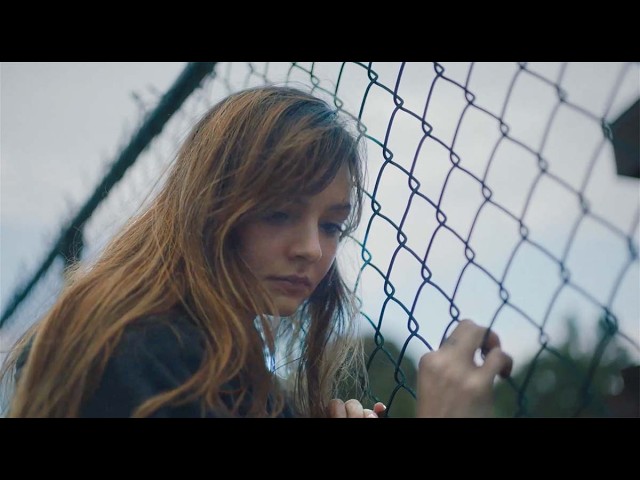
United States | 2025 | 110 min | Crime / Drama / Thriller
When One Small Mistake Gives the System Control
Dani is a high school student working toward college and a future beyond the struggling community around her. When she is arrested with a small amount of drugs, that future suddenly becomes vulnerable. Police pressure her to become a confidential informant, turning what initially appears to be a relatively small offense into a decision capable of changing her life.
The Snare makes that situation intensely personal. Cooperating could protect Dani’s future, but it requires deceiving people she cares about and entering situations far more dangerous than the original mistake. The film gradually turns a young woman’s attempt to escape punishment into a story about how quickly someone can lose control when a more powerful institution determines the available choices.
➡️ Movie Insight: The Snare turns one small mistake into a much bigger question about power: when protecting your future means surrendering control to the system, every available choice can become another trap.
Why This Movie Matters Right Now: Justice Stories Are Becoming More Personal
Crime dramas have traditionally concentrated on criminals, police investigations and the pursuit of justice. The Snare shifts attention toward the people caught between those worlds. Dani is neither a hardened criminal nor a detective. She is a young woman whose relatively small mistake suddenly gives law enforcement enormous influence over what happens to her education, relationships and future.
That makes the movie particularly relevant to a growing direction in socially conscious crime cinema. Instead of simply asking whether someone committed a crime, these stories examine what happens once institutions gain leverage over vulnerable people. The justice system becomes part of the dramatic conflict, creating situations where technically having a choice does not necessarily mean having a good choice.
➡️ Why It Matters: The Snare makes institutional power understandable through one teenager’s dilemma, showing how a small mistake can become much more dangerous when someone with very little power is forced to negotiate with a system that controls her future.
Should You Watch It?: A Social Drama With Crime-Thriller Pressure
The Snare is for viewers who enjoy grounded crime stories where suspense comes from difficult decisions rather than conventional action. Dani’s predicament gives the film the tension of a thriller, but the emotional stakes remain rooted in recognizable fears about education, relationships, family and the possibility of losing a future she has worked to build.
It should particularly appeal to audiences interested in independent cinema, coming-of-age drama and films exploring poverty, policing and unequal opportunity. Viewers expecting a conventional police procedural should approach it differently: the investigation creates the situation, but Dani’s shrinking ability to control what happens provides the movie’s real tension.
➡️ Viewing Recommendation: Best for viewers who enjoy socially grounded thrillers, morally complicated coming-of-age stories and independent films where ordinary people become trapped inside systems more powerful than themselves.
Why Everyone Is Talking About It?: One Bad Decision Becomes an Impossible Choice
The movie has an immediately understandable conversation hook: Dani is caught with a small amount of drugs, but escaping the consequences requires her to become a confidential informant. Protecting herself therefore means potentially betraying someone she cares about while entering a criminal environment considerably more dangerous than the mistake that originally brought her to police attention.
Its festival response gives the film additional momentum. The Snare accumulated four wins and one nomination across its festival run, including audience recognition at Cinequest and Hell’s Half Mile, as well as Best Narrative Feature and Best Performance Feature honors at the Cordillera International Film Festival. That audience response is particularly relevant for a small independent film built around a difficult social issue: viewers appear to be connecting with the human dilemma rather than simply the subject matter.
➡️ Viral Potential: “What if one small drug arrest forced you to choose between your future and someone you care about?” gives the movie a strong social hook. Dani’s predicament naturally encourages audiences to debate what they would do in the same situation. The festival audience awards strengthen that potential by suggesting that the dilemma is already connecting emotionally with viewers.
Why The Snare Stands Out: The System Creates the Trap
Many crime thrillers build suspense around escaping criminals, discovering evidence or catching someone responsible for a crime. The Snare creates a more uncomfortable situation because Dani’s danger begins after she encounters the authorities. The people supposedly offering her a way out are also asking her to take risks that make her situation increasingly difficult to control.
That gives the movie a distinctive position between social realism and thriller cinema. Dani continues making decisions, but the film constantly questions how meaningful those decisions really are when every option carries serious consequences. The “snare” therefore becomes larger than any single criminal situation: it is the network of pressure surrounding a young person whose future gives other people leverage over her.
➡️ Cinema Insight: The Snare stands apart by turning institutional pressure into thriller suspense—the danger does not simply come from breaking the law, but from what happens when the system gains control over the choices available afterward.
Movie Trend: Justice-System Drama — The System Becomes the Threat
Crime cinema is increasingly interested in what happens when ordinary people encounter institutions with far greater power than their own. Police departments, courts, prisons, schools and social systems can become active forces shaping the choices characters are able to make. Instead of presenting justice as a straightforward process, these films explore the uncertainty, pressure and moral compromises created inside it.
This gives socially conscious filmmaking a stronger genre framework. Institutional inequality can become suspense; poverty can determine the consequences of a decision; a police interview can create the tension normally associated with a criminal confrontation. The result allows filmmakers to explore complicated social questions without abandoning character, emotion or entertainment.
➡️ Movie Trend: Justice-system drama is becoming more personal as filmmakers turn unequal institutional power into suspense, showing how ordinary people can become trapped not simply by crimes but by the systems deciding what happens afterward.
Viewer Profile: Social-Thriller Audiences — Viewers Looking for Crime Stories With Real-World Stakes
The strongest audience is likely to be adult and younger-adult viewers who enjoy crime thrillers but want stories grounded in recognizable social problems. Dani’s age and uncertain future also give the movie strong coming-of-age appeal, particularly for viewers interested in characters navigating difficult choices without the security, money or influence that might make those choices easier.
Lifestyle and movie taste matter more than conventional demographics. The Snare should connect particularly well with independent-film audiences, festival moviegoers and viewers attracted to socially conscious American cinema. Cassady McClincy Zhang’s central performance can also attract audiences familiar with her previous work while introducing them to a more intimate character-driven role.
|
Independent crime-drama, social-thriller and character-driven drama audiences |
|
|
Coming-of-age viewers, Cassady McClincy Zhang fans and audiences interested in justice-system stories |
|
|
Primarily older teen and adult audiences |
|
|
Socially aware, culturally curious and independent-film-oriented |
|
|
Festival cinema, crime thrillers, social realism, coming-of-age drama and character-driven independent film |
➡️ Audience Insight: The Snare can reach beyond traditional crime audiences because its central dilemma is universally understandable: Dani is trying to protect the future she has worked for while discovering that every available way out may create another problem.
What This Movie Means for the Industry: Social Issues Can Become Accessible Thrillers
The Snare demonstrates how independent filmmakers can approach complicated social issues without building movies around explanation. Confidential informants and law-enforcement practices could easily become the subject of a procedural or explicitly political drama, but the movie instead begins with a young woman whose future is suddenly threatened. Audiences understand the issue because they understand what Dani stands to lose.
That approach creates opportunities for socially conscious independent cinema. Filmmakers can use familiar genre structures—crime, thriller, coming-of-age and relationship drama—to make complicated institutional problems emotionally accessible. The strongest projects do not simply explain that a system is unfair; they construct characters whose decisions allow audiences to experience how that imbalance of power actually feels.
➡️ Industry Insight: Social-issue cinema can reach broader audiences when filmmakers turn institutional problems into immediate human dilemmas, using genre tension to make complicated systems understandable through character and consequence.
Creative Analysis: A Young Woman Running Out of Safe Choices
The Snare builds its dramatic power by combining the emotional vulnerability of a coming-of-age story with the escalating pressure of a crime thriller. Merlin Camozzi keeps the story centered on Dani, allowing the confidential-informant system to emerge through her experience rather than turning the film into an explanation of police procedure. The result makes institutional power feel personal because every development affects something Dani cares about.
Storytelling: One Mistake Keeps Getting Bigger
The story begins with an easily understandable problem. Dani is caught with a small amount of drugs and wants to prevent that mistake from destroying the future she has been working toward. Cooperating with police initially appears to provide an escape.
The dramatic tension comes from discovering that the escape is actually another trap. Every step deeper into the informant operation creates additional risks, forcing Dani to balance self-preservation against loyalty, relationships and personal safety.
Performances: Dani Carries the Pressure
Cassady McClincy Zhang’s performance is central because the audience experiences the system primarily through Dani. Fear, determination, guilt and survival instinct need to coexist without turning her into either a helpless victim or an invulnerable thriller protagonist.
That emotional balance makes Dani’s choices more complicated. The audience can understand why she wants to cooperate while simultaneously recognizing the damage that cooperation may cause.
Direction: Merlin Camozzi Keeps the System Close to Dani
Camozzi approaches the story through character rather than turning the movie into a conventional police procedural. The institutional issue matters because of what it does to Dani’s relationships, ambitions and sense of control.
That keeps the film emotionally immediate. Instead of observing the confidential-informant system from outside, audiences experience the pressure through someone who has very little understanding of how far the consequences may extend.
Cinematography & Visual Language: A Grounded World With Limited Escape
The visual approach supports the film’s social realism. Dani’s surroundings need to feel lived-in because her economic and personal circumstances are fundamental to understanding why protecting her future matters so much.
That realism also strengthens the thriller elements. Danger enters an ordinary world rather than an exaggerated crime environment, making Dani’s situation feel like something that could happen to someone who never imagined becoming part of a criminal investigation.
Sound & Score: Pressure Without Spectacle
The film uses sound and music to support Dani’s increasingly unstable emotional position rather than turning the story into an action thriller. Restraint helps preserve the grounded quality of the world.
That approach allows quieter scenes to carry tension. Conversations, hesitation and moments of uncertainty become threatening because audiences understand how much depends on Dani saying or doing the right thing.
Editing & Rhythm: Every Decision Narrows the Options
The film’s 110-minute running time gives Dani’s situation enough space to escalate gradually. Instead of immediately placing her in extreme danger, the story allows apparently manageable decisions to accumulate consequences.
That rhythm mirrors the central idea of the movie. A trap rarely feels like a trap at the beginning; it becomes visible only after the available exits have started disappearing.
Themes & Subtext: How Much Choice Do Vulnerable People Really Have?
Choice is one of the movie’s most important themes, but The Snare continually complicates what choice actually means. Dani can technically refuse, cooperate, lie or tell the truth, yet every option threatens something important.
The film therefore explores the difference between being offered choices and possessing meaningful freedom. Economic vulnerability, age, education and institutional authority all influence how much control Dani realistically has.
Emotional Impact: Watching a Future Become Fragile
The emotional power comes from understanding how much Dani has to lose. Her future is not abstract: education represents the possibility of moving beyond the circumstances currently defining her life.
Watching that possibility become increasingly vulnerable gives the crime story additional weight. The audience is not simply wondering whether Dani will escape danger but whether one mistake will permanently change the person she is able to become.
What Makes It Different: Cooperation Becomes the Danger
Many crime stories treat cooperating with police as the path toward safety. The Snare reverses that assumption by making cooperation the beginning of a more complicated and potentially dangerous situation.
➡️ Creative Insight: The Snare turns the confidential-informant system into an emotional trap. Dani is offered a way to protect her future, but every step toward that future potentially compromises another part of her life, transforming institutional pressure into intimate thriller suspense.
If You Liked The Snare: Young People Trapped by Bigger Systems
These movies also follow young people whose futures are shaped by poverty, institutions, family circumstances and unequal power. They connect with The Snare through characters discovering that determination alone cannot always overcome the systems and environments surrounding them.
Nickel Boys (2024) by RaMell Ross: An Institution Controls Young Lives
Two Black teenagers form an important friendship while enduring the brutal realities of a reform school in Jim Crow-era Florida. The story makes institutional injustice personal by focusing on how young people experience systems capable of determining their futures.
➡️ Why It Connects: Like The Snare, Nickel Boys examines what happens when an institution gains enormous power over young people. Both make systemic injustice emotionally immediate by keeping audiences close to the individuals forced to live inside it.
Bird (2024) by Andrea Arnold: Growing Up With Limited Choices
Bailey is growing up in a difficult family environment in Kent while trying to find identity, connection and freedom. The film uses her everyday surroundings to show how childhood and adolescence are shaped by circumstances young people cannot simply choose to leave behind.
➡️ Why It Connects: Dani and Bailey are very different characters, but both are young women attempting to imagine futures beyond environments that restrict their options. Bird emphasizes family and economic circumstances while The Snare adds the pressure of policing and criminal justice.
The Florida Project (2017) by Sean Baker: Childhood at the Edge of Economic Security
Six-year-old Moonee spends her summer exploring the world surrounding a budget motel near Walt Disney World while her mother struggles to survive economically. The film contrasts childhood freedom with the adult systems and financial pressures gradually closing around the family.
➡️ Why It Connects: The Florida Project and The Snare both show how limited economic security can make ordinary mistakes and decisions carry much larger consequences. Their young characters live in worlds where opportunity exists nearby but remains frustratingly difficult to reach.
➡️ If You Liked Insight: These films connect because they refuse to separate individual choices from the circumstances surrounding them. Their characters may make mistakes, but money, institutions, family and social position determine how serious the consequences become. The Snare pushes that idea directly into thriller territory by making Dani’s shrinking range of choices the source of suspense.
Quick Facts: When One Mistake Becomes a Systemic Trap
|
Cassady McClincy Zhang as Dani |
|
|
Dempsey Bryk, Royce Johnson, Anire Kim Amoda, Sojourner Brown, Lucy Walters |
|
|
Justice-System Drama — The System Becomes the Threat |
|
|
A high school student arrested with drugs is pressured into becoming a confidential informant |
|
|
Avoiding punishment requires Dani to accept a potentially more dangerous role |
|
|
Power, policing, poverty, loyalty, opportunity, adolescence, coercion and survival |
|
|
Crime-thriller, independent-film, social-drama and coming-of-age audiences |
|
|
Best Yet Entertainment / Grey Star Entertainment |
|
|
Multiple 2025 festival awards, including audience recognition |
|
|
One small mistake gives the system leverage over a young woman’s future |
|
|
A grounded independent thriller that turns institutional pressure into an intensely personal moral dilemma |
Final Verdict: A Social Thriller Where Every Choice Has a Cost
The Snare works most effectively as a character-driven thriller because it keeps its larger justice-system questions connected to Dani’s immediate life. The stakes are education, relationships, loyalty and personal safety rather than abstract arguments about policy. That allows the movie to raise uncomfortable questions without losing the emotional momentum of its central story.
Cassady McClincy Zhang gives the film the human center necessary for that approach. Dani does not need to be completely innocent or make perfect decisions for the audience to understand the imbalance surrounding her. The movie’s strongest idea is precisely that mistakes do not have equal consequences for everyone—and people with the fewest resources can have the least control over what follows.
➡️ Final Verdict: The Snare combines social realism, coming-of-age drama and crime-thriller tension around a simple but powerful dilemma. Its strength comes from showing how quickly a teenager trying to protect her future can become trapped between loyalty and institutional pressure. For audiences drawn to independent thrillers with real-world stakes, Dani’s impossible choices give the movie its strongest reason to watch.
Final Insights: Crime Cinema Is Looking Beyond the Crime
Crime cinema becomes more socially revealing when filmmakers examine what happens after an ordinary person enters the justice system. Arrests, police interviews, informant agreements and prosecutions can create their own forms of suspense because every institution involved possesses different levels of power. The crime itself may begin the story, but the consequences reveal the larger social structure surrounding the character.
That direction gives independent filmmakers an opportunity to combine socially relevant subjects with accessible genre storytelling. Rather than separating issue-driven cinema from entertainment, movies can use thriller structures to make institutional problems emotional, immediate and discussable. The Snare demonstrates the potential clearly: a small drug arrest creates the plot, but the imbalance of power created afterward gives the story its larger meaning.
➡️ Recommendation: Filmmakers can make institutional issues more accessible by building them around simple personal dilemmas with recognizable emotional stakes. Producers can use crime and thriller structures to broaden the audience for socially conscious stories without losing their realism. Distributors should lead with the movie’s clearest hook—one small mistake threatens Dani’s future, and the way out may be more dangerous than the mistake itself.





Leave a Reply