
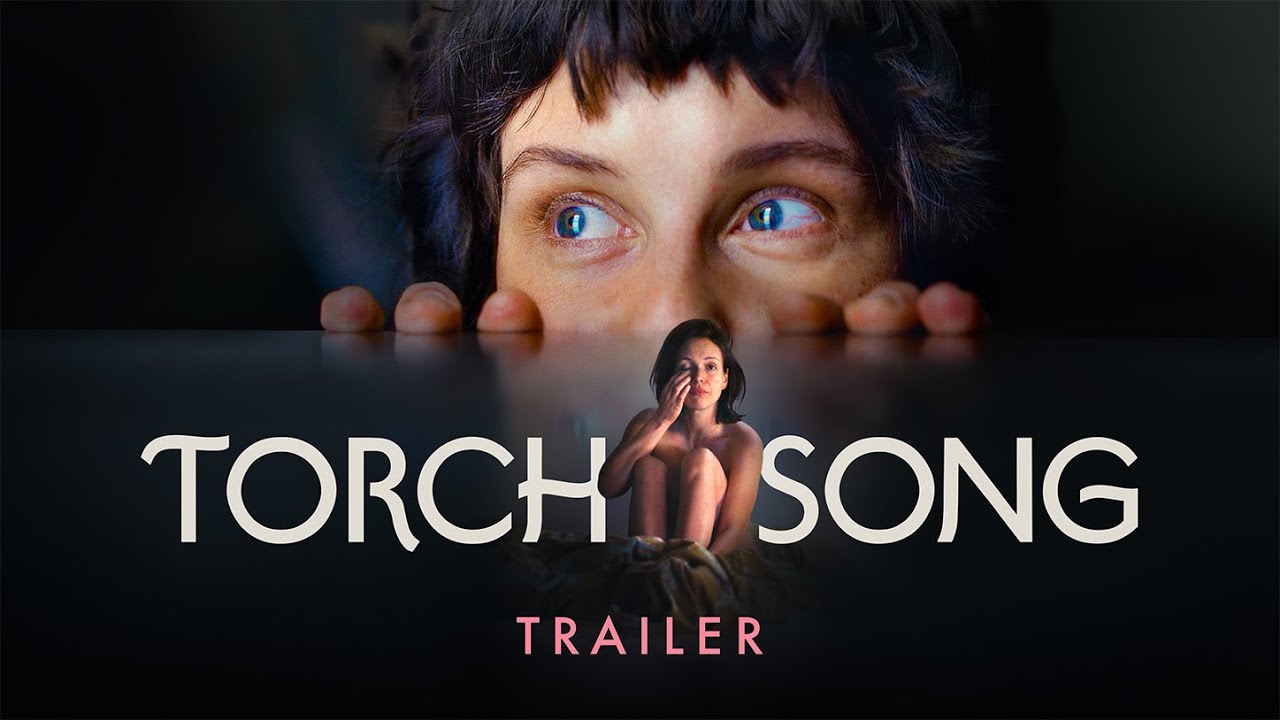
A raw musical drama exploring identity, grief, and emotional disruption through art and performance
Art becomes chaos when identity is unresolved.
Torch Song follows Liz, an eccentric former pop singer whose return to her estranged half-brother’s life triggers emotional upheaval and relational tension. What begins as a reunion rooted in grief quickly transforms into a volatile exploration of identity, artistic expression, and emotional instability. Liz’s unpredictable presence disrupts not only family dynamics but also the fragile equilibrium of her brother Gabe’s relationship.
The film blends drama and music to create an intimate, character-driven narrative where performance becomes a reflection of inner conflict. Liz’s artistic impulses are not just creative outlets—they are manifestations of unresolved trauma and identity fragmentation. The story examines how grief can destabilize personal boundaries and relationships, especially when combined with a need for validation and expression. Joey, Gabe’s girlfriend, becomes an emotional anchor and catalyst, further complicating the interpersonal triangle. Ultimately, the film explores how art, emotion, and identity collide in unpredictable and often destructive ways.➡️ Implication: Music-driven dramas are increasingly used to explore psychological and emotional instability rather than just artistic success.
Why It Is Trending: Growing interest in emotionally raw, character-driven dramas centered on flawed and disruptive protagonists
The film aligns with a trend toward stories that embrace imperfection and emotional chaos.
Audiences are increasingly drawn to complex, flawed characters rather than idealized figures. This reflects a broader cultural shift toward authenticity and vulnerability. The narrative’s focus on interpersonal tension enhances relatability. It also aligns with indie cinema’s emphasis on emotional realism. This positions the film within a niche but growing trend.➡️ Implication: Flawed, emotionally complex characters drive engagement in modern drama.
Elements Driving the Trend: Intimate storytelling combining music, performance, and emotional volatility
The film uses music as both narrative device and emotional expression.
Live-recorded performances enhance authenticity and immersion. The confined relational dynamic intensifies emotional conflict. This creates a layered storytelling approach where dialogue and performance intersect. The focus on character psychology deepens audience engagement. Over time, the narrative builds through emotional escalation rather than plot progression.➡️ Implication: Performance-based storytelling enhances emotional depth and realism.
Virality of Movie (Social Media Coverage): Moderate engagement driven by performance clips and character discussions
The film generates attention primarily through its musical elements and performances.
Scenes featuring live music performances are highly shareable. Discussions often focus on Liz’s character and her disruptive behavior. While not a mainstream viral hit, it resonates within indie film communities. This creates niche engagement rather than broad visibility. It sustains interest through critical and artistic discussion.➡️ Implication: Performance-driven content drives niche but sustained engagement.
Critics Reception: Positive recognition for originality and performance-driven storytelling
The film holds an IMDb rating of approximately 6.6, indicating generally favorable reception.
Critics highlight its originality and emotional intensity. Carla Juri’s performance receives particular praise. Some reviews note the film’s unconventional structure and pacing. Despite this, it is appreciated for its artistic ambition. It remains well-regarded within indie cinema circles.➡️ Implication: Artistic originality enhances critical appreciation despite unconventional structure.
Awards and Recognitions: Strong festival presence with notable wins and nominations
The film won Best Film (Dutch Film Critics Award, Nederlands Film Festival 2024).
It also received nominations for Best Production Design (Golden Calf) and Best Original Score (Crystal Pine, ISFMF). Additional recognition includes Best Original Song nomination (ISFMF) and Best Film nomination (Passaggi d’Europa Competition). These accolades highlight its artistic and musical strengths. Festival recognition reinforces its credibility within European cinema.➡️ Implication: Festival awards strengthen positioning in arthouse and indie film markets.
Director and Cast: A performance-driven narrative led by a bold and unconventional central character
Directed by Jeroen Houben, the film emphasizes character over plot.
Carla Juri delivers a standout performance as Liz, embodying unpredictability and emotional intensity. Markoesa Hamer and Al Weaver provide grounded counterpoints to her chaotic presence. The cast’s dynamic creates tension and depth within the narrative. Supporting performances add nuance to the story’s relational complexity. This ensemble approach strengthens the film’s emotional impact.➡️ Implication: Strong central performances are critical in character-driven narratives.
Conclusion: A bold and emotionally charged drama that uses music and performance to explore identity and relational tension
Torch Song stands out as a distinctive indie film that merges music and drama to explore deeply personal themes. Its strength lies in its character-driven storytelling and emotional authenticity. The film challenges audiences with its unconventional structure and intense performances. While it may not appeal to mainstream viewers, it resonates strongly within arthouse circles. It contributes to the evolving landscape of emotionally raw, performance-based cinema. Ultimately, it offers a compelling exploration of how identity and art intersect in moments of crisis.➡️ Implication: Emotionally driven, performance-led films continue to shape the future of indie cinema
What Movie Trend Is Followed: Emotionally raw, performance-driven indie dramas centered on disruptive identity and artistic expression
Torch Song follows the trend of emotionally intense, character-driven indie dramas where art, identity, and psychological instability intersect.
This trend prioritizes internal conflict over external plot, focusing on flawed individuals navigating grief, identity fragmentation, and relational tension. The film uses music not as spectacle, but as an emotional extension of the protagonist’s psyche. Liz’s disruptive presence reflects a broader narrative pattern where the central character destabilizes existing systems rather than resolving them. This aligns with modern indie storytelling that embraces ambiguity, discomfort, and emotional volatility. The result is a narrative that feels raw, intimate, and psychologically immersive rather than traditionally structured.➡️ Implication: Indie cinema is shifting toward emotionally disruptive narratives that challenge traditional character arcs.
Trend Drivers: Audience demand for authenticity, vulnerability, and flawed human experiences
Modern audiences increasingly prefer emotionally honest storytelling.
There is growing fatigue with polished, idealized narratives. Viewers seek characters that reflect real-life complexity and imperfection. This drives demand for stories centered on vulnerability and emotional chaos. Indie films are well-positioned to explore these themes. As a result, authenticity becomes a key driver of engagement.➡️ Implication: Emotional authenticity is becoming a primary driver of audience connection.
What Is Influencing Trend: Integration of music and performance as tools for psychological storytelling
Music is increasingly used as a narrative device rather than entertainment.
Live performances add realism and immediacy to the story. They allow characters to express emotions that dialogue cannot fully convey. This enhances emotional immersion and depth. It also blurs the line between performance and reality. The result is a more layered storytelling experience.➡️ Implication: Performance-based storytelling deepens emotional and psychological engagement.
Macro Trends Influencing: Rise of European arthouse cinema focusing on identity, relationships, and emotional instability
European cinema continues to prioritize introspective narratives.
These films often explore identity and relationships in nuanced ways. They embrace ambiguity and unconventional storytelling structures. This contrasts with more plot-driven mainstream cinema. The success of such films encourages further experimentation. It positions Torch Song within a broader cultural movement.➡️ Implication: Arthouse cinema is shaping global storytelling trends through emotional and thematic depth.
Consumer Trends Influencing: Preference for intimate, character-focused stories over large-scale narratives
Audiences are gravitating toward smaller, more personal stories.
These narratives offer deeper emotional connections. They allow viewers to engage with characters on a psychological level. This trend is particularly strong among younger and urban audiences. It reflects a desire for meaningful storytelling experiences. As a result, character-driven films gain traction.➡️ Implication: Intimate storytelling creates stronger emotional resonance than large-scale narratives.
Audience Analysis: Arthouse viewers and emotionally engaged audiences seeking depth and complexity
The film appeals to 20–45-year-old viewers interested in indie, music, and psychological drama.
This audience values originality and emotional depth. They are drawn to unconventional narratives and strong performances. They often engage with films on a reflective level. This group overlaps with festival and arthouse audiences. Their preferences support the growth of experimental storytelling.➡️ Implication: Emotionally engaged audiences drive demand for complex indie narratives.
Conclusion: A defining trend where emotional disruption and artistic expression reshape indie storytelling
The trend followed by Torch Song highlights the shift toward emotionally disruptive, performance-driven narratives. These films prioritize psychological depth over traditional structure. They resonate because they reflect real human complexity and vulnerability. As audiences continue to seek authenticity, this trend will expand further. The integration of music and performance enhances emotional impact. Ultimately, this trend redefines drama as a space for introspection rather than resolution.➡️ Implication: Emotionally raw, character-driven storytelling will continue to dominate indie cinema
Final Verdict: A bold, performance-led indie drama that transforms music into a vehicle for emotional chaos, identity fragmentation, and relational tension
Torch Song emerges as a fearless, character-first indie drama that leans heavily into emotional instability and artistic expression to tell its story. From an industry standpoint, it reinforces the continued rise of arthouse films that prioritize performance, psychology, and raw authenticity over structured storytelling. Culturally, the film resonates by portraying how grief and unresolved identity can manifest as disruption—not only within oneself but across relationships. Liz’s character challenges traditional protagonist norms, acting as both emotional catalyst and destabilizing force, which adds complexity but may divide audiences. The use of live music as an extension of character psychology elevates the film’s artistic ambition, even if its pacing and ambiguity limit mainstream accessibility. Ultimately, Torch Song is less about resolution and more about emotional exposure—revealing how identity can fracture under pressure.➡️ Implication: Arthouse cinema is increasingly embracing emotionally disruptive protagonists to explore deeper psychological truths.
Audience Relevance: Strong appeal for viewers drawn to emotionally intense, character-driven narratives
The film connects with audiences seeking depth over entertainment.
Its focus on flawed relationships and emotional volatility feels authentic and relatable. Viewers interested in introspection and character studies will find it engaging. The lack of conventional structure may alienate some, but it enhances authenticity for others. This creates a polarized but meaningful viewing experience.➡️ Implication: Niche audiences value emotional intensity over traditional storytelling.
What Is the Message of Movie: Identity and grief can destabilize relationships when expressed without boundaries
The film suggests that unresolved emotions often manifest destructively.
Liz’s character embodies the collision between artistic expression and emotional instability. The narrative highlights the consequences of unchecked behavior. It questions whether self-expression justifies emotional disruption. This creates a layered and thought-provoking message.➡️ Implication: Emotionally complex themes deepen narrative impact and audience reflection.
Relevance to Audience: Reflecting modern struggles with identity, self-expression, and emotional vulnerability
The story aligns with contemporary discussions around authenticity and mental health.
Audiences recognize the tension between self-expression and social responsibility. The film captures the difficulty of navigating identity within relationships. This enhances its cultural relevance. It resonates particularly with younger, introspective viewers.➡️ Implication: Stories about identity and vulnerability resonate strongly in modern culture.
Social Relevance: A commentary on the impact of emotional instability within interpersonal dynamics
The film examines how one individual’s behavior can affect an entire social system.
It reflects broader societal conversations about emotional boundaries and accountability. The narrative shows the ripple effects of personal instability. This creates a subtle but meaningful social critique. It encourages reflection on relational dynamics.➡️ Implication: Socially relevant themes add depth and significance to character-driven films.
Performance: A standout central performance anchors the film’s emotional intensity
With an IMDb rating of approximately 6.6, audience reception is generally positive.
Carla Juri delivers a powerful and unpredictable performance as Liz. Supporting actors provide balance and grounding. The ensemble dynamic enhances the film’s emotional depth. Performance remains the film’s strongest asset. It drives both engagement and critical appreciation.➡️ Implication: Strong performances are essential in sustaining character-driven narratives.
Legacy: Positioned within the evolving wave of emotionally raw European arthouse cinema
The film contributes to the ongoing evolution of introspective storytelling.
Its focus on identity and emotional instability aligns with contemporary arthouse trends. While not mainstream, it holds significance within indie cinema. Its artistic approach may influence similar projects. This ensures lasting relevance in niche circles.➡️ Implication: Arthouse films shape long-term cultural narratives through emotional depth.
Success: Defined by festival recognition and critical appreciation rather than mainstream performance
The film has achieved 1 win and 4 nominations, including Best Film at the Nederlands Film Festival.
Its success is rooted in critical and festival reception. It appeals primarily to arthouse audiences. While commercial success may be limited, its artistic impact is strong. Recognition reinforces its credibility. This aligns with typical indie film success patterns.➡️ Implication: Festival recognition is a key success metric for arthouse cinema.
Insights: Emotional chaos becomes a form of identity expression through artIndustry Insight: The film reflects the rise of performance-driven indie dramas focused on psychological depth.Audience Insight: Viewers are drawn to authentic, flawed characters that mirror real-life complexity.Social Insight: It highlights the impact of emotional instability on relationships and social systems.Cultural Insight: The narrative reinforces the importance of identity and self-expression in modern storytelling.
Conclusion: A daring and emotionally intense film that prioritizes authenticity and artistic expression over conventional narrative structure
Torch Song succeeds as an emotionally charged and artistically ambitious indie drama that challenges traditional storytelling norms. Its strength lies in its commitment to authenticity and its willingness to embrace discomfort. While its unconventional approach may limit mainstream appeal, it resonates deeply within arthouse circles. The film offers a compelling exploration of identity, grief, and relational tension. It contributes meaningfully to the evolution of performance-driven cinema. Ultimately, it stands as a testament to the power of raw, unfiltered storytelling.➡️ Implication: Emotionally authentic storytelling will continue to define the future of indie cinema
Summary of the Movie: A music-infused indie drama where grief, identity, and emotional chaos collide through performance and relationships
• Movie themes: Identity, grief, artistic expression, emotional instability — the film explores how unresolved emotions manifest through disruptive behavior and creative expression➡️ Implication: Emotionally complex themes enhance depth and audience reflection
• Movie director: Jeroen Houben delivers an intimate, character-driven narrative focused on performance and psychological realism➡️ Implication: Director-led vision strengthens authenticity in indie storytelling
• Top casting: Carla Juri leads with a powerful performance, supported by Markoesa Hamer and Al Weaver, creating a dynamic emotional triangle➡️ Implication: Strong central performances elevate character-driven films
• Awards and recognition: 1 win & 4 nominations, including Best Film (Dutch Film Critics Award, Nederlands Film Festival 2024)➡️ Implication: Festival recognition reinforces credibility in arthouse cinema
• Why to watch movie: A compelling choice for viewers interested in emotionally raw, performance-driven dramas with strong musical elements➡️ Implication: Niche storytelling attracts deeply engaged audiences
• Key Success Factors: Authentic performances, live-recorded music, and exploration of identity and relational tension➡️ Implication: Emotional authenticity drives sustained audience engagement
• Where to watch: Released January 23, 2025 (Netherlands); available through festival circuits and select platforms➡️ Implication: Limited releases enhance exclusivity and arthouse appeal
Conclusion: A bold and emotionally unfiltered film that uses music and performance to explore identity, grief, and relational disruption
Torch Song stands out as a distinctive indie drama that blends music and emotional storytelling to create a deeply personal narrative. Its strength lies in its raw performances and commitment to authenticity. The film challenges viewers with its unconventional structure and intense character dynamics. While it may not appeal to mainstream audiences, it resonates strongly within arthouse circles. It contributes to the evolving landscape of emotionally driven cinema. Ultimately, it highlights the power of art as both expression and disruption.➡️ Implication: Performance-driven storytelling will continue shaping the future of indie and arthouse cinema






Leave a Reply