
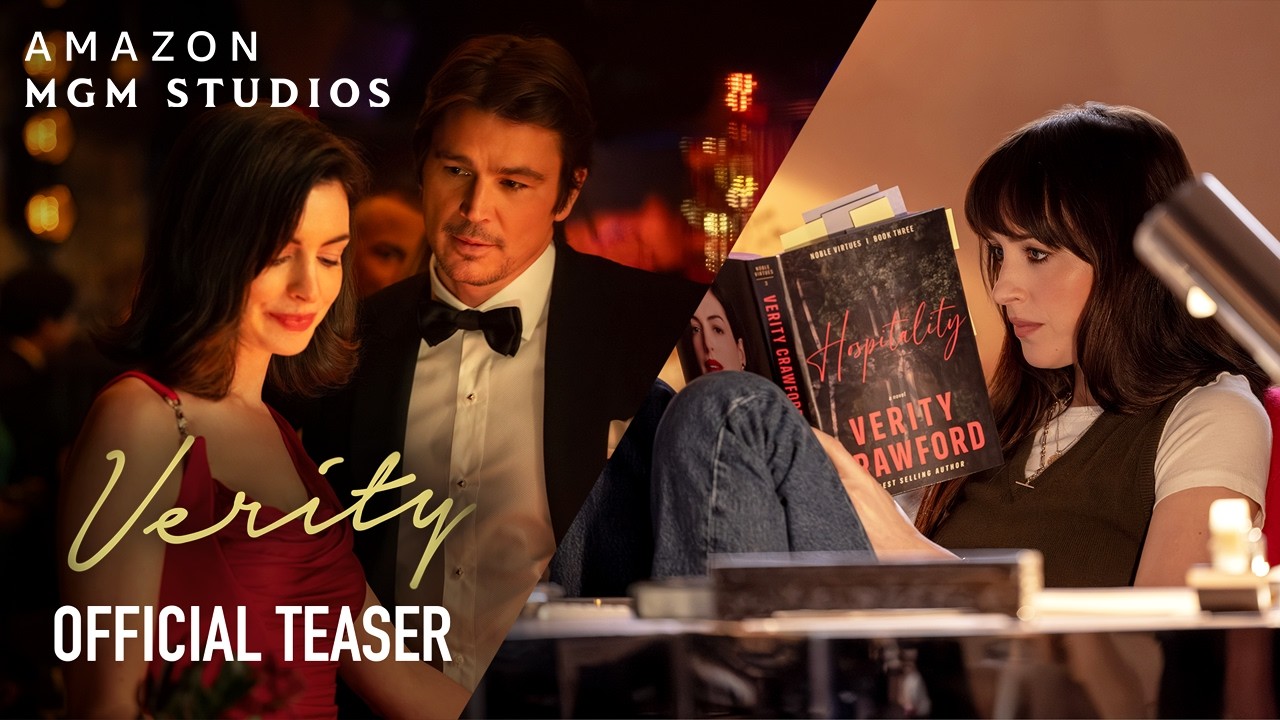
A dark psychological descent into obsession, manipulation, and the blurred line between truth and fiction
A writer uncovers secrets that should stay buried
Lowen Ashleigh is hired to ghostwrite for bestselling author Verity Crawford, who is unable to complete her work after a mysterious accident. As Lowen moves into the Crawford home, she begins uncovering disturbing manuscripts and hidden truths that challenge everything she believes.
The story unfolds as a slow-burning psychological thriller, blending suspense with emotional tension. The narrative explores obsession, control, and the fragility of perception. As reality and fiction intertwine, the emotional stakes intensify, creating an atmosphere of unease. Symbolically, the film reflects the danger of hidden narratives and the power of storytelling itself.
Why It Is Trending: A high-profile book-to-screen thriller riding the wave of dark female-led narratives
Verity is trending due to its origin as a bestselling novel by Colleen Hoover and its strong anticipation within the book-to-film adaptation space. The story taps into the rising demand for psychological thrillers centered on complex female characters.
Its casting, including Anne Hathaway and Dakota Johnson, adds mainstream appeal and star power. The film aligns with the success of similar narratives that blend domestic settings with psychological tension. Its release through Amazon MGM Studios ensures wide visibility. Additionally, the viral buzz generated by its trailer and shocking premise amplifies audience anticipation.
Elements Driving the Trend: Star power, literary adaptation, and psychological suspense
The film’s core appeal lies in its combination of a popular source material and high-profile casting. The narrative hook is rooted in mystery—uncovering hidden truths within an intimate domestic setting.
Anne Hathaway brings intensity and unpredictability to the role of Verity, while Dakota Johnson provides a grounded perspective as the audience surrogate. The story’s structure builds tension through gradual revelations, keeping viewers engaged. Its genre blend of romance, thriller, and mystery broadens its appeal.
Virality of Movie (Social Media Coverage): Strong buzz driven by shocking premise and fanbase anticipation
Social media engagement is driven by fans of the original novel and curiosity around its darker elements. The trailer has sparked widespread discussion, particularly around its intense and unsettling scenes.
The film’s premise encourages speculation and theory-building, increasing online engagement. Its combination of romance and psychological horror creates strong emotional reactions, fueling shareability.
Critics Reception: Early expectations highlight tension, performances, and adaptation challenges
Pre-release coverage from outlets like IndieWire suggests anticipation around its bold tone and performances. Critics are expected to focus on how effectively the film translates the novel’s psychological complexity.
There is particular interest in how the adaptation balances suspense with character development. The performances are anticipated to be a major strength.
Awards and Recognitions: Pre-release anticipation with strong commercial expectations
As the film is in post-production, it has not yet accumulated awards. However, its high-profile nature and source material position it for both commercial success and potential recognition.
Its visibility and buzz suggest strong performance upon release, particularly within the thriller and adaptation categories.
Director and Cast: A performance-driven thriller led by high-profile talent
Michael Showalter brings a character-focused approach, emphasizing emotional tension and psychological depth. His direction is expected to balance intimacy with suspense.
Anne Hathaway leads with a potentially transformative performance, while Dakota Johnson provides a compelling counterpart. Josh Hartnett adds complexity to the dynamic as Jeremy Crawford. The ensemble supports a narrative built on layered performances and tension.
The film trends because: Dark romance meets psychological suspense in a high-demand adaptation
-
Book-to-film adaptations dominate audience interest and built-in fanbases
-
Dark, female-led thrillers continue to gain popularity
-
Psychological narratives encourage engagement and discussion
The industry is increasingly investing in high-concept thrillers with strong emotional and narrative hooks.
Conclusion: A tense, high-stakes thriller positioned for major cultural and commercial impact
Verity stands out as a compelling blend of psychological tension and emotional complexity. Its narrative strength lies in its ability to merge intimacy with suspense.
Culturally, it reflects a growing fascination with dark, character-driven storytelling. From an industry perspective, it reinforces the power of literary adaptations in driving engagement. Ultimately, it positions itself as one of the most anticipated thrillers of its release year.
What Movie Trend Is Followed: The rise of dark domestic thrillers led by complex female protagonists and unreliable narratives
Verity follows the dominant trend of dark domestic psychological thrillers, where intimate relationships become the setting for manipulation, obsession, and hidden truths. These stories often center on female characters whose perspectives blur the line between victim and antagonist.
Emotionally, this trend thrives on tension, ambiguity, and moral complexity rather than traditional action. It is highly accessible because it uses familiar settings—homes, relationships, marriages—while introducing unsettling psychological depth. The trend resonates because it taps into fears around trust, identity, and the unknown within close relationships.
Trend Drivers: Audience fascination with psychological tension and morally ambiguous characters
The trend is driven by a strong audience appetite for suspense that is rooted in character rather than spectacle. Viewers are increasingly drawn to narratives that challenge perception and force them to question what is real.
From an industry perspective, these films are cost-effective yet highly engaging, making them attractive investments. The success of similar titles has reinforced confidence in the genre. Additionally, strong female-led performances elevate these stories, making them both commercially viable and critically engaging.
What Is Influencing Trend: Relationship anxiety, trust issues, and modern intimacy dynamics
Modern relationships are increasingly shaped by complexity, secrecy, and evolving power dynamics. Films like Verity reflect these anxieties by exploring hidden identities and emotional manipulation.
Generationally, audiences are more open to narratives that portray flawed and morally ambiguous characters. Emotionally, this creates deeper engagement as viewers navigate conflicting perspectives and motivations.
Macro Trends Influencing: The dominance of book-to-screen adaptations and IP-driven storytelling
The film industry is increasingly reliant on existing intellectual property, particularly bestselling novels with built-in audiences. Adaptations like Verity benefit from established fanbases and proven narrative appeal.
Culturally, audiences are comfortable with darker themes and complex storytelling structures. Lifestyle shifts, including streaming consumption and global distribution, allow such films to reach wider audiences quickly.
Consumer Trends Influencing: Demand for twist-driven, discussion-heavy content
Audiences are seeking content that encourages speculation, theory-building, and conversation. Psychological thrillers provide this through unexpected twists and layered storytelling.
Viewer behavior now includes engaging with content beyond viewing—discussing, analyzing, and sharing interpretations. This makes films like Verity highly engaging within digital and social environments.
Audience Analysis: Thriller-focused viewers seeking intensity, mystery, and emotional complexity
The primary audience falls within the 18–45 age range, including fans of psychological thrillers and book adaptations. These viewers are typically engaged with pop culture and enjoy narrative-driven entertainment.
Lifestyle-wise, they are digitally active, consuming content across streaming platforms and social media. Behaviorally, they prefer suspenseful, character-driven stories with strong emotional stakes. Their viewing habits include thrillers, mysteries, and adaptation-driven films.
They value unpredictability, strong performances, and layered storytelling. Their preferences lean toward content that challenges perception and delivers emotional impact.
Conclusion: A highly scalable and commercially powerful trend driven by suspense and familiarity
This trend works because it combines familiar settings with unpredictable narratives, creating both comfort and tension. Its scalability is strong due to its broad audience appeal and adaptability across platforms.
Sustainability is reinforced by continuous demand for thriller content and the availability of source material from bestselling novels. The industry continues to invest heavily in this space due to its proven success. As audiences seek deeper engagement, this trend is expected to remain dominant.
Final Verdict: A high-stakes psychological thriller poised to dominate through tension, star power, and narrative shock
Verity positions itself as a defining entry in modern dark thriller cinema, combining emotional intensity with a commercially powerful premise. Culturally, it reflects the continued fascination with hidden identities, toxic relationships, and the instability of truth.
From an industry perspective, the film represents the strength of book-to-screen adaptations in driving anticipation and engagement. It resonates with audiences seeking suspense, unpredictability, and layered storytelling. In the long term, it has the potential to reinforce the dominance of female-led psychological thrillers.
Audience Relevance: Strong engagement through fear, curiosity, and emotional tension
The film connects with audiences by tapping into universal fears around trust, control, and hidden truths. Its domestic setting makes the story feel immediate and relatable.
At the same time, the escalating tension and mystery create a compelling viewing experience that keeps audiences invested. This combination strengthens both emotional and psychological engagement.
What Is the Message of Movie: Truth is subjective, and control often hides behind vulnerability
At its core, Verity explores how narratives can be manipulated to control perception. The story challenges the idea of objective truth, suggesting that what is presented may not reflect reality.
It highlights how vulnerability can be weaponized and how trust can be exploited. The film leaves audiences questioning what they believe and why.
Relevance to Audience: Reflecting modern anxieties around relationships and identity
In an era where trust and authenticity are constantly questioned, the film feels highly relevant. It mirrors the complexities of modern relationships and the fear of hidden intentions.
Audiences resonate with narratives that explore these uncertainties, making the film both timely and impactful. It reflects the emotional tension present in contemporary life.
Social Relevance: A commentary on power dynamics within intimate relationships
The film examines how power operates within close relationships, often in subtle and manipulative ways. It reflects the imbalance that can exist beneath seemingly normal dynamics.
Socially, it highlights the psychological aspects of control and influence. This adds depth to the narrative, positioning it as both entertainment and commentary.
Performance: High anticipation with strong commercial and critical potential
As a pre-release film, Verity does not yet have an IMDb rating or box office results. However, its strong cast and source material suggest significant commercial potential.
The combination of Anne Hathaway, Dakota Johnson, and Josh Hartnett positions the film for strong audience draw. Its performance is expected to be driven by anticipation, marketing, and genre appeal.
Legacy: Potential to become a benchmark for modern psychological adaptations
If successful, Verity could become a reference point for future book-to-screen thrillers. Its blend of emotional intensity and narrative complexity positions it strongly within the genre.
Its legacy may lie in how it influences the portrayal of female-driven psychological narratives. It has the potential to shape future adaptations.
Success: Defined by audience engagement, box office performance, and cultural conversation
The film’s success will depend on its ability to translate anticipation into strong audience engagement. Its impact will likely be measured through box office performance and social media discussion.
Critically, it has the potential to be both praised and debated due to its provocative themes. Its success lies in its ability to generate conversation and maintain relevance.
Insights: A thriller that turns intimacy into psychological warfare
Insights: Verity demonstrates how intimate settings can be transformed into spaces of tension and psychological conflict, amplifying emotional stakes. Industry Insight: The film reinforces the ongoing dominance of book-to-screen adaptations, particularly within the thriller genre, as studios continue to leverage existing fanbases. It highlights the commercial value of high-concept narratives combined with star power. It also signals continued investment in female-led stories. Audience Insight: Viewers are increasingly drawn to narratives that challenge perception and encourage active interpretation. This reflects a shift toward engagement-driven storytelling. It also shows that audiences value unpredictability and emotional intensity. Social Insight: The film mirrors societal concerns around trust, manipulation, and power within relationships, making it both relevant and unsettling. It captures how control can manifest in subtle, psychological ways. This enhances its impact as both entertainment and commentary. Cultural Insight: Verity reflects a cultural fascination with dark, morally ambiguous storytelling that blurs the line between truth and fiction. It positions cinema as a medium for exploring uncomfortable realities. Ultimately, it reinforces the power of suspense-driven narratives in shaping cultural conversations.
Conclusion: A tense, provocative film set to leave a lasting psychological impact
Verity is poised to deliver a compelling and unsettling cinematic experience that prioritizes tension and complexity. It represents a broader shift toward narratives that challenge perception and provoke thought.
From a market perspective, it highlights the continued strength of the thriller genre within mainstream cinema. The film underscores the importance of storytelling that engages audiences emotionally and intellectually. Ultimately, it stands as a potential landmark in modern psychological filmmaking.
Summary of the Movie: A seductive and unsettling thriller where truth, fiction, and obsession dangerously collide
-
Movie themes: Obsession, manipulation, and the fragility of truth A psychological exploration of how hidden narratives and emotional control can distort reality within intimate relationships.
-
Movie director: Michael Showalter’ tension-driven, character-focused storytelling approach Michael Showalter brings a restrained yet suspenseful style that prioritizes emotional intensity and psychological depth over spectacle.
-
Top casting: Anne Hathaway and Dakota Johnson lead a high-stakes performance dynamic Anne Hathaway delivers a dark, unpredictable presence, while Dakota Johnson grounds the narrative as the audience’s entry point, supported by Josh Hartnett in a complex supporting role.
-
Awards and recognition: Pre-release anticipation with strong commercial potential While not yet released, the film’s source material and cast position it for major audience engagement and possible critical recognition.
-
Why to watch movie: A gripping adaptation blending romance with psychological suspense Ideal for viewers who enjoy twist-driven narratives, intense character studies, and dark emotional storytelling.
-
Key Success Factors: Strong IP foundation combined with star power and genre appeal The film leverages its bestselling novel origins and high-profile cast to drive anticipation and engagement.
-
Where to watch: Theatrical and streaming release via Amazon MGM Studios Expected release October 2, 2026 (United States), with wide distribution across cinemas and digital platforms.
Conclusion: A chilling and immersive experience that lingers through its psychological intensity
Verity is defined by its ability to transform a domestic setting into a space of tension and unease. The film leaves audiences questioning perception, truth, and emotional control long after viewing. Its strength lies in its layered storytelling and powerful performances. As a viewing experience, it delivers both suspense and psychological depth. Ultimately, it stands as a compelling example of modern thriller cinema driven by character and narrative complexity.





Leave a Reply