
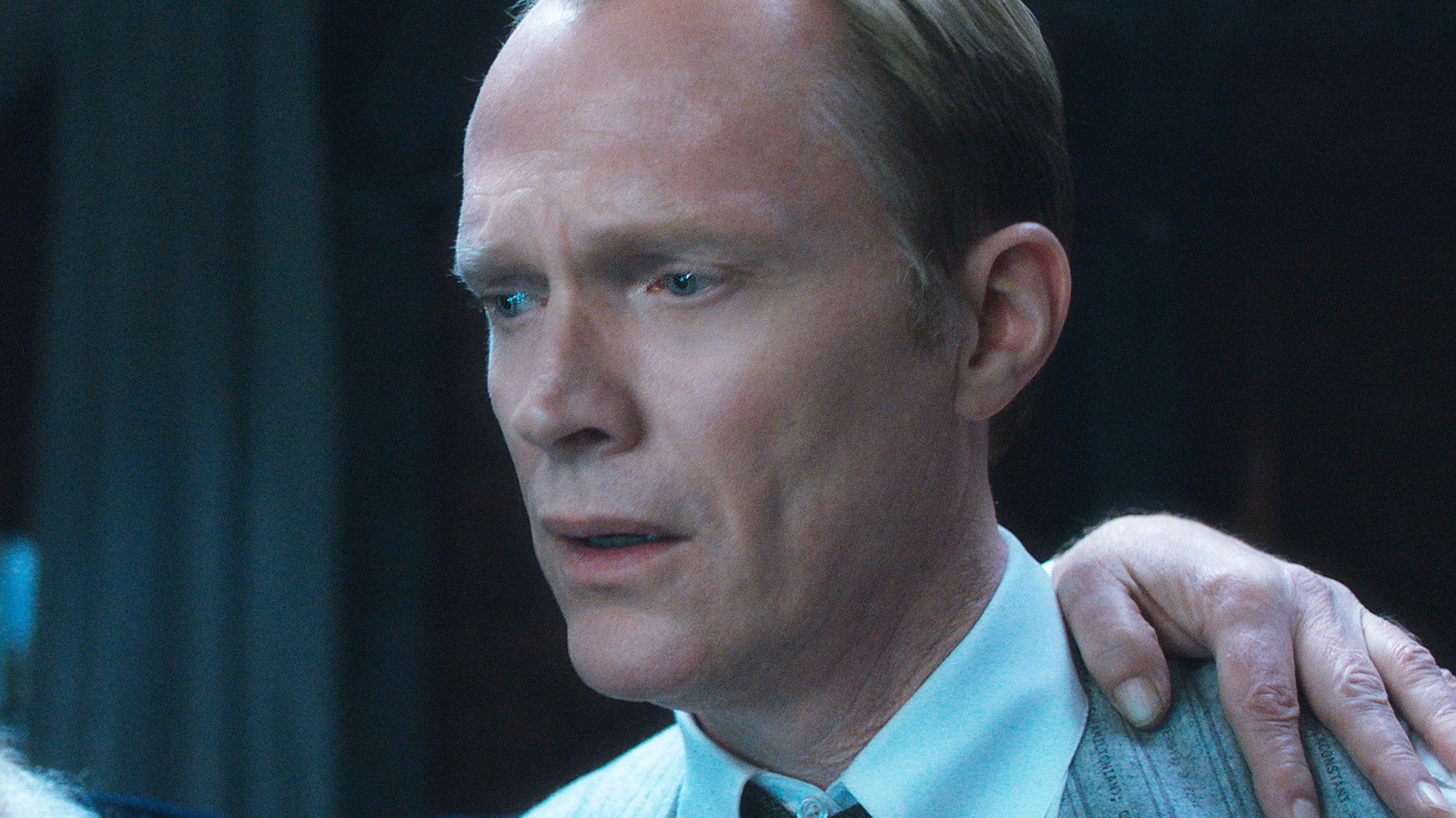
What is grief, if not reading further without watching the first two episodes of “VisionQuest” beforehand? There are spoilers ahead!
“VisionQuest” is a digital delight, a fantastic show that closes what has to be considered one of the best trilogies in the entire Marvel Cinematic Universe following “WandaVision” and “Agatha All Along.” It’s a series that gives not only the titular Vision (Paul Bettany) more depth than he’s had in over a decade of MCU stories, it also delivers a thrilling tale of self-discovery, identity, and the ghost in the machine.
But perhaps most impressive is how “VisionQuest” manages to avoid Marvel’s biggest problem since “Avengers: Endgame” was released: continuity. Indeed, what was once the MCU’s biggest feature is now its biggest bug, as the sheer amount of MCU stories sharing a singular timeline — with events and character arcs piling up on top of each other — has created a complex yet convoluted continuity. That means that every new Marvel title comes with an overwhelming amount of homework that audiences are starting to reject, prompting Marvel Studios to downsize its TV output.
This is what makes “VisionQuest” so impressive: It works on its own despite being a direct sequel to “WandaVision,” “Doctor Strange in the Multiverse of Madness,” “Agatha All Along,” Avengers: Infinity War,” and “Avengers: Age of Ultron” all at once. That’s quite a lot of Marvel storytelling to remember (not to mention, a whole lot of hours of media to ask someone to watch before starting this show). Yet, “VisionQuest” manages to convey its narrative in a concise way that’s friendly toward those who haven’t rewatched every single MCU project while still rewarding those who remember even smaller details.
VisionQuest is a show about memory
The first thing we see in “VisionQuest” is a recap of everything that’s happened in Vision’s life so far, from Ultron (James Spader) being born and inadvertently creating Vision to Vision falling in love with Wanda Maximoff (Elizabeth Olsen), being killed by Thanos (Josh Brolin), and being sorta resurrected by Wanda. It might seem obvious given we’re talking about a TV show, but this sequence alone does a great job of reminding audiences what they need to remember about Vision in a way that’s been done in the TV medium for decades.
Sure, there are few things worse than characters reminding each other of things they should know already, but what makes “VisionQuest” clever is that it makes sense in-universe. Several times in the first two episodes, one of the different AI entities living in Vision’s head mentions events from his past in a way that’s less referential and more expository. It works here because this isn’t strictly Vision that we’re following, it’s just a copy of him with all his memories. Moreover, as we see in the first episode, this version of Vision spends most of his time reliving moments from the original Vision’s life to better understand him. That, in turn, allows “VisionQuest” to constantly call back to previous MCU titles and remind audiences of what happened in them.
VisionQuest works because of the MCU’s convoluted timeline
At the same time, VisionQuest” doesn’t feel the need to explain every single thing that happens. Rather, the show really only calls back to previous plot points in the MCU the moment something needs clarification. Otherwise, it’s content to just reference things in a casual way via character conversations. For instance, when someone mentions Westview, they avoid explaining everything there is to say about what went down in “WandaVision.” Likewise, when the show introduces Vision and Wanda’s son Tommy (Ruaridh Mollica) as a now young man, it simply explains that his soul was trapped in the body of a random teenager (as opposed to recapping everything that went down in “Agatha All Along” related to that).
This all helps to make “VisionQuest” more welcoming to relative MCU newcomers, thus reducing the amount of homework that’s needed to fully understand the show’s plot at any given point in time. This is itself both the blessing and the curse of the MCU’s timeline, as it matters only when creatives deem it to matter. As such, the question of where “VisionQuest” takes place in the larger MCU timeline only somewhat matters (though it’s obviously still useful to know its general placement in that regard).
The thing is, as much as “VisionQuest” tries to avoid overburdening viewers with MCU homework, it only exists because of all that homework. To be sure, this is a show that works because it has nearly 20 years of stories to draw from, and that will only continue to be the case as the series progresses.
You can stream “VisionQuest” on Disney+, with new episodes dropping on Tuesdays.






Leave a Reply