
An Epic Documentary About Art, Memory, and the Human Cost of History
One artist’s lifelong masterpiece becomes a portrait of a century shaped by revolution, trauma, and survival.
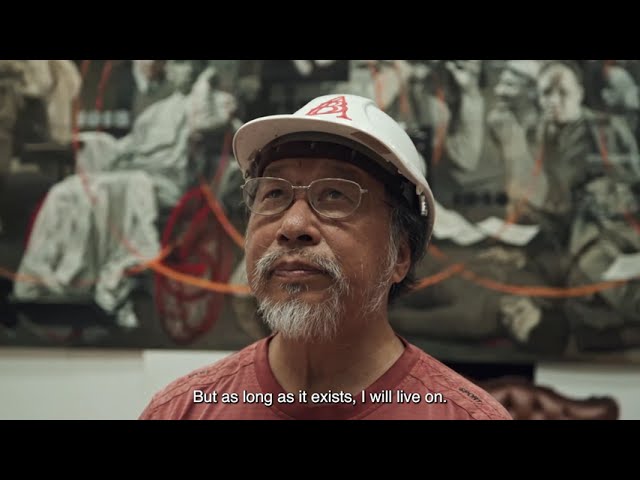
Welcome to Babel follows renowned Chinese-Australian artist Jiawei Shen as he undertakes the monumental task of creating Tower of Babel, a massive multi-panel mural chronicling the turbulent history of modern China. As the artwork slowly takes shape, the film expands beyond the creative process to explore Jiawei’s personal journey through the Great Famine, the Cultural Revolution, and the aftermath of the Tiananmen Square protests and massacre before his migration to Australia. Alongside fellow artist and wife Lan Wang, he reflects on memory, displacement, artistic purpose, and the responsibility of preserving history. The documentary transforms an artistic project into a deeply human exploration of identity and historical memory. Through one extraordinary artwork, it examines how personal stories intersect with some of the most consequential events of the twentieth century.
➡️ Implication: Contemporary documentaries increasingly use individual creative journeys to make complex historical events emotionally accessible.
Why It Is Trending: Personal History and Global History Converge Through Art
Welcome to Babel has attracted attention because it combines an intimate artist portrait with a sweeping examination of modern Chinese history. Audiences are drawn to stories that humanize major historical events through personal experience. The documentary also arrives during a period of growing interest in migration narratives, cultural identity, and historical remembrance. Jiawei Shen’s ambitious mural provides a visually compelling centerpiece that distinguishes the film from conventional historical documentaries. Its success at film festivals and awards recognition has further elevated its visibility among documentary audiences.
➡️ Implication: Documentaries gain stronger engagement when they connect large historical narratives to personal human stories.
Elements Driving the Trend: Art, History, and Memory Intersecting
The documentary’s growing appeal is driven by several factors:
• A remarkable large-scale artistic project.
• First-hand perspectives on major twentieth-century Chinese history.
• Themes of migration, identity, and belonging.
• A compelling creative partnership between Jiawei Shen and Lan Wang.
• Strong festival recognition and critical acclaim.
Together, these elements create a documentary that operates as both an artist profile and a historical reflection.
➡️ Implication: Audiences increasingly seek documentaries that combine educational value with emotional storytelling.
Virality of Movie: The Scale of the Artwork Becoming the Conversation
The documentary’s strongest source of audience fascination is the extraordinary scale of Jiawei Shen’s mural project. Images of a four-panel, three-story-high artwork depicting decades of historical transformation naturally capture attention. Viewers are also intrigued by the personal sacrifices and determination required to complete such an ambitious undertaking. Discussions frequently focus on how art can preserve memory and challenge historical forgetting. The visual power of the project gives the film a unique identity within the documentary landscape.
➡️ Implication: Documentaries often achieve visibility when centered around extraordinary personal achievements with strong visual impact.
Critics Reception: A Powerful Blend of Biography and Historical Reflection
Critical reception has been highly positive, with reviewers praising the documentary’s ability to balance personal storytelling with broader historical context. Critics have highlighted James Bradley’s sensitive direction and his ability to make monumental historical events feel intimate and human. The film has also been recognized for its visual richness, particularly in documenting the creation of Jiawei Shen’s mural. Reviewers frequently note the emotional depth created through the relationship between Jiawei and Lan Wang. The overall consensus positions the documentary as both an inspiring artist portrait and a thoughtful historical meditation.
➡️ Implication: The strongest documentaries often succeed by making history feel personal rather than purely informational.
Awards and Recognitions: Documentary Excellence Recognized Across Australia
The documentary’s most significant recognition is its win for Best Feature Documentary at the Film Critics Circle of Australia Awards. This award is one of Australia’s most respected forms of critical recognition and highlights the film’s achievement in combining artistic, historical, and emotional storytelling. The documentary also won the Documentary Australia Award at the Sydney Film Festival, further cementing its standing within the documentary community. These honors recognize James Bradley’s ability to transform a highly personal story into a work of broad historical significance. The awards validate the film’s success as both cinema and cultural documentation.
➡️ Implication: Award-winning documentaries increasingly earn recognition by connecting individual lives to larger historical narratives.
Director and Cast: Bringing History to Life Through Personal Testimony
Director James Bradley approaches the subject with patience and curiosity, allowing the story to emerge organically through the artistic process. Jiawei Shen serves as both subject and storyteller, bringing remarkable passion and insight to the film. Lan Wang provides emotional balance and additional historical perspective, enriching the narrative with her own experiences. Together, they create a portrait of a creative partnership shaped by resilience and shared memory. Their authenticity gives the documentary much of its emotional power.
➡️ Implication: Personal testimony remains one of the most powerful tools for transforming history into compelling cinema.
Conclusion: A Monumental Work About Art’s Power to Preserve Memory
Welcome to Babel is far more than a documentary about painting. It is a reflection on memory, migration, artistic purpose, and the responsibility of remembering difficult history. Through Jiawei Shen’s extraordinary mural, the film transforms political events into human experiences that feel immediate and personal. Its combination of visual artistry, historical insight, and emotional honesty makes it one of the more distinctive documentaries of the year. Ultimately, it demonstrates how art can become both a personal legacy and a historical record.
➡️ Implication: Documentary filmmaking is increasingly serving as a bridge between personal memory and collective history.
What Movie Trend Is Followed: Artist-Led Documentaries Transforming History Into Personal Narrative
Welcome to Babel follows the growing documentary trend of using artists and creators as guides through complex historical events. Rather than presenting history through experts or archival material alone, the film explores the past through the lived experiences of an individual whose work directly engages with those events. This approach creates a stronger emotional connection between audiences and historical subjects. Contemporary documentaries increasingly favor personal storytelling as a way of making large-scale political and social issues more accessible. The film exemplifies how individual memory can become a powerful lens for understanding collective history.
➡️ Implication: Modern documentaries increasingly rely on personal narratives to make historical and political subjects more emotionally engaging.
Trend Drivers: Personal Testimony, Historical Reflection, and Creative Expression Converging
The rise of this trend is driven by audiences seeking stories that combine factual insight with emotional authenticity. Personal testimony often creates a stronger connection than traditional educational formats. At the same time, viewers are increasingly interested in understanding history through individual experiences rather than institutional perspectives. Artistic subjects provide an especially compelling framework because creativity itself becomes part of the narrative. These factors have contributed to the growing popularity of artist-centered documentaries.
➡️ Implication: Audiences increasingly value documentaries that combine historical education with personal emotional journeys.
What Is Influencing Trend: Memory Becoming a Cultural Priority
Across many societies, there is growing concern about preserving memories of major historical events as generations change. Documentaries have become important tools for recording personal experiences before they disappear. Migration stories, political upheaval, and cultural identity are particularly relevant topics within this movement. Filmmakers increasingly focus on firsthand perspectives that provide emotional depth and historical nuance. Welcome to Babel reflects this broader effort to preserve memory through storytelling.
➡️ Implication: The preservation of personal memory is becoming one of documentary cinema’s most important cultural functions.
Macro Trends Influencing: Global Audiences Seeking Human-Centered History
The documentary landscape has shifted toward stories that place individuals at the center of historical narratives. Audiences often engage more deeply with history when it is connected to recognizable human experiences. At the same time, international interest in migration, identity, and cultural displacement continues to grow. Streaming platforms and global festivals have further increased demand for documentaries with both local specificity and universal themes. Welcome to Babel aligns closely with these international trends.
➡️ Implication: Human-centered historical storytelling is becoming one of the most successful documentary formats worldwide.
Consumer Trends Influencing: Viewers Seeking Meaningful and Inspirational Stories
Documentary audiences increasingly seek content that is informative, emotionally engaging, and personally inspiring. Stories about artists, creators, and visionaries often resonate because they combine achievement with human struggle. Viewers also respond strongly to narratives involving perseverance, identity, and purpose. The documentary’s focus on an ambitious artistic undertaking provides both inspiration and historical insight. This combination broadens its appeal beyond traditional documentary enthusiasts.
➡️ Implication: Inspirational real-life stories often attract audiences who might not normally seek out historical documentaries.
Audience Analysis: Educated, Culturally Curious, and Historically Engaged Viewers
The primary audience includes documentary enthusiasts, art lovers, history audiences, festival-goers, and culturally engaged viewers. Demographically, the film is likely to appeal most strongly to adults interested in global history, contemporary art, and migration stories. Psychographically, these viewers value intellectual depth, cultural understanding, and authentic personal narratives. Their viewing habits often include international documentaries, festival selections, and educational content. They are motivated by both learning and emotional connection.
➡️ Implication: Documentary audiences increasingly seek stories that provide both cultural insight and personal inspiration.
Conclusion: Personal History Becoming the Future of Documentary Storytelling
Welcome to Babel reflects one of the strongest trends in contemporary documentary filmmaking: the fusion of personal biography with major historical events. By focusing on Jiawei Shen’s artistic journey, the film transforms political history into an intimate human experience. Its themes of memory, migration, and artistic purpose resonate across cultures and generations. The documentary demonstrates how individual stories can illuminate broader historical truths. As audiences continue seeking emotionally engaging nonfiction storytelling, films like Welcome to Babel are likely to become increasingly influential.
➡️ Implication: The future of documentary cinema will increasingly be shaped by personal stories that illuminate larger historical and cultural realities.
Final Verdict: A Powerful Documentary Where Art Becomes a Living Historical Archive
Welcome to Babel is an ambitious and emotionally resonant documentary that successfully combines biography, history, and artistic exploration. Its greatest achievement is transforming a massive painting project into a deeply personal reflection on memory, identity, and survival. Rather than presenting history as a distant subject, the film makes it immediate through the experiences of Jiawei Shen and Lan Wang. The documentary’s visual richness and emotional honesty elevate it beyond a conventional artist profile. Ultimately, it stands as a compelling testament to the power of art to preserve stories that might otherwise be forgotten.
➡️ Implication: The most effective documentaries connect historical events to personal experiences that audiences can emotionally understand.
Audience Relevance: Speaking to Questions of Identity and Belonging
The film resonates because its themes extend far beyond China’s history. Questions of identity, migration, belonging, and cultural memory affect millions of people worldwide. Audiences can connect with Jiawei Shen’s desire to understand his past and leave a meaningful legacy. The documentary also speaks to anyone who has struggled to reconcile personal history with larger historical forces. These universal themes help broaden the film’s appeal beyond art and history enthusiasts.
➡️ Implication: Stories rooted in specific historical experiences often achieve the greatest impact when they address universal human concerns.
What Is the Message of Movie: Art Can Preserve What History Risks Forgetting
At its core, Welcome to Babel argues that art is a powerful tool for preserving memory and confronting historical truth. Jiawei Shen’s mural is not simply an artistic achievement but an act of remembrance. The film suggests that creative expression can provide understanding where political narratives often fall short. It also highlights the responsibility artists sometimes feel to document the experiences of their generation. Through this perspective, art becomes both personal testimony and historical record.
➡️ Implication: Creative works can serve as lasting forms of cultural memory long after historical events have passed.
Relevance to Audience: Transforming Complex History Into Human Experience
Many viewers may be unfamiliar with the specific historical events depicted in the film, yet the documentary remains accessible because it focuses on personal experience. Rather than overwhelming audiences with information, it invites them into Jiawei Shen’s emotional journey. The artistic process provides a visual and narrative framework that helps make complex history understandable. This approach encourages empathy rather than simple observation. As a result, the film remains engaging even for audiences with limited historical knowledge.
➡️ Implication: Human-centered storytelling is one of the most effective ways to make complex historical subjects accessible.
Social Relevance: Memory, Migration, and Historical Reflection
The documentary contributes to ongoing conversations about migration, displacement, and the preservation of cultural memory. Jiawei Shen and Lan Wang’s experiences reflect broader stories shared by many immigrant communities. The film also highlights the importance of documenting difficult historical periods before firsthand witnesses disappear. In a world increasingly shaped by debates about history and identity, these themes remain highly relevant. The documentary therefore functions as both a personal story and a broader social reflection.
➡️ Implication: Documentaries play a crucial role in preserving perspectives that may otherwise be lost over time.
Performance: Authenticity and Passion Drive the Narrative
Because Welcome to Babel is a documentary, its emotional power comes from authenticity rather than performance in a traditional sense. Jiawei Shen emerges as a compelling central figure whose passion, determination, and vulnerability sustain audience engagement. Lan Wang provides valuable emotional and historical context, deepening the narrative’s personal dimension. Their relationship adds warmth and humanity to the film’s larger historical themes. Together, they transform a documentary about art into a moving portrait of resilience and partnership.
➡️ Implication: Authentic personal voices often create stronger emotional impact than conventional documentary narration.
Legacy: A Significant Contribution to Contemporary Documentary Cinema
Welcome to Babel has the potential to remain an important example of artist-centered documentary filmmaking. Its combination of historical reflection, personal storytelling, and artistic ambition gives it enduring relevance. The film may also contribute to broader discussions about how art can engage with political history. Its awards recognition and festival success further strengthen its long-term cultural standing. Over time, it is likely to be remembered as both an artist portrait and a document of historical memory.
➡️ Implication: Documentaries that successfully connect art and history often achieve lasting cultural significance.
Success: Critical Recognition Validating Artistic and Historical Value
The film’s success is reflected in its strong critical reception and notable awards recognition. Winning Best Feature Documentary at the Film Critics Circle of Australia Awards and the Documentary Australia Award at the Sydney Film Festival confirms its impact within the documentary community. Critics have praised its ability to balance intimate biography with broader historical themes. The documentary’s influence extends beyond commercial performance into cultural and educational value. This recognition underscores its importance as both cinema and historical testimony.
➡️ Implication: Documentary success is increasingly measured by cultural impact and critical recognition rather than box-office performance alone.
Insights: Welcome to Babel demonstrates how one artist’s vision can illuminate an entire generation’s historical experience. Industry Insight: Documentary audiences increasingly embrace films that blend biography, history, and creative process into a single narrative. Consumer Insight: Viewers seek documentaries that educate while also providing emotional and personal connection. Social Insight: The preservation of memory remains one of the most important cultural functions of nonfiction storytelling. Cultural/Brand Insight: Art-centered documentaries continue proving that creative expression can be a powerful vehicle for historical understanding. Final Insight: The film’s greatest achievement is showing how personal memory, when expressed through art, can become part of collective history.
Conclusion: A Monumental Reflection on Art, Memory, and History
Welcome to Babel is more than a documentary about an artist creating a mural; it is a meditation on how individuals carry history within them. Through Jiawei Shen’s extraordinary project, the film explores the relationship between creativity, memory, and historical responsibility. Its emotional strength comes from its ability to connect personal experiences with major world events. Supported by authentic storytelling, powerful themes, and award-winning execution, it stands as one of the more meaningful documentaries of recent years. The film ultimately argues that remembering the past is not only a historical obligation but also a deeply human one.
➡️ Implication: The most enduring documentaries are those that transform individual stories into universal reflections on humanity and history.
Summary of the Movie: Art as Memory, History as Personal Testimony
• Movie Themes: Memory, migration, identity, artistic purpose, historical trauma, resilience, cultural preservation, and the relationship between personal experience and collective history. The documentary explores how art can transform lived experience into a lasting historical record.
➡️ Implication: Personal stories become most powerful when they illuminate broader historical and cultural realities.
• Movie Director: James Bradley crafts a visually rich and emotionally intimate documentary that balances the creation of a monumental artwork with reflections on some of the most significant events of modern Chinese history.
➡️ Implication: Documentary filmmakers increasingly use personal creative journeys to make complex historical subjects more accessible.
• Top Casting: Jiawei Shen and Lan Wang serve as the documentary’s emotional and intellectual center, providing firsthand perspectives on history, migration, artistic ambition, and personal resilience.
➡️ Implication: Authentic personal testimony remains one of the most compelling tools in documentary storytelling.
• Awards and Recognition: The documentary’s most important recognition is its Best Feature Documentary win at the Film Critics Circle of Australia Awards. The award highlights the film’s achievement in combining artistic exploration, historical reflection, and emotionally powerful storytelling. Its Documentary Australia Award victory at the Sydney Film Festival further reinforced its critical standing.
➡️ Implication: Major documentary awards often recognize works that successfully bridge personal narratives and historical significance.
• Why to Watch Movie: Viewers interested in art, history, migration stories, Chinese political history, and inspiring creative journeys will find a deeply engaging and emotionally rewarding experience. The documentary offers both educational value and personal insight.
➡️ Implication: Documentaries achieve broader appeal when they combine intellectual depth with emotional accessibility.
• Key Success Factors: A fascinating central subject, a visually spectacular artistic project, intimate personal storytelling, historical relevance, strong direction, and award-winning documentary craftsmanship.
➡️ Implication: The strongest documentaries unite compelling individuals with universally meaningful themes.
• Where to Watch: The film premiered in Australia in June 2024 and has circulated through festivals and documentary distribution channels. Availability varies by region depending on broadcaster, educational, festival, and streaming agreements.
➡️ Implication: Award-winning documentaries increasingly build global audiences through festivals and specialized distribution platforms.
Conclusion: A Documentary That Turns One Life Into a Portrait of a Generation
Welcome to Babel is an extraordinary documentary about the intersection of creativity, memory, and history. Through Jiawei Shen’s ambitious mural project, the film examines some of the defining political and social events of modern China while never losing sight of the human beings who lived through them. Its greatest strength is its ability to transform historical complexity into a deeply personal and emotionally engaging story. By documenting both artistic creation and lived experience, the film preserves important memories for future generations. The documentary’s critical recognition reflects its success as both cinema and cultural testimony. Ultimately, Welcome to Babel stands as a powerful reminder that art can become one of history’s most enduring forms of remembrance.
➡️ Implication: The most impactful documentaries show how individual lives can illuminate entire eras, helping audiences understand history through human experience.






Leave a Reply