
Why it is Trending: A Single Prestige TV Series Has Transformed a 1990s Style Icon Into the Most Commercially Potent Fashion Reference of Spring 2026
Ryan Murphy’s Love Story is FX’s most-watched limited series ever on Hulu and Disney+ — and its cultural impact has moved well beyond streaming metrics into physical retail, international consumer behaviour, and a 2,388% increase in online orders for a single eyewear style. The CBK effect is the most precise current illustration of how prestige screen culture converts historical aesthetic into immediate commercial demand.
-
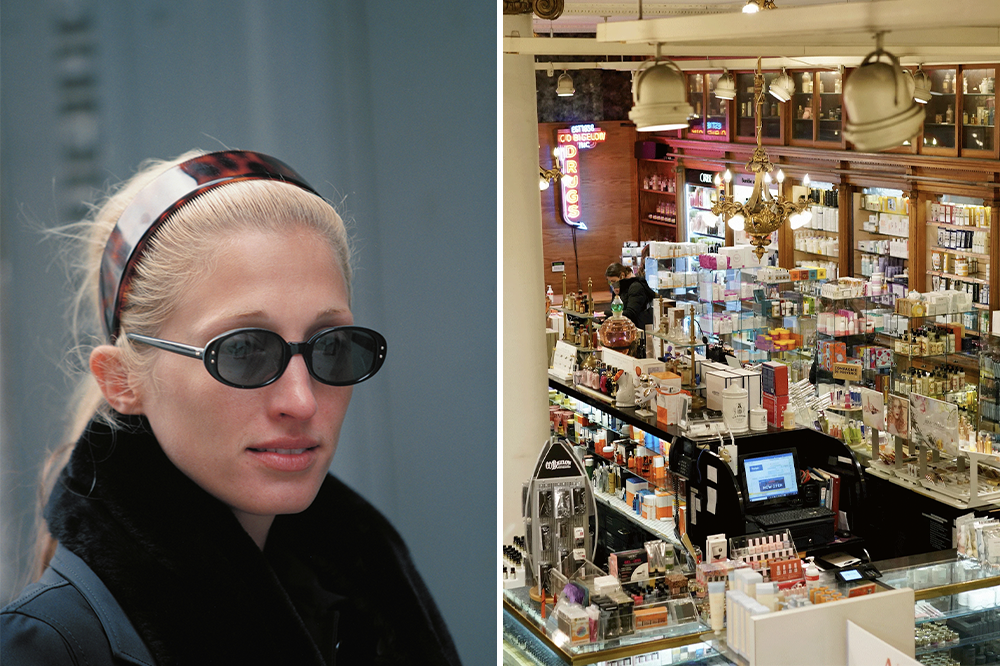
The screen-to-retail pipeline is operating at extraordinary speed — Selima Optique sold out of the Aldo and Carolyn styles in black and auburn at every New York storefront by the Monday after the premiere weekend.
-
Accessibility is amplifying reach — C.O. Bigelow’s $30 tortoiseshell headband is functioning as the entry point for a younger audience that cannot access Bessette Kennedy’s luxury wardrobe but can touch her most iconic accessory.
-
Heritage retail is the primary beneficiary — C.O. Bigelow, 188 years old, and Zitomer Pharmacy are experiencing significant traffic and sales surges driven entirely by association with a style icon who shopped there decades ago.
-
The effect is international — a woman in Munich messaging Selima Optique’s Paris store about the Aldo in auburn tortoise, willing to travel to Paris to collect it, confirms that the CBK moment has escaped its American origins entirely.
-
Community behaviour is forming in-store — strangers at C.O. Bigelow trying on headbands together, asking each other for style advice, creating the kind of spontaneous social retail experience that e-commerce structurally cannot replicate.
Virality: Love Story is generating sustained TikTok and Instagram content as viewers recreate Bessette Kennedy’s looks in real time — jeans, black turtlenecks, midi skirts, oval sunglasses, tortoiseshell headband — creating a visual template that is simultaneously aspirational and accessible. C.O. Bigelow’s queue and sell-out headlines are circulating as retail cultural moments in their own right. Selima Optique’s 2,388% order increase is a data point precise enough to travel as a standalone news story across fashion, business, and cultural press simultaneously.
Industries: Luxury and accessible fashion, eyewear, hair accessories, heritage retail and pharmacy, streaming and prestige television, fashion history and archival culture, tourism and experiential retail, beauty and personal care.
The CBK retail boom is not a nostalgia story — it is a screen culture story. Bessette Kennedy’s style existed in the cultural record for 25 years without generating this level of commercial activation; Love Story converted latent aesthetic admiration into immediate purchasing behaviour by giving a new generation their first emotionally immersive encounter with her world. The screen-to-retail pipeline has never been faster, more precise, or more globally distributed than it is in 2026.
Description Of The Consumers: The Style Archaeologist Who Uses Screen Culture as a Portal to Historical Aesthetic and Shops the References in Real Time
This consumer is not passively absorbing fashion inspiration — they are actively researching, sourcing, and purchasing the specific items that anchor a screen-delivered aesthetic identity. The CBK viewer who arrives at C.O. Bigelow specifically asking where the headbands are has completed a discovery, research, and purchase intent journey before entering the store.
-
Name: The Style Archaeologist — uses prestige screen properties as a discovery mechanism for historical fashion references, then actively sources the specific items, brands, and accessories that constitute the aesthetic.
-
Demographics: Primarily 20–35, female, culturally engaged, active on TikTok and Instagram where CBK look recreation content is circulating widely. Broad economic range — from luxury buyers sourcing original Bessette Kennedy wardrobe pieces to younger consumers finding the $30 Bigelow headband as their accessible entry point.
-
Core behaviour: Watches the show, identifies the specific items, searches for the original source, and purchases — often within days of the screen encounter. The research journey is part of the pleasure; finding the original C.O. Bigelow headband rather than a generic alternative is culturally meaningful.
-
Mindset: Authenticity of reference matters — the Aldo style from Selima Optique because that is what Bessette Kennedy actually wore, the Wahba headband from C.O. Bigelow because that is where she bought it. Provenance is part of the product’s value.
-
Emotional driver: Wants to participate in the aesthetic universe of a woman who has been described as a rock star who went out at the height of her fame — there is romantic tragedy, effortless style, and a specific New York world of the 1990s that the show has made emotionally vivid and personally accessible.
-
Cultural preference: Minimal, considered, historically grounded personal style — Bessette Kennedy’s black turtlenecks and classic denim are the anti-fast-fashion aesthetic, and the consumer recreating her look is making a values statement about quality and restraint as much as a fashion statement.
-
Decision-making: Driven by screen reference, social proof from peer recreation content, and provenance authenticity — will travel to a specific store, wait in a queue, or message a Paris boutique from Munich rather than accept a generic alternative.
This consumer is the fashion industry’s most commercially responsive screen-activated segment — they convert viewing into purchasing with exceptional speed and exceptional specificity, and they generate the peer content that extends the commercial activation across the full social network.
Main Audience Motivation: The Desire to Own a Piece of an Aesthetic World That Feels Both Historically Significant and Personally Attainable
The CBK consumer is not simply buying a headband — they are buying access to a specific emotional and aesthetic world that Love Story has made vivid, romantic, and urgently relevant. The $30 Bigelow headband is the most accessible point of entry into that world, which is precisely why it sold out before the luxury alternatives.
-
Primary motivation: To participate in the aesthetic identity of a style icon whose world has been made emotionally immediate by a prestige screen property — the purchase is a form of cultural participation, not just personal styling.
-
Secondary motivation: To own the authentic, provenance-verified item rather than a generic alternative — the Wahba headband from C.O. Bigelow, the Aldo from Selima Optique, because these are what she actually wore and where she actually shopped.
-
Emotional tension: Wants to honour the aesthetic without feeling like costume — the best CBK recreations feel like personal style informed by a reference rather than literal replication of an outfit.
-
Behavioural outcome: Purchases across multiple CBK-associated categories simultaneously — sunglasses, headband, leather coat, midi skirt — building a coherent aesthetic wardrobe rather than a single statement piece.
-
Identity signal: Wearing Bessette Kennedy references signals taste intelligence, fashion history knowledge, and alignment with a specific vision of effortless, considered, New York personal style that is culturally legible to peers without requiring explanation.
Trends 2026: Prestige TV Is Now the Most Powerful Fashion Activation Mechanism Available and Heritage Retail Is Its Primary Commercial Beneficiary
The CBK retail boom is one data point in a structural trend — prestige limited series set in historically rich aesthetic periods are converting viewing audiences into fashion consumers with a speed, specificity, and global reach that no fashion campaign can approach.
-
What is influencing: Love Story‘s emotional authenticity — the tragic romance, the specific New York world, the carefully researched wardrobe — is converting passive aesthetic admiration into active consumer behaviour by making Bessette Kennedy feel genuinely known rather than merely referenced. Heritage retail’s provenance advantage — C.O. Bigelow and Zitomer Pharmacy stocked the actual headband she wore — is delivering an authenticity premium that no fast fashion alternative can replicate regardless of price or availability. The accessibility architecture of the CBK aesthetic — a $30 headband, a pair of classic dark jeans, a black turtleneck — means the screen-to-retail conversion operates across economic demographics simultaneously rather than being confined to luxury buyers.
-
Macro trends influencing: Neo-Romanticism’s cultural momentum is priming audiences for historically rooted aesthetic references delivered through prestige screen properties — Love Story, Bridgerton, and Wuthering Heights are all activating the same consumer appetite for beauty, romance, and historical fashion with different period references. The nostalgia economy’s extension into the 1990s is reaching its peak commercial maturation — Gen Z’s first encounter with 90s minimalism through screen properties is generating the same intensity of consumer activation that the 80s nostalgia wave produced for millennials a decade ago. Social media’s look recreation culture — TikTok styling videos, Instagram outfit recreations — has created a distribution infrastructure for screen-to-fashion activation that converts individual consumer purchases into peer recommendation content at scale.
-
Novelty/Innovation: Yes — the precision of the CBK activation — a specific headband style, a specific eyewear frame, a specific pharmacy — represents a new level of screen-to-retail specificity that goes well beyond general aesthetic inspiration into provenance-authenticated product sourcing.
-
Business differentiation: Very high — heritage retailers with genuine provenance connections to iconic figures are structurally irreplaceable in screen-activated retail moments, commanding the authenticity premium that generic alternatives cannot approach.
-
Brand strategy: Build proactive screen partnership and provenance communication infrastructure — identify prestige productions featuring historical figures associated with your brand or products and position for the retail activation before the premiere rather than reacting after the sell-out.
|
Screen-to-Retail Activation |
Prestige TV converting historical aesthetic references into immediate, precise, global consumer purchasing behaviour |
Heritage brands with genuine provenance connections to screen-featured icons are structurally irreplaceable during activation moments |
|
|
Accessibility Architecture |
$30 headband functioning as affordable entry point into a luxury aesthetic universe — bridging economic demographics through a single accessible item |
Brands offering accessible price points within aspirational aesthetic systems capture the broadest possible screen-activated audience |
|
|
TikTok and Instagram CBK styling content extending screen activation into sustained peer recommendation that outlasts the show’s run |
User-generated recreation content is the most efficient distribution mechanism for screen-to-fashion activation — it is self-sustaining, peer-validated, and algorithmically amplified |
||
|
Heritage Retail Renaissance |
C.O. Bigelow and Zitomer benefiting from 1990s provenance connections that no contemporary retailer can replicate |
Heritage retailers with documented historical connections to cultural icons are sitting on commercially dormant provenance assets that prestige screen activation can unlock overnight |
|
|
Consumers sourcing the specific original item — Wahba headband, Aldo frame — rather than generic alternatives despite availability of cheaper options |
Authenticity of reference commands a premium that price-competitive alternatives cannot erode — the consumer will travel to Paris or wait in a queue for the real thing |
||
|
International Style Tourism |
Munich consumer planning Paris trip for Selima Optique Aldo — screen-activated fashion pilgrimage crossing international borders |
Heritage fashion retail in iconic cities is a tourism activation asset that prestige screen properties can unlock at global scale |
|
|
CBK’s black turtlenecks, classic denim, and restrained accessories resonating with Gen Z as their first encounter with 90s minimalism |
The 90s aesthetic is reaching its peak Gen Z commercial activation — brands with genuine 90s heritage are at the beginning of a sustained revival cycle |
||
|
In-Store Community Formation |
Strangers at C.O. Bigelow trying on headbands together and advising each other — spontaneous social retail experience that e-commerce cannot replicate |
Screen-activated retail moments generate community behaviour that transforms heritage stores into cultural destinations with social experience value beyond the product |
The CBK retail boom will outlast Love Story‘s broadcast run because Bessette Kennedy has been cemented as a style muse for a new generation — and that cementation will continue to drive consumer behaviour long after the finale, deepening with each social media recreation, each new CBK-associated product launch, and each international consumer who discovers the aesthetic through the show’s global streaming distribution.
Final Insights: The Love Story Effect Proves That the Most Powerful Fashion Activation in 2026 Is Not a Campaign — It Is a Prestige Screen Property With Authentic Provenance and Accessible Entry Points
Selima Optique’s 2,388% order increase in four weeks is not a marketing achievement — it is a cultural achievement that marketing could never have engineered. The CBK retail boom happened because the show was emotionally authentic, the aesthetic was historically specific, and the products were genuinely provenance-verified.
Insights: The heritage brand or retailer that proactively builds relationships with prestige productions featuring figures associated with its history will capture the most commercially precise and globally distributed retail activation available — at a fraction of the cost of any campaign that could approximate the same result.
Industry Insight: Heritage retailers sitting on provenance connections to cultural icons are holding dormant commercial assets that a single prestige screen property can activate overnight — C.O. Bigelow’s 188-year history and Bessette Kennedy association became a global retail destination in weeks. Proactive provenance communication and screen partnership strategy converts those dormant assets into sustained commercial advantage rather than leaving them to activate accidentally. Consumer Insight: The Style Archaeologist sources with exceptional specificity and exceptional speed — they want the Wahba headband from C.O. Bigelow, not a generic tortoiseshell alternative, and they will queue, wait, and travel to get it. Serving this consumer requires provenance authenticity, stock availability planning ahead of screen activation, and the in-store community experience that makes the purchase feel like cultural participation rather than retail transaction. Social Insight: Look recreation content on TikTok and Instagram is self-sustaining, peer-validated, and algorithmically amplified — the CBK styling video ecosystem will continue generating consumer activation long after Love Story concludes its broadcast run. Brands that seed this ecosystem with authentic product information, provenance storytelling, and styling guidance will sustain the commercial activation across months rather than weeks. Cultural/Brand Insight: Bessette Kennedy has been described as a rock star who went out at the height of her fame — and Love Story has given that rock star a new generation of fans who are discovering her world through the most emotionally immersive medium available. The brands associated with her aesthetic are not just benefiting from a TV show; they are becoming permanent fixtures in the style mythology of a woman who will continue to fascinate new audiences long after the streaming algorithm has moved on.
The Love Story Effect is not repeatable by design — but it is predictable by pattern. Every prestige limited series set in a historically rich aesthetic period with an authentically researched wardrobe is a potential retail activation event, and the heritage brands that prepare for those events proactively rather than react to them retrospectively will capture their full commercial value.
Innovation Platforms: From Accidental Activation to Systematic Screen-to-Retail Strategy
-
Provenance Asset Mapping Programme Systematically audit the brand’s historical connections to cultural figures, iconic moments, and documented celebrity associations — building a provenance asset register that identifies which connections are most likely to be activated by future screen properties and positions the brand to capitalise before the premiere rather than after the sell-out. C.O. Bigelow’s Bessette Kennedy connection was always there; a provenance asset programme would have enabled stock preparation, partnership outreach, and marketing activation well before Love Story premiered.
-
Screen Partnership Intelligence Build a dedicated capability for monitoring prestige production pipelines — identifying historical period dramas, biographical limited series, and fashion-adjacent screen properties in development that feature figures or aesthetics associated with the brand’s provenance assets. Early partnership outreach — costume consultation, product placement, brand collaboration — positions the brand within the screen property’s authenticity infrastructure before the cultural moment arrives, rather than competing for attention after it peaks.
-
Accessibility Architecture Development Deliberately develop accessible entry-point products within aspirational aesthetic systems — the $30 headband strategy applied systematically across every prestige aesthetic the brand is associated with. The consumer who cannot access the full luxury wardrobe will purchase the most affordable authentic item available; brands that identify and stock those items proactively capture the broadest possible screen-activated audience across every economic demographic.
-
In-Store Community Experience Programme Design physical retail environments specifically for the community formation behaviour that screen-activated shopping generates — the C.O. Bigelow dynamic of strangers trying on headbands together and advising each other is a specific and commercially valuable retail experience that deserves deliberate design rather than accidental emergence. Studio 54 playlists, communal try-on areas, styling consultation, and social media moment infrastructure convert a product queue into a cultural destination visit with repeat attendance value.
-
International Provenance Tourism Strategy Build a tourism activation programme around the brand’s heritage retail locations — positioning New York and Paris storefronts as destinations for the international style pilgrim activated by screen properties. The Munich consumer willing to travel to Paris for the Aldo in auburn tortoise is a high-value customer whose international journey requires only the right provenance storytelling, stock availability confirmation, and destination retail experience to convert from online inquiry to in-store purchase.
These five platforms convert an accidental retail boom into a systematic screen-to-retail strategy that compounds across productions, provenance assets, and international markets. Together they position the heritage brand not as a lucky beneficiary of a TV show’s cultural moment but as the proactive custodian of a provenance asset portfolio that prestige screen culture will continue to activate — as long as the brand is prepared, positioned, and stocked before the premiere weekend arrives.
The Cultural Conversion Economy: How Screen, Music, and Cultural Moments Are Converting Passive Audience Engagement Into Active Consumer Behaviour Across Every Industry Simultaneously
The Cultural Conversion Economy is the structural force underlying every trend in this analysis. Love Story selling out a 1950s headband overnight. Bridgerton filling heritage hotel waitlists. A Wiz Khalifa livestream collapsing a franchise’s cultural legacy in hours. Anna Lapwood converting five million TikTok followers into concert queues. Young Miko wearing Gap converting a fashion brand into a cultural participant. Every one of these is the same phenomenon: a cultural moment converting passive emotional engagement into immediate, precise, cross-industry consumer behaviour at a speed and scale that no marketing campaign can approach, manufacture, or sustain independently.
How it appeared: Cultural conversion has always existed — films drove fashion, musicians drove product sales, celebrity association drove brand preference. What changed is the speed, precision, and global simultaneity of the conversion mechanism. Social media collapsed the gap between cultural encounter and purchasing decision from weeks to hours. Streaming made cultural moments globally simultaneous rather than geographically sequential. And e-commerce eliminated the retail friction that previously absorbed the conversion impulse before it reached a transaction. The result is a conversion architecture so fast and so precise that a single prestige TV premiere can sell out a specific headband style at a specific 188-year-old pharmacy before the credits roll on episode one.
-
The attention economy’s fragmentation has made cultural moments — the shared experiences that cut through individual filter bubbles — more commercially potent than ever, because they are increasingly rare and increasingly valuable when they occur.
-
Social media’s look recreation, reaction, and community culture has created a peer amplification infrastructure that extends cultural moment conversion across weeks and months rather than a single news cycle.
-
Global streaming distribution has made cultural moments simultaneously available to every market, converting what were previously domestic cultural activations into worldwide consumer behaviour shifts overnight.
-
AI-powered commerce infrastructure — personalised recommendations, rapid delivery, frictionless checkout — has eliminated the transaction friction that previously dissipated conversion impulse between cultural encounter and purchase completion.
-
Primary: To participate in a cultural moment by acquiring the specific object, experience, or identity marker that most precisely connects personal behaviour to the shared cultural reference — the Bigelow headband, the Selima Optique frame, the Lapwood concert ticket.
-
Secondary: To signal cultural fluency and real-time awareness within peer communities — owning or experiencing the right thing at the right cultural moment is a social currency that platforms and communities actively reward.
-
Emotional tension: Wants authentic participation rather than generic proximity — the consumer will source the provenance-verified original rather than accept a generic alternative, travel internationally for the specific item, or queue for hours for the specific experience.
-
Identity signal: Cultural moment participation signals taste intelligence, real-time cultural awareness, and the social network position of someone who is always inside the conversation rather than catching up to it.
-
Retail and fashion: Screen-activated product sell-outs, heritage brand revivals, provenance-verified accessory demand
-
Hospitality and travel: Location tourism driven by screen properties, heritage destination activation, style pilgrimage travel
-
Food and beverage: Restaurant and product demand driven by cultural figure association, screen-featured food activation
-
Music and live events: Artist-driven concert demand, viral moment to ticket conversion, cross-genre audience activation
-
Education and cultural institutions: Museum and exhibition attendance driven by screen and cultural moment association
-
Beauty and personal care: Screen-character beauty look recreation driving specific product demand
-
Sports and fitness: Athlete cultural moment activation driving equipment, apparel, and participation demand
-
Financial services: Cultural figure association driving investment product and fintech platform adoption among younger audiences
-
Map every cultural figure, aesthetic reference, and historical moment associated with your brand, product, or category — these are dormant conversion assets waiting for a cultural moment to activate them.
-
Build activation readiness infrastructure — stock, fulfilment capacity, provenance communication, and partnership positioning — before the cultural moment arrives rather than reacting after the sell-out.
-
Invest in the peer amplification layer — the user-generated content, community infrastructure, and social sharing mechanics that extend cultural moment conversion from days into months.
-
Position within the moment, not around it: The brands that benefit most from cultural conversion are those embedded in the cultural property’s authenticity — costume consultants, location partners, provenance-verified product suppliers — not those buying media adjacency after the moment peaks.
-
Build cultural intelligence capability: Monitor prestige production pipelines, music release calendars, and cultural figure rehabilitation cycles to identify conversion moments before they arrive — the brand that prepares six months ahead captures the full conversion wave; the brand that reacts six weeks late captures the tail.
-
Design for conversion precision: Cultural moment consumers want the specific item, the authentic experience, the provenance-verified product — generic alternatives dissipate conversion impulse rather than capturing it. Stock the right thing, communicate its authenticity, and make it immediately accessible.
-
Sustain beyond the peak: Cultural conversion moments generate long-tail communities — the CBK style community, the OrganTok ecosystem, the Bridgerton aesthetic audience — that continue converting new participants long after the original moment has passed. Brands that build community infrastructure around the initial conversion capture compounding returns across years rather than weeks.
Who are the consumers: Two segments define the Cultural Conversion Economy’s primary audience. The Cultural Participant — 18–40, consuming screen, music, and cultural content across multiple platforms simultaneously, moving from cultural encounter to consumer behaviour within hours when the conversion trigger is sufficiently precise and emotionally resonant — is the broadest and fastest-converting segment, generating both the initial purchase behaviour and the peer content that extends conversion to adjacent audiences. The Provenance Seeker — age-agnostic, category-specific, motivated by authenticity of reference rather than generic proximity to the cultural moment — is the highest-value segment, travelling internationally for the specific item, paying significant premiums for the provenance-verified original, and generating the most credible and commercially influential community content because their specificity signals genuine cultural knowledge rather than trend-following. Both share a single conversion requirement: the cultural moment must feel emotionally authentic rather than commercially manufactured — the conversion impulse that Love Story generated is precisely proportional to the show’s emotional authenticity, and any brand that attempts to manufacture an equivalent moment rather than genuinely inhabiting one will find the conversion mechanism fails entirely.



Leave a Reply