
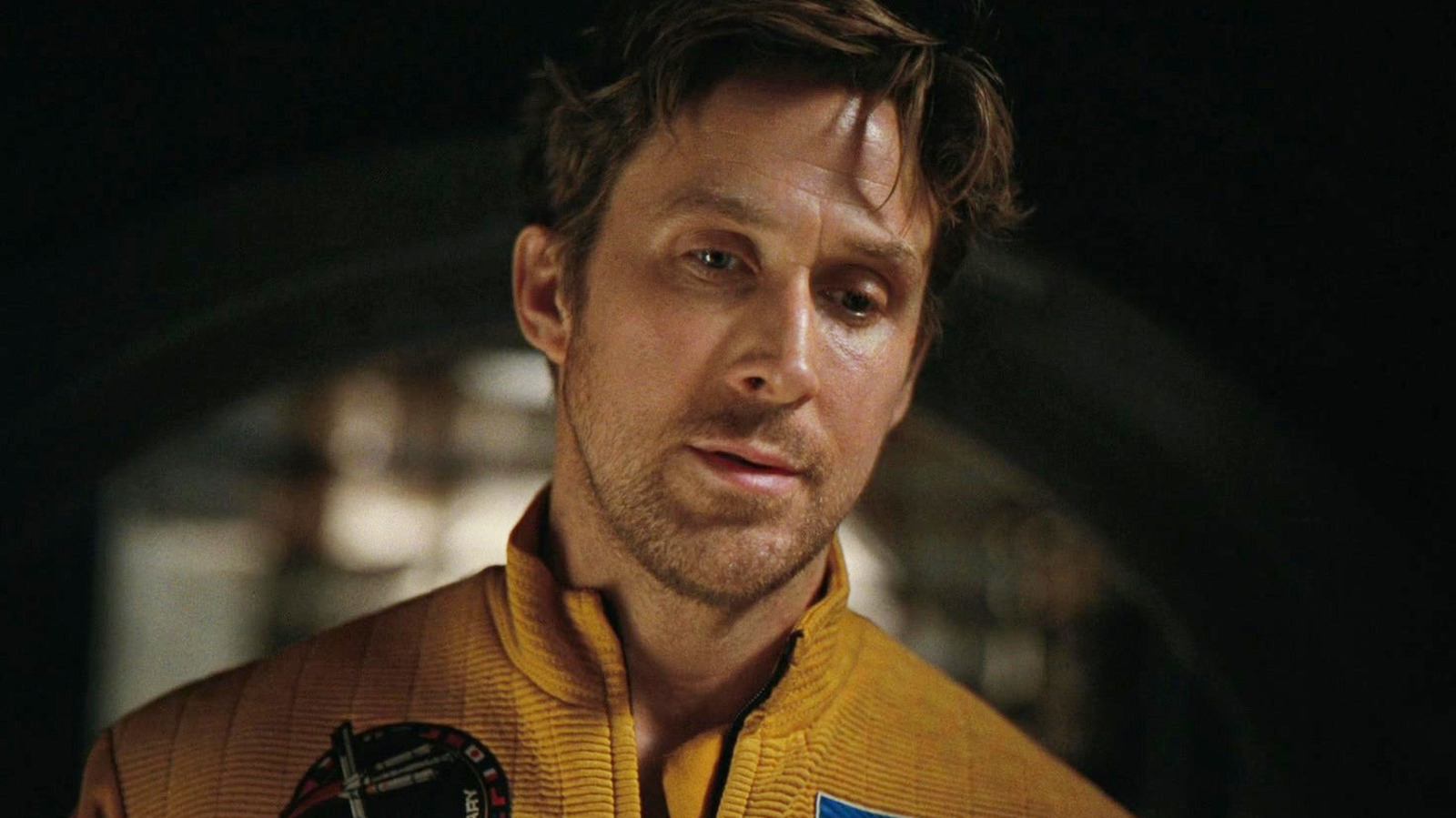
In an interview with /Film’s Jeremy Mathai, Andy Weir, the author of the hit novels “The Martian” and “Project Hail Mary,” recognized that the world has never been more accepting of sci-fi. What was once relegated to the realm of “nerds” and outsiders several generations ago is now embraced by everyone. And that, Weir noted, has allowed artists to tell more serious and dramatic sci-fi stories. When a mass audience takes it seriously, the genre, consequently, grows up.
And Weir has been doing his part to raise the genre’s profile. The films based on his novels — Ridley Scott’s “The Martian,” and Phil Lord and Christopher Miller’s “Project Hail Mary,” to call them out by name — are known for their scientific rigor (especially “The Martian”). And although possessed of fantastical sci-fi conceits, both movies pay a lot of attention to science, research, and the power of human intelligence. These are movies for grown-ups that don’t soft-pedal or water down the details of astronomy, physics, language, or botany. As such, these films come across as being comparatively “adult.”
Weir also credited this in part to the various superhero films that’ve come out in the 21st Century. Many of those movies have sci-fi elements, and even a piece of Marvel fantasy fluff can bring more grown-up credibility to the genre. As Weir put it, “The superhero movie phenomenon helped bring more science fiction elements into the mainstream.”
To be sure, artificial intelligence, parallel universes, and time travel frequently show up in superhero stories, and the genre’s popularity has made a lot of those strange scientific theories a regular part of mainstream thinking. Yes, in that sense, even the box office smash-hit that was “Iron Man” helped the sci-fi genre grow up.
Andy Weir feels sci-fi’s mainstream popularity has allowed the genre to diversify and grow up
The recent boom of high-quality sci-fi television also came up during this discussion with Andy Weir. Just turn on Apple TV alone, and you’ll find the cream of the crop in terms of modern sci-fi TV, be it “Severance,” “Pluribus,” “Foundation,” or “Silo.” Commenting on this, Weir noted:
“I think (the genre has) grown up a bit. So, it used to be science fiction was the bailiwick of just nerds. In the ’80s, there were a few sci-fi shows. There was ‘Star Trek: Next Generation’ toward the end of the ’80s. Then there was things like ‘Quantum Leap,’ and stuff like that. But other than that, the sci-fi shows that did exist were kind of cheesy. You got ‘Battlestar Galactica’ (…) It wasn’t big mainstream entertainment.”
Some “Battlestar Galactica” and “Quantum Leap” fans might bristle at these comments, but Weir is right on one point: sci-fi shows certainly seem more common nowadays. That, he argued, along with superhero movies and people now having access to more high-tech items, have further expanded their tolerance and devotion to the genre. As he put it:
(N)ow we’ve had a whole generation of people grow up in the computer age (…) (P)eople are a lot more socially accepting of science fiction as a legitimate setting (…) I love that there are serious, very well written, innovative and unique science fiction shows out there now.”
Basically, sci-fi becomes real, essentially, sci-fi movies and TV shows become more normalized. And especially with all manner of sci-fi films having recently earned billions of dollars at the box office, it appears audiences, in general, are willing to give the genre more consideration, allowing sci-fi storytellers to take bigger risks in the process.






Leave a Reply