
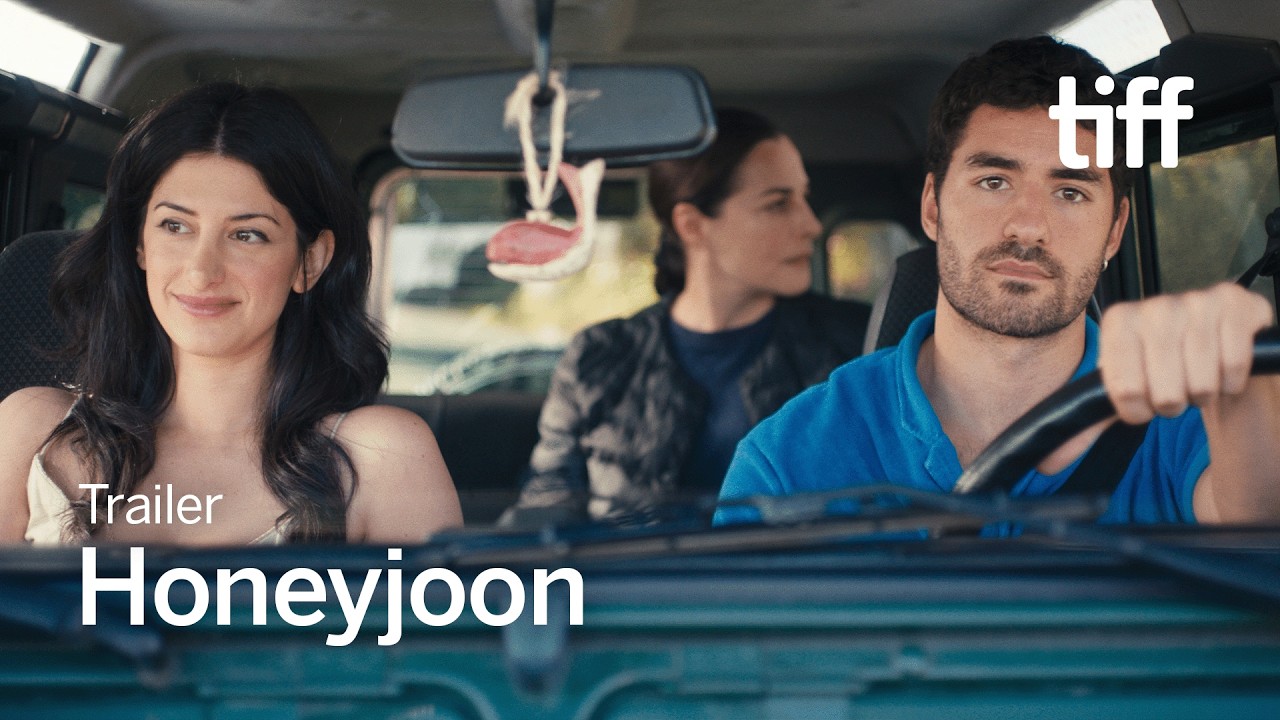
A series of sold-out screenings and singles afterparties is transforming Honeyjoon from an independent film into a blueprint for a new kind of theatrical experience, where watching a movie becomes the beginning of a real-life social connection rather than the end of an evening.
Why This Movie Matters Right Now: Honeyjoon Is Reinventing The Cinema Experience
For years, streaming has encouraged audiences to watch movies from the comfort of home, making cinema a more individual and convenient experience. Honeyjoon is demonstrating a different future for moviegoing by turning theatrical screenings into social events that continue long after the credits roll. Instead of simply inviting people to watch a film, filmmaker Lilian T. Mehrel has created an experience that encourages audiences to meet, laugh, flirt, and build genuine connections.
Following its premiere at the Tribeca Festival and more than 50 festival screenings, Honeyjoon launched “Movie Date” events that paired theatrical screenings with organized singles afterparties, conversation prompts, and community activities. Inspired by audiences who consistently stayed after screenings to continue talking, the initiative transformed a traditional movie night into a shared cultural experience where strangers became part of the same conversation.
The concept reflects one of the most significant shifts taking place across theatrical exhibition today. As cinemas compete with streaming platforms, the biggest advantage of the big screen is no longer just picture quality—it’s the opportunity to create memorable experiences that can only happen when people gather together. Honeyjoon shows how independent films can become catalysts for real-world connection by giving audiences a reason to stay, socialize, and participate beyond the film itself.
➡️ Why It Matters: Honeyjoon demonstrates that the future of moviegoing may depend less on what happens on screen and more on the shared experiences that happen after the credits roll.
Why This Film Deserves A Place On Your Watchlist: A Dark Comedy That Brings People Together
On the surface, Honeyjoon is a dark comedy about grief, family, and unexpected human connection. Set during a family trip to the Azores to mark the anniversary of a loved one’s death, the film balances emotional vulnerability with humor, romance, and moments of surprising warmth. Rather than treating grief as purely tragic, it explores how loss and joy often exist side by side.
Written, directed, and produced by Lilian T. Mehrel, the film has resonated with audiences because it creates space for laughter, reflection, and conversation. Viewers leave not only entertained but eager to discuss the emotions, relationships, and life experiences the story explores. That emotional openness became the inspiration for the now-famous Honeyjoon Movie Date screenings, where conversations naturally continued beyond the theater.
Its ability to combine comedy, romance, family dynamics, and emotional honesty gives Honeyjoon a rare quality in contemporary independent cinema. Rather than offering escapism alone, it creates an experience audiences genuinely want to share with others.
➡️ Viewer Insight: Honeyjoon proves that some of the most memorable films aren’t simply watched—they become shared experiences that continue through conversation, laughter, and human connection.
Who Should Watch This Film: Finding The Audience For Honeyjoon
|
Independent cinema lovers |
A thoughtful character-driven film blending comedy, grief, and human connection. |
|
An award-winning debut that has built strong momentum through international festival screenings. |
|
|
Fans of relationship dramas |
Honest conversations about love, family, loss, and emotional healing. |
|
A film that naturally encourages meaningful discussion after the screening. |
|
|
The Movie Date screenings transform the cinema into a place for meeting new people. |
|
|
Viewers seeking uplifting stories |
Balances emotional depth with warmth, humor, and optimism. |
➡️ Recommendation: Honeyjoon is ideal for audiences who enjoy emotionally intelligent independent cinema and believe the best movies continue long after leaving the theater.
Why Everyone Is Talking About This Release: The Indie Film That Turned Screenings Into Social Events
Honeyjoon has attracted attention not only for its festival success but for the unique way it has reimagined theatrical exhibition. After winning the prestigious Tribeca AT&T Untold Stories Award and touring more than 50 film festivals, the movie inspired audiences to remain after screenings, creating spontaneous conversations that eventually evolved into organized Movie Date events.
The sold-out launch at New York’s IFC Center, followed by a singles afterparty with waiting lists, demonstrated that audiences increasingly value shared cultural experiences over passive entertainment. Rather than marketing the film solely through traditional advertising, Honeyjoon generated excitement by giving people an opportunity to connect with one another through cinema.
Its success reflects a growing movement across the entertainment industry, where movie screenings are becoming community events that combine film, conversation, live experiences, and social interaction. Honeyjoon is helping redefine what audiences expect from a night at the movies.
➡️ Conversation Driver: Honeyjoon is generating attention because it transforms a theatrical screening into a genuine social experience, demonstrating how independent films can help bring audiences back to cinemas through real-world human connection.
Essential Movie Information: Everything You Need To Know Before Watching
|
Writer / Director / Producer |
|
|
Winner of the Tribeca AT&T Untold Stories Award; multiple festival awards |
|
|
More than 50 international film festival screenings |
|
|
Utopia (Circle Collective) |
|
|
In theaters in New York, Los Angeles, Chicago, Toronto, and additional cities |
|
|
Honeyjoon Movie Date screenings with singles afterparties |
➡️ Quick Take: Honeyjoon is more than an acclaimed independent film—it is helping redefine moviegoing by transforming theatrical screenings into shared social experiences where audiences connect not only with the story, but with each other.
What Movie Trend Does This Film Represent: Why Social Cinema Is Making A Comeback
Honeyjoon represents the rise of Social Cinema—a growing movement where moviegoing becomes more than simply watching a film. Instead of audiences leaving as soon as the credits end, filmmakers, theaters, and distributors are creating shared experiences that encourage conversation, community, and real-world interaction.
For decades, cinemas served as important social gathering places, where dates, friendships, and cultural conversations naturally began. As streaming transformed entertainment into a predominantly home-based activity, much of that communal experience faded. Honeyjoon demonstrates how independent films can help restore that tradition by designing screenings that continue beyond the screen through discussion, social events, and shared experiences.
Rather than competing with streaming on convenience, Social Cinema focuses on offering something audiences cannot recreate at home: the emotional energy of experiencing a film together and the opportunity to connect with other people immediately afterward. Honeyjoon shows how even a modest independent film can become a cultural event when the theatrical experience extends beyond the movie itself.
➡️ Industry Trend: Honeyjoon illustrates the emergence of Social Cinema, where theatrical screenings become community experiences that combine storytelling, conversation, and real-world connection.
Why This Trend Is Growing: Audiences Are Looking For Experiences, Not Just Entertainment
The resurgence of community-focused moviegoing reflects broader changes in consumer behavior, particularly as people seek more meaningful offline experiences.
Several factors are driving this shift:
-
People are seeking genuine human connection. After years of increasingly digital lifestyles, audiences are actively looking for experiences that bring people together in person rather than through screens.
-
Movie theaters are redefining their purpose. Cinemas are increasingly competing with streaming by offering exclusive events, filmmaker Q&As, themed screenings, and community gatherings that cannot be replicated at home.
-
Shared emotions strengthen social experiences. Films that make audiences laugh, cry, or reflect together naturally create opportunities for conversation and connection once the screening ends.
-
Independent films benefit from community engagement. Smaller productions often succeed by building passionate audiences through memorable live experiences rather than relying solely on traditional marketing campaigns.
-
Experience-driven entertainment is becoming a competitive advantage. Consumers increasingly value events that combine culture, social interaction, and memorable experiences into a single evening.
➡️ Growth Driver: The future of theatrical exhibition increasingly depends on creating experiences that make audiences feel connected not only to the film, but also to one another.
What Today’s Movie Audiences Are Looking For: Shared Experiences That Continue Beyond The Credits
Modern audiences increasingly want movies to become conversation starters rather than isolated viewing experiences. While streaming offers convenience, cinemas have a unique ability to create collective emotional moments that naturally encourage interaction afterward.
Honeyjoon succeeds because it combines humor, grief, romance, and emotional honesty in ways that invite audiences to discuss their own lives and relationships. The organized Movie Date screenings simply formalize something that was already happening organically—people choosing to stay after the film because they wanted to keep talking.
This reflects a broader change in audience expectations. Going to the movies is increasingly becoming part of a larger social evening that includes discussion, community, dining, dating, or live events rather than ending when the lights come back on.
➡️ Audience Insight: The most successful theatrical experiences increasingly give audiences a reason to stay, connect, and continue the conversation after the film ends.
Audience & Cinema Trend Snapshot: What Honeyjoon Reveals About The Future Of Moviegoing
|
Experience-Led Moviegoing |
|
|
Community-Driven Audience Engagement |
|
|
Shared experiences, conversation, and meaningful real-world interaction |
➡️ Trend Summary: Honeyjoon demonstrates that one of cinema’s greatest strengths lies beyond the screen itself. As audiences increasingly seek authentic shared experiences, films that create opportunities for conversation, community, and human connection are helping redefine what a successful theatrical release can be.
What Filmmakers Can Learn: Why Honeyjoon Turns A Screening Into An Experience
One of Honeyjoon’s most innovative achievements extends beyond the film itself. Rather than treating the theatrical release as the final stage of the audience journey, filmmaker Lilian T. Mehrel designed an experience that continues after the credits, transforming moviegoers from passive viewers into active participants. The “Honeyjoon Movie Date” screenings demonstrate how filmmakers can build stronger emotional connections by considering not only what audiences watch, but also what they do afterward.
The idea emerged naturally from audience behavior rather than marketing strategy. During festival screenings, Mehrel noticed that people consistently stayed behind to talk, laugh, and share their personal reactions. Instead of viewing these conversations as an informal bonus, she transformed them into an official part of the theatrical experience through singles afterparties, conversation prompts, and community activities inspired by the film itself.
This approach offers an important lesson for independent filmmakers. In an era where audiences have countless entertainment choices, memorable experiences often become as valuable as the film itself. By creating opportunities for connection, discussion, and participation, filmmakers can build stronger audience loyalty while encouraging word-of-mouth promotion that continues well beyond opening weekend.
➡️ Creative Insight: The future of independent filmmaking may depend not only on telling memorable stories, but also on designing memorable audience experiences.
What Producers And Distributors Can Learn: Why Community Is Becoming A Powerful Marketing Strategy
Honeyjoon demonstrates that audience engagement does not end when a ticket is sold. Instead of relying exclusively on advertising campaigns or digital promotion, the film generated excitement by creating events that audiences wanted to attend and share with others. The sold-out screenings and growing demand for Movie Date events illustrate how community-driven experiences can become powerful marketing tools in their own right.
For independent distributors, this represents an increasingly valuable strategy. Smaller films rarely compete with major studio productions through advertising budgets alone, but they can differentiate themselves by offering experiences that streaming platforms cannot replicate. Community screenings, themed events, filmmaker conversations, and local partnerships can transform a release into a cultural occasion rather than simply another title on a release calendar.
The Honeyjoon approach also highlights the importance of designing theatrical campaigns that reflect the emotional identity of the film. Because the movie naturally inspires laughter, vulnerability, and conversation, the Movie Date concept feels authentic rather than promotional. That alignment between the film and the audience experience helps strengthen both the marketing and the emotional impact.
➡️ Business Insight: Theatrical success increasingly depends on creating communities around films rather than simply attracting audiences to a single screening.
How Honeyjoon Reflects The Future Of Moviegoing: Community May Become Cinema’s Biggest Competitive Advantage
As streaming continues to dominate home entertainment, cinemas are increasingly redefining their role within the broader entertainment landscape. Instead of competing on convenience, theaters are focusing on experiences that encourage audiences to gather, participate, and create memories together.
Honeyjoon represents this evolution by showing that even independent films can become social events when audiences are given meaningful opportunities to connect beyond the story itself. Rather than asking viewers to simply consume a film, the Movie Date concept invites them to participate in a larger cultural experience built around conversation, relationships, and shared emotion.
This model has implications far beyond romantic comedies or independent dramas. Horror films, documentaries, music films, festival premieres, and even prestige dramas could increasingly incorporate discussions, live performances, themed events, or community gatherings that extend the theatrical experience and strengthen audience engagement.
➡️ Industry Outlook: Honeyjoon suggests that the future of cinema may be defined as much by the experiences surrounding a film as by the film itself.
Cinema Industry Snapshot: Why Honeyjoon Matters Beyond Independent Cinema
|
★★★★★ — Extends storytelling beyond the screen through audience participation. |
|
|
★★★★★ — Encourages conversation, social interaction, and emotional connection after the screening. |
|
|
★★★★★ — Uses community experiences instead of traditional promotional tactics to generate interest. |
|
|
★★★★★ — Demonstrates how independent films can create event-driven cinema experiences. |
|
|
★★★★★ — Builds naturally on the strong sense of community already present at festival screenings. |
|
|
★★★★☆ — The Movie Date concept could be adapted for other relationship-focused or discussion-driven films. |
|
|
★★★★★ — Reimagines cinemas as places for human connection rather than simply content consumption. |
|
|
Long-Term Industry Relevance |
★★★★★ — Provides a practical model for how theaters can remain culturally relevant in the streaming era. |
➡️ Industry Assessment: Honeyjoon is more than an acclaimed independent film—it offers a compelling blueprint for the future of theatrical exhibition, demonstrating how community, conversation, and shared experiences can become as valuable as the movie itself.
What Happens Next: Social Cinema Could Become The Future Of Theatrical Moviegoing
Honeyjoon demonstrates that the future of movie theaters may depend less on competing with streaming platforms and more on offering experiences that audiences simply cannot recreate at home. As moviegoing increasingly becomes a social occasion rather than just a viewing activity, theaters have an opportunity to redefine themselves as cultural gathering places where films become the starting point for conversation, community, and shared experiences.
This shift is already influencing how cinemas, distributors, and filmmakers think about theatrical releases. Live Q&As, themed screenings, sing-alongs, fan events, community discussions, and interactive experiences are becoming more common as exhibitors look for ways to make every screening feel unique. Honeyjoon’s Movie Date concept pushes that evolution one step further by turning a screening into a genuine opportunity for people to meet, connect, and build relationships.
As audiences increasingly value memorable experiences over passive entertainment, the most successful theatrical releases may be those that create reasons for people to stay after the film ends. Community could become one of cinema’s greatest competitive advantages in an era dominated by on-demand viewing.
➡️ Future Outlook: The next generation of successful theatrical releases may be remembered as much for the communities they create as for the films themselves.
Questions The Film Industry Should Be Asking: What Can Honeyjoon Teach Theaters About Audience Engagement?
-
How can movie theaters become places where audiences naturally meet and connect?
-
Which film genres are best suited for post-screening conversations and social events?
-
Can community-driven experiences become a standard part of independent film releases?
-
How can distributors design theatrical campaigns that extend beyond traditional marketing?
-
Will audiences increasingly choose cinemas that offer shared experiences rather than simply larger screens?
-
Can local partnerships with cafés, bars, cultural organizations, and community groups strengthen theatrical attendance?
-
How can filmmakers build audience communities that continue growing long after a film’s release?
Cinema Trend Snapshot: What Honeyjoon Reveals About The Future Of Moviegoing
|
Screenings increasingly become shared cultural experiences rather than passive viewing. |
||
|
Community-Led Entertainment |
Consumers are seeking meaningful real-world connections through entertainment. |
|
|
Cinemas are creating experiences that extend beyond the film itself. |
||
|
Community events generate stronger engagement than traditional advertising alone. |
||
|
Offline Social Connection |
Audiences increasingly value opportunities to meet, discuss, and participate together. |
|
|
Community-Driven Theatrical Releases |
Successful films will increasingly combine storytelling with live audience experiences. |
Key Insight: Honeyjoon Shows That The Future Of Cinema Is About Bringing People Together
Honeyjoon is more than an award-winning independent film—it represents a broader rethinking of what moviegoing can become. Instead of treating the cinema as a place where audiences quietly consume entertainment before heading home, the film transforms the theater into the beginning of a shared social experience. In doing so, it reintroduces something that streaming platforms cannot replicate: spontaneous human connection.
This approach also reflects changing consumer priorities. As digital interactions become an everyday part of life, people increasingly seek experiences that encourage genuine face-to-face conversations and emotional connection. Honeyjoon demonstrates that films capable of creating these moments can generate lasting cultural impact that extends well beyond the screen.
➡️ Key Insight: The future of theatrical cinema may depend less on competing with streaming technology and more on creating experiences that bring people together in meaningful ways.
Final Verdict: A Blueprint For The Next Generation Of Independent Cinema
Honeyjoon succeeds not only because of its emotional storytelling but because it expands the role of cinema itself. By pairing an intimate, character-driven film with thoughtfully designed social experiences, it demonstrates how independent filmmakers can transform screenings into memorable cultural events that audiences actively want to share.
For moviegoers, Honeyjoon offers a heartfelt and entertaining exploration of grief, love, and human connection. For filmmakers, it proves that audience engagement can extend far beyond the screen. For distributors, exhibitors, and festival organizers, it presents a practical model for how community-driven experiences can strengthen theatrical releases in the streaming era.
➡️ Final Takeaway: Honeyjoon suggests that the future of moviegoing is not simply about watching films together—it’s about creating experiences that help people connect with one another long after the credits roll.
Where To Watch: How To Experience Honeyjoon
Streaming Availability
Honeyjoon is currently playing in select theaters and has not yet announced a streaming release. Digital rental, purchase, and subscription streaming availability are expected after the theatrical rollout, although no official dates or platforms have been confirmed.
Theatrical Release
Honeyjoon is currently screening in New York, Los Angeles, Chicago, Toronto, and additional cities through Utopia’s Circle Collective release strategy. Rather than relying on a conventional nationwide launch, the film is expanding through community-driven screenings, filmmaker appearances, and special Movie Date events that encourage audiences to continue the experience after the film ends.
For many screenings, the theatrical presentation extends beyond the movie itself, with organized singles afterparties, discussion prompts, and audience gatherings inspired by the film’s themes of connection, love, grief, and rediscovering joy. These events have become a defining part of Honeyjoon’s theatrical identity.
Festival Journey
Honeyjoon built strong momentum on the international festival circuit before its theatrical release, establishing itself as one of the year’s standout independent discoveries.
|
Winner of the Tribeca AT&T Untold Stories Award |
|
|
More than 50 international film festival screenings |
|
|
Released theatrically by Utopia through Circle Collective |
Viewing Recommendation: Who Should Experience Honeyjoon?
Highly Recommended For
-
Fans of thoughtful independent cinema.
-
Viewers who enjoy emotionally intelligent comedies.
-
Festival film audiences looking for award-winning discoveries.
-
Couples looking for a conversation-starting date movie.
-
Singles interested in unique Movie Date screenings and social events.
-
Anyone seeking films that celebrate human connection, healing, and optimism.
You May Want To Skip It If
-
You prefer fast-paced commercial comedies.
-
You are looking for an action-driven or plot-heavy film.
-
You prefer light entertainment without emotional or reflective themes.
-
You dislike character-focused stories centered on relationships and personal growth.
➡️ Viewing Recommendation: Honeyjoon is best experienced in a theater, particularly during one of its special Movie Date screenings where the conversation continues after the credits roll. Whether you attend with a partner, friends, or on your own, the film offers a rare theatrical experience that celebrates laughter, vulnerability, and genuine human connection—demonstrating that the most memorable nights at the movies sometimes begin after the film ends.






Leave a Reply