

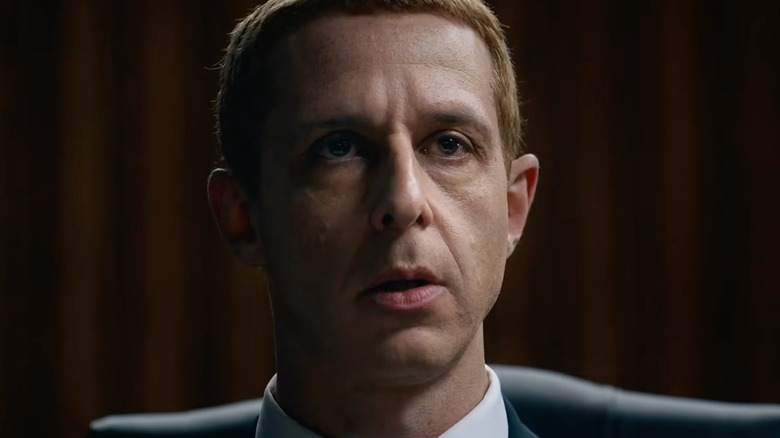
Here’s a trick question for you: When is a sequel not actually a sequel? The answer, perhaps somewhat unsurprisingly, is when you’re talking about a spiritual successor to one of the most acclaimed modern classics in the last two decades. Aaron Sorkin’s “The Social Reckoning” first raised eyebrows when it was billed as “a companion piece” to the original movie — not a direct sequel to David Fincher’s “The Social Network.” But what did that even mean? If the same screenwriter is returning to continue the true story of Mark Zuckerberg’s reign of terror and the moral rot at the center of Facebook, and the trailers play up our fond memories of the marketing for Fincher’s film, is that not a sequel in every sense of the word?
Well, for those who may be tempted to grab their copy of “The Social Network” and revisit the brilliant drama to prepare for Sorkin’s latest, we have a spoiler-free recommendation for you all: Don’t. Seriously, don’t. You’d only be setting yourselves up for disappointment. To state the obvious, we’re not typically in the business of telling people to avoid watching high-quality art and entertainment, but “The Social Reckoning” has forced our hand. As the early reactions have indicated, summed up succinctly in /Film’s review by Chris Evangelista, this is very much not a case where Sorkin has found a way to recapture lightning in a bottle. If anything, comparisons to “Network” aren’t doing “Reckoning” any favors at all.
Even setting aside the noticeable lack of Fincher’s stylish direction, the recasting of Jeremy Strong as Zuckerberg, or the sorely-missed score by Trent Reznor and Atticus Ross, “The Social Reckoning” simply isn’t the Second Coming of “The Social Network” … and it was never going to be, either.
You might enjoy The Social Reckoning more if you aren’t thinking about The Social Network
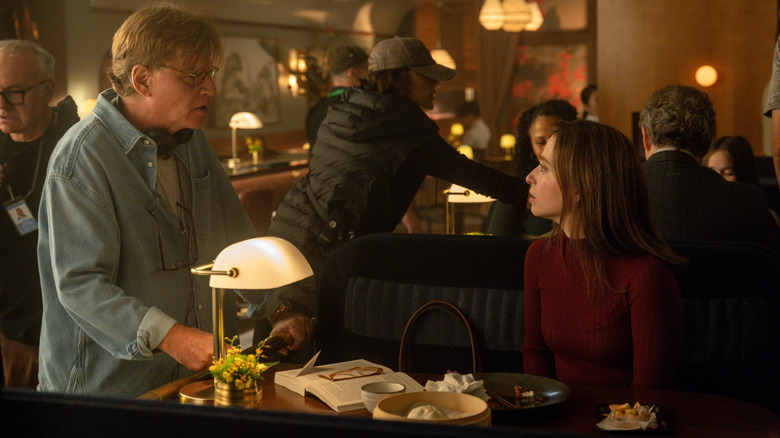
“We’re way past making friends,” blares the official tagline for “The Social Reckoning,” superimposed on Jeremy Strong’s face as Mark Zuckerberg — an obvious callback to the poster for “The Social Network” stating, “You don’t get to 500 million friends without making a few enemies.” I suppose we can’t fault the marketing department for trying so hard to evoke the aesthetics and mood of “The Social Network,” even if Aaron Sorkin’s follow up hardly matches that sense of nostalgia in practice. But while it may result in a few more butts in theater seats (although early box office tracking paints a more troubling picture), that approach proves utterly antithetical to the experience of actually watching what Sorkin is attempting to accomplish this time around.
Without spoiling into specifics, “The Social Reckoning” couldn’t be less interested in retreading the same old ground if it tried. In fact, making that mental switch and utterly divorcing this movie from what came before may be the ideal mindset in order to appreciate “Reckoning” on its own merits. There will be plenty of time to debate whether Sorkin’s script and direction actually works in this regard, of course, or whether his execution is entirely at odds with his intentions. (There’s an early moment referencing the specific setting and subject matter of “The Social Network” so ham-fistedly that I nearly rolled my eyes out of their own sockets.)
But for those able and willing to meet the filmmaker halfway, without the imposing shadow of “The Social Network” clouding the picture? Suddenly, “The Social Reckoning” might very well play better as an ode to “All the President’s Men” and other similar thrillers of its ilk. If not, well, lower expectations accordingly.
Why doesn’t The Social Reckoning feel as timely as The Social Network?
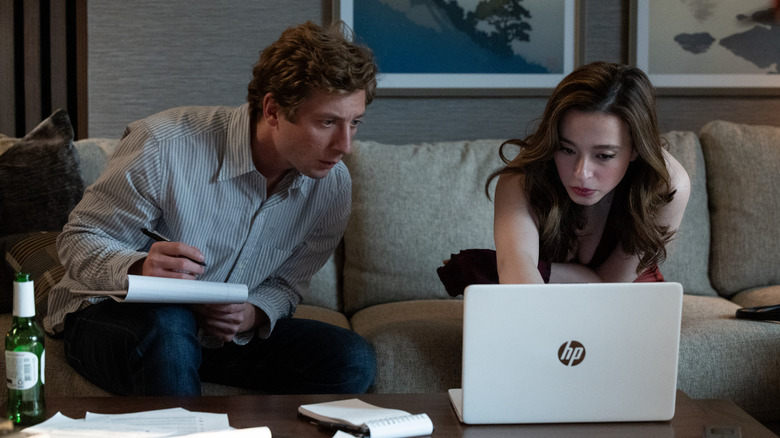
There’s another elephant in the room to consider, as well. When “The Social Network” first premiered in 2010, enough time had passed between the events of the story (crosscut between two separate timelines) and its release for the real-life drama to feel both timely and conclusive. Sure, both Mark Zuckerberg and Facebook continued to thrive at the time — but, thanks to the film’s dramatization, at least we became aware of the seedy origins behind why that happened. Unmasking a supposed tech genius and innovator as a sad, lonely nerd desperate for connection is as powerful as it gets.
The stark difference in context with the release of “The Social Reckoning,” however, couldn’t be more apparent. As a result of the actions of whistleblower Frances Haugen (portrayed by Mikey Madison in “The Social Reckoning”), we know that Zuckerberg knowingly weaponized division and outrage and disinformation in his chase for more social engagement, that his platform played an integral role in the January 6th insurrection at the U.S. Capitol, and that Facebook continues to influence politics and elections worldwide through a policy of inaction … and that absolutely nothing of consequence has happened as a result. That’s nothing new for those of us who know our history, but it’s a somewhat less-than-satisfying environment in which to debut a follow-up film that purports to tell the next chapter of this sordid little saga.
Perhaps that’s the final nail in the coffin for keeping “The Social Network” and “The Social Reckoning” as far apart in our own minds as possible. This admittedly ambitious film might as well have nothing to do with the original. Maybe it’s just cleaner that way.
“The Social Reckoning” hits theaters October 9, 2026.





Leave a Reply